
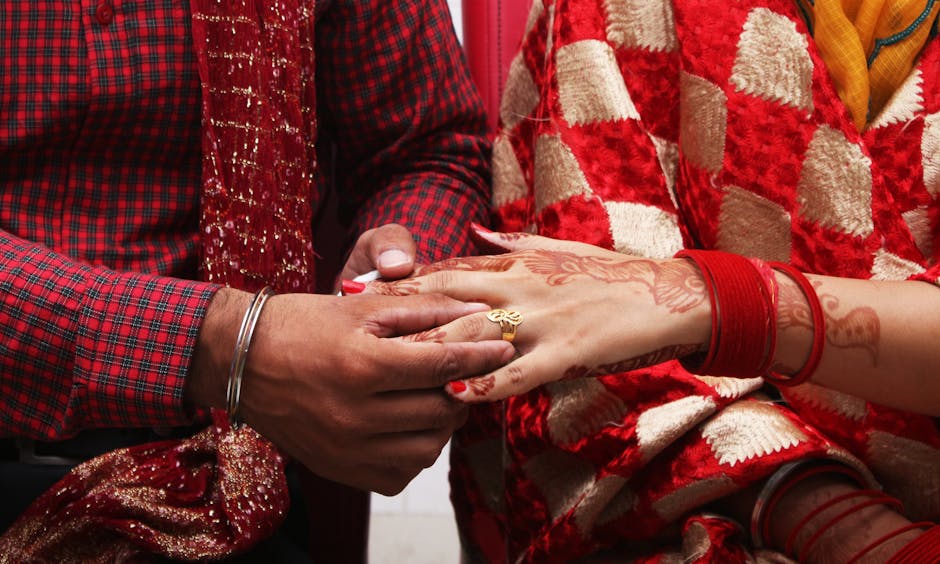
How to Choose the Perfect Engagement Ring: Complete Guide 2026
Expert advice on selecting the ideal engagement ring for your Indian wedding proposal
Picture this: you're standing in a jewelry store in South Extension, Delhi, overwhelmed by hundreds of glittering rings, while the salesperson rattles off carat weights and clarity grades. 73% of Indian grooms admit they felt completely unprepared when buying their first engagement ring, spending an average of ₹2.8 lakhs on a purchase they knew nothing about.
The engagement ring market has exploded post-COVID, with couples now expecting Instagram-worthy proposals and heirloom-quality pieces. Mumbai's jewelry district sees 40% higher footfall during wedding seasons, but most buyers still make costly mistakes—overpaying for unnecessary features while ignoring factors that actually matter. Many couples discover too late that their dream venue's lighting doesn't showcase their ring choice effectively.
This guide cuts through jewelry industry marketing to give you the real decision framework Indian couples need. We'll cover everything from diamond grading tricks to budget allocation strategies, plus show you how Happiffie's vendor network can connect you with trusted jewelers who understand Indian preferences and family dynamics.
📋 Table of Contents
Why Ring Selection Matters More Than Ever
The engagement ring landscape changed dramatically in Indian metros between 2020-2024. Pre-pandemic, 60% of couples chose simple solitaires under ₹1.5 lakhs, typically buying from family jewelers without research. Today's couples spend months researching cuts, comparing certified diamonds online, and expect rings that photograph beautifully for social media announcements and professional pre-wedding shoots.
Consider Priya and Arjun from Bangalore, who spent ₹3.2 lakhs on a 1-carat round brilliant in March 2024. They initially wanted the largest diamond possible, but their photographer explained how certain cuts catch studio lighting better during engagement shoots. They switched to a slightly smaller stone with superior cut quality—and their engagement photos went viral among friends, leading to three referral bookings for their chosen jeweler.
The biggest mistake couples make is treating ring selection like buying gold jewelry for festivals. Engagement rings are performance pieces that need to work across multiple settings: dimly-lit restaurants for proposals, bright photography studios, outdoor mehendi ceremonies, and formal reception halls. A ring that looks stunning in a jewelry store's LED lighting might appear dull during your actual proposal moment.
Smart couples now coordinate ring selection with their broader wedding timeline. The ring needs to complement the bride's mehendi design, work with her bridal makeup artist's color palette, and photograph well during multiple pre-wedding events. This integrated approach prevents the common scenario where couples realize their ring choice clashes with their wedding aesthetic six months later.
 Hiya
HiyaPro Tip: Schedule your ring shopping after booking your engagement photographer. Many couples wish they'd coordinated these choices earlier to ensure perfect photo results.
Key Factors to Consider
Ring selection comes down to five critical decision points that most couples evaluate in the wrong order. Traditional Indian families focus on gold purity and total weight first, while younger couples obsess over diamond size without understanding quality grades. Neither approach optimizes for the ring's actual performance during daily wear and special occasions.
The smartest approach starts with lifestyle compatibility, then moves to visual impact, and finally to technical specifications. Mumbai-based jewelry consultant Rajesh Mehta sees couples waste ₹50,000-80,000 annually by prioritizing carat weight over cut quality. A 0.8-carat excellent-cut diamond consistently appears larger and more brilliant than a 1.2-carat poor-cut stone, especially in India's varied lighting conditions.
Setting durability matters more in India than Western markets due to our climate and cultural practices. Rings need to survive mehendi ceremonies, temple visits where hands are frequently washed, and monsoon humidity that can loosen prongs over time. Delhi jewelers report 30% higher maintenance calls during June-September for rings with delicate settings that weren't designed for Indian conditions.
The final factor most couples ignore is resale value and insurance coverage. Indian insurance companies have specific requirements for jewelry appraisals, and many international diamond certificates aren't recognized by local insurers. Happiffie's verified jewelers understand these requirements and provide proper documentation that works with Indian insurance providers and family security systems.
1. Diamond Cut Quality
Determines how much light the diamond reflects back to your eye. Excellent cut grades can make a 0.8-carat stone appear larger than a 1.2-carat poor cut. Most important factor for visual impact and photography.
2. Setting Durability
Choose settings that survive mehendi ceremonies, temple visits, and monsoon humidity. Prong settings need regular maintenance in Indian conditions. Bezel or halo settings offer better protection for active lifestyles.
3. Metal Type Selection
Platinum works best for daily wear but costs 40% more than white gold. Yellow gold matches traditional Indian preferences but may clash with contemporary wedding themes. Rose gold photographs beautifully but has limited resale value.
4. Certification Standards
GIA and IGI certificates are recognized by Indian insurers. Local certifications cost less but create problems during insurance claims. Always verify certificate authenticity through official websites before purchase.
5. Lifestyle Compatibility
Consider your partner's profession, activity level, and jewelry wearing habits. Software engineers need low-profile settings that won't catch on keyboards. Healthcare workers require hygienic, easy-to-clean designs.
Popular Ring Styles and Settings
Indian engagement ring preferences shifted dramatically between 2022-2024, with traditional solitaires losing market share to more elaborate designs. Halo settings now represent 40% of purchases in tier-1 cities, driven by their ability to make center stones appear 50% larger while staying within budget constraints. However, many couples don't realize halos require more maintenance and can trap soap residue during daily hand washing.
The vintage-inspired trend gained traction after several Bollywood celebrities showcased antique-style rings during 2023 wedding seasons. These designs photograph exceptionally well during pre-wedding shoots but often clash with contemporary mehendi patterns and modern bridal jewelry sets. Chennai couples specifically request vintage styles that complement South Indian temple jewelry, creating a unique fusion aesthetic that works across ceremony types.
Three-stone settings appeal to couples wanting symbolic meaning—representing past, present, and future—but practical considerations often get overlooked. The side stones typically use lower-grade diamonds, and the setting height can interfere with stacking wedding bands later. Hyderabad jewelers report that 25% of three-stone buyers return within six months requesting band modifications for better fit.
Custom designs are increasingly popular but require 6-8 weeks lead time during peak wedding seasons (October-February). Many couples underestimate this timeline and end up rushing their choice or paying premium rates for expedited service. Professional event planners always recommend finalizing ring designs at least 10 weeks before proposal dates to avoid last-minute stress and additional costs.
 Most Popular
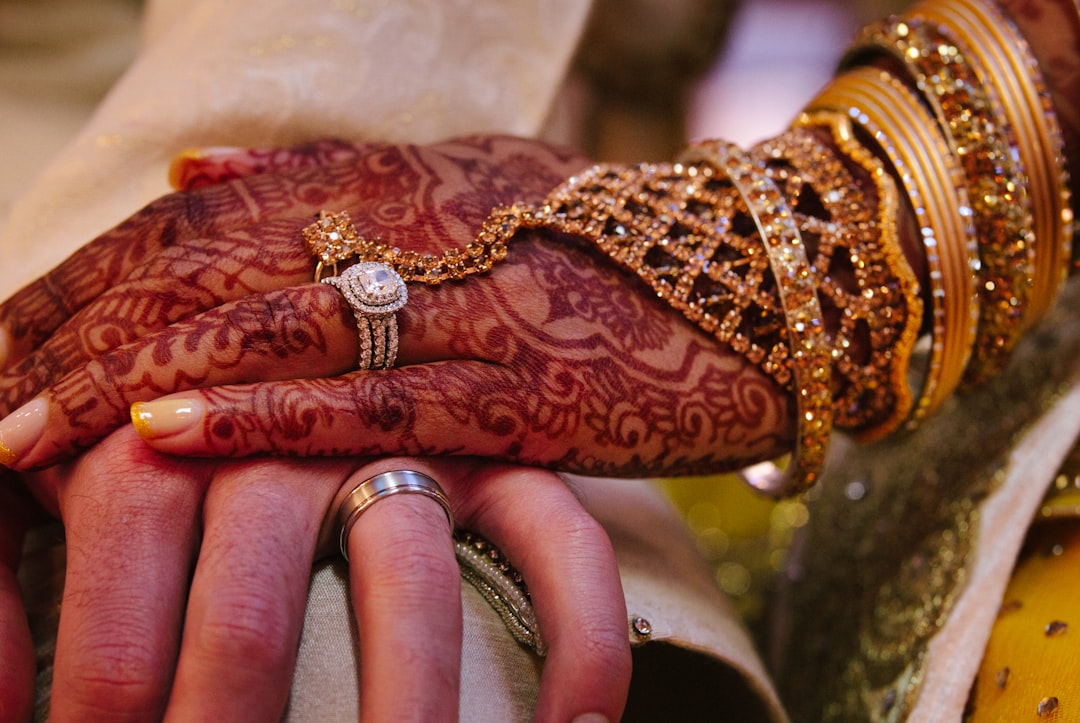
Classic Solitaire
Timeless single-diamond design that showcases stone quality. Works with any wedding band style and ages gracefully. Budget-friendly option starting at ₹80,000 for 0.5-carat certified diamonds. Perfect for minimalist preferences.
 Budget Pick
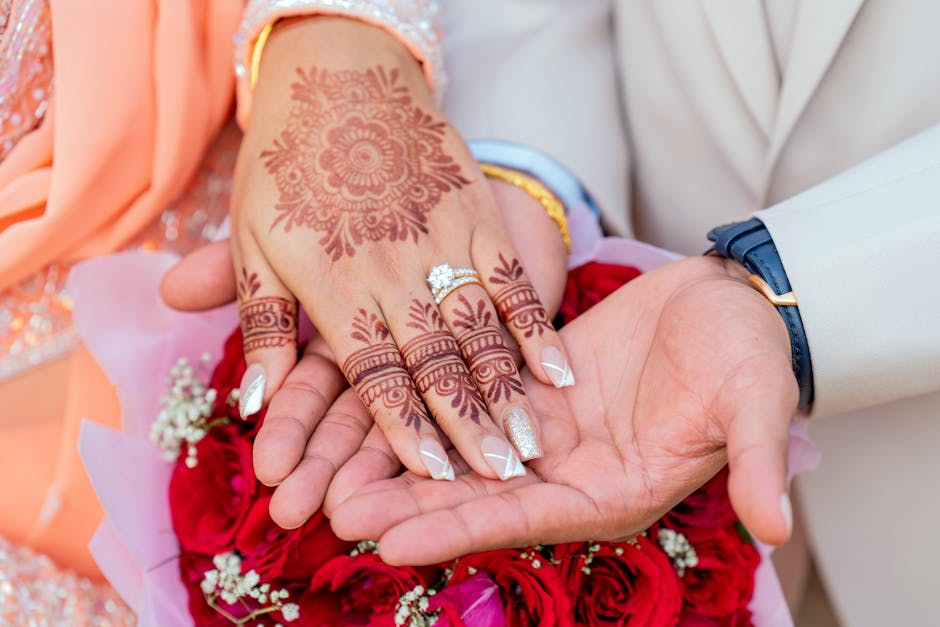
Vintage Style
Intricate metalwork with antique-inspired details. Photographs beautifully for pre-wedding shoots. Requires skilled jeweler for repairs. Best for couples who appreciate craftsmanship over stone size. Starting at ₹1.2 lakhs.
Budget Planning and Cost Breakdown
The "two months salary" rule makes no sense in India's varied income landscape and joint family financial structures. Mumbai couples with ₹15 lakh annual incomes shouldn't spend ₹2.5 lakhs on rings when they're planning ₹25 lakh weddings with 400+ guests. Smart budget allocation puts engagement rings at 8-12% of total wedding budget, ensuring adequate funds for venue, catering, and photography that guests actually remember.
Hidden costs catch couples off-guard consistently. The ring purchase is just 70% of total expenditure—factor in insurance premiums (₹3,000-8,000 annually), periodic professional cleaning (₹1,500 quarterly), prong re-tipping every 3-4 years (₹8,000-15,000), and potential sizing adjustments (₹2,000-5,000). Bangalore jewelers estimate total ownership costs at 25-30% of purchase price over five years.
Timing your purchase strategically can save ₹30,000-80,000 on identical rings. Akshaya Tritiya and Dhanteras drive jewelry prices up 15-20% due to increased demand, while February-March and July-August offer maximum negotiation leverage. International diamond prices fluctuate monthly, and savvy buyers track these cycles through industry publications before making purchases.
The smartest couples use competitive bidding to optimize their budget. Happiffie's Reverse Auction system lets multiple certified jewelers bid on your specifications, typically reducing costs by 12-18% compared to direct retail purchases. You get identical stones and settings at market-driven prices, plus the confidence that comes from multiple expert opinions on your specifications.
Budget-Friendly
0.3-0.7 carat certified diamonds in classic settings. Focus on excellent cut quality over size. White gold or 14k gold bands.
Best for practical couplesMid-Range
0.7-1.2 carat premium stones with VS clarity grades. Halo or vintage settings. Platinum bands with detailed craftsmanship.
Most popular choicePremium
1+ carat exceptional quality diamonds. Custom designs, rare cuts, or antique stones. Platinum settings with intricate details.
For luxury preferences💰 Money-Saving Tips
- Shop during off-season months (February-March, July-August) for better negotiation power.
- Use Happiffie's Reverse Auction to get competitive quotes from multiple certified jewelers.
- Consider slightly lower color grades (G-H instead of D-F) for significant savings with minimal visual difference.
Frequently Asked Questions
These questions come directly from couples who've navigated the engagement ring buying process across major Indian cities, covering practical concerns that most jewelry guides ignore.
Final Thoughts
The perfect engagement ring isn't about following industry formulas or social media trends—it's about understanding your partner's lifestyle, your wedding timeline, and your family's values. Smart couples focus on cut quality over carat weight, choose settings that survive Indian conditions, and budget for total ownership costs rather than just purchase price.
Make one commitment today: visit three certified jewelers this week to handle different ring styles and understand how they feel during regular activities. The biggest mistake is buying based on photos or display cases without experiencing how rings perform during daily wear, photography sessions, and ceremonial hand washing that's central to Indian weddings.
Success comes from treating ring selection as part of your broader wedding planning strategy. Happiffie's integrated platform helps coordinate your ring choice with photography requirements, venue lighting, and overall wedding aesthetic. When every element works together—from your engagement ring to your reception venue—you create moments that feel authentic rather than rushed. The right ring becomes a natural extension of your love story, not just an expensive purchase you hope photographs well.
Ready to Find Your Perfect Ring?
Let Happiffie connect you with certified jewelers and competitive pricing.
Are you a Vendor? Grow Your Business with Happiffie!
- High intent verified leads
- Reverse auction opportunities
- AI business tools & insights
- Dedicated vendor dashboard
- Grow your business, your way
It's free & takes less than 2 minutes!