
Understanding your body type is the foundation of choosing a bridal outfit that enhances your natural beauty and creates a flattering silhouette. Most women fall into five main categories: apple (fuller midsection), pear (wider hips than shoulders), hourglass (balanced bust and hips with defined waist), rectangle (straight up and down), or inverted triangle (broader shoulders than hips). Take honest measurements of your bust, waist, and hip circumferences, and consider having a trusted friend or professional help assess your proportions. Remember that every body type has its unique advantages, and the goal is to highlight your best features while creating balance and proportion in your overall bridal look.
How to Choose Bridal Outfit Based on Body Type & Wedding Theme
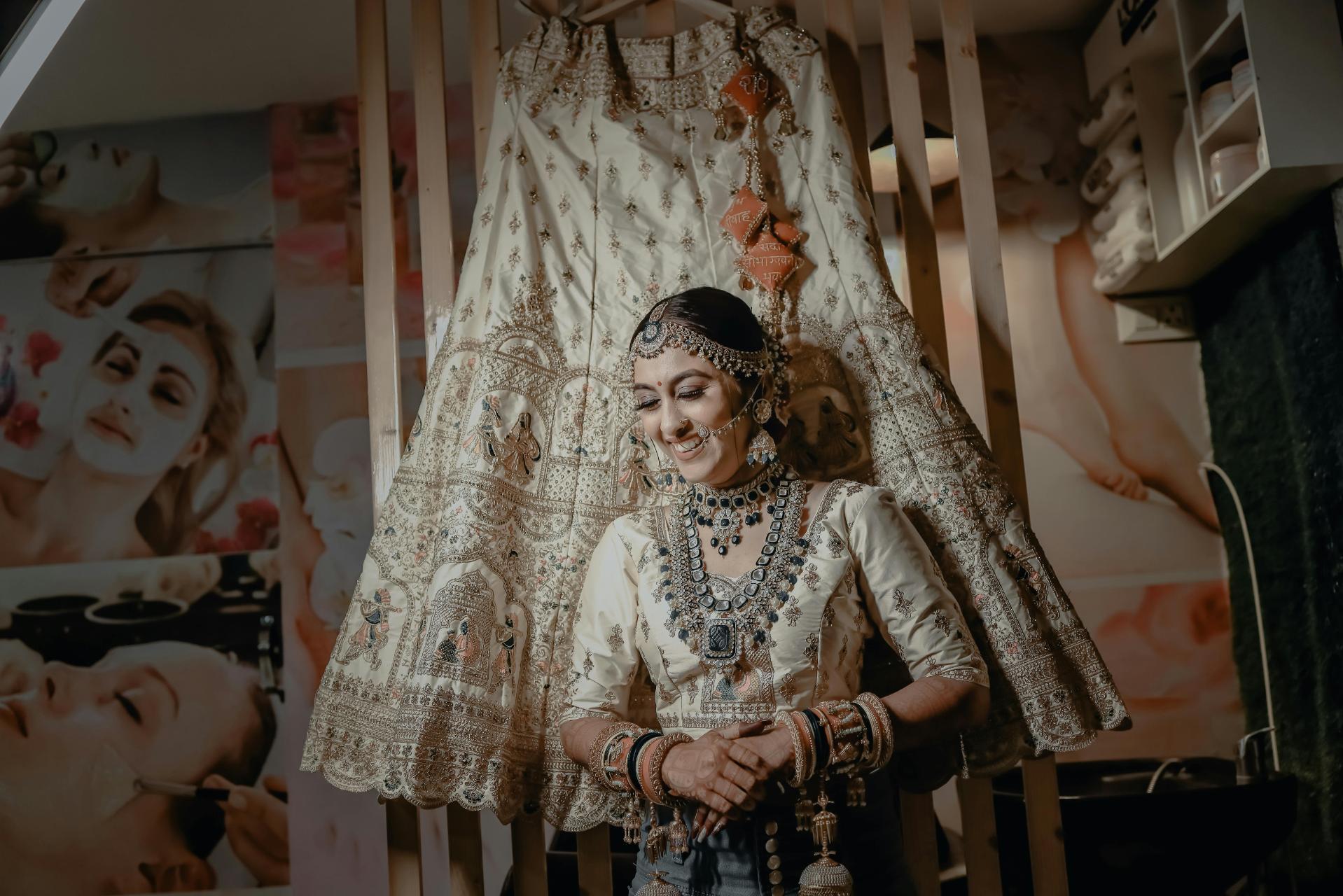
Table of Contents
Step 1: Identify Your Body Type
✨ Body Type Assessment Tips:
- ✓Stand in front of a full-length mirror wearing fitted undergarments to accurately assess your natural silhouette and proportions
- ✓Take measurements at the fullest part of your bust, narrowest part of your waist, and widest part of your hips for precise sizing
- ✓Consider your posture and how you naturally carry yourself, as this affects how different outfit styles will look on your frame
- ✓Ask a trusted friend or family member for honest feedback, as others often see our bodies more objectively than we do ourselves
Pro Tip:
Professional stylists available through Reverse Auction can provide expert body type analysis and personalized recommendations for your bridal outfit selection.
Step 2: Define Your Wedding Theme & Style
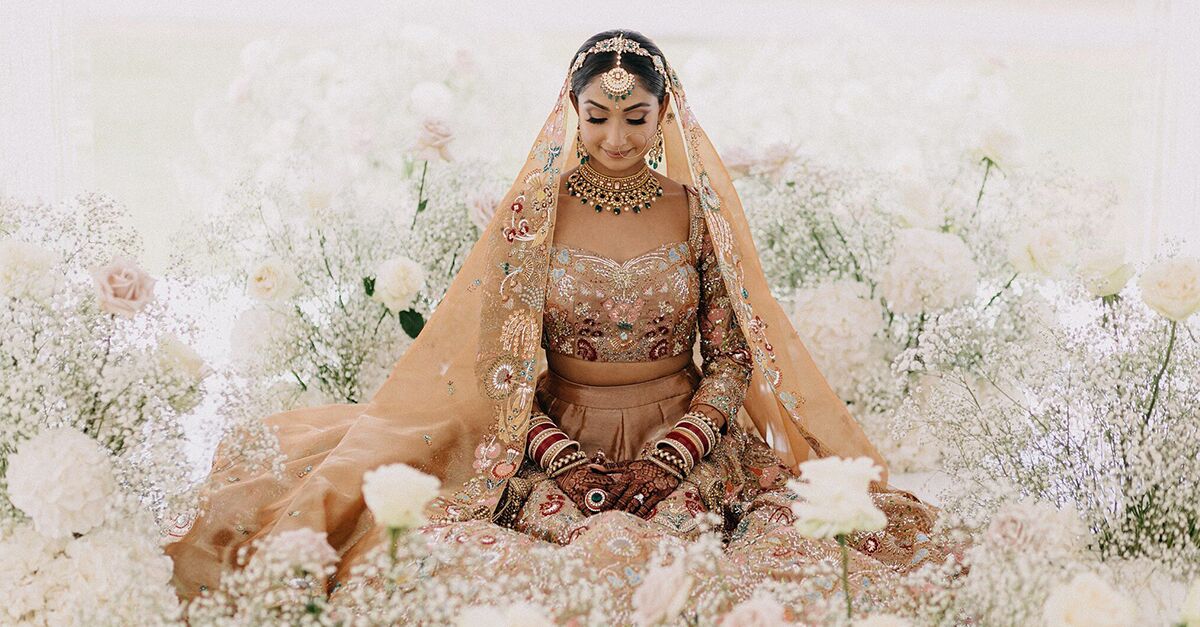
Your wedding theme serves as the creative compass for all style decisions, including your bridal outfit selection, and should reflect both your personality and cultural preferences. Traditional themes might include classic South Indian ceremonies with silk sarees and temple jewelry, North Indian celebrations with heavy lehengas and kundan sets, or regional variations like Bengali weddings with red and white combinations. Contemporary themes could range from destination beach weddings requiring lighter fabrics and flowing silhouettes to palace weddings calling for regal, heavily embellished outfits. Consider factors like venue ambiance, season, time of day, and family traditions when defining your theme, as these elements will guide fabric choices, color palettes, and styling decisions throughout your bridal wardrobe planning process.
✨ Wedding Theme Definition Checklist:
✓Venue style assessment - palace, beach, garden, banquet hall, or destination location with specific ambiance requirements
✓Cultural and regional traditions that need to be honored through outfit choices and styling elements
✓Season and weather considerations affecting fabric weight, coverage, and color appropriateness for comfort
✓Time of ceremony - morning, afternoon, or evening events requiring different levels of formality and embellishment
Pro Tip:
Browse inspiring wedding themes in our venue directory to visualize how different bridal outfits complement various celebration styles and locations.
Step 3: Research Bridal Outfit Options
Comprehensive research into available bridal outfit options helps you understand the vast array of choices and their suitability for different body types and wedding themes. Traditional options include lehengas (ranging from A-line to mermaid cuts), sarees (from lightweight silk to heavily embroidered versions), sharara and gharara sets, and anarkali suits with varying lengths and fits. Contemporary choices might include Indo-Western fusion wear, designer gowns with Indian embellishments, cape lehengas, or modern interpretations of classic silhouettes. Study different designers' portfolios, browse bridal magazines and social media for inspiration, and create mood boards that capture styles appealing to your aesthetic preferences. Pay attention to neckline variations, sleeve options, dupatta styling, and embellishment techniques that align with both your body type and wedding theme requirements.
✨ Outfit Research Essentials:
✓Traditional silhouettes including A-line lehengas, mermaid cuts, straight-cut lehengas, and various saree draping styles
✓Contemporary and fusion options like cape lehengas, crop top sets, Indo-Western gowns, and modern interpretations
✓Neckline varieties from high-neck and boat neck to deep V-necks, sweetheart, and off-shoulder designs
✓Sleeve options including sleeveless, cap sleeves, three-quarter, full sleeves, and statement sleeves
✓Dupatta styling choices from traditional draping to modern cape styles and embellished overlay options
✓Embellishment techniques like zardozi, mirror work, thread embroidery, sequins, and stone work suited to your theme
Step 4: Match Outfit Styles to Body Types
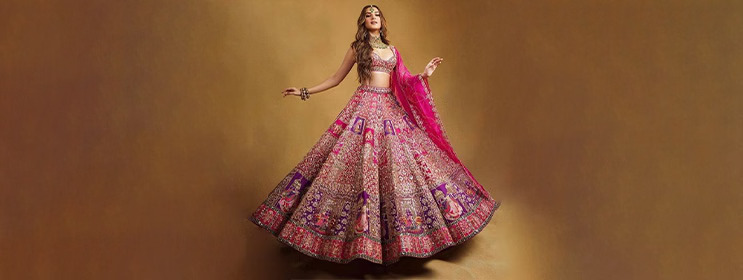
Matching specific outfit styles to your identified body type ensures a flattering fit that enhances your natural proportions and creates visual harmony. Apple-shaped brides benefit from empire waist lehengas, flowing A-line silhouettes, and V-neck blouses that draw attention upward while skimming the midsection comfortably. Pear-shaped figures look stunning in embellished blouses with detailed work, boat necks, or off-shoulder designs that balance wider hips with broader shoulder emphasis. Hourglass figures can showcase their natural curves with fitted blouses, mermaid-cut lehengas, and belted silhouettes that accentuate the waist beautifully. Rectangle body types gain curves through layered textures, peplum blouses, and outfits with strategic embellishments that create the illusion of a defined waistline and fuller hips.
Apple Shape
Empire waist lehengas, A-line silhouettes, V-neck blouses, and flowing fabrics that skim the midsection while highlighting the neckline and arms.
Pear Shape
Embellished blouses, boat necks, off-shoulder designs, and fitted tops that draw attention upward to balance wider hip proportions.
Hourglass
Fitted blouses, mermaid cuts, belted silhouettes, and structured designs that showcase natural curves and accentuate the defined waist.
Rectangle
Layered textures, peplum blouses, strategic embellishments, and volume-creating details that add curves and define the waistline.
Step 5: Color Coordination & Theme Alignment
Color coordination between your bridal outfit and wedding theme creates visual cohesion while ensuring you stand out appropriately as the bride throughout your celebrations. Traditional color preferences include deep reds, maroons, and burgundy for Hindu ceremonies, while South Indian brides often choose rich silk sarees in red, gold, or temple colors like green and yellow. Contemporary themes allow for broader palettes including blush pinks, mint greens, powder blues, or even unconventional colors like ivory, champagne, or pastels that complement modern venue aesthetics. Consider how your chosen colors photograph under different lighting conditions, coordinate with your partner's outfit, and complement the overall decor scheme. Factor in regional preferences, family traditions, and seasonal appropriateness when making final color decisions that will be captured in your wedding photography forever.
✨ Color Selection Ideas:
- ✓Traditional palette: Deep reds, maroons, burgundy, gold, and rich jewel tones that honor cultural significance and photograph beautifully
- ✓Contemporary choices: Blush pink, mint green, powder blue, lavender, and soft pastels perfect for modern and destination celebrations
- ✓Seasonal coordination: Bright colors for spring and summer weddings, rich tones for fall and winter ceremonies that complement natural settings
Step 6: Budget Planning & Vendor Selection
Strategic budget planning for your bridal outfit ensures you get the best value while achieving your desired look without financial stress or compromise. Designer lehengas in Mumbai, Delhi, and Bangalore typically range from ₹50,000 to ₹5 lakhs, while boutique options in Chennai and Hyderabad may cost ₹25,000 to ₹2 lakhs depending on embellishment complexity and designer reputation. Consider allocating 15-20% of your total wedding budget to bridal outfits, including all ceremonies from engagement to reception wear. Research multiple vendors, compare portfolios and pricing structures, and factor in additional costs like blouse tailoring (₹3,000-15,000), alterations (₹2,000-8,000), and accessories coordination. Remember that investing in quality construction and fabrics ensures comfort throughout long ceremony hours and creates heirloom pieces for future generations.
✨ Budget Planning Must-Haves:
✓Main ceremony outfit allocation typically ranging from ₹40,000 to ₹3 lakhs based on designer preference and embellishment level
✓Additional ceremony outfits including engagement, mehendi, sangeet, and reception wear budgeting for complete wardrobe
✓Tailoring and alteration costs including blouse fitting, length adjustments, and final touches for perfect fit
✓Accessory coordination budget for jewelry, shoes, bags, and hair accessories that complete the bridal look
✓Emergency alteration fund for last-minute adjustments or changes needed closer to wedding dates
✓Vendor comparison analysis including portfolio review, pricing structure, and delivery timeline assessment
Step 7: Shopping Timeline & Fitting Schedule
A well-planned shopping timeline ensures adequate time for outfit selection, customization, fittings, and any necessary alterations while avoiding last-minute stress. Begin your bridal outfit shopping 6-8 months before your wedding date to allow for custom designs, embellishment work, and multiple fitting sessions that ensure perfect fit and comfort. Designer consultations and initial selections should happen 5-6 months prior, with first fittings scheduled 3-4 months before the wedding to allow time for significant alterations if needed. Plan for 2-3 additional fitting sessions spaced 2-3 weeks apart, with your final fitting scheduled 2-3 weeks before the wedding to accommodate any minor weight fluctuations or last-minute adjustments. This timeline provides flexibility for changes while ensuring your outfit is ready well in advance of your celebration dates.
✨ Sample Timeline:
6-8 months before:Begin research, initial consultations, and vendor selection process
5-6 months before:Finalize designer choice, place orders, and schedule first measurement session
3-4 months before:First fitting appointment for initial adjustments and fit assessment
2 months before:Second fitting for major alterations and styling finalization
3-4 weeks before:Third fitting for fine-tuning and minor adjustments
2 weeks before:Final fitting and outfit collection with complete styling confirmation
Step 8: Final Selection & Booking Process
The final selection and booking process requires careful consideration of all factors discussed in previous steps, ensuring your chosen outfit meets your requirements for fit, style, theme alignment, and budget constraints. Schedule appointments with your top 2-3 vendor choices, bringing inspiration images, theme details, and any specific requirements or concerns you've identified during the planning process. Try on recommended styles based on your body type analysis, assess comfort levels for long ceremony hours, and evaluate how different options photograph under various lighting conditions. Negotiate pricing, confirm delivery timelines, and secure your booking with appropriate deposits while clearly documenting alteration policies, delivery schedules, and any additional services included in your package agreement.
✨ Final Selection Options:
- ✓Schedule multiple appointments with shortlisted vendors to compare options, try different styles, and assess overall service quality
- ✓Bring trusted family members or friends for honest feedback during selection appointments and final decision-making process
- ✓Document everything including measurements, design specifications, delivery dates, and payment schedules for clear communication and expectations
Ready to Find Your Perfect Bridal Outfit?
<p>Let Happiffie connect you with top bridal designers and stylists who understand your vision and can create the outfit of your dreams within your budget.</p>
Pro Tips for Success
Start Early
Begin your bridal outfit search 6-8 months before your wedding to allow time for customization and multiple fittings.
Stay Organized
Use Happiffie's vendor management tools to track appointments, budgets, and decisions throughout your outfit selection process.
Use Reverse Auction
Get competitive quotes from multiple bridal designers through Happiffie's reverse auction feature to find the best value.
Trust the Process
Allow yourself to enjoy the journey of finding your perfect bridal look - it's an important part of your wedding experience.
Are you a Vendor? Grow Your Business with Happiffie!
- High intent verified leads
- Reverse auction opportunities
- AI business tools & insights
- Dedicated vendor dashboard
- Grow your business, your way
1M+Active Users
300+Events Daily
High QualityLeads
FasterBookings
It's free & takes less than 2 minutes!