
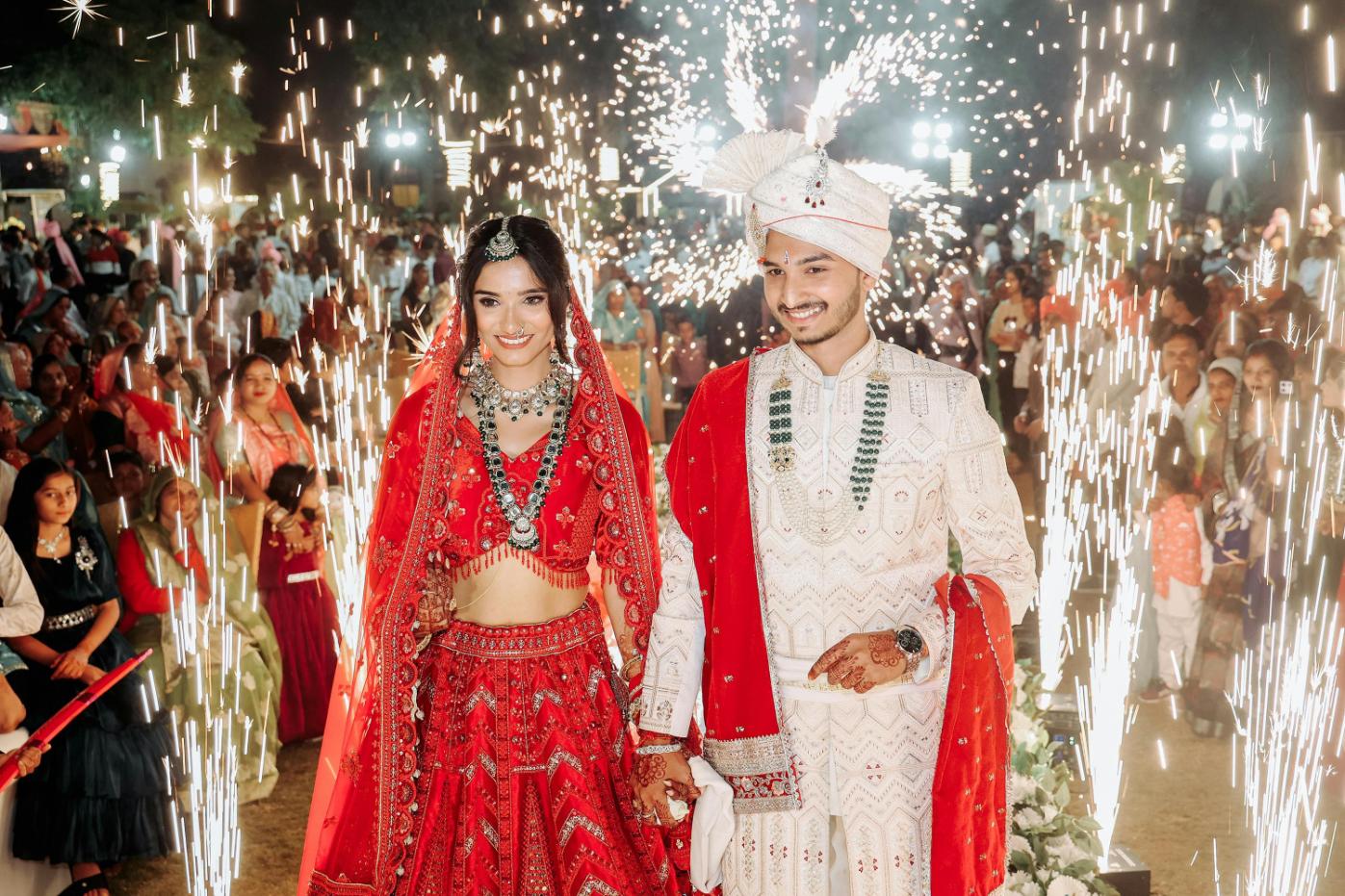
How the Right Outfit Can Transform Your Wedding Experience
Expert guide to choosing wedding attire that elevates your celebration
Picture this: a Mumbai bride spent ₹3.5 lakhs on her lehenga but couldn't dance at her own sangeet because the heavy embroidery restricted her movement. The same weekend, another bride in a ₹40,000 silk saree became the talk of social media because her outfit perfectly matched her personality and venue aesthetic.
Your wedding outfit isn't just fabric—it's your confidence, comfort, and the foundation of every photograph you'll treasure forever. Yet 60% of Indian couples experience outfit-related stress during their celebrations, from makeup artist coordination issues to last-minute alterations that don't fit the venue's climate or logistics.
This comprehensive guide reveals how strategic outfit planning transforms not just your appearance, but your entire wedding experience. We'll cover decision frameworks, budget optimization, and vendor coordination strategies that Happiffie's expert network uses to ensure your attire enhances every moment of your celebration.
📋 Table of Contents
Why Wedding Outfits Make or Break the Experience
Wedding outfits function as the invisible director of your celebration. When chosen correctly, they eliminate decision fatigue about accessories, makeup intensity, and even venue decoration themes. A Bangalore couple recently told us their coordinated color palette—dusty rose for the bride, complementary cream for the groom—automatically guided every vendor's aesthetic choices without constant back-and-forth discussions.
The wrong outfit creates a cascade of problems most couples don't anticipate. Chennai brides booking April weddings face 38°C outdoor temperatures, yet many still choose heavy silk sarees that require constant dupatta adjustments and limit their movement during rituals. Smart brides opt for lightweight kanjeevaram alternatives that photograph identically but allow them to actually enjoy their mehendi and haldi ceremonies without heat exhaustion.
Beyond comfort lies the psychological impact. Research shows brides who feel confident in their outfit smile 40% more genuinely in photographs compared to those constantly adjusting or worrying about wardrobe malfunctions. Your outfit directly affects your energy, which guests mirror back to you throughout the celebration.
The timing element is equally crucial. Couples who finalize outfits 6-8 months ahead allow their photographers to plan shot compositions, makeup artists to design complementary looks, and decorators to enhance rather than compete with the attire. Last-minute outfit changes create vendor coordination chaos that ripples through your entire event budget.
 Hiya
HiyaPro Tip: Book your outfit trial 2 months before the wedding. This gives you time to make alterations and coordinate with other vendors without the last-minute panic.
Key Factors for Outfit Selection
Successful outfit selection requires balancing five critical factors that most couples evaluate in the wrong order. Function comes first, then form. A Hyderabad bride's dream lehenga means nothing if she can't perform the saptapadi comfortably or if the dupatta blocks her face during the crucial varmala exchange that everyone's photographing.
Climate compatibility tops the priority list for Indian weddings. Mumbai's monsoon season demands waterproof makeup-friendly fabrics, while Delhi's winter weddings allow heavier textiles that would be unbearable in Chennai's humidity. We've seen couples spend ₹50,000 extra on climate-controlled tents simply because they chose climate-inappropriate outfits instead of adapting their wardrobe to the season.
Venue logistics determine outfit practicality more than aesthetic preferences. Beach weddings in Goa require outfit weights that won't billow uncontrollably, while heritage palace venues in Rajasthan have specific staircase widths that restrict lehenga volumes. Smart couples visit their venue wearing similar outfit weights during their final walkthrough to test movement and photography angles.
The coordination timeline with vendors creates the biggest bottleneck. Makeup artists need outfit details 3 months ahead to source matching products, while photographers adjust lighting setups based on fabric reflectivity. Couples who share outfit inspiration boards early avoid the common trap of mismatched vendor preparation that creates day-of-wedding stress.
1. Function & Movement
Consider ceremony requirements, dance performances, and ritual movements. Heavy lehengas restrict sangeet dancing, while flowing sarees need proper draping for temple visits. Test mobility during outfit trials.
2. Climate & Season
Match fabric weight to weather conditions. Silk works for winter Delhi weddings but causes discomfort in Chennai summers. Lightweight georgettes and chiffons photograph beautifully while maintaining comfort in heat.
3. Venue Compatibility
Beach weddings need wind-resistant fabrics, palace venues require appropriate grandeur levels. Consider floor surfaces, staircase widths, and backdrop colors when selecting outfit styles and colors.
4. Photography Impact
Certain colors wash out under specific lighting conditions. Red looks stunning in natural light but can appear orange under artificial lighting. Discuss color choices with your photographer early.
5. Vendor Coordination
Share outfit details with makeup artists, hairstylists, and decorators 3 months ahead. This ensures cohesive styling and prevents last-minute vendor panic about mismatched color schemes or styling approaches.
Popular Outfit Categories and Styling Options
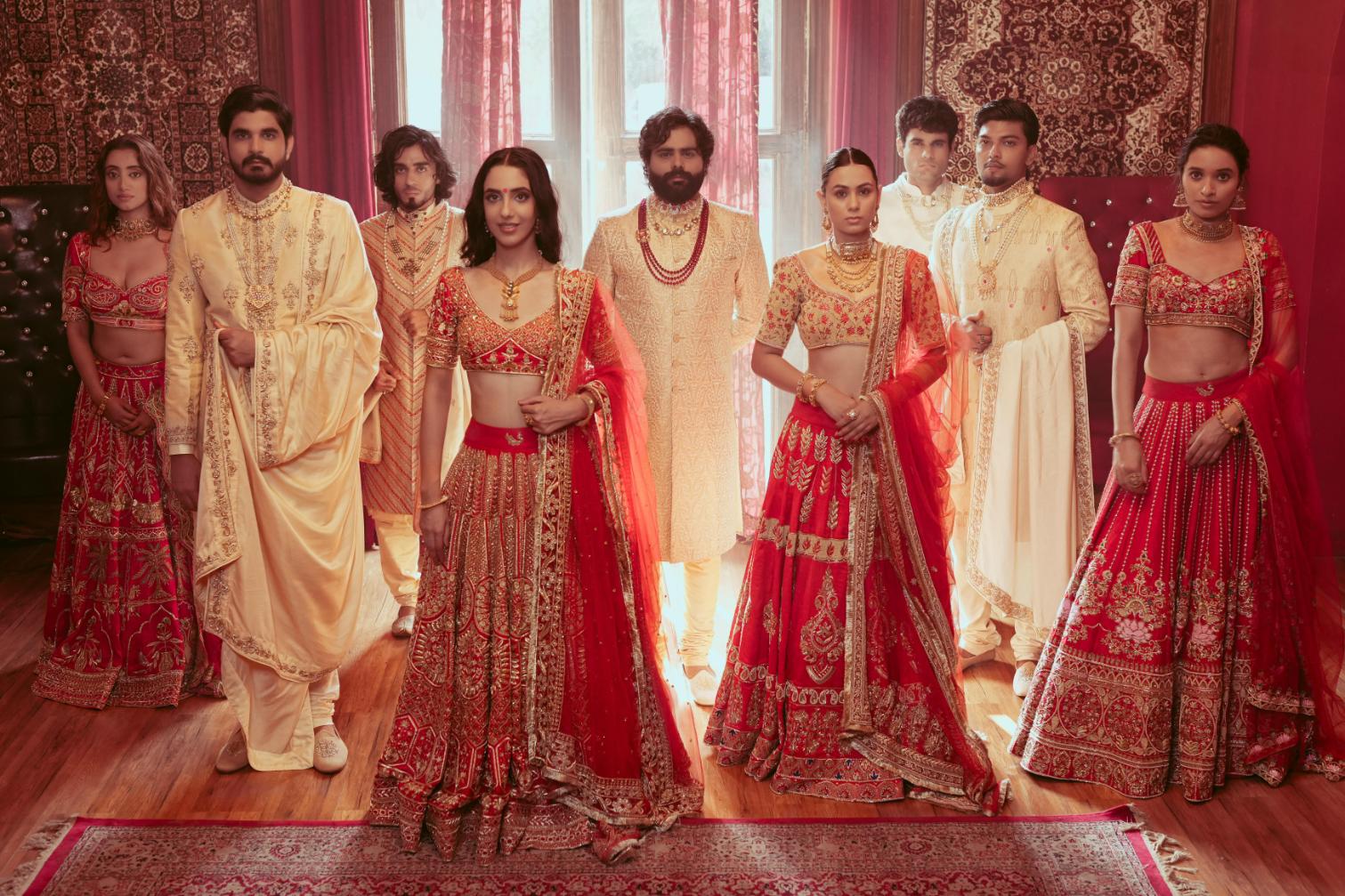
Traditional lehengas dominate Indian weddings, but smart couples choose based on ceremony-specific requirements rather than blanket preferences. The three-piece lehenga works beautifully for reception dancing but becomes cumbersome during lengthy puja rituals. Sharara sets offer the visual impact of lehengas with significantly better mobility for multi-day celebrations.
Saree selection has evolved beyond regional preferences to functional considerations. Banarasi silk creates stunning photographs but requires expert draping and constant maintenance throughout long ceremonies. Pre-stitched designer sarees eliminate draping stress while maintaining traditional aesthetics, making them increasingly popular among working brides who want elegance without complexity.
Groom attire coordination often gets overlooked until the last minute, creating visual imbalance in couple photographs. Sherwanis pair beautifully with heavy bridal lehengas, while indo-western suits complement lighter bridal outfits. The key is color coordination rather than exact matching—complementary tones photograph better than identical shades.
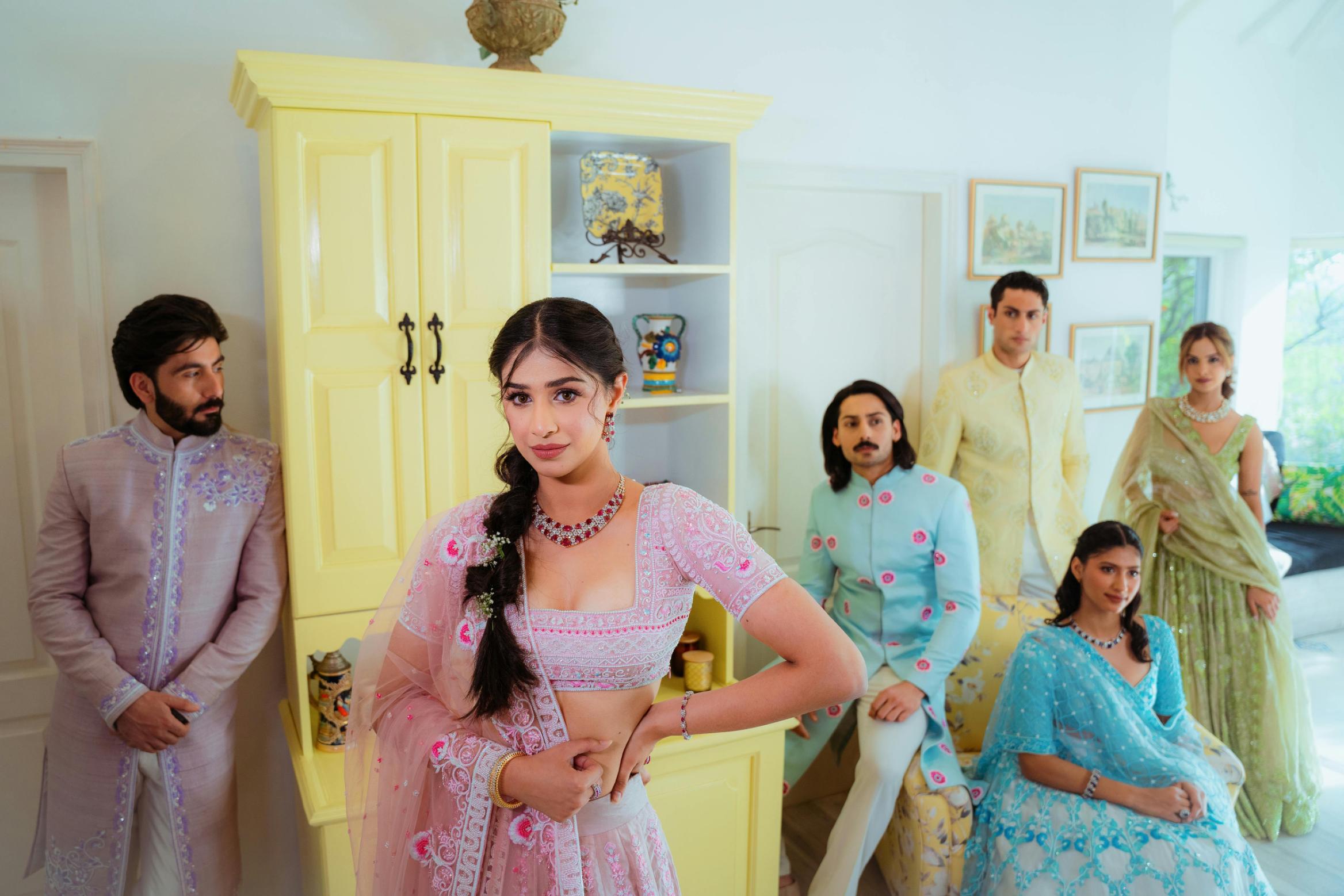
Fusion wear has gained acceptance for specific ceremonies, particularly mehendi and sangeet functions where movement and comfort matter more than tradition. Crop tops with lehengas, dhoti pants with kurtas, and cape-style dupatta draping offer Instagram-worthy looks while maintaining ceremony appropriateness and dance-floor functionality.
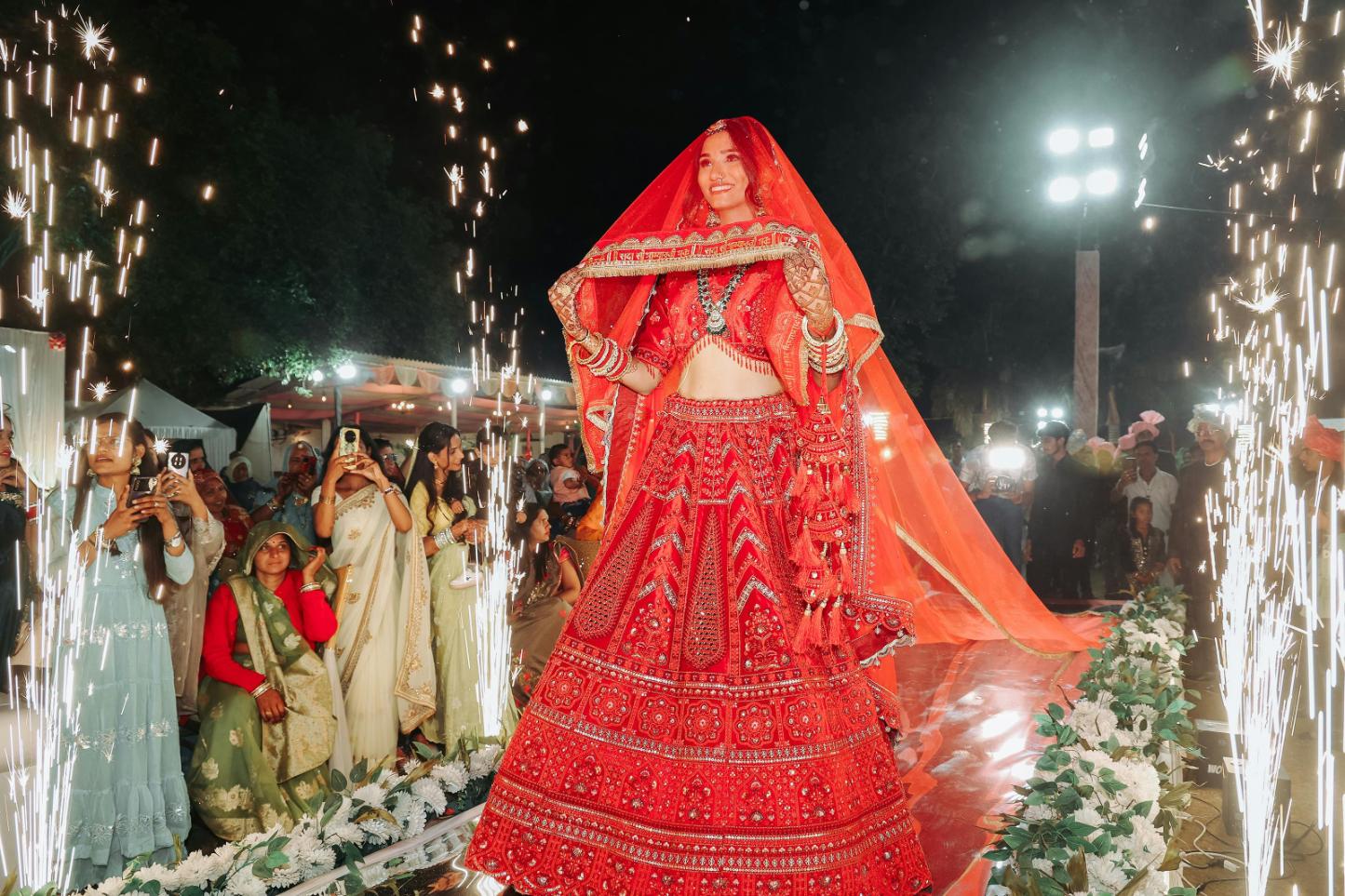 Most Popular
Traditional Lehenga
Classic three-piece sets with heavy embroidery work best for main wedding ceremonies. Choose lighter fabrics for summer weddings and consider pre-stitched options for easier movement. Price range: ₹80,000-₹5,00,000.
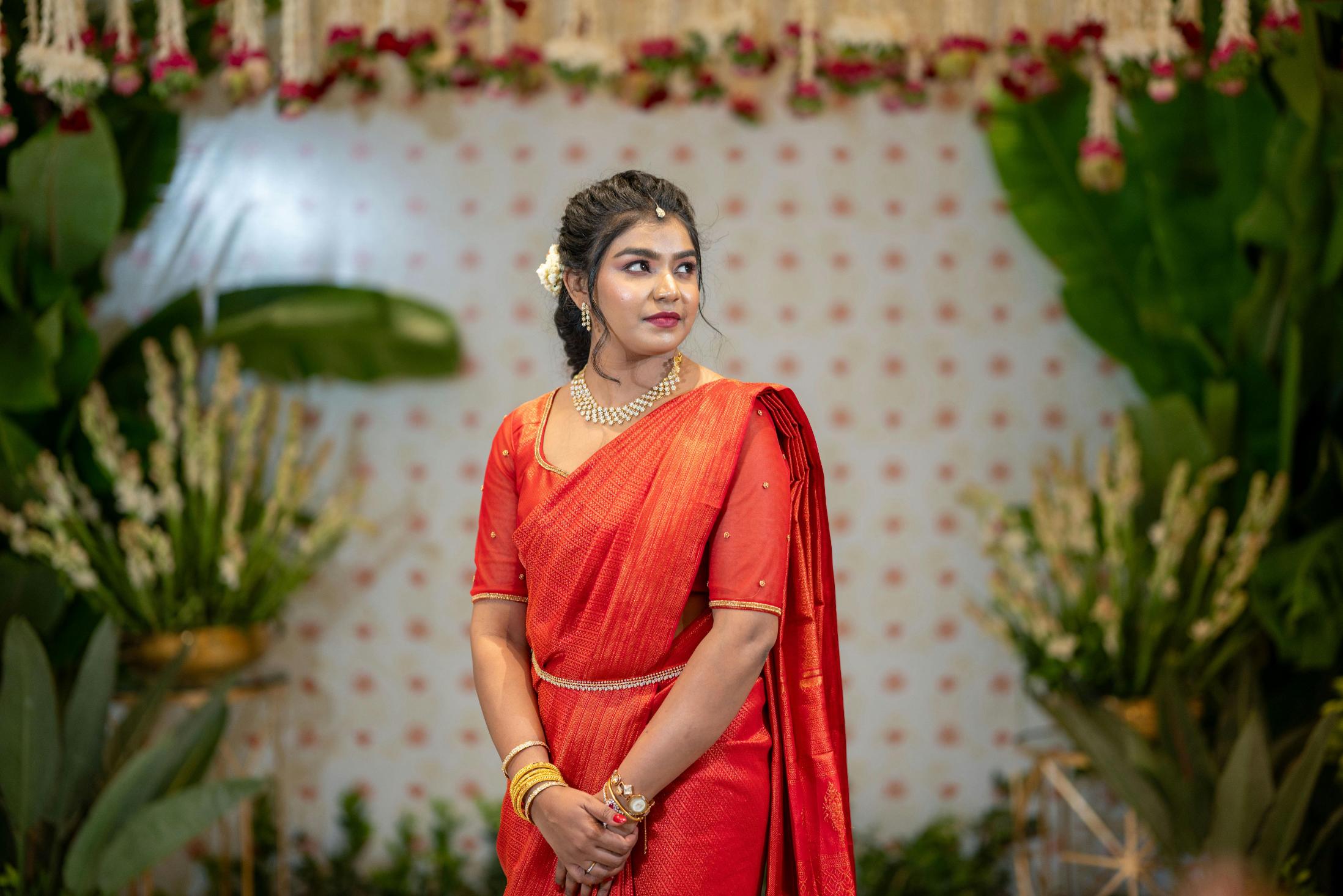 Trending
Designer Sarees
Silk sarees offer timeless elegance but require expert draping. Pre-stitched designer sarees provide traditional looks with modern convenience. Perfect for older brides or intimate ceremonies. Price range: ₹25,000-₹2,00,000.
Indo-Western Fusion
Crop tops with lehengas or cape-style dupatta draping work well for sangeet and mehendi functions. Offers Instagram appeal while maintaining cultural appropriateness. Price range: ₹30,000-₹1,50,000.
Budget Planning and Cost Optimization
Wedding outfit budgets typically consume 15-20% of total wedding expenses, but this percentage varies dramatically based on procurement strategy. Couples buying everything new often spend ₹4-8 lakhs on bridal outfits alone, while strategic planning can achieve identical visual impact for ₹1.5-3 lakhs through smart sourcing and rental combinations.
The biggest hidden cost lies in coordination expenses that couples rarely anticipate. Professional draping services cost ₹8,000-15,000 per event, while last-minute alterations can add ₹20,000-40,000 to your budget. Emergency backup outfits due to poor planning decisions create budget overruns that force compromises in other wedding categories like photography or catering.
Timing your purchases strategically saves significant money without compromising quality. Pre-season shopping during January-March offers 30-40% discounts on designer wear, while last-minute purchases during peak wedding season (November-February) command premium pricing. Exhibition purchases during summer months provide wholesale pricing with customization options.
The Reverse Auction approach works exceptionally well for coordinated outfit shopping. Multiple designers compete for your business, often resulting in package deals that include groom coordination, family outfit styling, and alteration services. This approach typically reduces overall outfit expenses by 25-35% while improving service quality through competitive pressure.
Budget-Friendly
Mix of rental and purchase options with smart sourcing from exhibitions and pre-season sales. Includes basic alterations and coordination.
Best for intimate weddingsMid-Range
Designer outfits with custom alterations, professional styling consultation, and groom coordination. Includes backup outfit options.
Most popular choicePremium
Couture designer pieces with multiple outfit changes, complete family coordination, professional styling team, and luxury alterations.
For grand celebrations💰 Money-Saving Tips
- Book during off-season (April-September) for 30-40% discounts on designer wear.
- Use Happiffie's Reverse Auction for competitive quotes from multiple designers and stylists.
- Consider rental options for heavy lehengas that you'll wear only once during the ceremony.
Frequently Asked Questions
These are the most common outfit-related questions couples ask our expert stylists and vendor network during wedding planning consultations.
Final Thoughts
Your wedding outfit serves as the foundation for every other aesthetic decision in your celebration. When chosen strategically, it eliminates decision fatigue about makeup intensity, jewelry selection, and even venue decoration themes. The right outfit doesn't just look beautiful—it transforms how you feel and move throughout your celebration.
Commit to finalizing your outfit selection within the next 30 days if your wedding is 6-8 months away. The biggest mistake couples make is treating outfit shopping as a low-priority task that gets pushed to the last minute, creating vendor coordination chaos and limiting their options to whatever's immediately available.
Smart couples understand that outfit planning extends far beyond fabric selection to encompass vendor coordination, budget optimization, and comfort engineering. Happiffie's platform eliminates the guesswork by connecting you with experienced designers and stylists who understand the intricate balance between tradition, comfort, and contemporary appeal. Your perfect wedding outfit exists—strategic planning ensures you find it.
Ready to Find Your Perfect Wedding Outfit?
Let Happiffie connect you with expert designers and stylists.
Are you a Vendor? Grow Your Business with Happiffie!
- High intent verified leads
- Reverse auction opportunities
- AI business tools & insights
- Dedicated vendor dashboard
- Grow your business, your way
It's free & takes less than 2 minutes!