
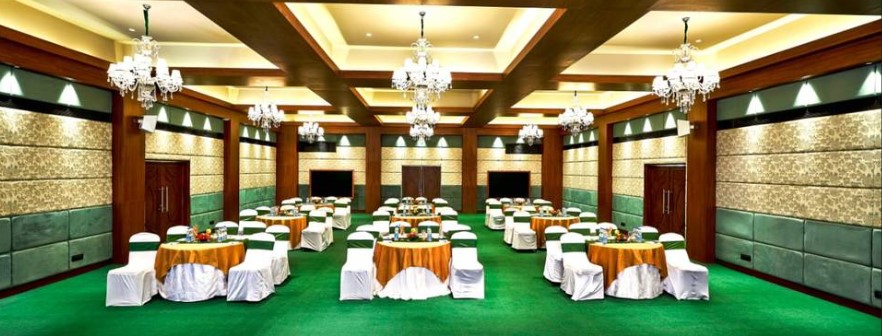
A hotel designed for weddings at this scale must clear several non-negotiable thresholds. First, the primary banquet hall or ballroom must have a standing capacity of at least 900–1,000 people to comfortably seat 750 guests in a theatre-plus-dining format. Fire safety norms in Tamil Nadu mandate clear egress corridors, which effectively reduce the usable footprint by 15–20%, so always verify the "seated dining" capacity, not the "cocktail reception" number that venues often advertise.
Second, banquet halls for 750 guests Chennai should have contiguous pre-function areas. For a typical South Indian wedding, the pre-function lobby handles nalangu, sangeet, and informal family gatherings before the main event. Hotels that lack this space create bottlenecks that feel chaotic by the time the muhurtham begins. We've seen couples regret choosing a hotel with a beautiful main hall but a cramped corridor that could barely fit the nadaswaram performers.
Third, look for a minimum of 80–120 room keys within the property or in an affiliated hotel nearby. Outstation guests — often comprising 25–35% of a 750-person list — need reliable accommodation. Hotels that can block rooms at a negotiated rate eliminate the logistical nightmare of coordinating multiple nearby properties. Strong in-house catering with a proven track record in wedding catering for large gatherings Chennai is the fourth pillar; the ability to serve 750 covers simultaneously without cold food or service gaps separates professional wedding hotels from event venues that are merely "large."
Finally, parking capacity equivalent to at least 200–250 cars (assuming 3 guests per vehicle) is essential for a city like Chennai where public transport adoption for wedding events remains low despite Metro expansion. Valet services help, but dedicated parking land is irreplaceable.