
Traditional groom safa styles vary significantly across India's diverse regions, each carrying unique cultural significance and distinctive wrapping techniques. The Rajasthani pagri features bold colors and elaborate pleating, while Punjabi turbans emphasize neat, structured folds that complement the groom's facial features. South Indian grooms often prefer silk safas with gold borders, particularly popular in Chennai and Bangalore weddings. Understanding these regional variations helps you choose a style that honors your family heritage while creating an authentic wedding look.
Groom Safa Styles: Complete Guide for Wedding Looks
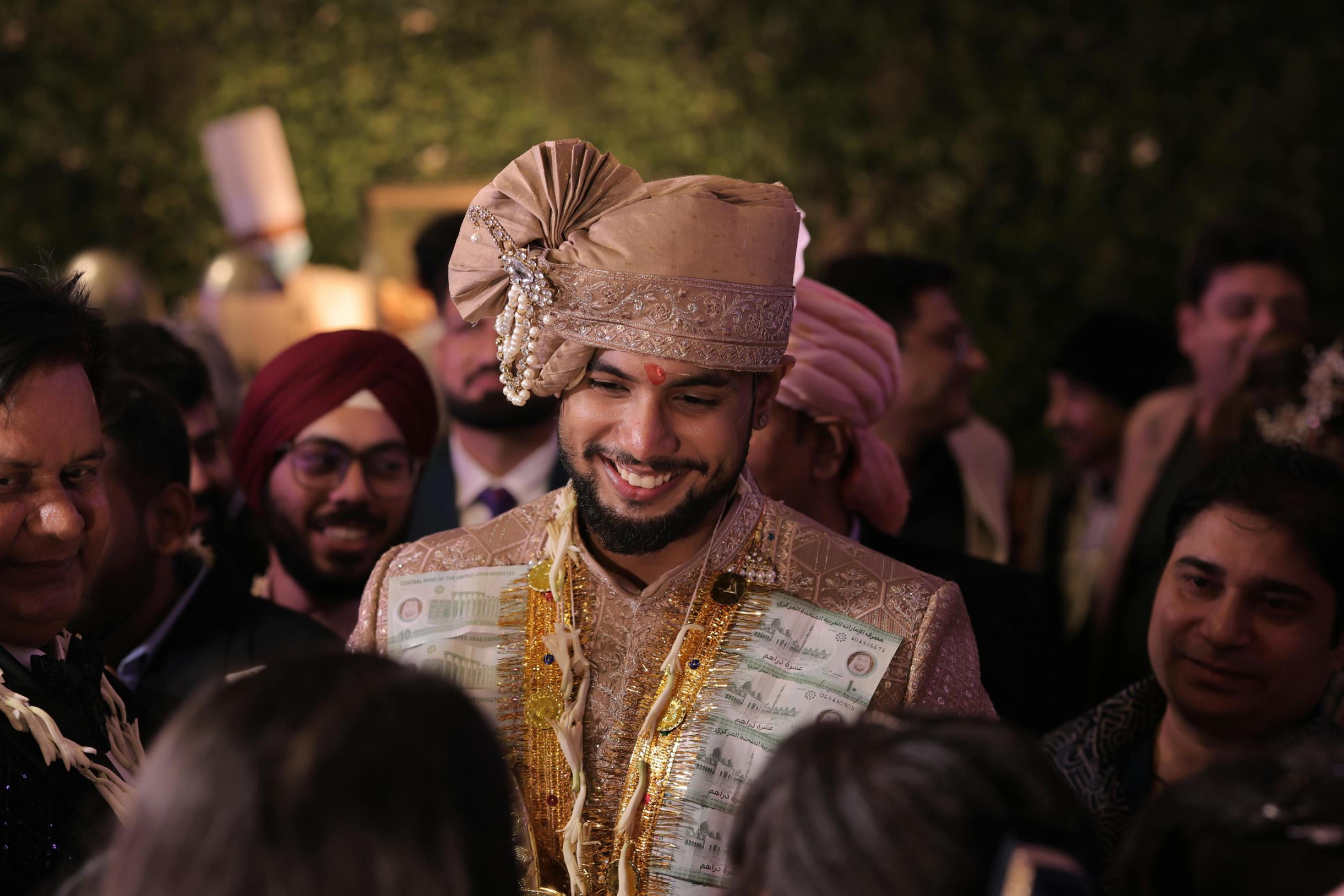
Table of Contents
Step 1: Understanding Traditional Safa Styles and Regional Variations
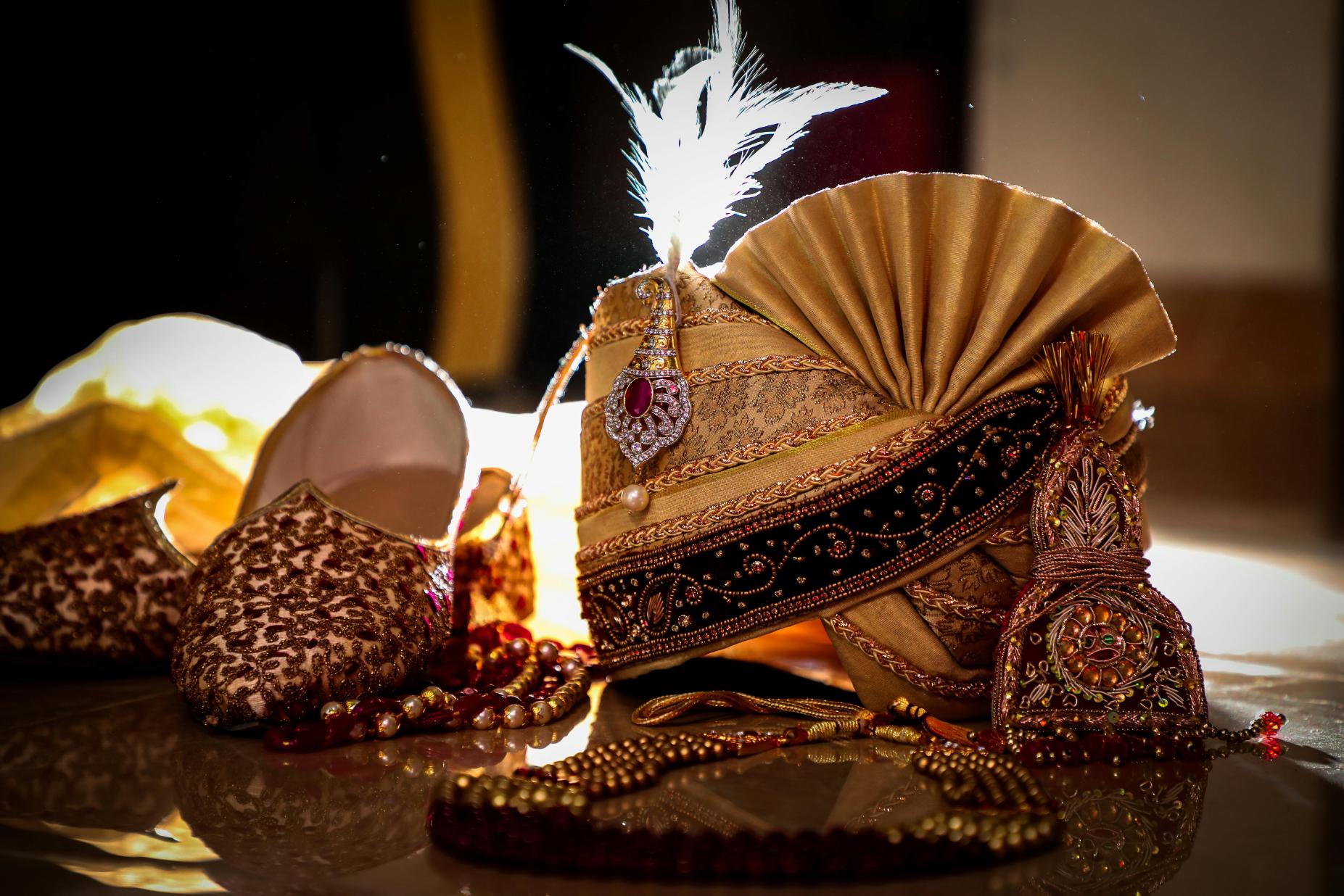
✨ Regional Style Guidelines:
- ✓Rajasthani pagris work best with bright reds, oranges, and yellows for vibrant desert wedding themes
- ✓Punjabi turbans should match the groom's outfit color and feature clean, symmetrical folds for formal ceremonies
- ✓South Indian silk safas complement traditional dhotis and kurtas with metallic thread work and rich textures
- ✓Marathi mundavalya styles incorporate unique draping techniques that frame the face elegantly during wedding rituals
Pro Tip:
Research your family's regional traditions before selecting a safa style, and consider booking consultations with traditional styling experts through Reverse Auction to get authentic guidance from multiple specialists.
Step 2: Choosing Colors and Fabrics That Match Your Wedding Theme

Color coordination between your safa and wedding outfit creates a harmonious, polished appearance that photographs beautifully throughout your ceremony. Traditional colors like deep reds, royal blues, and golden yellows remain popular choices, but modern grooms are increasingly experimenting with burgundy, emerald green, and even subtle pastels for contemporary weddings. Fabric selection impacts both comfort and appearance – silk safas offer luxury and shine but can be heavy, while cotton blends provide breathability for long ceremonies. Consider your wedding venue's lighting and photography requirements when making color decisions.
✨ Color and Fabric Selection Checklist:
✓Match or complement your sherwani, lehenga, or kurta colors for cohesive styling
✓Consider venue lighting conditions and how colors will appear in indoor versus outdoor settings
✓Choose breathable fabrics like cotton or silk blends for summer weddings and longer ceremonies
✓Test fabric draping and color coordination with your complete wedding outfit before the big day
Pro Tip:
Browse color combinations and fabric options from verified vendors in our vendor directory to see real wedding photos and customer reviews before making your final selection.
Step 3: Measuring and Sizing for Perfect Fit and Comfort
Proper safa sizing ensures comfort throughout your wedding ceremony while maintaining an elegant, well-proportioned appearance that complements your face shape and height. Head circumference measurements should be taken at the widest part of your forehead, typically 1-2 inches above your eyebrows. Most traditional safas require 4-6 meters of fabric for proper draping, but this varies based on your head size, desired style complexity, and regional wrapping techniques. Consider factors like hair volume, glasses, and any ceremonial accessories that might affect the fit and comfort of your safa throughout the wedding day.
✨ Essential Sizing Information:
✓Measure head circumference accurately using a flexible measuring tape for precise fitting requirements
✓Account for hair volume and styling products that might increase head size on your wedding day
✓Consider comfort for extended wear periods, especially during long traditional ceremony rituals and photo sessions
✓Factor in seasonal changes and potential weight fluctuations that might affect head size measurements
✓Plan for any glasses, hearing aids, or other accessories that need accommodation within the safa design
✓Schedule professional fitting sessions 2-3 weeks before the wedding to ensure perfect comfort and appearance
Step 4: Learning Basic Safa Tying Techniques and Methods
Mastering fundamental safa tying techniques empowers you to achieve professional-looking results and make adjustments throughout your wedding day as needed. The basic foundation involves creating a secure base wrap around your head, followed by systematic pleating and tucking to build the desired height and shape. Different regional styles require specific folding patterns – Punjabi turbans use precise angular folds, while Rajasthani pagris incorporate more flowing, organic shapes. Practice sessions are essential because muscle memory develops over time, and you'll want to feel confident managing any minor adjustments during your ceremony.
Traditional Wrap Method
Start with base foundation wraps, build height systematically with overlapping layers for secure, comfortable fit.
Modern Structured Style
Use precise geometric folds and angular tucking techniques for contemporary, clean-lined wedding appearance.
Regional Specialty Techniques
Learn family-specific or regional draping methods that honor cultural traditions and ancestral styling preferences.
Quick Adjustment Methods
Master simple tucking and retightening techniques for maintaining perfect appearance throughout long wedding ceremonies.
Step 5: Coordinating with Wedding Outfits and Accessories
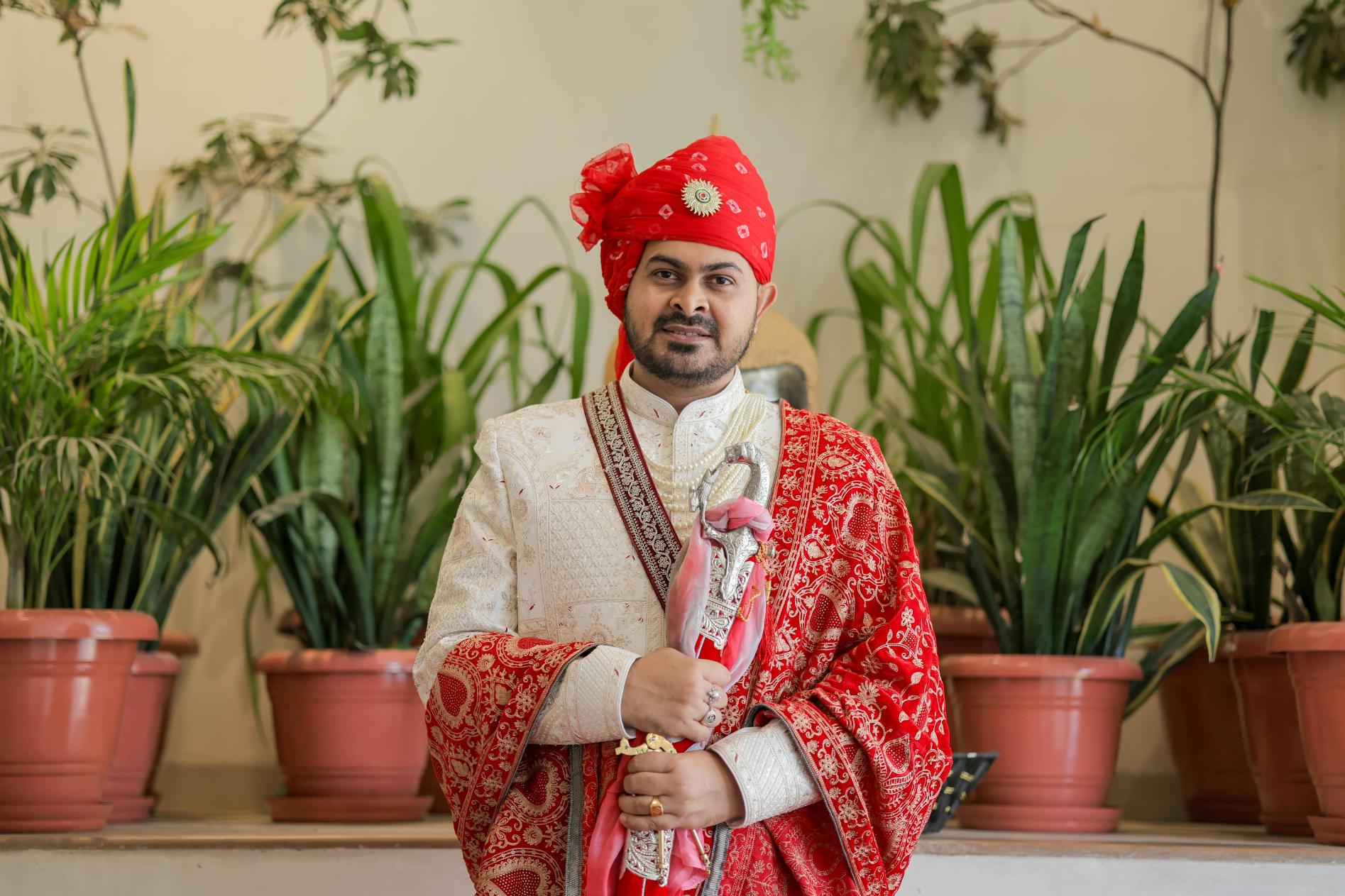
Successful coordination between your safa and complete wedding ensemble creates a sophisticated, intentional look that elevates your entire appearance for photographs and ceremonies. Consider how your safa color and texture interact with your sherwani or kurta fabric, ensuring they complement rather than compete for attention. Traditional accessories like kalgi (plumes), sarpech (jeweled ornaments), and necklaces should be selected after finalizing your safa style to maintain proper proportions and visual balance. The goal is creating a harmonious overall aesthetic that feels authentic to your personal style while honoring traditional wedding customs and family expectations.
✨ Coordination Ideas:
- ✓Metallic accessories: Choose gold or silver elements that match your safa's embroidery threads and complement your jewelry selections
- ✓Texture mixing: Combine silk safas with velvet sherwanis or cotton safas with linen kurtas for interesting visual contrast and depth
- ✓Pattern coordination: Balance busy patterns in your outfit with solid safa colors, or pair simple outfits with ornate, decorated safas
Step 6: Professional Styling Services and Expert Assistance
Professional safa styling services ensure flawless execution on your wedding day while reducing stress and time concerns during busy morning preparations. Experienced stylists bring specialized knowledge of regional techniques, fabric handling, and troubleshooting skills that amateur attempts often lack. Many wedding venues in Mumbai, Delhi, Chennai, and Bangalore offer on-site styling services, or you can hire independent professionals who travel to your location. Professional stylists also provide backup safas, emergency repair tools, and quick adjustment techniques that prove invaluable during long wedding ceremonies and extensive photography sessions.
✨ Professional Service Must-Haves:
✓Verify stylist experience with your specific regional safa style and traditional tying techniques for authentic results
✓Confirm availability for your wedding date and backup dates in case of schedule changes or emergencies
✓Discuss pricing structure including travel fees, setup time, and any additional services like touch-ups during ceremonies
✓Request references from recent grooms and view portfolio photos showcasing similar safa styles and wedding venues
✓Arrange practice sessions before the wedding day to test techniques, timing, and comfort with the chosen styling approach
✓Establish clear communication protocols for wedding day timing, location logistics, and any special family requirements or customs
Step 7: Timeline for Safa Preparation and Wedding Day Schedule
Strategic timing for safa preparation ensures you look perfect throughout your entire wedding celebration while managing the practical realities of ceremonial requirements and photography schedules. Professional styling typically requires 15-30 minutes depending on complexity, so factor this into your morning timeline alongside other grooming activities. Consider the duration of your ceremonies – some wedding rituals last several hours, and you'll want your safa to maintain its shape and comfort throughout. Build buffer time for adjustments, photography requirements, and any unexpected styling needs that might arise during your busy wedding day schedule.
✨ Sample Timeline:
2 hours before ceremony:Complete hair styling and prepare head for safa application with any necessary products
1 hour before ceremony:Professional safa tying session with final adjustments and photography test shots
30 minutes before:Final appearance check, touch-ups, and coordination with wedding outfit accessories
Ceremony start:Confident appearance for guest arrival and initial wedding rituals with perfect safa styling
Mid-ceremony:Quick adjustments if needed during breaks between rituals or photography sessions
Reception preparation:Styling refresh or safa change for evening celebration if different look is desired
Step 8: Budget Planning and Finding the Best Safa Vendors
Strategic budget planning for groom safa expenses helps you achieve the perfect look while managing overall wedding costs effectively across multiple ceremonies and events. Traditional silk safas range from ₹2,000-₹15,000 depending on fabric quality, embellishment level, and brand reputation, while professional styling services cost ₹1,500-₹5,000 in major cities like Mumbai and Bangalore. Consider purchasing versus renting options – buying allows for keepsake value and multiple use opportunities, while renting reduces upfront costs for one-time ceremony wear. Factor in additional expenses like accessories, backup safas, and professional styling when calculating your total investment in this important aspect of your wedding appearance.
✨ Budget-Smart Shopping Options:
- ✓Compare prices from multiple vendors using reverse auction systems to get competitive quotes on identical safa styles and quality levels
- ✓Consider package deals that include safa, styling services, and accessories for potentially significant cost savings compared to individual purchases
- ✓Explore rental options for expensive designer safas or specialty regional styles that you might only wear once during wedding ceremonies
Ready to Perfect Your Groom Safa Look?
<p>Connect with expert safa stylists and premium vendors through Happiffie to create the perfect traditional wedding appearance that honors your heritage and personal style.</p>
Pro Tips for Success
Start Early Planning
Begin safa selection and styling research 3-4 months before your wedding to ensure authentic regional styles and proper fitting sessions.
Use Platform Benefits
Leverage Happiffie's vendor network to compare styling services, read authentic reviews, and book consultations with verified professionals.
Try Reverse Auction
Get competitive quotes from multiple safa vendors and stylists using reverse auction to ensure the best value for premium quality services.
Practice Makes Perfect
Schedule multiple practice sessions with your chosen styling approach to build confidence and ensure comfort on your special day.

Are you a Vendor? Grow Your Business with Happiffie!
- High intent verified leads
- Reverse auction opportunities
- AI business tools & insights
- Dedicated vendor dashboard
- Grow your business, your way
1M+Active Users
300+Events Daily
High QualityLeads
FasterBookings
It's free & takes less than 2 minutes!