
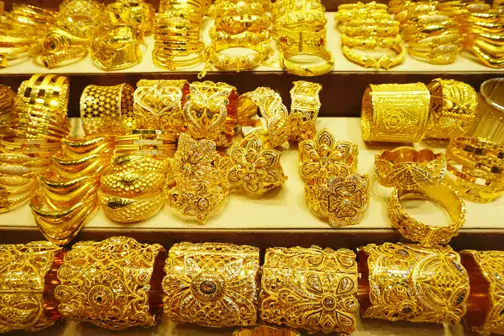
Gold Jewellery Buying Guide India: Purity, Pricing & Expert Tips
Master gold jewellery purchases for weddings with insider knowledge on purity testing, pricing strategies, and avoiding common pitfalls in India's jewellery market
Indian families spend an average ₹3.2 lakh on gold jewellery for weddings, yet 40% discover quality issues only after purchase. The gold jewellery market operates on unspoken rules that savvy buyers understand but newcomers stumble through blindly.
Mumbai's Zaveri Bazaar sees 200+ complaints monthly about purity misrepresentation, while Chennai's T. Nagar witnesses pricing variations of 15-20% between neighbouring shops. Most couples discover these wedding planning realities too late, after deposits are paid.
This guide reveals insider strategies from India's top jewellers, hallmarking experts, and seasoned buyers. We'll decode purity testing, negotiation tactics, and timing strategies that Happiffie's network of verified vendors recommends for smart jewellery investments.
📋 Table of Contents
Understanding Gold Purity Standards
India's Bureau of Indian Standards mandates 14K, 18K, and 22K as legal purity grades, but enforcement remains patchy across tier-2 cities. The hallmarking system launched nationwide in 2021, yet jewellers in smaller markets still exploit customer ignorance about acid testing versus electronic verification methods.
A Bangalore bride recently discovered her ₹1.8 lakh temple jewellery set tested at 19.2K instead of promised 22K purity. The jeweller's response? "Solder joints reduce overall purity." This common excuse masks deliberate adulteration that costs buyers thousands in actual gold content.
Electronic gold testers provide accurate readings within seconds, while traditional acid tests damage pieces and allow manipulation. Smart buyers insist on XRF testing at certified assaying centres before finalizing purchases. Most established jewellers welcome this transparency; those who resist typically have something to hide.
The hallmarking stamp includes purity grade, assaying centre code, and year of testing. However, counterfeit stamps exist, making verification through official BIS databases essential for high-value purchases exceeding ₹50,000.
 Hiya
HiyaPro Tip: Always ask for the original hallmarking certificate and verify the BIS code online before making payment.
Key Factors for Smart Buying
Successful gold purchases depend on five critical factors that separate informed buyers from those who overpay. Timing affects pricing by 8-12% annually, while vendor selection determines both quality assurance and after-sales service reliability across decades of ownership.
Chennai's wedding season (December-February) sees 25% higher making charges compared to monsoon months when footfall drops. Strategic timing combined with bulk negotiations can reduce total costs significantly, especially for complete bridal sets requiring 80-120 grams of gold content.
The relationship between design complexity and making charges often surprises first-time buyers. Intricate temple jewellery commands ₹800-1200 per gram in making charges, while simple chains cost ₹200-400 per gram. Understanding this spectrum helps prioritize spending on statement pieces versus everyday wear items.
Certification transparency separates reputable jewellers from opportunistic ones. Established brands provide detailed invoices, purity certificates, and verified vendor credentials that ensure long-term value protection and resale opportunities when needed.
1. Purity Verification
Demand XRF testing or hallmarking certificates. Avoid jewellers who resist independent verification. Electronic testers provide instant accuracy while acid tests can be manipulated by experienced sellers.
2. Making Charges
Compare per-gram making charges across vendors. Temple jewellery costs ₹800-1200/gram while simple designs cost ₹200-400/gram. Negotiate fixed rates for bulk purchases to avoid surprises.
3. Timing Strategy
Purchase during off-season months (July-September) for 10-15% lower making charges. Avoid peak wedding season when demand inflates both gold rates and craftsmanship costs significantly.
4. Vendor Reputation
Choose established jewellers with 15+ years experience and verified customer reviews. Check for BIS certification and association memberships that indicate legitimate business practices.
5. Documentation
Insist on detailed invoices showing gold weight, purity grade, making charges, and stone details separately. Proper documentation enables insurance claims and resale value verification.
Popular Jewellery Categories
Indian bridal jewellery divides into essential categories based on cultural significance and wearing occasions. Temple jewellery dominates South Indian weddings while Kundan sets remain popular in North India. Each style carries distinct pricing structures and craftsmanship requirements affecting long-term durability.
Lightweight contemporary designs gain traction among urban brides seeking comfort during lengthy ceremonies. These pieces use hollow construction techniques reducing gold content by 30-40% while maintaining visual impact. However, durability concerns arise with daily wear, making solid construction preferable for heirloom pieces.
Antique reproductions command premium pricing due to intricate handwork requirements. A traditional Hyderabadi necklace demands 45-60 days crafting time with specialized artisans, justifying ₹1000+ per gram making charges. Modern machine-made alternatives reduce costs but lack the detailed finishing that defines authentic craftsmanship.
Investment-grade pieces focus on plain gold ornaments with minimal making charges, suitable for families prioritizing gold content over decorative elements. These jewellery design choices offer maximum resale value and flexibility for future modifications or exchanges.
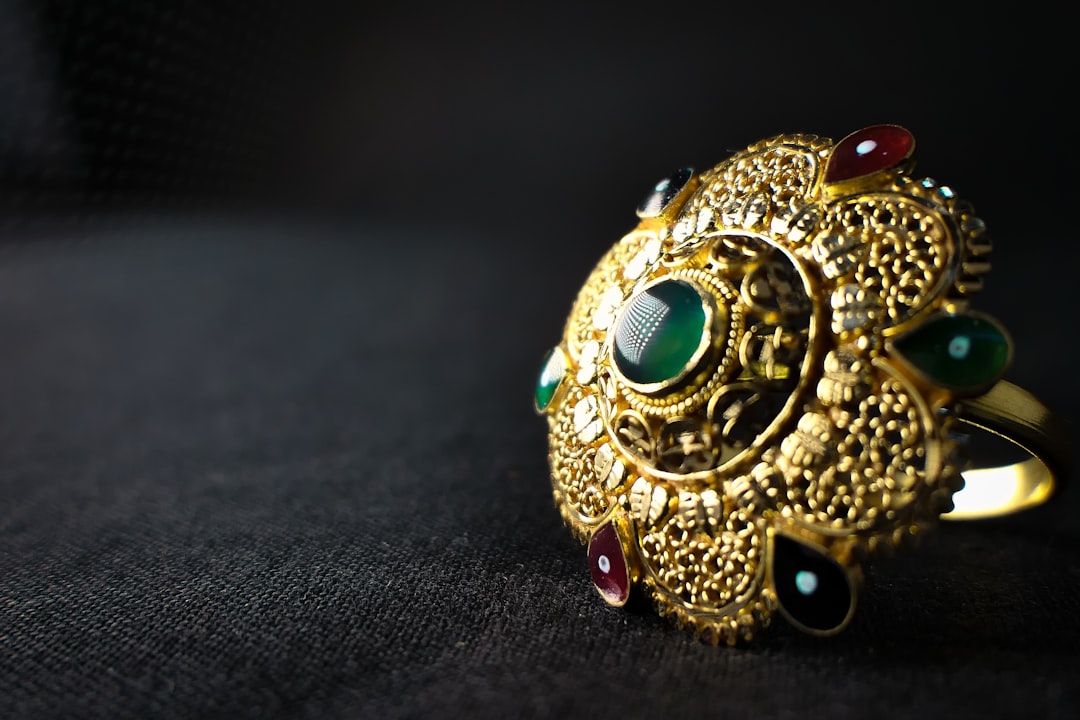 Most Popular
Temple Jewellery
Intricate South Indian designs featuring deity motifs and traditional patterns. Requires 22K purity for authentic finish. Making charges range ₹800-1200 per gram with 45-day crafting time for complex pieces.
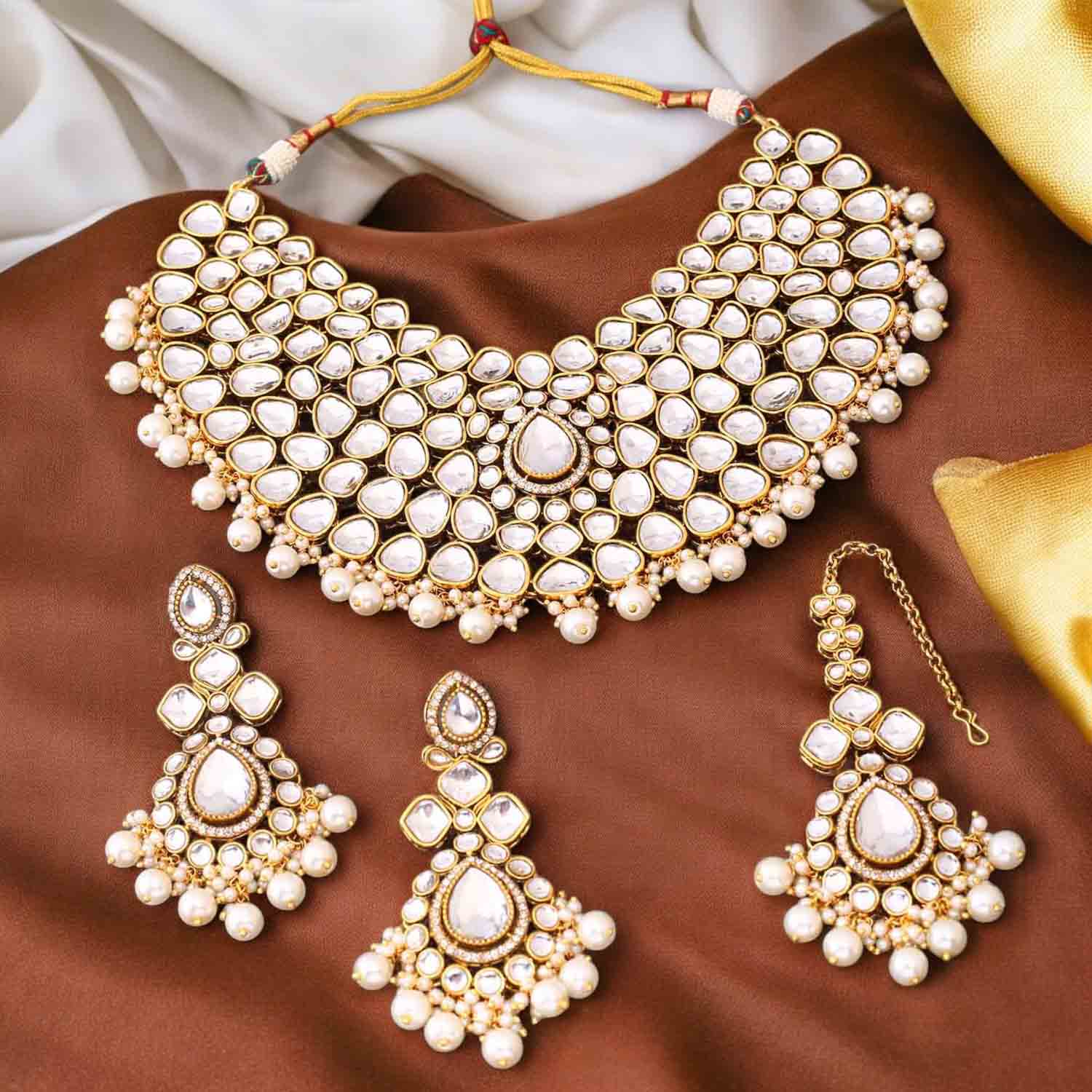 Trending
Kundan Sets
North Indian style combining gold base with uncut diamonds and colored stones. Requires specialized setting techniques. Premium pieces cost ₹1500-2500 per gram including stone costs.
Budget Planning & Pricing
Gold jewellery budgeting requires understanding three cost components: gold rate, making charges, and stone costs. Current gold rates fluctuate daily, but making charges remain negotiable based on design complexity and vendor relationships. Smart buyers separate these costs to identify genuine value propositions.
Hidden costs often surprise first-time buyers when final bills arrive. Wastage charges (typically 8-12%) get added to compensate for gold lost during crafting, while certification fees and packaging costs appear as separate line items. Established jewellers quote comprehensive pricing upfront; those adding surprise charges later typically operate unethically.
Seasonal pricing patterns affect both gold rates and making charges significantly. Mumbai's Akshaya Tritiya festival sees 20% higher footfall with correspondingly inflated prices, while monsoon months offer substantial savings for patient buyers. Understanding these cycles enables strategic purchase timing for maximum value.
Insurance and storage costs add ongoing expenses that many couples overlook initially. Bank lockers cost ₹3000-8000 annually depending on city and size, while comprehensive insurance premiums run 0.3-0.5% of jewellery value annually. Factor these costs into long-term ownership calculations, especially for high-value collections. Happiffie's Reverse Auction connects buyers with verified jewellers offering competitive comprehensive pricing.
Budget-Friendly
Essential bridal set with simple designs
Best for intimate ceremoniesMid-Range
Complete traditional set with decorative elements
Most popular choicePremium
Elaborate temple or Kundan jewellery with precious stones
For grand celebrations💰 Money-Saving Tips
- Book during off-season for better rates.
- Use Happiffie's Reverse Auction for competitive quotes.
- Negotiate package deals for better value.
Frequently Asked Questions
These questions address common concerns from couples planning their jewellery purchases for weddings and special occasions across India.
Final Thoughts
Gold jewellery purchases represent both emotional investment and financial commitment that affects families for generations. The difference between informed buying and impulse purchases often amounts to ₹50,000-100,000 in unnecessary costs or quality compromises that become apparent only years later when repairs or resales become necessary.
Commit to verifying purity through independent testing before making any payment above ₹25,000. The biggest mistake couples make involves trusting verbal assurances about gold quality without demanding documentation. Verified purity certificates and detailed invoices protect your investment and enable future modifications or insurance claims when circumstances change.
Smart jewellery buying requires patience, research, and leverage through platforms like Happiffie that connect you with verified vendors competing for your business. The gold jewellery market rewards informed buyers who understand purity standards, timing strategies, and negotiation tactics while penalizing those who purchase emotionally without proper due diligence.
Ready to Get Started?
Let Happiffie help you find the perfect jewellery vendors for your wedding.
Are you a Vendor? Grow Your Business with Happiffie!
- High intent verified leads
- Reverse auction opportunities
- AI business tools & insights
- Dedicated vendor dashboard
- Grow your business, your way
It's free & takes less than 2 minutes!