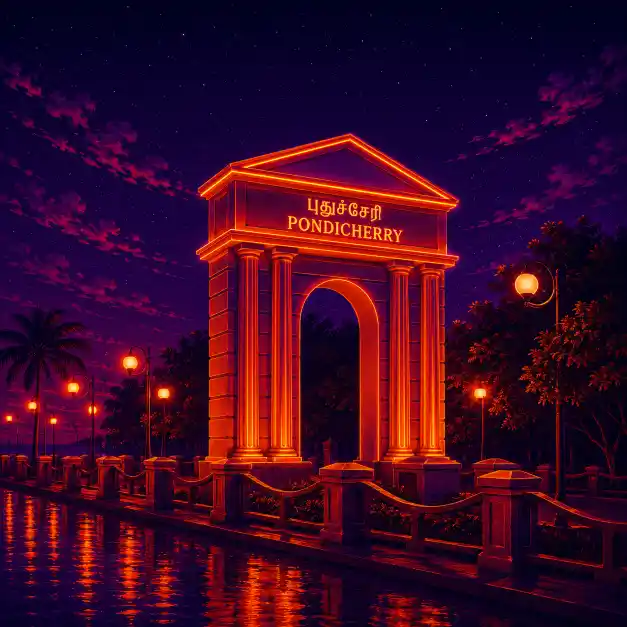
Cultural-Festival-Events in bengaluru
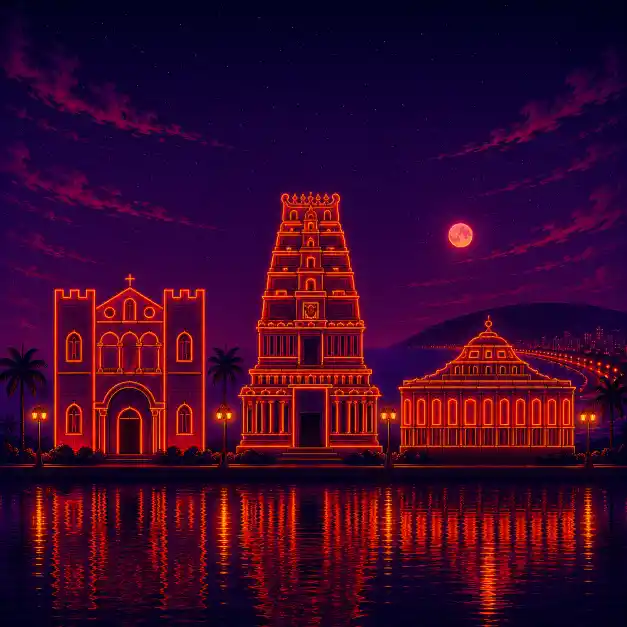
Bengaluru's rich cultural tapestry comes alive through vibrant festival celebrations that honor Karnataka's diverse heritage… more

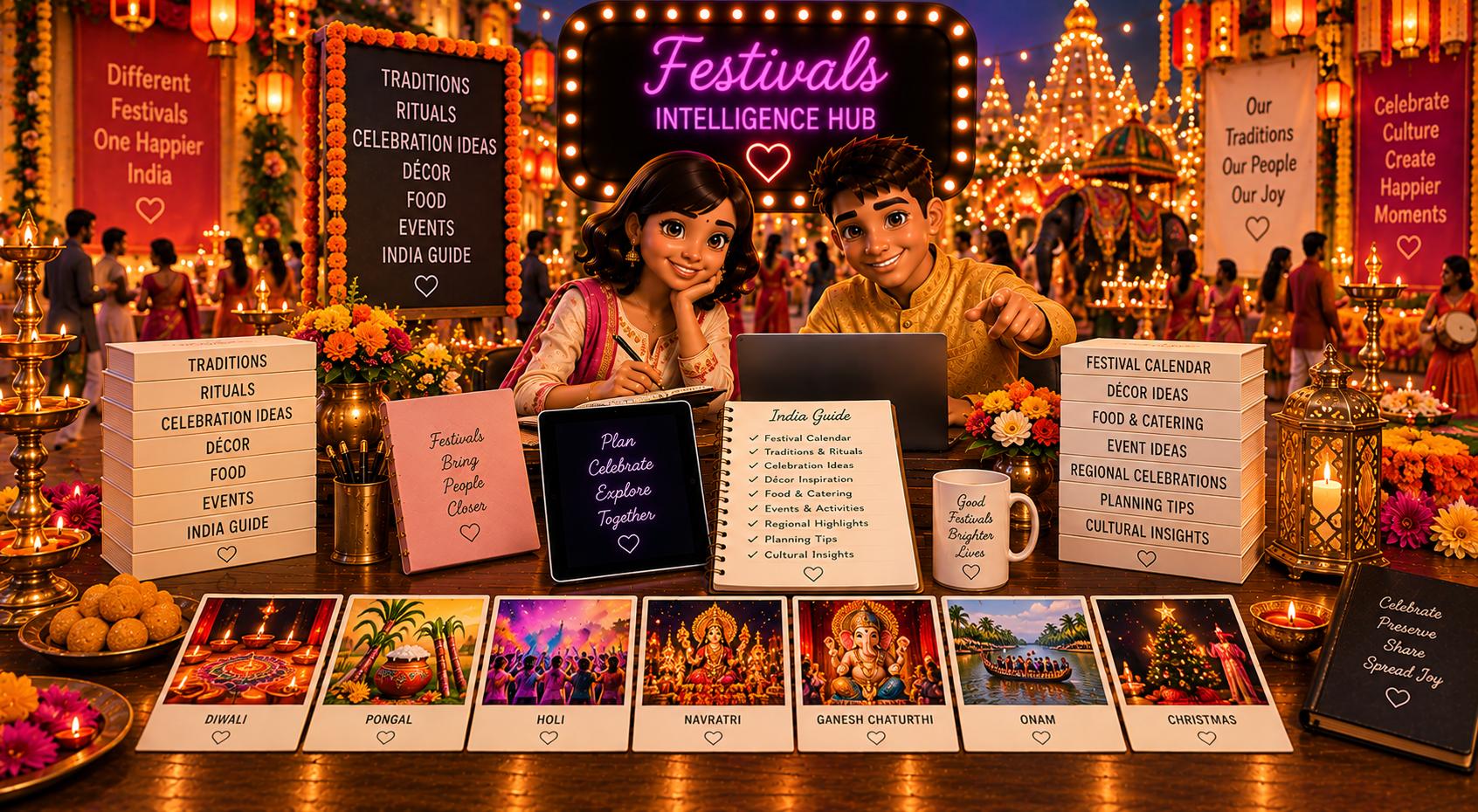 Looking for festival inspiration? Planning a festive celebration?
 Ideas, inspiration and expert insights for Indian festivals, traditions, rituals, décor, food, gifting, family celebrations and meaningful cultural experiences.
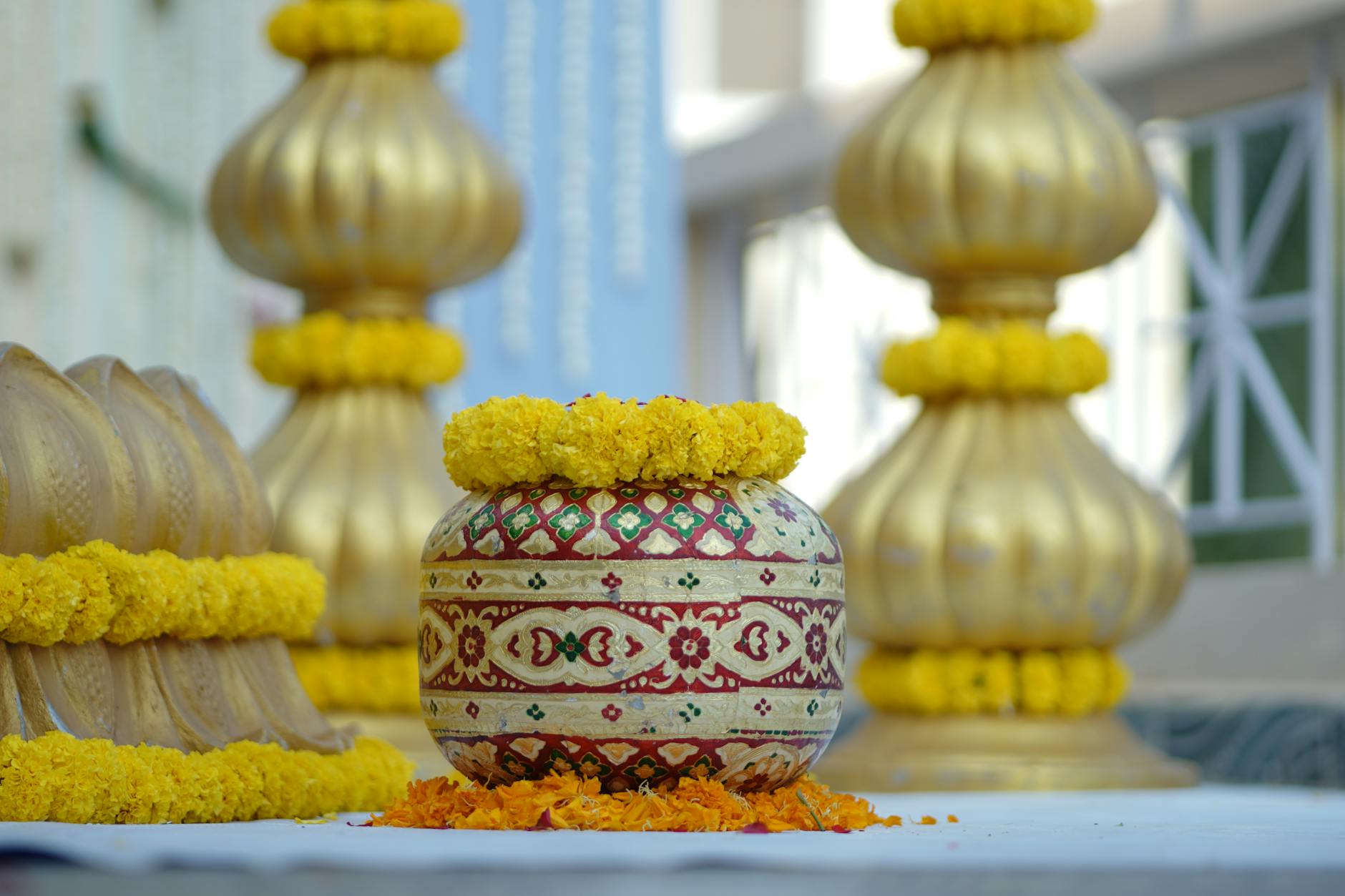
Bengaluru's rich cultural tapestry comes alive through vibrant festival celebrations that honor Karnataka's diverse heritage… more
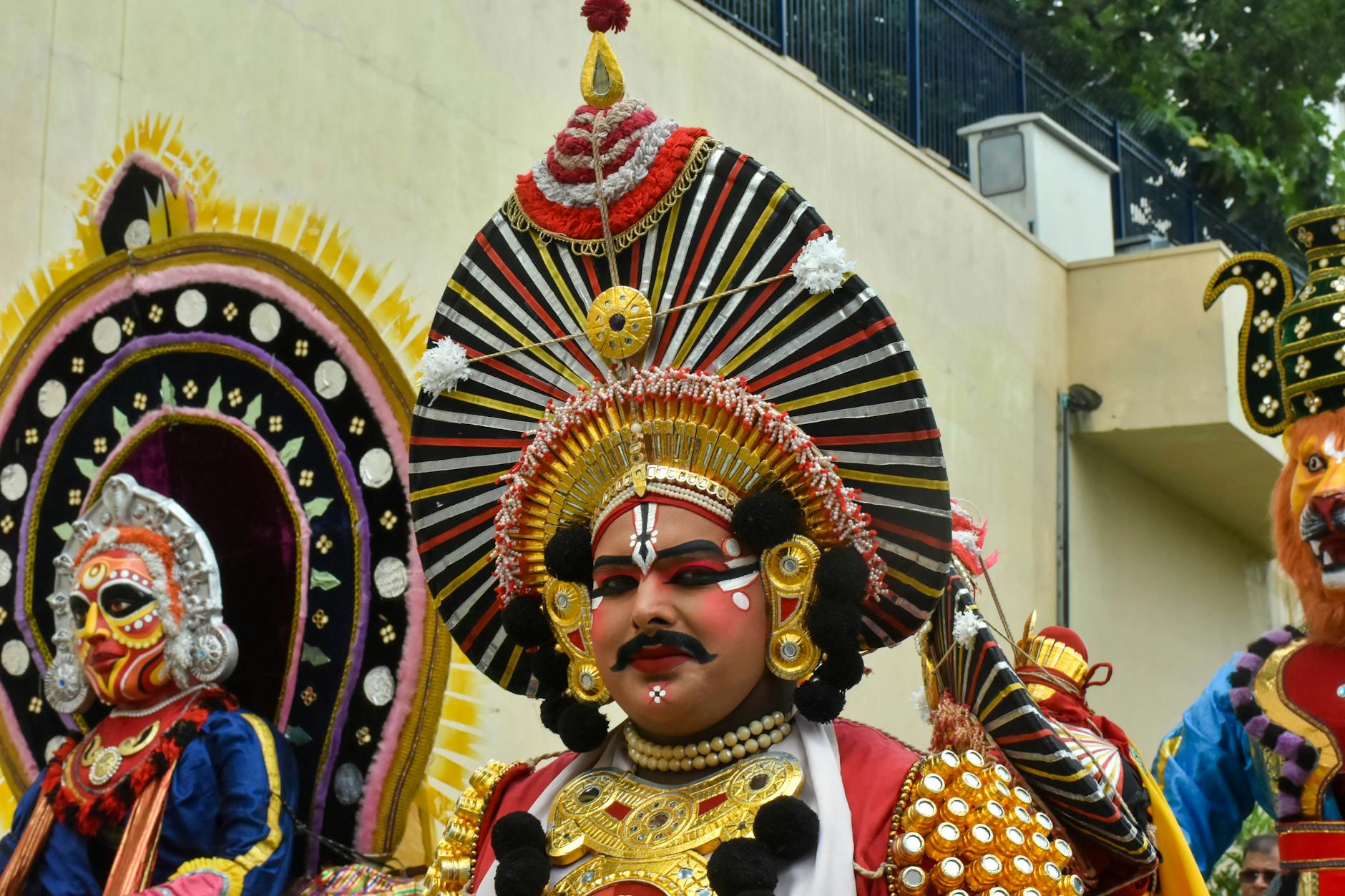
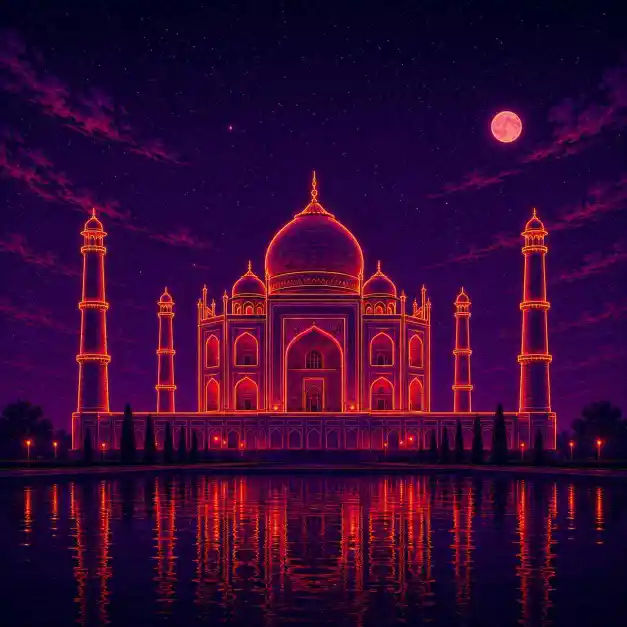
Bengaluru's cultural landscape is as diverse as its tech ecosystem, making the selection of cultural… more
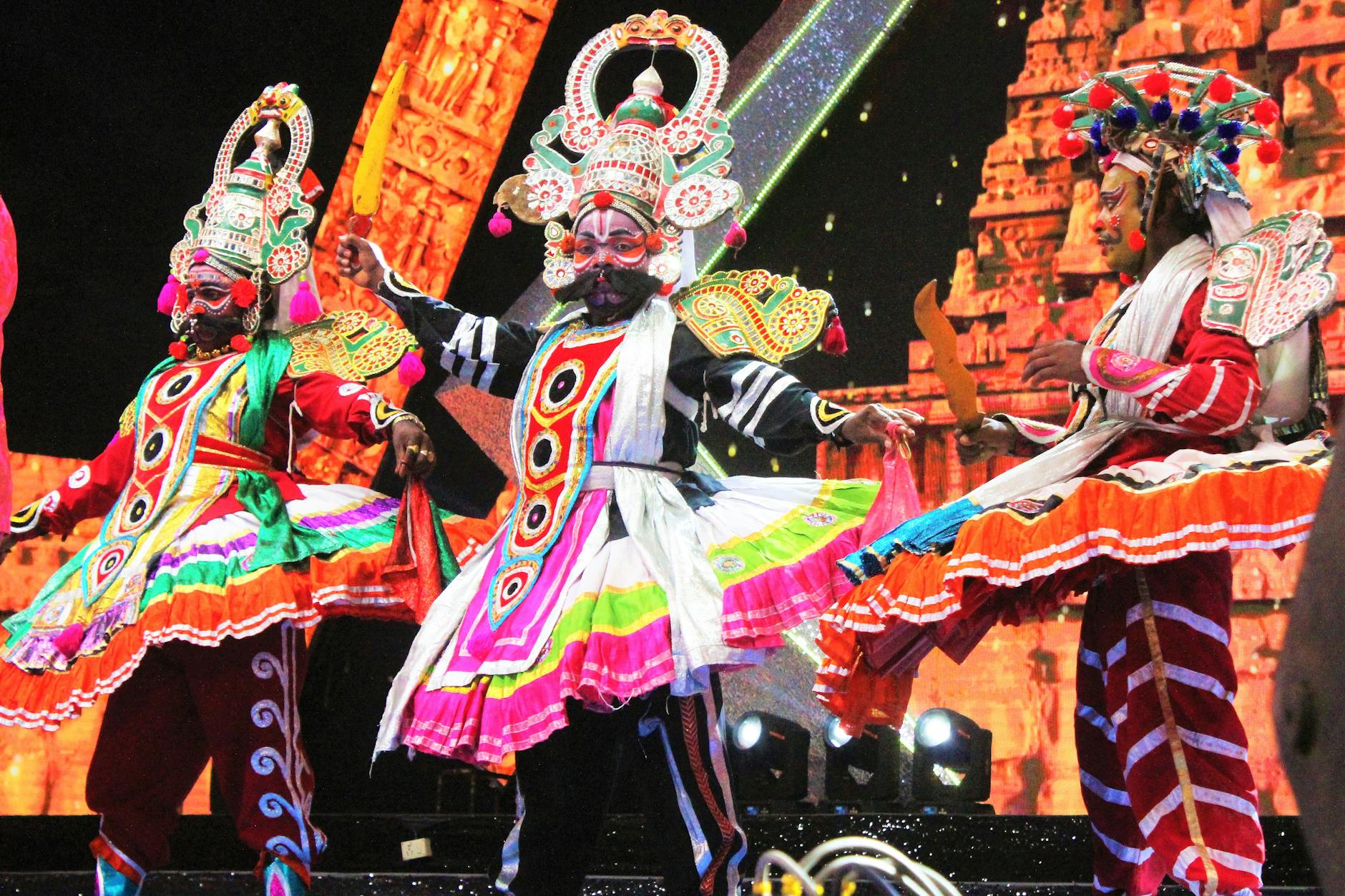
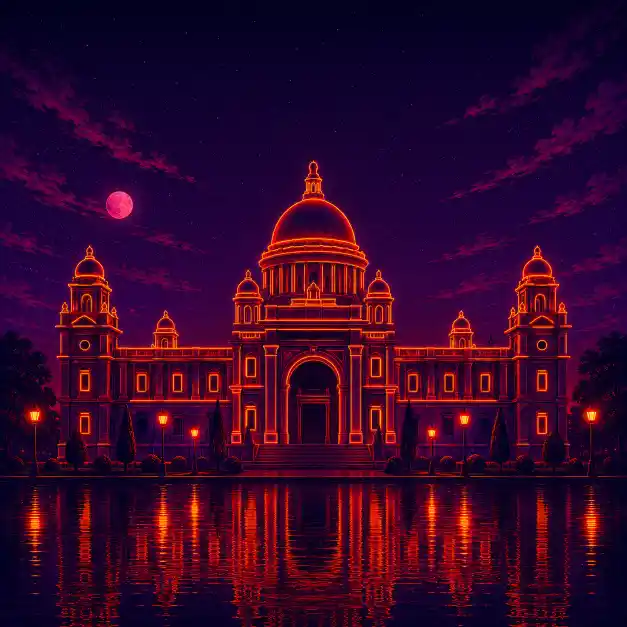
Bengaluru's vibrant cultural landscape offers endless opportunities for hosting spectacular outdoor cultural festivals that celebrate… more
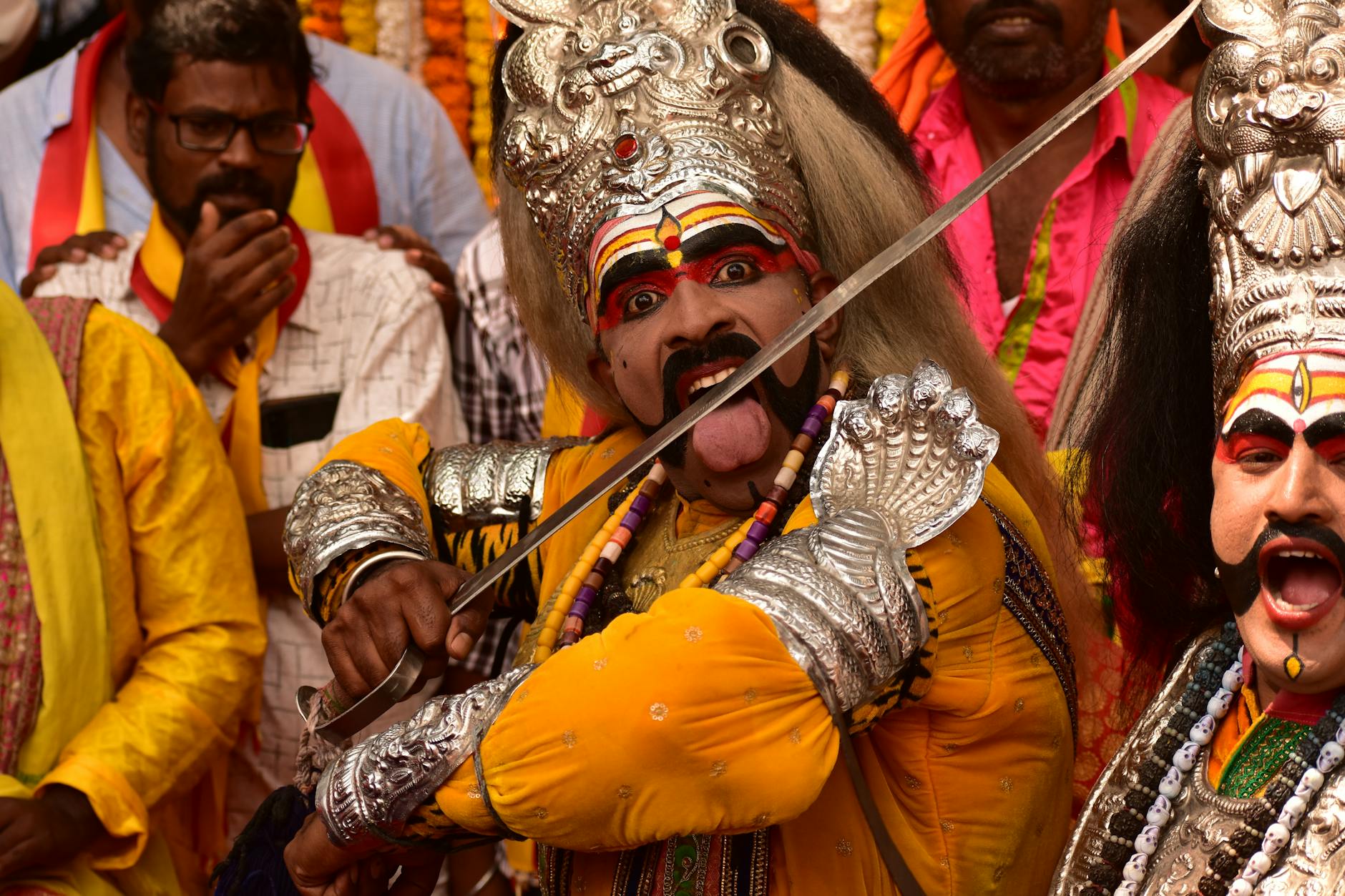
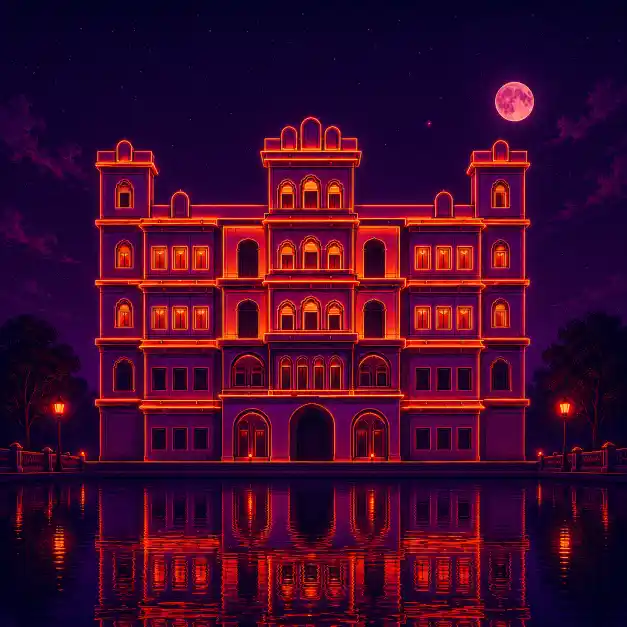
Bengaluru's vibrant cultural landscape offers endless opportunities to celebrate India's rich traditions through spectacular festival… more
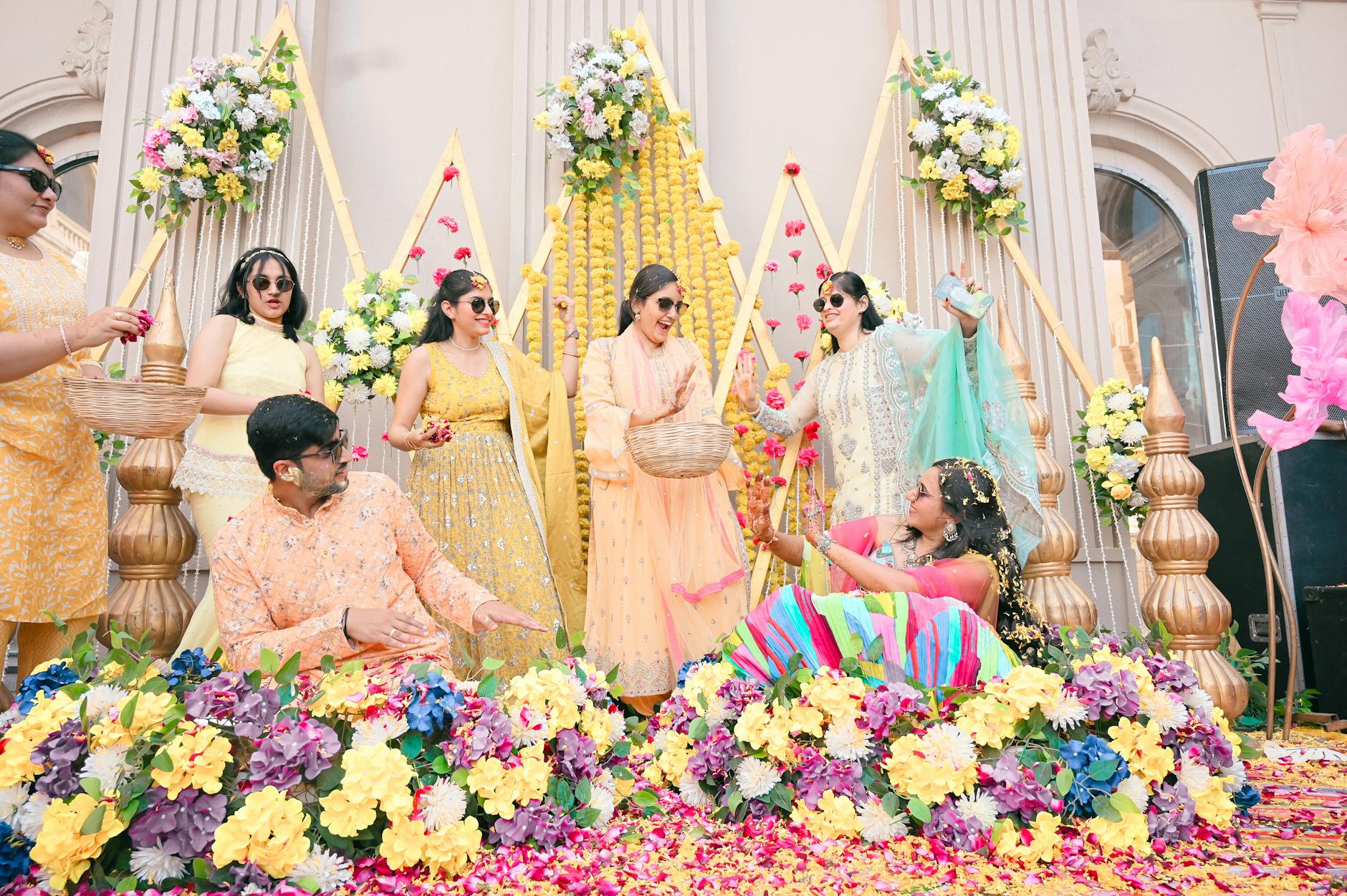
Bengaluru's rich cultural tapestry provides the perfect backdrop for hosting memorable festival celebrations that honor… more
Get the latest festival ideas, traditional rituals, celebration inspiration, décor trends, festive food, gifting ideas and cultural experiences straight to your inbox.

Festivals bring people together through traditions, rituals, food, music, family gatherings and shared experiences. Across India, every festival has its own history, customs and ways of celebration, creating a rich calendar of cultural and religious occasions throughout the year.
From Diwali and Holi to Pongal, Onam, Navratri, Durga Puja, Ganesh Chaturthi, Eid and Christmas, festivals provide countless opportunities to celebrate with family, friends, neighbours and communities.
Modern celebrations are also evolving. Families are combining traditional rituals with contemporary décor, curated food experiences, festive gifting, creative activities and memorable event concepts.
This guide explores Indian festival traditions, celebration ideas, décor, food, gifting, family activities and event inspiration to help make every festive occasion more meaningful.
India's festivals reflect the country's diverse cultures, languages, traditions and communities.
Some festivals are primarily religious, while others have strong seasonal, agricultural, regional or cultural significance.
Festivals can be celebrated at home, in temples, community spaces, schools, workplaces, hotels and public venues.
The style of celebration can also vary considerably between regions. The same festival may have different foods, rituals, decorations and customs depending on the community and location.
Understanding these differences makes festival planning more meaningful and helps preserve the cultural character of each occasion.
Diwali is one of India's most widely celebrated festivals and is associated with lights, family gatherings, traditional rituals, sweets and festive decorations.
Homes are often decorated with diyas, lamps, rangoli and flowers. Families may come together for prayers, meals and exchanging gifts.
Modern Diwali celebrations can include elegant home décor, festive dinners, cultural activities and personalized gifting.
Corporate and community Diwali events can also feature traditional performances, themed décor, festive food experiences and employee or guest activities.
The strongest Diwali celebrations combine visual beauty with the warmth of family and community.
Holi is known for colour, music, food and joyful social gatherings.
Modern Holi events can range from intimate family celebrations to large community and corporate gatherings.
Music, dance, traditional food, colour-based activities and festive décor can create an energetic atmosphere.
When organizing larger Holi events, guest comfort and appropriate event arrangements should be considered carefully.
A well-planned celebration can preserve the playful spirit of Holi while creating an enjoyable experience for everyone.
Pongal is an important harvest festival celebrated particularly in Tamil Nadu and by Tamil communities around the world.
Traditional celebrations can include kolam, Pongal cooking, sugarcane, family gatherings, cultural activities and festive meals.
Modern Pongal events can bring these traditions into workplaces, schools, residential communities and larger cultural gatherings.
Traditional décor, folk performances, regional food and interactive activities can help create an authentic festive atmosphere.
Pongal celebrations are especially meaningful when they connect contemporary gatherings with the agricultural and cultural traditions behind the festival.
Onam is celebrated with distinctive traditions, floral designs, food and cultural activities.
The pookalam is one of the most recognizable visual elements of the celebration. Traditional meals and cultural performances can also become central parts of an Onam gathering.
Community and corporate Onam celebrations can include traditional décor, cultural programs, games and curated festive dining.
The combination of visual design, food and cultural participation makes Onam particularly suitable for immersive celebrations.
Navratri is celebrated in different ways across India, with regional traditions influencing music, dance, rituals and food.
Garba and Dandiya celebrations are especially popular in many parts of the country.
Events can range from community gatherings to large-scale cultural programs with music, dance, décor and traditional attire.
Dussehra also carries different regional traditions and forms of celebration.
Festival events should respect the cultural significance of these occasions while creating an engaging environment for participants.
Ganesh Chaturthi brings together religious devotion, community participation, decoration and cultural activities.
Homes and public spaces may feature beautifully decorated Ganesh idols and themed arrangements.
Community celebrations can include cultural programs, devotional activities, music and shared meals.
Modern décor can complement traditional elements without taking away from the spiritual character of the celebration.
Family gatherings can also incorporate traditional food, creative decoration and activities that help younger generations connect with the festival.
Durga Puja is an important cultural and religious celebration, particularly associated with West Bengal and communities across India.
Large public celebrations often feature elaborately designed pandals, artistic installations, cultural performances and community gatherings.
Food and social interaction are also an important part of the experience.
Modern Durga Puja events continue to explore creative design while maintaining traditional and cultural elements.
For community celebrations, thoughtful planning of visitor flow, hospitality and event programming can make the experience more comfortable and engaging.
Janmashtami celebrations often combine devotional traditions, music, decorations and community participation.
Homes, temples and community venues can be decorated with flowers, traditional elements and themed displays.
Children's activities can introduce younger participants to stories and traditions associated with the festival.
Cultural performances, devotional music and traditional food can create a meaningful celebration.
The celebration can be adapted for homes, schools, residential communities and larger cultural programs.
Raksha Bandhan is centred around the bond between siblings.
Family gatherings, traditional rituals, sweets and gifting are common parts of the occasion.
Modern celebrations can include personalized gifts, family meals, memory photographs and small home gatherings.
The emotional character of Raksha Bandhan means that the simplest celebrations can often be the most meaningful.
Eid celebrations bring together family, community, traditional food, prayers, hospitality and festive gatherings.
Homes can be prepared with elegant décor, while families may organize meals and visits with relatives and friends.
Festive gifting and traditional sweets can also become part of the celebration.
Community and corporate celebrations can incorporate culturally appropriate food, hospitality and social experiences while respecting the significance of the occasion.
Christmas celebrations can range from intimate family gatherings to large community and corporate events.
Christmas trees, lights, ornaments, music, festive food and gifting contribute to the atmosphere.
Corporate Christmas parties can include themed décor, entertainment, games, employee activities and festive dining.
Families may choose home celebrations, special meals, church gatherings or destination experiences.
The visual possibilities of Christmas make it particularly suitable for creative décor and immersive festive environments.
Makar Sankranti is celebrated across India with different regional customs and traditions.
Kite flying, traditional foods, family gatherings and cultural activities are associated with the festival in various regions.
Celebration ideas can incorporate regional food, traditional décor and community activities.
As with other Indian festivals, local customs should guide the way the occasion is presented.
Several Indian New Year festivals are celebrated according to regional traditions.
Ugadi, Gudi Padwa and Vishu each have their own customs, foods, rituals and cultural significance.
Family gatherings can include traditional meals, home decorations and festive rituals.
Community and workplace celebrations can introduce colleagues to regional traditions through food, décor, cultural presentations and activities.
These occasions are excellent opportunities to celebrate India's regional diversity.
Baisakhi is an important harvest and cultural festival, particularly associated with Punjab.
Harvest festivals across India reflect the agricultural heritage of different regions.
Celebrations can include traditional food, music, dance, cultural performances and community gatherings.
Corporate and community events can incorporate regional cultural experiences while ensuring that the traditions remain central to the celebration.
Rituals are an important part of many Indian festivals.
Lighting lamps, offering prayers, preparing traditional foods, creating rangoli or kolam, decorating homes and gathering with family are examples of practices associated with different occasions.
The exact ritual varies according to the festival, region, community and family tradition.
When planning a festival event, cultural authenticity should take priority over decoration alone.
A celebration becomes more meaningful when guests understand and participate respectfully in the traditions behind it.
Festival décor can transform a home, venue or community space.
Flowers, diyas, lanterns, rangoli, kolam, fabric, traditional artwork and lighting can create a festive atmosphere.
Contemporary celebrations may combine traditional elements with modern design.
For example, a Diwali gathering could use elegant lighting and floral installations, while a Pongal event could feature traditional kolam and agricultural motifs.
The best décor reflects the identity of the festival rather than using generic decoration.
Food is one of the strongest ways festivals connect generations.
Different occasions have distinctive sweets, snacks, meals and regional specialties.
Festival menus can be designed around traditional family recipes or curated to showcase regional cuisine.
For larger celebrations, live counters and interactive food experiences can make dining more engaging.
Food presentation can also contribute to the visual experience through traditional serving styles, themed counters and carefully designed dessert displays.
Gifting is an important part of many festive occasions.
Traditional sweets, dry fruits, handcrafted products, personalized gifts, home décor and curated hampers can all make thoughtful festive presents.
Corporate gifting often focuses on useful, premium or customized options that reflect the organization's relationship with employees, clients or partners.
Personalized packaging can make even a simple gift feel more special.
The best festive gifts are usually selected with the recipient and occasion in mind rather than chosen purely for appearance.
Festivals provide excellent opportunities for family participation.
Children can take part in age-appropriate craft activities, traditional decoration, storytelling, cooking and cultural games.
Families can also create traditions of their own, such as preparing a special meal together, decorating the home or documenting the celebration through photographs.
These activities can help younger generations understand the meaning behind festivals while creating lasting family memories.
Schools and residential communities often organize festival celebrations that bring people together.
Cultural performances, traditional food, decoration competitions, storytelling, music and educational activities can create engaging experiences.
School celebrations should focus on age-appropriate cultural learning and participation.
Community events can include multiple activities and food experiences while providing comfortable spaces for families to interact.
Festivals can also become important moments for workplace engagement.
Companies may organize Diwali celebrations, Christmas parties, Pongal events, Onam gatherings, Holi celebrations and other culturally relevant occasions.
Corporate festival events can include décor, traditional food, employee activities, cultural performances, gifting and entertainment.
The format should reflect the organization's culture while creating an inclusive environment for employees from different backgrounds.
Home celebrations can be simple without losing their festive character.
Entrance decorations, lamps, flowers, rangoli, kolam, festive table settings and small display areas can create a warm atmosphere.
Families can also reuse décor elements across multiple occasions, making celebrations more practical and sustainable.
Personal photographs, traditional artwork and handmade decorations can add a more personal touch.
Introducing children to festivals can combine learning with creativity.
Storytelling, crafts, traditional food preparation, decoration activities and age-appropriate games can make festivals more engaging.
Parents can explain the meaning and traditions behind each occasion in a simple way.
This helps children experience festivals as cultural celebrations rather than simply holidays or opportunities for gifts.
Music and cultural performances can add energy to festival events.
Traditional dance, folk performances, live music and storytelling can help audiences experience regional culture.
Modern entertainment can also be included where appropriate, particularly for corporate and community events.
The key is to maintain a connection with the festival while designing entertainment that suits the audience.
A practical festival celebration checklist can include:
Starting early gives families, communities and organizations more time to prepare meaningful experiences.
Festival traditions can vary significantly between Indian cities and regions.
Chennai offers strong opportunities for Pongal, Tamil cultural celebrations, Diwali, Navratri and other traditional occasions.
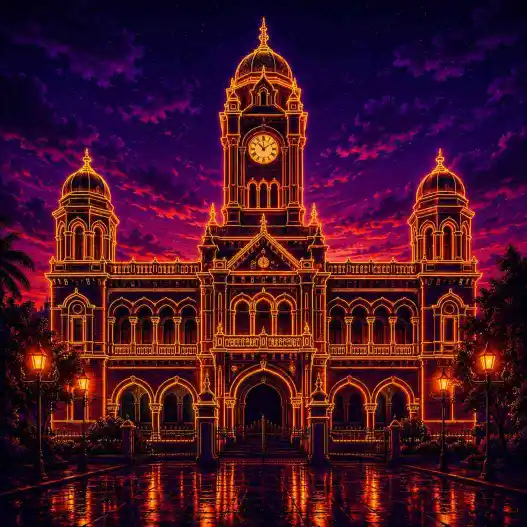
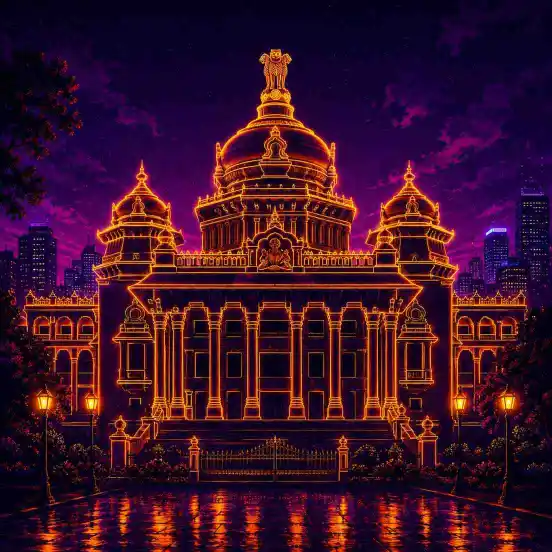
Bengaluru combines regional traditions with contemporary community, corporate and residential celebrations.
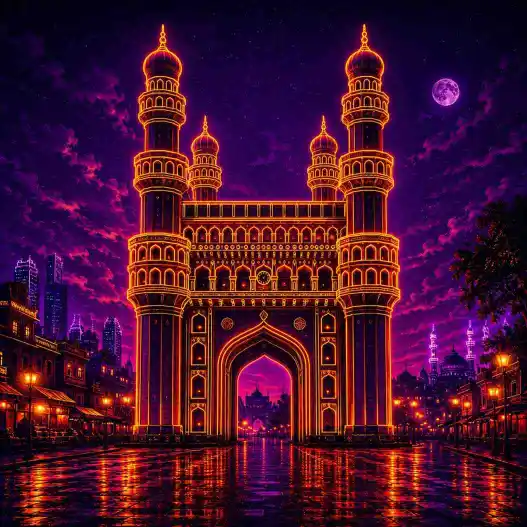
Hyderabad offers distinctive celebrations influenced by Telugu, Deccani and wider Indian traditions.
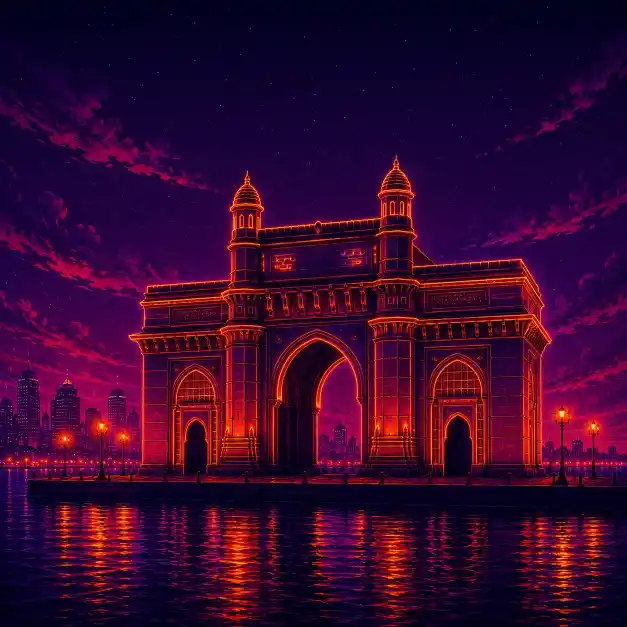
Mumbai is known for large-scale public and community celebrations alongside family and corporate festive events.
Delhi provides a diverse festival calendar reflecting traditions from across India.
Kolkata has a particularly strong cultural association with Durga Puja and other Bengali celebrations.
Jaipur and other Rajasthan destinations offer opportunities to experience festivals through traditional architecture, cultural performances and heritage settings.
Kerala provides distinctive celebrations such as Onam and Vishu, while many regions across India have their own seasonal and cultural festivals.
Festivals can also be celebrated more thoughtfully by considering waste, materials and resource consumption.
Reusable décor, digital invitations, thoughtful food planning and reusable serving materials can help reduce unnecessary waste.
Families can choose durable decorations that can be used for multiple occasions.
Festive gifting can also focus on useful, locally produced or thoughtfully selected products.
Sustainability does not mean reducing the joy of a celebration. It can simply mean making more conscious choices while preserving the traditions that matter.
Today's festival celebrations are increasingly combining tradition with contemporary experiences.
Digital invitations, personalized gifting, interactive activities, themed décor, curated dining and cultural entertainment can create new ways to experience familiar occasions.
Technology can also help communities communicate schedules, coordinate attendees and share event information.
The important principle is balance. Modern additions should enhance the celebration without replacing the cultural identity of the festival.
Festivals become more meaningful when people participate together.
Family traditions, community gatherings and cultural activities create opportunities to share stories and experiences across generations.
A beautifully decorated venue may create visual impact, but shared meals, conversations, rituals and participation are what often remain in people's memories.
Planning should therefore focus on people as much as décor and entertainment.
India's festivals represent an extraordinary combination of culture, tradition, family and celebration.
From Diwali and Holi to Pongal, Onam, Navratri, Ganesh Chaturthi, Durga Puja, Janmashtami, Eid, Christmas and regional harvest festivals, every occasion offers its own traditions and opportunities for meaningful experiences.
Whether you are planning a family celebration, community festival, school event, corporate gathering or cultural program, thoughtful planning can help preserve traditions while creating memorable modern experiences.
Explore festival traditions, celebration ideas, décor inspiration, festive food, gifting concepts, family activities and cultural experiences with Happiffie.
Celebrate every festival with creativity, respect and togetherness—and discover new ways to make India's rich traditions part of unforgettable experiences.