
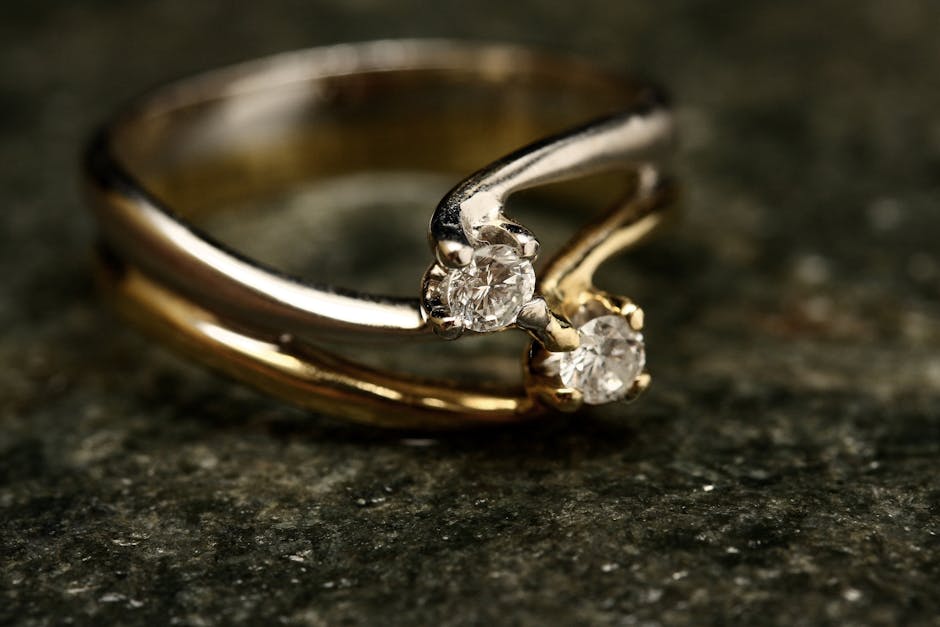
Engagement Ring Buying Guide: Gold, Diamond & Platinum Explained
The Complete Guide to Choosing the Perfect Engagement Ring in India - Materials, Budget & Style Tips
A Mumbai couple recently spent ₹2.8 lakhs on what they thought was an 18-karat gold engagement ring, only to discover it was 14-karat with questionable diamond clarity. The engagement ring purchase represents one of the most emotionally charged yet technically complex decisions couples face before their wedding journey begins.
Indian couples navigate a maze of gold purity standards, diamond certifications, and platinum pricing while balancing family expectations with personal preferences. Unlike Western markets, Indian buyers must consider cultural significance alongside investment value, making the decision even more layered and challenging for first-time buyers.
This comprehensive guide breaks down gold, diamond, and platinum options with real pricing, quality indicators, and decision frameworks. From understanding hallmarks to negotiating with jewelers, we'll help you choose confidently while leveraging Happiffie's vendor network for verified jewelers and competitive pricing.
📋 Table of Contents
Understanding Ring Materials
Gold dominates the Indian engagement ring market because it's culturally auspicious and holds resale value. However, pure 24-karat gold is too soft for daily wear, making 18-karat (75% gold) the practical sweet spot for engagement rings. Most Chennai jewelers stock 18K and 22K options, with 18K offering better durability for intricate designs.
Diamonds entered Indian engagement traditions through Bollywood influence and urban lifestyle shifts in the 2000s. A Bangalore techie couple might choose a solitaire diamond setting for its modern appeal, while a traditional family in Hyderabad prefers gold with small diamond accents. The key difference lies in diamond quality grades—cut, clarity, color, and carat weight—which dramatically affect pricing.
Platinum gained traction among Indian couples earning above ₹15 lakhs annually because it's naturally white, hypoallergenic, and doesn't tarnish like white gold. A Delhi investment banker chose platinum for his fiancée's sensitive skin, paying 40% more than equivalent gold but avoiding the rhodium replating costs that white gold requires every two years.
The biggest mistake couples make is choosing material based on appearance alone rather than lifestyle compatibility. An active Mumbai marketing executive wearing a delicate 22K gold ring will see scratches within months, while her friend's 18K platinum-gold combination stays pristine through gym sessions and travel. Consider your daily routine before falling in love with a design.
 Hiya
HiyaPro Tip: Always ask for hallmarking certificates. BIS-certified gold ensures purity, while GIA or IGI certificates verify diamond quality—never buy without them.
Key Factors to Consider
Ring size fluctuates with weather, weight changes, and pregnancy, making proper sizing crucial for long-term comfort. Indian jewelers typically offer free resizing within six months, but complex designs with full diamond bands can't be altered easily. A Pune bride discovered this after gaining weight during wedding planning—her intricate band couldn't be resized without destroying the pattern.
Certification separates authentic jewelry from overpriced replicas in India's unregulated market. BIS hallmarking for gold, GIA or IGI certification for diamonds, and platinum purity marks ensure you're paying for actual quality. A Kolkata couple saved ₹80,000 by insisting on certified stones versus accepting verbal quality assurances from their family jeweler.
Lifestyle compatibility determines whether your ring survives daily wear or becomes a special-occasion piece. Healthcare professionals need smooth bands without protruding stones, while corporate executives can wear statement pieces. Consider your work environment, exercise habits, and skin sensitivity before choosing materials that might cause irritation or damage.
Budget allocation across the 4Cs (cut, clarity, color, carat) requires strategic thinking rather than emotional spending. Most verified jewelers recommend prioritizing cut quality over size, as a well-cut 0.7-carat diamond appears larger and more brilliant than a poorly cut 1-carat stone at similar pricing.
1. Ring Size & Fit
Indian ring sizes run smaller than international standards. Get sized at different times of day and consider climate changes. Proper fit allows slight rotation but won't slide off.
2. Metal Purity
18K gold offers the best durability-purity balance for daily wear. 22K is too soft for intricate settings, while 14K lacks the rich color Indian buyers prefer.
3. Diamond Certification
GIA and IGI certifications ensure accurate grading. Avoid uncertified stones regardless of price savings—quality claims without documentation mean nothing in resale.
4. Setting Security
Prong settings showcase diamonds beautifully but catch on clothing. Bezel settings offer better security for active lifestyles while reducing daily maintenance needs.
5. Maintenance Requirements
White gold needs rhodium replating every 2-3 years (₹2,000-5,000). Platinum develops a patina that some love, others hate. Factor ongoing costs into your decision.
Popular Ring Styles
Solitaire settings remain the most popular choice among urban Indian couples because they maximize diamond brilliance while offering timeless elegance. The single-stone design suits both traditional saris and western outfits, making it versatile for India's diverse fashion landscape. Most jewelers stock classic six-prong and four-prong options, with prices starting from ₹45,000 for 0.3-carat certified diamonds.
Halo settings gained popularity through celebrity influence and social media exposure, featuring a center diamond surrounded by smaller stones for enhanced sparkle. A Chennai software engineer chose a halo design to maximize visual impact within her ₹1.2 lakh budget, achieving a 1-carat appearance with a 0.6-carat center stone. However, halo rings require more frequent cleaning as small stones trap oils and lotions.
Traditional Indian designs incorporating temple motifs, paisley patterns, and antique finishes appeal to couples wanting cultural connection in their modern purchase. Bangalore jewelers report 30% higher demand for fusion designs that blend contemporary diamond settings with traditional gold work, especially among couples planning destination weddings that honor heritage.
Three-stone settings symbolically represent past, present, and future, resonating with Indian couples who value storytelling in their jewelry choices. The center stone typically measures 40-50% larger than side stones, creating visual balance while allowing budget flexibility through mixed diamond sizes or colored gemstone accents.
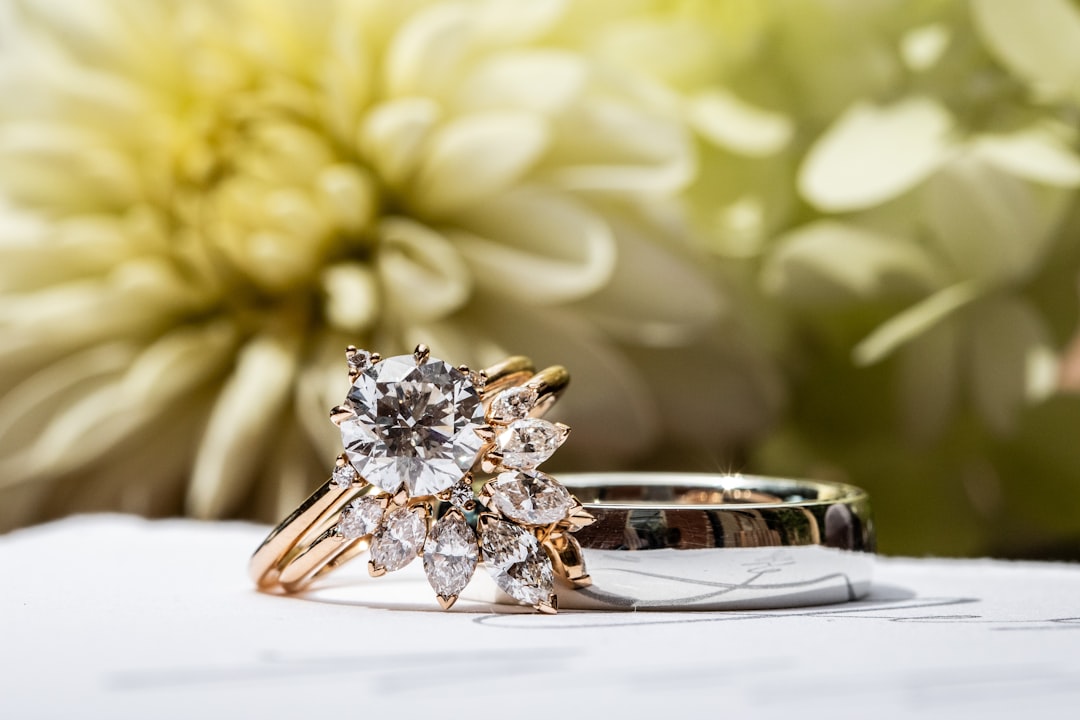 Most Popular
Solitaire Settings
Single diamond in classic prong setting. Timeless elegance, maximum brilliance, suits all occasions. Price range ₹45,000-8 lakhs depending on diamond quality and metal choice.
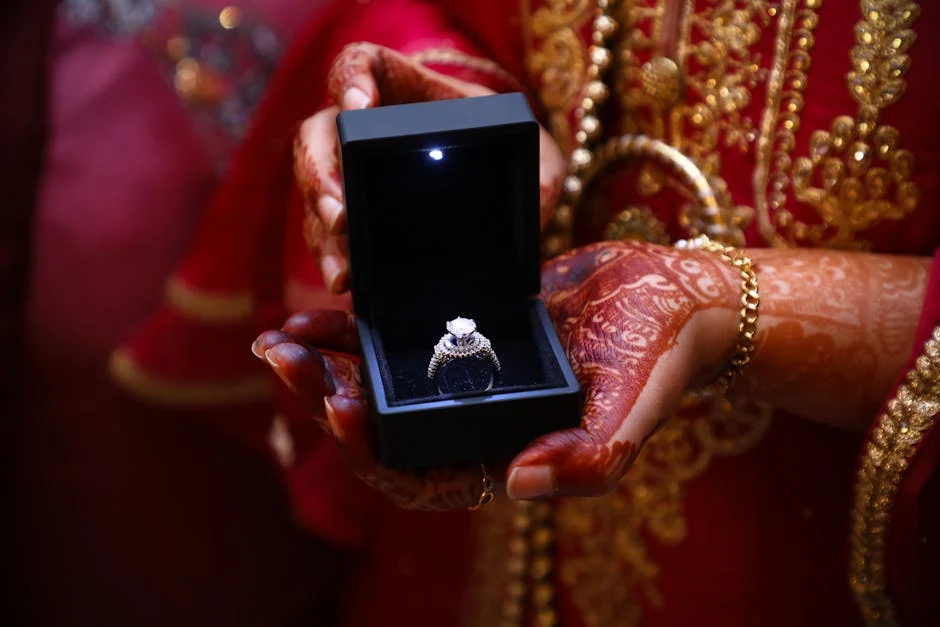 Heritage Pick
Traditional Fusion
Combines diamond settings with Indian motifs like temple designs or paisley patterns. Perfect for cultural ceremonies while maintaining modern appeal. Growing 30% annually in metro markets.
Budget Planning
Indian engagement ring budgets typically range from ₹30,000 to ₹5 lakhs, with most couples spending 2-4 weeks of combined monthly salary rather than following Western "two-month salary" rules. A Hyderabad IT couple earning ₹12 lakhs annually might allocate ₹80,000-1.2 lakhs, prioritizing certified diamonds over brand names to maximize value within their comfort zone.
Hidden costs catch first-time buyers off-guard, including making charges (8-15% of gold value), stone setting fees (₹500-2,000 per diamond), insurance premiums, and annual maintenance expenses. A Mumbai finance professional discovered his ₹75,000 ring required ₹12,000 in additional costs—certification, custom sizing, and protective insurance—bringing total investment to ₹87,000.
Timing purchases during off-season periods or festival discounts can yield 10-20% savings on identical products. Akshaya Tritiya and Diwali see heavy promotions, while January-March remains the quietest period for negotiation. Smart couples leverage multiple vendor quotes through platforms to ensure competitive pricing without compromising quality standards.
Diamond price allocation follows the 60-20-20 rule among savvy buyers: 60% on cut quality and certification, 20% on carat weight, 20% on color and clarity. This approach maximizes visual impact and resale value while avoiding the premium costs of flawless grades that naked eyes can't distinguish. Use Happiffie's Reverse Auction to get competitive quotes from certified jewelers nationwide.
Budget-Friendly
14K-18K gold with 0.2-0.5 carat certified diamonds. Simple solitaire or small halo settings with good cut quality.
Best for first-time buyersMid-Range
18K gold or platinum with 0.5-1 carat diamonds. Premium settings with certification and brand warranty included.
Most popular choicePremium
Platinum with 1+ carat diamonds, designer settings, premium certifications. Custom designs and luxury brand options.
For luxury buyers💰 Money-Saving Tips
- Shop during off-season months (January-March) for better negotiation power.
- Use Happiffie's Reverse Auction to get competitive quotes from multiple certified jewelers.
- Prioritize cut quality over size—a well-cut smaller diamond looks larger and more brilliant.
- Consider certified pre-owned rings from reputable dealers for 20-30% savings.
- Bundle with wedding bands for package discounts and matching metal consistency.
Frequently Asked Questions
These common questions address the practical concerns Indian couples face when choosing engagement rings, from budget allocation to quality verification.
Final Thoughts
The perfect engagement ring combines personal style with practical durability, certified quality with cultural significance. Indian couples who prioritize cut quality over carat size, insist on proper certifications, and consider lifestyle compatibility make purchases they'll treasure for decades rather than regret within months.
Commit to seeing certificates before falling in love with any design—this single decision separates smart buyers from emotional spenders. The biggest mistake couples make is trusting verbal quality claims over documented proof, leading to disappointment and financial loss when reality doesn't match expectations.
Smart couples leverage multiple vendor competition rather than accepting the first quote, typically saving 15-25% on identical specifications. Happiffie's network of verified jewelers and transparent pricing tools eliminate the guesswork and negotiation stress, letting you focus on choosing a ring that symbolizes your love story perfectly.
Ready to Find Your Perfect Ring?
Let Happiffie connect you with certified jewelers and competitive pricing.
Are you a Vendor? Grow Your Business with Happiffie!
- High intent verified leads
- Reverse auction opportunities
- AI business tools & insights
- Dedicated vendor dashboard
- Grow your business, your way
It's free & takes less than 2 minutes!