
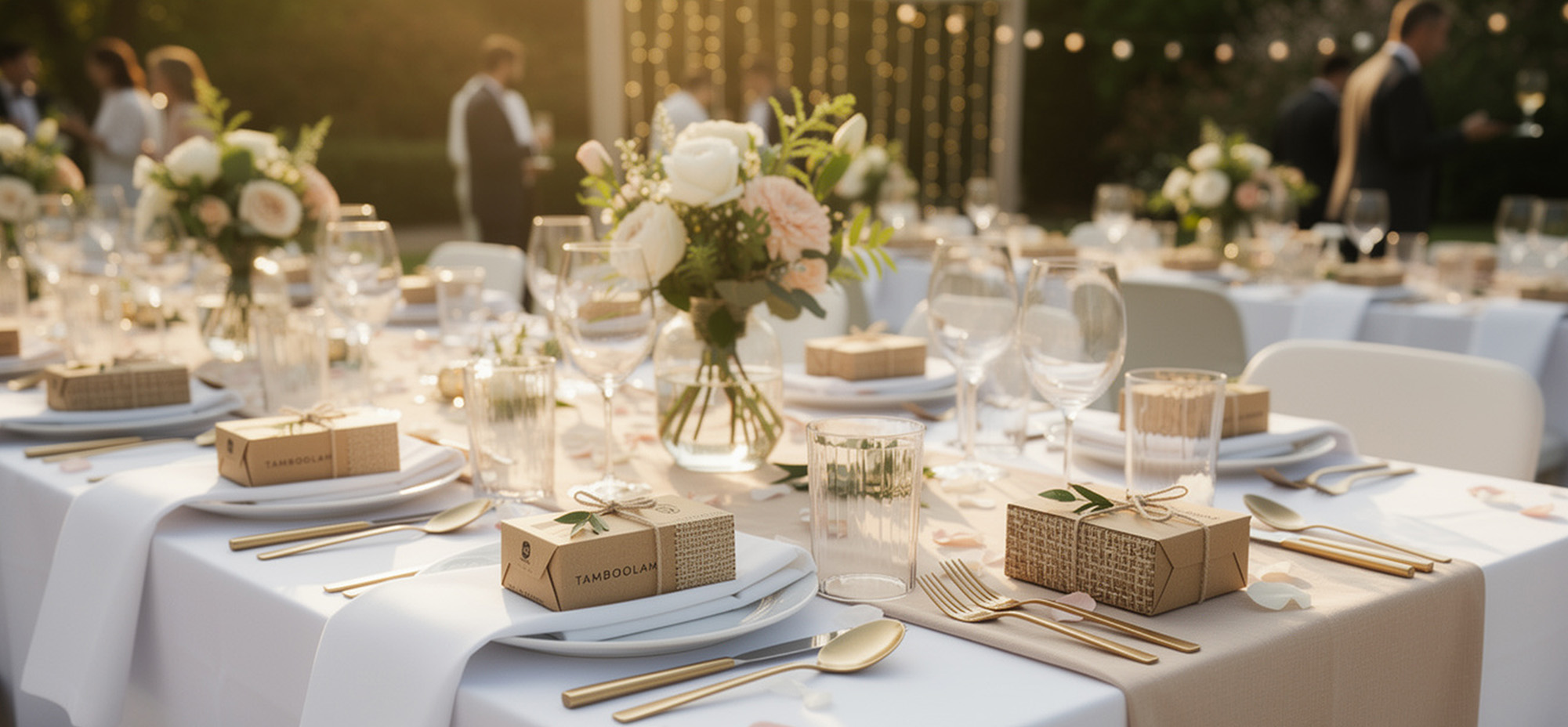
Best Eco-Friendly Tamboolam Gift Ideas for Modern Weddings
Sustainable Return Gift Ideas That Your Guests Will Actually Love and Use
Mumbai bride Priya spent ₹85,000 on 400 tamboolam boxes filled with plastic items and artificial flowers. Six months later, she discovered 60% ended up in building society trash bins within a week. Modern couples increasingly realize that traditional return gifts create more waste than memories, pushing eco-conscious alternatives into mainstream wedding planning conversations.
Indian weddings generate nearly 12 tons of waste per 300-guest function, with tamboolam contributing 15-20% through non-biodegradable packaging and single-use items. Bangalore venues report couples asking specifically for sustainable venue options that align with green gifting practices, especially during Chennai's scorching summer months when plastic items literally melt in car boots.
This guide reveals 25+ eco-friendly tamboolam ideas that guests actually appreciate and use, complete with realistic budgets, vendor sourcing strategies, and packaging solutions. We'll show how Happiffie's curated network helps couples source sustainable gifts without the usual trial-and-error vendor hunting that burns both time and money.
📋 Table of Contents
Why Eco-Friendly Tamboolam Matters Now
Post-2023 wedding planning shifted dramatically when Gen Z couples started questioning every expense through an environmental lens. Instagram stories showing tamboolam boxes in garbage dumps went viral, making eco-consciousness a social expectation rather than personal choice. Couples booking outdoor venues especially face guest scrutiny about sustainability practices throughout their celebration.
Delhi's wedding season runs October through February, generating 40% of the city's annual decorative waste. Venue managers report that eco-friendly weddings book 30% faster because suppliers prefer working with environmentally conscious couples who plan ahead rather than last-minute panic buyers. Smart couples leverage this preference to negotiate better rates and priority booking slots during peak season.
The practical benefits extend beyond environmental impact. Useful eco-gifts like organic honey or handmade soaps cost less per unit than decorative plastic items when sourced directly from artisan collectives. Pune-based couples save an average ₹25,000 on tamboolam by choosing plantable seed packets over imported artificial flowers, while creating genuine conversation starters among guests.
Wedding photographers notice eco-tamboolam creates better social media content because guests actually interact with living plants and edible treats, unlike posed shots with disposable items. This organic engagement translates to better wedding album moments and higher guest satisfaction scores when couples survey their attendees post-celebration.
 Hiya
HiyaPro Tip: Book eco-friendly vendors 4-6 months ahead - they're often small-scale artisans with limited capacity but incredible quality and pricing flexibility for advance orders.
Key Factors for Sustainable Return Gifts
Successful eco-tamboolam requires balancing guest expectations with practical sustainability goals. Chennai couples learned this lesson when gifting banana leaf-wrapped sweets during monsoon season - beautiful concept, but 40% molded within 2 days due to humidity. The key lies in matching eco-materials with local climate conditions and guest demographics rather than following Instagram trends blindly.
Vendor reliability becomes crucial when dealing with small-scale sustainable producers who often lack the inventory management systems of commercial gift suppliers. Hyderabad couples report 20% of organic honey suppliers couldn't fulfill promised quantities during wedding season peaks. Using Happiffie's vetted vendor network eliminates this risk through pre-verified capacity checks and backup sourcing arrangements.
Cultural acceptance varies significantly across Indian regions and age groups. Mumbai families embraced seed packets enthusiastically, while Kolkata relatives preferred traditional organic sweets over "experimental" plantable gifts. Smart couples blend modern eco-choices with familiar formats - organic kumkum in traditional containers rather than bamboo packaging that confuses older relatives.
Timeline planning differs drastically from conventional tamboolam sourcing. Handmade organic products require 45-60 days lead time versus 15 days for manufactured items. Couples booking February weddings must finalize eco-gifts by November to avoid compromising on quality or paying rush charges that inflate budgets by 35-40%.
1. Climate Compatibility
Match packaging materials to local weather conditions. Jute bags work in dry climates but develop odors in coastal humidity. Bamboo containers crack in extreme heat above 40°C. Test samples during your wedding season.
2. Guest Demographics
Consider age groups and cultural preferences. Tech-savvy guests love QR codes linking to plant care instructions, while traditional families prefer familiar formats. Balance modern values with generational respect for better reception.
3. Vendor Scalability
Artisan producers often can't fulfill large orders during peak season. Verify capacity early and identify backup suppliers. Small organic farms may promise 500 honey jars but struggle with consistent quality across batches.
4. Practical Utility
Guests keep items they'll actually use. Organic spices in reusable containers beat decorative planters they can't maintain. Survey close friends about preferences before committing to large quantities of untested eco-options.
5. Transportation Logistics
Eco-materials often require careful handling. Living plants need climate-controlled transport. Glass containers increase breakage risk. Factor additional packaging and shipping costs when comparing eco vs conventional options.
Popular Eco-Friendly Tamboolam Options
Plantable seed packets emerged as the runaway favorite among Delhi couples, with marigold and tulsi varieties showing 90% germination rates when sourced from certified organic suppliers. Guests appreciate the six-month growing journey that extends wedding memories, while couples save significantly compared to imported artificial flowers. The trick lies in choosing region-appropriate seeds that thrive in recipients' local climates without extensive care requirements.
Organic food items work exceptionally well when packaged thoughtfully in reusable containers. Bangalore couples discovered that small glass jars filled with homemade organic pickles, honey, or spice mixes cost ₹45-65 per unit but serve dual purposes as useful kitchenware. Professional event planners recommend coordinating with your caterer to create signature spice blends that reflect your wedding menu themes.
Handmade personal care products like organic soaps, lip balms, and essential oil roll-ons appeal to urban guests who prioritize chemical-free lifestyle choices. Chennai artisan collectives produce beautiful coconut oil-based soaps with natural fragrances for ₹30-50 per piece, often cheaper than commercial alternatives when ordered in bulk quantities exceeding 300 units.
Living plants in biodegradable pots create lasting impact but require careful vendor selection and guest education. Pune couples successfully gifted succulents with QR codes linking to care instructions, achieving 80% survival rates among recipients. The key lies in choosing low-maintenance varieties and providing proper growing medium that sustains plants through the initial transition period.
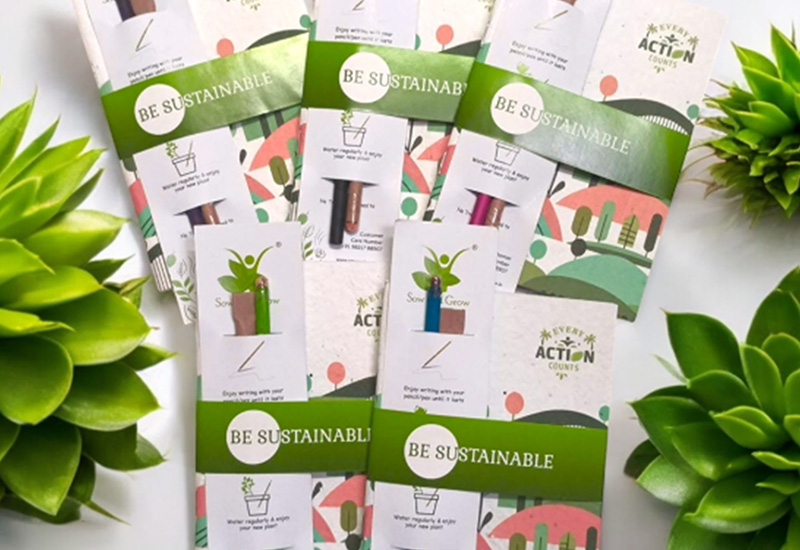 Most Popular
Plantable Seed Packets
Marigold, tulsi, or herb seeds in handmade paper envelopes. Guests love the 6-month growing journey. Cost: ₹25-40 per packet. Best for couples wanting lasting memories that grow with time.
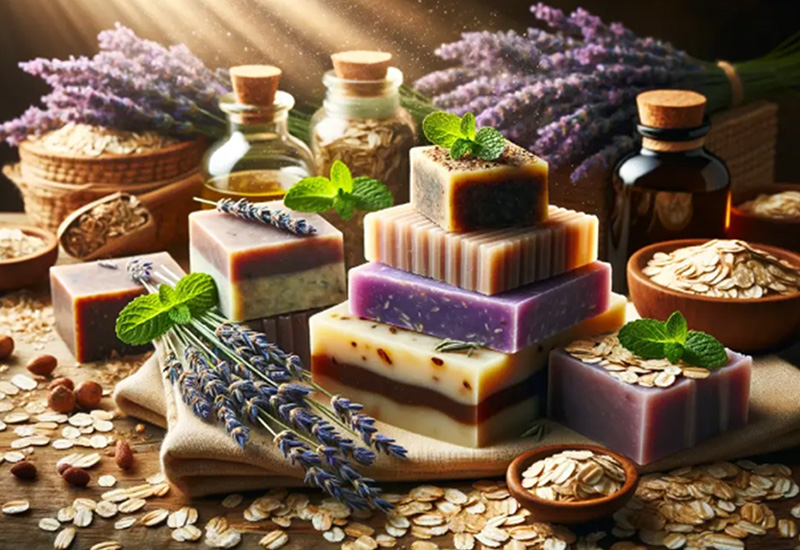 Budget Pick
Handmade Organic Soaps
Chemical-free soaps with coconut oil base and natural fragrances. Artisan-crafted quality. Cost: ₹30-50 per piece. Ideal for health-conscious urban guests who avoid commercial products.
Budget Planning for Green Return Gifts
Eco-friendly tamboolam often costs less than conventional alternatives when sourced strategically through artisan networks rather than commercial gift retailers. Mumbai couples save an average ₹18,000 by buying directly from organic farms and craft collectives, eliminating multiple markup layers that inflate retail prices by 60-80%. The savings increase dramatically for orders exceeding 400 units, where bulk discounts become substantial.
Hidden costs emerge in areas traditional tamboolam doesn't face - specialized packaging, climate-controlled storage, and backup inventory for organic products with shorter shelf lives. Hyderabad venues charge extra ₹5,000-8,000 for refrigerated storage of organic food items during multi-day wedding celebrations. Factor these logistics costs early to avoid budget surprises during final planning stages.
Seasonal pricing fluctuations affect eco-products more dramatically than manufactured gifts. Organic honey costs 40% more during summer months when bee activity drops, while seed packet prices spike during planting seasons. Chennai couples booking December weddings secure better rates by purchasing seeds during monsoon months when demand remains low among gardening enthusiasts.
Using Happiffie's Reverse Auction system helps couples compare quotes from multiple sustainable vendors simultaneously, often reducing final costs by 15-25%. The platform's vendor verification eliminates the risk of advance payments to unreliable artisan suppliers who might fail to deliver during peak wedding season pressures.
Budget-Friendly
Seed packets, small potted plants, handmade soaps
Best for 400+ guest weddingsMid-Range
Organic honey jars, essential oil blends, bamboo products
Most popular choicePremium
Artisan crafted items, premium organic foods, living plants
For intimate celebrations💰 Money-Saving Tips
- Book during off-season (March-June) for better rates from artisan suppliers.
- Use Happiffie's Reverse Auction to compare multiple eco-vendor quotes simultaneously.
- Order 10% extra inventory to account for organic product quality variations.
Frequently Asked Questions
These questions address the most common concerns couples face when switching from conventional to eco-friendly tamboolam gifts for their wedding celebrations.
Final Thoughts
Eco-friendly tamboolam succeeds when couples match sustainable materials with practical guest needs rather than following trends blindly. The most impactful approach combines environmental responsibility with genuine utility - gifts that guests actually use create lasting positive associations with your wedding celebration while supporting sustainable business practices throughout India.
Start sourcing eco-vendors today rather than waiting for peak season when artisan capacity gets stretched thin across multiple weddings. The biggest mistake couples make is underestimating lead times for organic products, forcing them into expensive rush orders or compromising on quality. Book your sustainable suppliers 4-6 months ahead to secure the best pricing and inventory availability.
Let Happiffie's curated vendor network simplify your eco-friendly tamboolam planning through verified supplier connections and transparent pricing comparisons. Your guests will remember the thoughtful gifts long after the celebration ends, while you'll have created a wedding that reflects your values without breaking your budget or timeline constraints.
Ready to Plan Your Eco-Friendly Wedding?
Let Happiffie connect you with verified sustainable vendors and eco-friendly tamboolam suppliers.
Are you a Vendor? Grow Your Business with Happiffie!
- High intent verified leads
- Reverse auction opportunities
- AI business tools & insights
- Dedicated vendor dashboard
- Grow your business, your way
It's free & takes less than 2 minutes!