
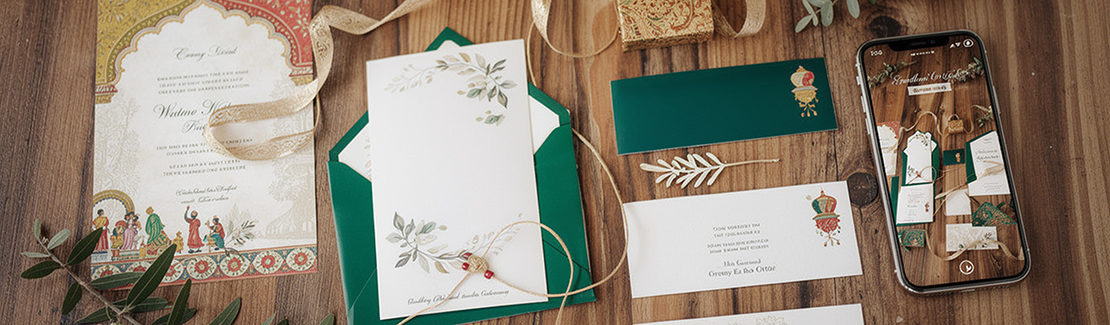
Digital vs Traditional Wedding Invitations: Complete Guide 2026
Comprehensive comparison of digital and traditional wedding invitations to help you choose the perfect option for your Indian wedding
Choosing between digital vs traditional wedding invitations has become one of the most important decisions for modern Indian couples. With technology reshaping how we celebrate love, wedding invitations have evolved from ornate paper cards to interactive digital experiences. Both options offer unique advantages, from the timeless elegance of traditional invites to the convenience and eco-friendliness of digital alternatives.
At Happiffie, we've observed this fascinating shift across major Indian cities like Mumbai, Delhi, Bangalore, and Chennai. Whether you're planning an intimate gathering or a grand celebration, understanding the nuances of digital and traditional wedding invitations will help you make an informed choice that reflects your style, budget, and guest preferences.
Get Best Quotes from Vendors
Use Happiffie's Reverse Auction feature to get competitive quotes.
1. Traditional Wedding Invitations: Timeless Elegance
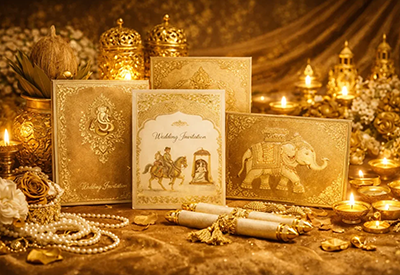
Traditional wedding invitations continue to hold a special place in Indian weddings, representing centuries of cultural heritage and craftsmanship. These physical invitations range from simple cardstock designs to elaborate creations featuring gold foiling, embossing, laser cutting, and handcrafted elements. The tactile experience of receiving a beautifully designed paper invitation creates an emotional connection that many couples and families still cherish.
In Indian culture, wedding invitations are often considered sacred documents that formally announce the union of two families. Traditional invites typically include multiple inserts such as reception cards, ceremony details, accommodation information, and RSVP cards. The process of selecting paper quality, typography, and design elements allows couples to create a keepsake that guests will treasure long after the celebration ends.
The personalization options with traditional invitations are virtually limitless, from incorporating family motifs and religious symbols to using regional languages and calligraphy styles. Many families also appreciate the ritual of personally distributing invitations to close relatives and friends, which strengthens relationships and adds a personal touch to the wedding planning process.
Traditional Invitation Pro Tips:
- •Timeline Planning: Order traditional invitations 8-10 weeks before your wedding to allow for design, printing, and distribution time
- •Quality Investment: Choose heavyweight paper (250-300 GSM) for a premium feel that reflects the importance of your celebration
- •Cultural Elements: Incorporate traditional motifs like lotus, paisley, or Ganesh to honor your heritage and create meaningful keepsakes

2. Digital Wedding Invitations: Modern Innovation
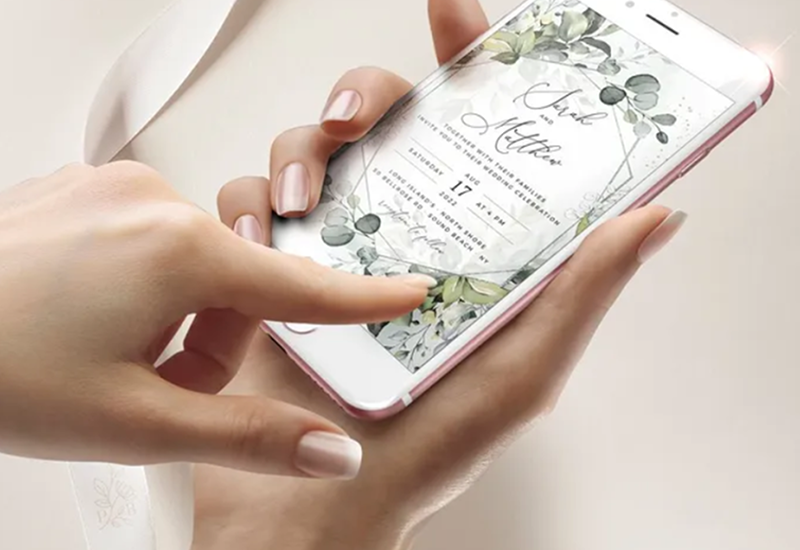
Digital wedding invitations have revolutionized how couples share their joy with loved ones, offering unprecedented convenience, customization, and environmental benefits. These electronic invites can range from simple PDF designs to interactive multimedia experiences featuring videos, music, animations, and real-time RSVP tracking. The instant delivery capability makes them perfect for destination weddings or when time is a constraint.
Modern digital platforms offer sophisticated design tools that rival traditional printing capabilities, allowing couples to create stunning visuals with high-resolution graphics, custom fonts, and dynamic elements. Features like integrated RSVP management, guest messaging, and automatic reminder systems streamline the entire invitation process while providing valuable analytics about guest engagement and attendance patterns.
The versatility of digital invitations shines through their ability to include unlimited information without space constraints. Couples can embed interactive maps, accommodation links, gift registry details, and even live streaming information for guests who cannot attend in person, making them particularly valuable in our increasingly connected yet geographically dispersed world.
Instant Delivery
Send invitations to hundreds of guests simultaneously via email, WhatsApp, or social media platforms
Real-time Tracking
Monitor delivery status, open rates, and RSVP responses through comprehensive analytics dashboards
Interactive Elements
Include videos, music, photo galleries, and clickable links for enhanced guest engagement
3. Cost Comparison: Digital vs Traditional Invitations
The financial aspect often plays a decisive role when choosing between digital and traditional wedding invitations. Traditional invitations typically cost between ₹50-500 per piece, depending on paper quality, printing techniques, and design complexity. When you factor in additional elements like save-the-dates, RSVP cards, postage, and potential reprints for last-minute guest list changes, the total cost can range from ₹15,000-75,000 for a typical Indian wedding.
Digital invitations offer significant cost savings, with most platforms charging ₹500-5,000 for unlimited sends, regardless of guest count. This makes them particularly attractive for large Indian weddings where guest lists often exceed 300-500 people. The absence of printing, postage, and physical material costs translates to savings of 60-80% compared to high-end traditional invitations.
However, cost considerations extend beyond the initial invitation expense. Traditional invitations may require additional coordination time and resources for distribution, while digital invitations might need investment in design software or professional services to achieve a premium look. The long-term value also differs, as traditional invitations become cherished keepsakes while digital versions offer ongoing functionality and updates.

Cost Breakdown Comparison:
Digital Invitations
₹500-5,000 flat rate for unlimited guests = 60-80% savings
Additional Costs
Traditional: Distribution time, storage space; Digital: Design software, tech support
Long-term Value
Traditional: Physical keepsakes; Digital: Ongoing updates and functionality
4. Guest Experience and Generational Preferences
Understanding your guest demographics is crucial when choosing between digital and traditional wedding invitations. Older family members and traditional Indian families often prefer physical invitations, viewing them as more respectful and culturally appropriate. The tangible nature of paper invitations allows for display in homes, sharing with extended family, and preservation as wedding memorabilia, aspects that hold deep cultural significance in Indian society.
Younger generations and tech-savvy guests increasingly appreciate the convenience of digital invitations, with their ability to save dates directly to calendars, access venue information instantly, and RSVP with a single click. Digital invites also cater better to guests living abroad or in different time zones, providing immediate access to wedding details without postal delays or international shipping complications.
The guest experience extends beyond the invitation itself to include ongoing communication throughout the wedding planning process. Digital platforms excel at sending updates, weather alerts, last-minute changes, and post-wedding thank you messages, while traditional approaches may require separate communication channels for these touchpoints.
Traditional Preference Groups
Older relatives, conservative families, guests who value physical keepsakes and cultural traditions
Learn MoreDigital-Friendly Groups
Younger couples, tech-savvy guests, international attendees, environmentally conscious families
Hybrid Approach
Send traditional to close family, digital to friends and distant relatives for optimal satisfaction
5. Design and Customization Possibilities
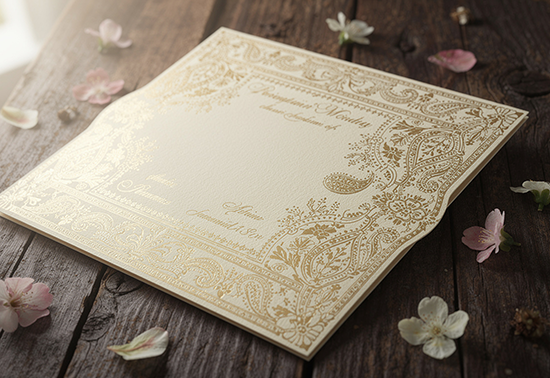
Both digital and traditional wedding invitations offer extensive design possibilities, each with unique advantages. Traditional invitations excel in tactile experiences through specialty papers, textures, embossing, foiling, and three-dimensional elements that digital mediums cannot replicate. The craftsmanship involved in creating hand-painted elements, intricate die-cuts, or ribbon attachments adds an artisanal quality that many couples find irresistible.
Digital invitations leverage technology to create immersive experiences through animations, video backgrounds, interactive elements, and multimedia integration. Couples can include engagement photo slideshows, voice messages from family members, or even augmented reality features that bring static designs to life. The ability to update information in real-time and create multiple versions for different events within the wedding celebration offers unprecedented flexibility.
The design timeline also differs significantly between formats. Traditional invitations require finalized details weeks in advance due to printing schedules, while digital invites can be modified up until the moment of sending. This flexibility proves invaluable for couples dealing with venue changes, guest list updates, or evolving wedding plans.
🎨 Traditional Artistry
Hand-painted elements, calligraphy, embossing, foiling, and premium paper textures create tangible luxury
💫 Digital Innovation
Animations, videos, interactive maps, music integration, and real-time updates for dynamic experiences
🔄 Flexibility Factor
Traditional requires early finalization; Digital allows last-minute changes and multiple event versions
🌟 Personalization Level
Both offer high customization - Traditional through materials, Digital through multimedia integration
📱 Technology Integration
Digital excels with QR codes, social sharing, calendar integration, and cross-platform compatibility
🎭 Cultural Expression
Traditional honors heritage through motifs and scripts; Digital can incorporate cultural videos and music
6. Budget Planning and Cost-Saving Strategies
Effective budget planning for wedding invitations requires understanding both visible and hidden costs associated with each format. Traditional invitations involve expenses beyond the base printing cost, including design consultations, paper upgrades, additional inserts, envelope addressing, postage, and potential reprints for errors or last-minute additions. Smart couples often allocate 3-5% of their total wedding budget to invitations and related stationery.
Digital invitations offer more predictable pricing structures but may require investment in quality design services to achieve a premium appearance that matches traditional invitation elegance. Platform subscription fees, custom design costs, and technical support should be factored into the budget planning process. However, the scalability advantage means that adding guests to digital invitations doesn't increase per-unit costs like traditional printing does.
Cost-saving strategies vary by format but both can benefit from early planning, bulk ordering (for traditional), or multi-event packages (for digital). Many couples find success in hybrid approaches, using traditional invitations for immediate family and digital for extended networks, optimizing both cost and cultural sensitivity.
✨ Smart Budget Allocation Guide
💰 Cost-Saving Strategies:
- ✓Use Happiffie's Reverse Auction to get competitive quotes from invitation designers and printers
- ✓Consider hybrid approach: Traditional for close family (50-100 guests), digital for extended network to optimize costs
- ✓Book invitation services during off-peak seasons (monsoon months) for potential 15-20% savings
- ✓Leverage digital platforms' multi-event features for engagement, mehendi, and reception invitations
- ✓
Choose quality over quantity - invest in premium design once rather than multiple average options
Conclusion
The choice between digital and traditional wedding invitations ultimately depends on your priorities, budget, guest demographics, and personal values. Traditional invitations offer unmatched elegance, cultural authenticity, and keepsake value, while digital invitations provide convenience, cost-effectiveness, and environmental benefits. Many modern couples find success in hybrid approaches that honor tradition while embracing innovation.
Whether you choose the timeless appeal of paper or the modern convenience of digital, Happiffie connects you with expert invitation designers and vendors who can bring your vision to life. From traditional artisans specializing in hand-crafted invitations to digital design experts creating interactive experiences, our platform helps you find the perfect match for your wedding style and budget. Start exploring our vendor network today to create invitations that perfectly announce your special day.
Ready to Create Perfect Wedding Invitations?
Let Happiffie connect you with the best invitation designers and vendors for your dream wedding.

Are you a Vendor? Grow Your Business with Happiffie!
- High intent verified leads
- Reverse auction opportunities
- AI business tools & insights
- Dedicated vendor dashboard
- Grow your business, your way
It's free & takes less than 2 minutes!