
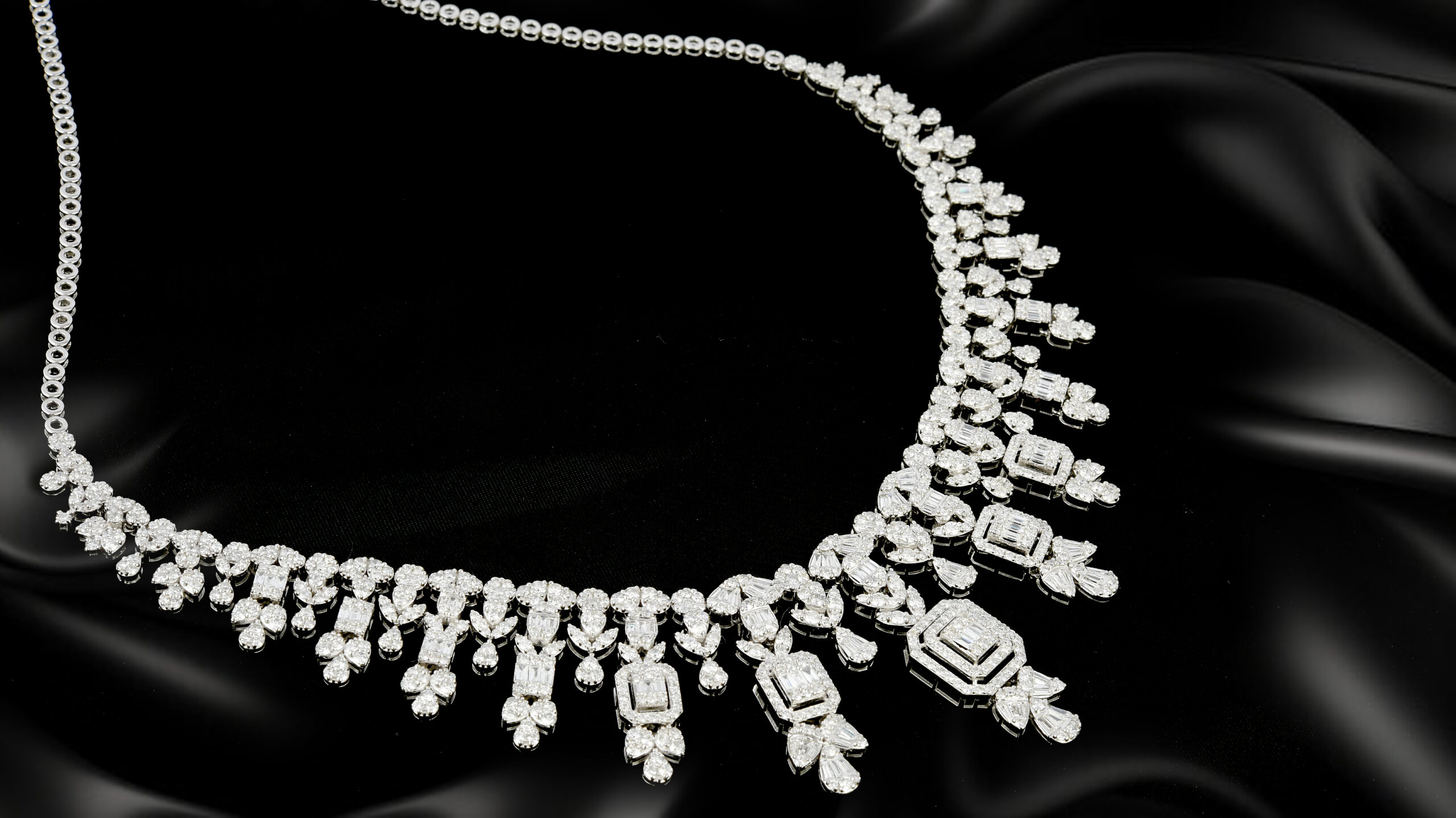
Diamond Jewellery Guide: How to Choose the Best Quality Diamonds
Expert insights on 4Cs, certifications, and smart buying for your special occasions
A Mumbai bride recently discovered her ₹3.5 lakh engagement ring contained a lab-grown diamond sold as natural – losing 60% of its value overnight. Diamond fraud costs Indian couples over ₹2,000 crore annually, yet most buyers don't know how to verify authenticity or quality before purchasing.
Beyond fraud risks, couples face bewildering choices: should you prioritize carat size or clarity? Is VS2 clarity worth ₹50k extra over SI1? Most jewellers push their highest-margin stones rather than educating customers. Planning your wedding venue requires similar expertise – knowing what questions to ask prevents costly mistakes.
This comprehensive guide reveals insider secrets for choosing diamond jewellery that holds value and sparkles brilliantly. You'll learn the 4Cs decision framework, certification red flags, and negotiation tactics jewellers don't want you to know. Happiffie's vetted vendor network includes certified diamond specialists who follow transparent pricing practices.
📋 Table of Contents
Why Diamond Quality Matters More Than Ever
The Indian diamond market exploded 340% since 2019, but quality standards haven't kept pace. Lab-grown diamonds now comprise 35% of bridal purchases, often sold without disclosure. Unscrupulous dealers exploit the confusion, mixing synthetic stones with natural ones or misrepresenting clarity grades to boost margins by 200-400%.
A Bangalore couple learned this harsh lesson when their ₹8 lakh necklace set appraised at just ₹2.8 lakh for insurance purposes. The "VVS1" diamonds were actually SI2 grade with heavy treatments to mask inclusions. During Chennai's humid summers, treated diamonds often develop cloudiness as enhancement chemicals break down under heat and moisture exposure.
Professional gemologists identify three critical mistakes: buying without certification, ignoring fluorescence effects under Indian lighting conditions, and prioritizing size over cut quality. Poor cut diamonds lose 40-60% of their brilliance, appearing dull despite perfect clarity. Certified jewellers in our network provide GIA or IGI certificates with every purchase above ₹50,000.
The timing factor creates additional pressure – 78% of Indian couples shop for diamond jewellery within 60 days of their wedding date. This rush leads to impulse purchases without proper due diligence. Smart buyers start their diamond search 4-6 months before their ceremony, allowing time for price comparison and certification verification.
 Hiya
HiyaPro Tip: Never buy diamonds during wedding season (October-February) – prices spike 25-30%. Shop during monsoon months for better deals.
The 4Cs Decision Framework
The 4Cs aren't equal – your priorities depend on setting, lighting, and budget constraints. Cut quality impacts brilliance most dramatically, yet 89% of Indian buyers obsess over carat weight instead. A perfectly cut 0.8-carat diamond outshines a poorly cut 1.2-carat stone in any lighting condition, especially under traditional Indian gold settings that reflect warm light.
Mumbai's Zaveri Bazaar dealers often push SI2 clarity diamonds as "eye-clean," but these show visible inclusions under the bright LED lighting common in modern Indian homes. VS2 clarity provides the sweet spot – invisible inclusions to the naked eye while costing 25-35% less than VVS grades. Color becomes critical with yellow gold settings popular in Indian jewellery.
Regional preferences create interesting trade-offs: South Indian brides prefer larger carat weights for temple jewellery visibility, while North Indian couples prioritize clarity for close-viewing pendant sets. Professional designers recommend balancing all four factors rather than maximizing one attribute. The certification process reveals these nuances through detailed grading reports.
Fluorescence deserves special attention in India's bright sunlight conditions. Strong blue fluorescence makes diamonds appear hazy outdoors, reducing their perceived value by 10-15%. Faint to medium fluorescence actually enhances lower color grades (H-J) by counteracting yellow tints, creating better value propositions for budget-conscious buyers.
1. Cut Quality
Determines 60% of diamond's brilliance and fire. Excellent cut grades reflect maximum light, making smaller stones appear larger. Poor cuts lose light through the bottom, appearing dark and lifeless under any lighting condition.
2. Color Grade
D-F colorless grades cost 40% more but may appear identical to G-H near-colorless in yellow gold settings. I-J grades offer excellent value for traditional Indian jewellery designs with warm metal tones.
3. Clarity Level
VS1-VS2 provides optimal balance – no visible inclusions yet 30-50% less expensive than flawless grades. SI1 works for smaller stones under 0.5 carats where inclusions remain invisible to naked eye.
4. Carat Weight
Popular sizes (0.5, 1.0, 2.0 carats) carry 15-20% premium. Choosing 0.9 instead of 1.0 carat saves money while appearing virtually identical. Consider total carat weight for multi-stone pieces.
5. Certification Authority
GIA and IGI provide internationally recognized grading standards. Avoid in-house certificates or unknown labs – they often inflate grades by 1-2 levels, misleading buyers about true quality and value.
Popular Diamond Options for Indian Weddings
Round brilliant diamonds dominate Indian bridal jewellery, comprising 65% of engagement ring purchases. Their 58-facet design maximizes brilliance under traditional Indian lighting – from intimate mehendi ceremonies to grand reception halls. Princess and cushion cuts follow in popularity, offering modern aesthetics while maintaining the fire Indian buyers expect from their investment pieces.
Fancy shapes like emerald and asscher cuts appeal to contemporary brides but require higher clarity grades since their step-cutting reveals inclusions more readily. Oval and pear shapes create the illusion of larger size – a 1-carat oval appears 15% bigger than a round brilliant of identical weight. These elongated shapes particularly suit Indian hand gestures during ceremonies.
Lab-grown diamonds represent 40% of millennial purchases, offering identical chemical properties at 70-80% savings. However, resale value remains questionable – most traditional jewellers won't buy back lab-grown stones. Full-service wedding planning includes jewellery consultations to match diamond choices with overall aesthetic themes and family expectations.
Setting styles dramatically influence diamond selection – traditional kundan work requires flat-bottomed stones, while contemporary prong settings showcase brilliant cuts optimally. Temple jewellery demands larger carat weights for visual impact from viewing distances, whereas delicate everyday pieces prioritize clarity and cut over size considerations.
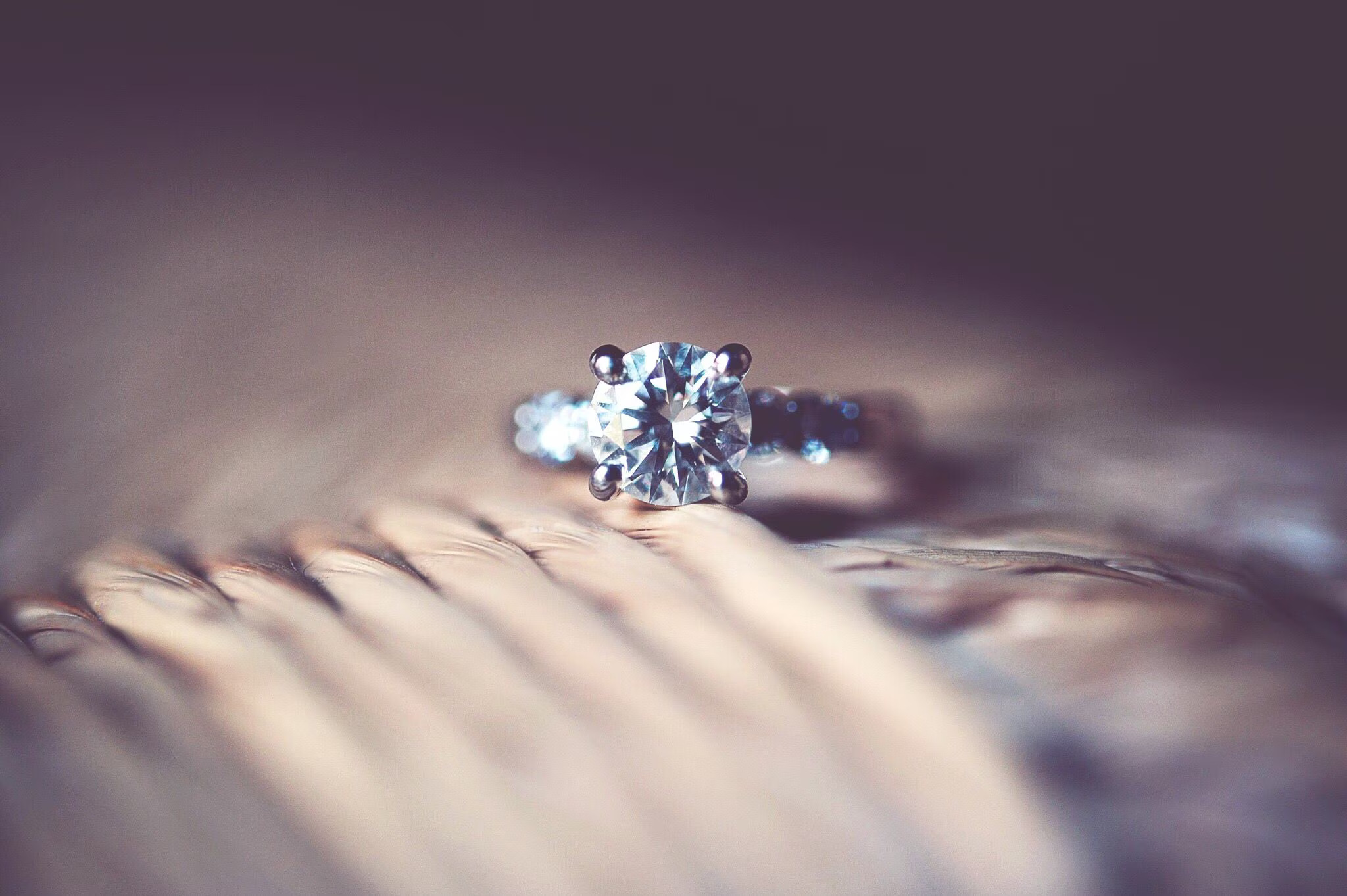 Most Popular
Round Brilliant Cut
The classic choice offering maximum brilliance and fire. Works perfectly with traditional Indian gold settings. Holds value best in resale market. Price range: ₹45,000-₹1,20,000 per carat for VS2 clarity.
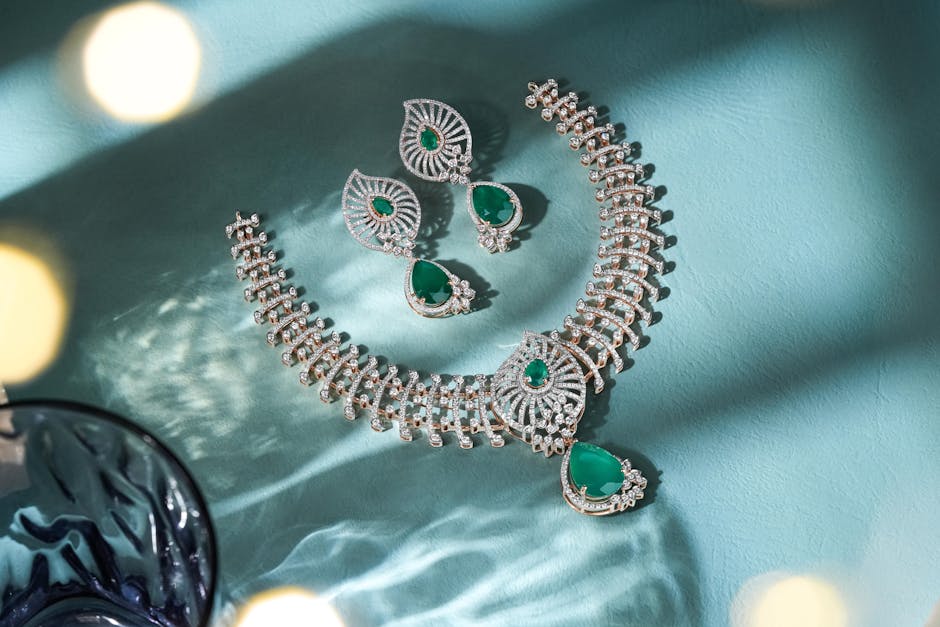 Budget Pick
Lab-Grown Diamonds
Identical to natural diamonds but 70-80% less expensive. Perfect for larger statement pieces. Limited resale value but excellent choice for fashion-forward couples prioritizing size over investment.
Diamond Budget Planning and Pricing
Diamond pricing follows exponential curves – a 1-carat stone costs 4x more than four 0.25-carat diamonds of identical quality. This "size premium" explains why many couples choose multiple smaller stones for necklace sets rather than single large solitaires. The sweet spot lies in 0.7-0.9 carat range, avoiding the premium jump at full carat weights.
Regional pricing varies significantly across India: Mumbai dealers charge 15-20% premiums due to higher real estate costs, while Surat's diamond cutting hub offers direct pricing from manufacturers. Chennai and Bangalore fall between these extremes. Online purchases can save 25-30%, but verification becomes crucial since you can't inspect stones physically before buying.
Seasonal fluctuations create strategic buying opportunities – monsoon months (June-September) offer 20-25% discounts as demand drops. Wedding season pricing (October-February) peaks with limited negotiation room. Happiffie's Reverse Auction platform lets multiple certified dealers compete for your business, often resulting in 15-20% better pricing than traditional retail negotiations.
Hidden costs include certification fees (₹2,000-₹5,000), custom setting charges (₹8,000-₹25,000), and insurance premiums (0.5-1% annually). Factor these into your budget planning. Payment terms matter too – many dealers offer 10-15% discounts for full advance payment, while installment plans add 8-12% to total costs through financing charges.
Budget-Friendly
0.3-0.6 carat diamonds, SI1-SI2 clarity, G-I color grades
Perfect for engagement rings and simple pendantsMid-Range
0.6-1.2 carat diamonds, VS1-VS2 clarity, F-H color grades
Most popular choice for bridal setsPremium
1.2+ carat diamonds, VVS1-VVS2 clarity, D-F color grades
For statement necklaces and luxury collections💰 Money-Saving Tips
- Shop during monsoon season (June-September) for 20-25% seasonal discounts on diamond jewellery.
- Use Happiffie's Reverse Auction to get competitive quotes from multiple certified diamond dealers.
- Choose 0.9 carat instead of 1.0 carat diamonds to avoid premium pricing while maintaining visual impact.
Frequently Asked Questions
These questions address the most common concerns Indian couples raise when selecting diamond jewellery for their weddings and special occasions.
Final Thoughts
Quality diamond selection combines technical knowledge with practical decision-making – understanding the 4Cs matters less than knowing which attributes impact your specific jewellery goals. Cut quality determines brilliance more than any other factor, yet most buyers fixate on carat weight instead. This misplaced priority costs thousands while delivering inferior visual results.
Start your diamond shopping 4-6 months before your wedding date, avoiding the panic purchases that plague 78% of Indian couples. Verify every certificate, compare multiple options, and never buy based on verbal promises alone. The biggest mistake? Trusting dealers who discourage independent appraisals – legitimate sellers welcome third-party verification of their claims.
Smart diamond buying requires expert guidance and transparent pricing – exactly what Happiffie's platform provides through our network of certified specialists. Whether you're selecting an engagement solitaire or complete bridal set, informed decisions create lasting satisfaction and protect your investment for generations. Your perfect diamond awaits, but only if you know what questions to ask.
Ready to Find Your Perfect Diamond?
Let Happiffie connect you with certified diamond specialists who prioritize education over sales pressure.
Are you a Vendor? Grow Your Business with Happiffie!
- High intent verified leads
- Reverse auction opportunities
- AI business tools & insights
- Dedicated vendor dashboard
- Grow your business, your way
It's free & takes less than 2 minutes!