
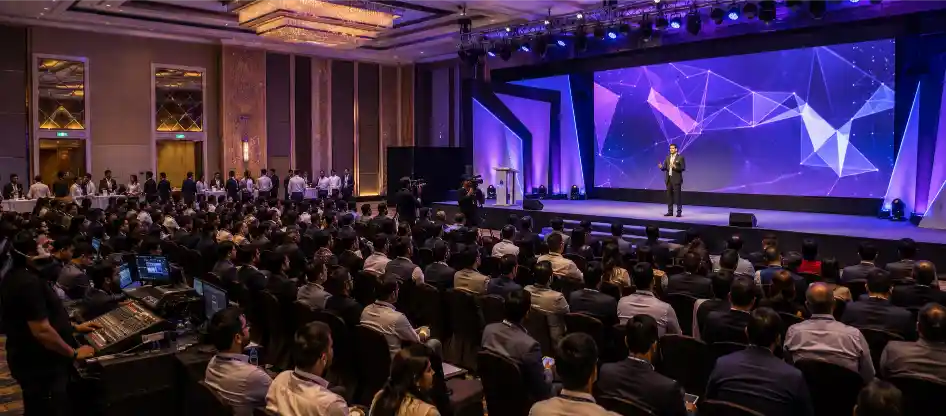
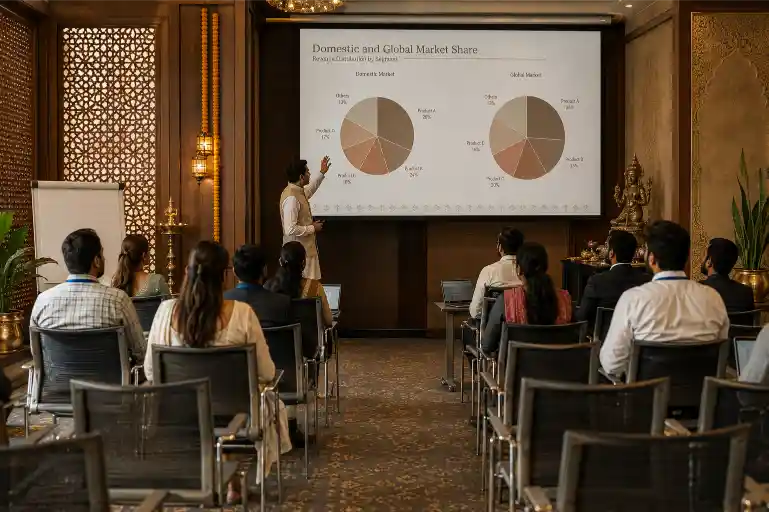
Corporate summit planning in India with professional conference setup and delegate engagement
Wedding Planning

Corporate Summit Planning in India: Complete Guide & Best Practices

Expert strategies for conference venue selection and business event management across Indian cities

2026-08-01By Happiffie Editorial Team10 min read
⚡ Quick Answer

Corporate summit planning in India involves selecting appropriate conference venues, managing delegate logistics, securing catering and AV services, and coordinating timelines across tier-1 cities like Mumbai, Delhi, Bangalore, and Chennai. Budget ranges from ₹15–50 lakhs depending on attendee count, venue tier, and inclusions.

Corporate summit planning in India has evolved significantly, with organizations now balancing professional excellence, budget efficiency, and memorable delegate experiences. Whether you're orchestrating a 100-person strategy session or a 1,000-delegate international conference, the success of your business event management hinges on meticulous venue selection, transparent vendor coordination, and clear communication. This guide walks you through conference venue selection in India, cost structures, logistical trade-offs, and decision-support frameworks so you can confidently execute your corporate gathering. We've guided hundreds of companies through summit delegate experience planning across Mumbai, Bangalore, Delhi, and Chennai—and we'll share proven strategies to help your event stand out.

What Is Corporate Summit Planning and Why Does It Matter?

What Is Corporate Summit Planning and Why Does It Matter?

Corporate summit planning in India is a strategic discipline encompassing venue curation, delegate logistics, content delivery, and stakeholder engagement across multi-day professional events. Unlike routine meetings or webinars, a summit demands seamless coordination of hundreds or thousands of participants, synchronized schedules, and curated networking environments.

The distinction between a forgettable conference and a transformative summit lies in intentional summit delegate experience design. Whether held in Mumbai's financial district, Bangalore's tech hubs, Delhi's convention centers, or Chennai's hospitality zones, the best corporate summits integrate world-class venues, intuitive wayfinding, digital platforms, and memorable social moments. Business event management at scale requires pre-event planning (4–6 months prior), mid-event execution, and post-event follow-up.
How Do You Choose the Right Conference Venue?

How Do You Choose the Right Conference Venue?

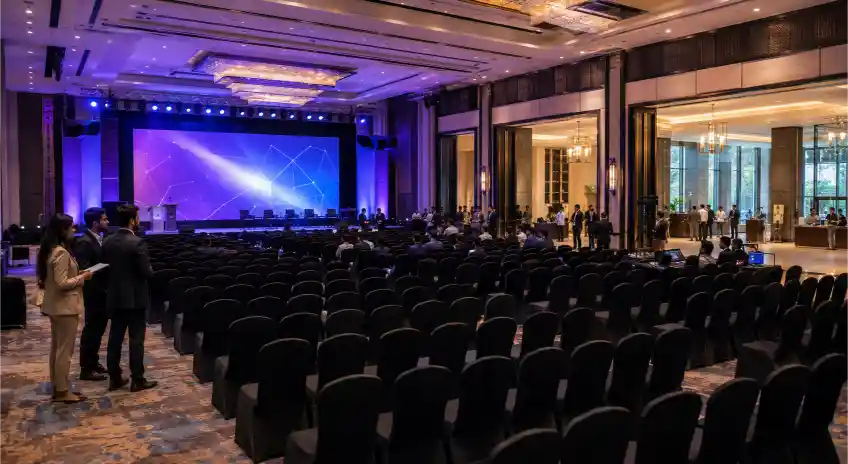
Conference venue selection in India starts with defining your non-negotiables: attendee count, desired location (tier-1 metro versus emerging destination), budget ceiling, and technical requirements (high-speed WiFi, breakout spaces, AV infrastructure). A 300-person summit in Bangalore's Whitefield tech corridor carries different venue options than a 800-delegate gathering in Mumbai's central business district.

Leading venues in India offer modular spaces that shrink from 2,000-seat auditoriums into intimate 50-person breakout rooms. Request venue walkthroughs, ask about peak capacity, power supply redundancy, parking allocation, and catering partnerships. Tier-1 cities—Mumbai, Delhi, Bangalore, Chennai—host the densest cluster of certified venues; off-season bookings (May–July, December) typically yield 10–20% discounts compared to peak seasons (October–November, January–March).

What Are the Key Logistics for Large Corporate Gatherings?

What Are the Key Logistics for Large Corporate Gatherings?

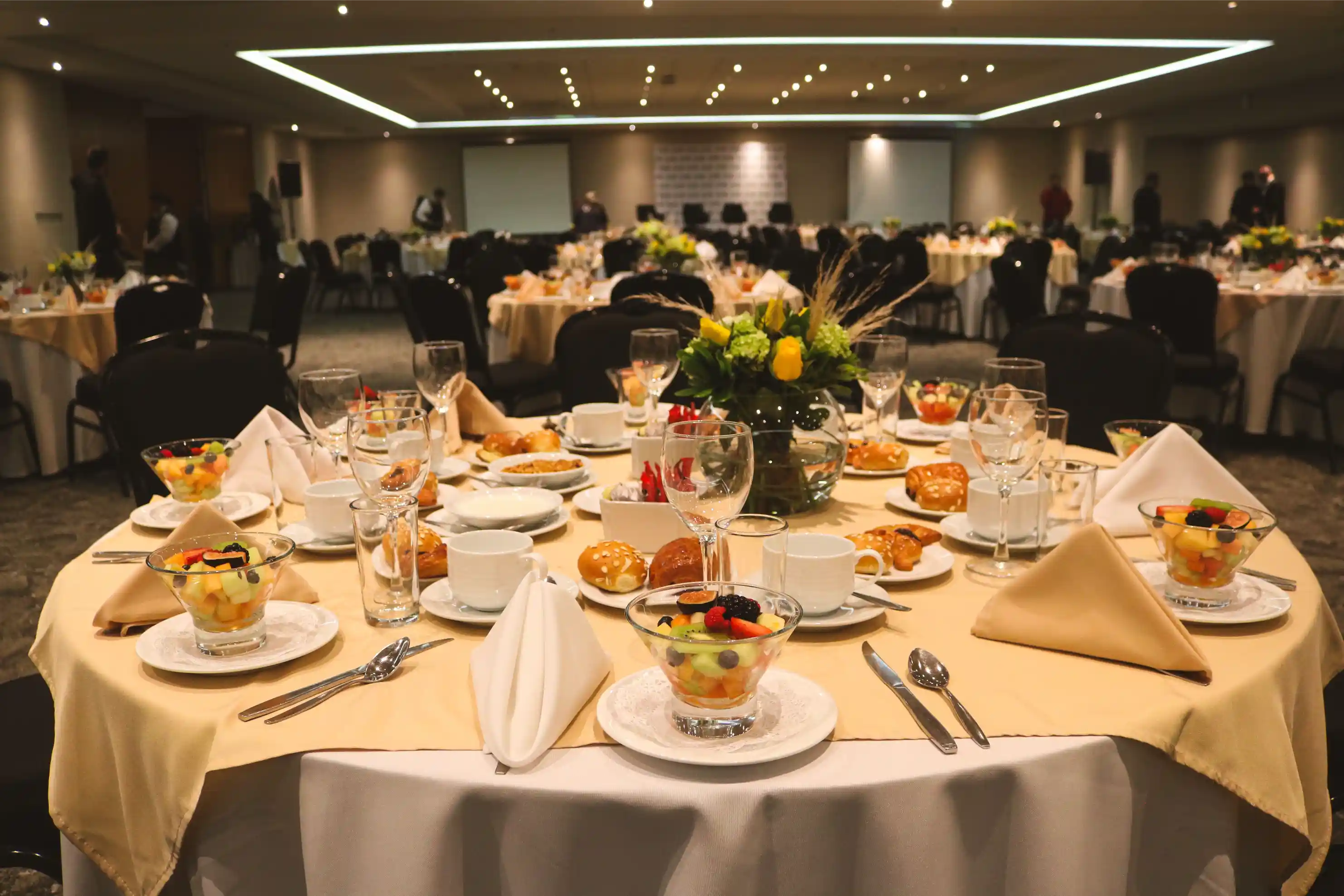
Corporate gathering logistics span six critical domains: registration and badge systems, accommodation coordination (for multi-day summits), transportation (airport transfers, inter-venue shuttles), catering (breakfast, lunch, coffee stations, evening receptions), audio-visual production (live streaming, breakout screen management, recording), and contingency protocols (backup power, weather mitigation, emergency contacts).

Seasoned organizers assign a logistics lead 3–4 months before the summit to map delegate flows, coordinate vendor timelines, and stress-test technology. Large Indian summits often involve 40+ vendors (caterers, AV technicians, security, housekeeping, registration staff). A shared vendor management platform—or a dedicated event coordinator—ensures zero miscommunications and real-time issue resolution on summit day.

How Much Does Corporate Summit Planning Cost in India?

How Much Does Corporate Summit Planning Cost in India?

Corporate summit planning budgets range from ₹15 lakhs for a 150-person one-day conference in a tier-2 city to ₹50+ lakhs for a 1,000-delegate, three-day international summit in Mumbai or Bangalore. Venue hire typically accounts for 25–35% of total cost; catering 20–25%; audio-visual and technology 15–20%; logistics and staffing 10–15%; and contingency reserves 5–10%.

Peak-season pricing (October–November, January–March) commands premiums; off-season rates drop 15–25%. Negotiating multi-day packages or securing sponsorship offsets often reduces per-delegate costs from ₹5,000–8,000 down to ₹3,000–5,000. Event budget optimization also means competitive vendor quotes; Happiffie's Reverse Auction system helps organizations compare pricing transparently across catering, décor, and technical vendors.

Why Should You Partner with a Professional Event Coordinator?

Professional event coordinators reduce risk, compress planning timelines, and unlock exclusive vendor networks. They negotiate venue terms, manage deposits and contracts, coordinate multi-vendor timelines, and handle day-of troubleshooting—allowing internal teams to focus on content strategy and speaker management rather than logistics minutiae.

Coordinators familiar with corporate summit planning in India bring relationships with Mumbai's premium five-star venues, Bangalore's tech-forward spaces, Delhi's sprawling convention centers, and Chennai's coastal resorts. They buffer against common pitfalls: overstaffing (inflated labor costs), undersized venues (cramped networking), or misaligned catering counts (waste or shortage). A skilled coordinator typically saves 20–30% in negotiated vendor fees, absorbing their own fee within those savings.

People Also Ask

What is the typical timeline for planning a large corporate summit?
Begin planning 4–6 months prior for 500+ attendees, allowing time for venue booking, speaker confirmation, marketing, and vendor coordination. Three months minimum for 100–300 delegates; 2–3 months suffices for smaller, single-track gatherings in familiar venues.
How do I reduce costs during business event management without sacrificing quality?
Negotiate off-season rates (May–July, December), secure sponsor packages to offset venue costs, use hybrid streaming to expand reach without physical space inflation, consolidate vendor count, and leverage corporate group discounts from catering and AV providers.
Which Indian cities are best for hosting international corporate summits?
Mumbai (financial/hospitality), Delhi (government/policy focus), Bangalore (tech/innovation), and Hyderabad (IT sector) are tier-1 hubs. Mumbai and Bangalore lead in international connectivity; Delhi excels in policy summits; Chennai serves southern regions effectively.
What technology do I need for seamless summit delegate experience?
High-speed WiFi (1 Gbps+ minimum), event app with live schedule/speaker bios, simultaneous live-streaming infrastructure, attendee polling/Q&A tools, breakout room digital signage, and post-event feedback collection via mobile surveys.
How should I handle catering for a three-day corporate summit across 500 guests?
Partner with venue-approved caterers or hire dedicated external catering. Plan three meal service windows (breakfast, lunch, evening snacks), offer vegetarian/vegan/dietary-restriction menus (typically 15–20% of headcount), and build 5–10% buffer portions for unexpected overruns.

Expert Recommendation

Best for Intimate Leadership Summits (75–150 delegates)

Choose boutique five-star hotel conference suites in central Mumbai, Bangalore, or Delhi offering end-to-end services. This scale prioritizes personalized summit delegate experience, director-level networking, and premium catering—ideal for C-suite strategy sessions or industry roundtables.

Best for Mid-Scale Industry Conferences (200–500 delegates)

Select certified convention centers with modular breakout capacity, strong AV infrastructure, and established vendor partnerships. Cities like Bangalore and Hyderabad offer cost-effective options; business event management complexity increases, so hire a coordinating team to handle logistics and vendor scheduling.

Best for Large International Summits (800+ delegates)

Book tier-1 metro convention centers (Mumbai's NESCO, Delhi's Pragati Maidan, Bangalore's Palace Grounds equivalents) with adjacent hotel blocks, dedicated ground transportation, and professional technical support. Multi-day formats are essential; budget ₹40–60 lakhs and allow 5–6 months for planning.

Best for Budget-Conscious Corporate Gatherings

Opt for off-season bookings (May–July, December), leverage hybrid delivery (blend in-person and virtual attendance), negotiate sponsorship packages, and consolidate vendors. Tier-2 cities offer 30–40% savings while maintaining professional quality and excellent summit delegate experience.

Corporate Summit Venue and Delivery Models Comparison

OptionAdvantagesLimitationsRecommended Use Case
Five-Star Hotel Conference CentersPremium ambiance, integrated catering/rooms, personal concierge support, flexible breakout spaces.Higher per-person cost (₹4,000–7,000/day), limited capacity (100–300 max), peak-season premiums, smaller parking.Intimate leadership summits, VIP dinners, C-suite strategy sessions where prestige and personalized service outweigh cost.
Dedicated Convention CentersLarge modular capacity (500–2,000+), standardized AV infrastructure, professional staffing, negotiable rates.Requires external catering coordination, less luxury ambiance, potential impersonal feel, busy multi-event scheduling.Mid- to large-scale industry conferences, public summits, and multi-track events where scale and flexibility matter most.
Hybrid (In-Person + Virtual Streaming)Expands reach beyond geography, reduces physical seat pressure, allows global participation, lower per-delegate cost.Requires robust streaming infrastructure, engagement dips for remote attendees, tech complexity, potential audio/video glitches.Industry conferences targeting international attendees, hybrid workforces, or budget-constrained summits where virtual reach adds value.
Destination Resort/Retreat FormatMulti-day immersion, integrated accommodation, team-building activities, unique networking in serene settings (Goa, Coorg, Jaipur).Transportation logistics complex, higher accommodation costs, less accessible for single-day attendees, weather dependency.Annual general meetings, off-sites, executive retreats, or culture-building summits where multi-day bonding justifies premium pricing.

Decision Support

Pre-Booking Checklist

  • Define attendee count, session breakdown, and required breakout spaces 12 weeks prior.
  • Confirm venue walkthrough, check WiFi speed, AV capability, and catering flexibility.
  • Lock in speaker lineup and session timelines to align with venue logistics and delegate interest.
  • Secure accommodation blocks (if multi-day) and arrange ground transportation 8–10 weeks out.
  • Finalize catering menu, dietary accommodations, and coffee/snack station locations.
  • Test audio-visual setup, live-streaming redundancy, and event app integration 2 weeks before summit.
  • Brief all vendors and internal staff on timeline, contingencies, and day-of communication protocols.
  • Conduct final walkthrough and run-through 72 hours before summit launch.

Selection Criteria

  • Venue capacity matches attendee count with 15–20% buffer for walk-in registrations.
  • Location accessibility via public transport, airport proximity, and ample parking for inter-city delegates.
  • Technical infrastructure (WiFi bandwidth, power redundancy, AV ports, and recording capability) supports live streaming and breakout sessions.
  • Catering and housekeeping partnerships are certified or approved to handle dietary diversity and large-scale food service.
  • Flexibility in layout, breakout space allocation, and event timing to accommodate last-minute schedule changes.
  • Cost-transparency and all-inclusive pricing (or itemized quotes) to prevent surprise surcharges.

Cost & Quality Factors

  • Venue tier and location (five-star Mumbai vs. tier-2 city) drives 25–40% of total cost variance.
  • Attendee count directly impacts catering, staffing, and logistics labor (non-linear cost scaling).
  • Off-season (May–July, December) rates are 15–25% lower than peak (October–November, January–March).
  • Multi-day summits justify higher upfront spend via better per-delegate rates and integrated accommodation packages.
  • Sponsorship offsets can reduce per-delegate cost by 20–30%; negotiate early with potential partners.
  • Technology inclusion (event app, live streaming, polling) adds 10–15% to budget but significantly improves delegate engagement ROI.

Mistakes to Avoid

  • Booking venue too late (within 8 weeks) limits negotiating power and forces peak-season pricing.
  • Underestimating catering headcount by 10–15%, resulting in food shortage or budgetary overrun.
  • Neglecting WiFi capacity testing, leading to dropped connections during live-streamed sessions.
  • Assigning logistics to junior staff without external event management support, causing day-of execution gaps.
  • Choosing low-cost venues without adequate AV infrastructure or flexible breakout space, compromising delegate experience.
  • Skipping contingency buffers (5–10% of budget) for weather, vendor no-shows, or last-minute additions.

Key Takeaways

  • Corporate summit planning in India requires 4–6 months lead time, strategic venue selection, and robust logistics coordination.
  • Venue costs span ₹15–50+ lakhs depending on attendee count, location tier, and multi-day format.
  • Conference venue selection prioritizes accessibility, AV capability, modular layout, and trusted catering partnerships.
  • Off-season (May–July, December) bookings yield 15–25% discounts; sponsorship packages further reduce per-delegate cost.
  • Hybrid delivery (in-person + streaming) expands reach and moderates venue capacity pressure.
  • Professional event coordinators save 20–30% through vendor negotiations and risk mitigation.
  • Summit delegate experience hinges on seamless registration, intuitive wayfinding, reliable technology, and curated networking design.
  • Dedicated logistics lead and shared vendor management platform prevent miscommunication across 40+ service providers.

Frequently Asked Questions

Corporate summit planning in India involves numerous moving parts—from venue logistics to delegate experience design. Below, we've compiled answers to questions event organizers commonly raise, helping you navigate conference venue selection, budgeting, and best practices.

How much does corporate summit planning cost in India on average?
Corporate summit planning budgets range from ₹15 lakhs (100–150 delegates, one-day, tier-2 city) to ₹50+ lakhs (1,000 delegates, three-day, tier-1 metro with premium catering and streaming). Venue is 25–35% of total cost; catering 20–25%; AV and technology 15–20%; logistics 10–15%; contingency 5–10%. Off-season rates (May–July, December) reduce costs by 15–25% compared to peak seasons.
What should I look for when selecting a conference venue in India?
Prioritize attendee capacity with 15–20% buffer, proximity to airport or city center, high-speed WiFi (1 Gbps+), modular breakout spaces, AV infrastructure, flexible catering options, accessible parking, and venue-approved vendor partnerships. Always conduct a physical walkthrough and request references from recent large events held there.
How far in advance should I book a corporate summit venue?
Book 4–6 months prior for 500+ delegates to secure preferred dates and negotiate pricing. For 100–300 attendees, 2–3 months is acceptable. Last-minute bookings (within 8 weeks) force peak-season rates and limit negotiating power; early booking unlocks 10–20% discounts and better vendor availability.
How does Happiffie help with corporate summit planning in India?
Happiffie's Reverse Auction platform connects you with verified venues, caterers, AV vendors, and event coordinators across Mumbai, Bangalore, Delhi, and Chennai. Submit your summit requirements (attendee count, dates, budget), receive competitive quotes from multiple vendors, and compare pricing transparently—saving 20–30% while ensuring quality. Browse curated venues and event spaces or request free quotes from professional event services.
What are the most common mistakes in corporate gathering logistics?
Underestimating catering headcount (causing food shortage or waste), neglecting WiFi capacity testing (leading to streaming failures), booking venues too late (forcing peak-season rates), skipping contingency budgets (5–10%), and assigning logistics to under-resourced teams. Avoid these by hiring a professional event coordinator and stress-testing all systems 2 weeks prior.

Plan Your Corporate Summit in India with Confidence

Happiffie connects you with verified venues, caterers, and event coordinators across Mumbai, Bangalore, Delhi, and Chennai. Submit your corporate summit requirements, compare vendor quotes, and secure 20–30% savings through our Reverse Auction platform.

Corporate EventsSummit PlanningConference VenuesBusiness Event ManagementVenue SelectionEvent BudgetingHappiffie EventsIndia Event Planning

By Happiffie Editorial Team — The Happiffie Editorial Team specializes in delivering actionable event planning guidance for corporate, social, and destination occasions across India, powered by real vendor and venue data.

Happiffie mascot

Are you a Vendor? Grow Your Business with Happiffie!

  • High intent verified leads
  • Reverse auction opportunities
  • AI business tools & insights
  • Dedicated vendor dashboard
  • Grow your business, your way
1M+Active Users
300+Events Daily
High QualityLeads
FasterBookings
Join Happiffie as a Vendor

It's free & takes less than 2 minutes!