

Corporate Event Success Strategies: Expert Guide for Professional Events
Comprehensive guide to planning memorable corporate events that drive business goals and create lasting impressions
Planning successful corporate events requires strategic thinking, meticulous attention to detail, and understanding your business objectives. Whether you're organizing team building activities, product launches, conferences, or client appreciation events, implementing proven corporate event success strategies can make the difference between a memorable experience and a missed opportunity. Today's competitive business landscape demands events that not only engage attendees but also deliver measurable results for your organization.
From selecting the perfect corporate venues to coordinating seamless logistics, every element of your event contributes to its overall success. Happiffie's comprehensive platform connects you with top-tier vendors and venues across major Indian cities including Mumbai, Delhi, Bangalore, Chennai, and Hyderabad. Our expert team understands the unique challenges of corporate event planning and provides tailored solutions that align with your business goals and budget requirements.
Get Best Quotes from Vendors
Use Happiffie's Reverse Auction feature to get competitive quotes.
1. Defining Clear Event Objectives and Success Metrics
The foundation of any successful corporate event lies in establishing clear, measurable objectives that align with your organization's broader business goals. Whether you're aiming to increase brand awareness, generate leads, improve employee engagement, or strengthen client relationships, having specific targets helps guide every decision throughout the planning process. Start by asking fundamental questions: What do you want attendees to learn, feel, or do as a result of your event? How will you measure success both during and after the event?
Setting SMART goals (Specific, Measurable, Achievable, Relevant, Time-bound) creates a roadmap for your entire event strategy. For instance, instead of simply wanting to "improve team morale," define it as "increase employee satisfaction scores by 15% within three months post-event." This specificity enables you to design targeted experiences, select appropriate venues, and choose vendors who can deliver on your vision.
Document your objectives and share them with all stakeholders, including event vendors and venue partners. This transparency ensures everyone works toward the same outcomes and can suggest relevant solutions that support your goals. Regular check-ins during the planning phase help maintain focus and allow for adjustments when needed.
Pro Tips:
- •Goal Setting: Create both quantitative metrics (attendance numbers, engagement rates) and qualitative measures (feedback scores, testimonials) to comprehensively evaluate success.
- •Stakeholder Buy-in: Involve key decision-makers in objective-setting sessions to ensure alignment and secure necessary resources for implementation.
- •Timeline Planning: Establish milestone deadlines that work backward from your event date, allowing adequate time for vendor selection and venue booking.


2. Strategic Venue Selection for Corporate Events
Choosing the right corporate venue significantly impacts your event's success and attendee experience. The venue sets the tone, influences networking opportunities, and affects logistical execution. Consider factors beyond just capacity and location – evaluate the space's technology infrastructure, parking availability, accessibility features, and alignment with your brand image. A tech startup might thrive in a modern co-working space, while a law firm might prefer the gravitas of a traditional hotel conference center.
Location accessibility plays a crucial role in attendance rates and overall satisfaction. Choose venues that are easily reachable by public transportation, offer adequate parking, and are situated in safe, professional areas. For multi-day events or those attracting out-of-town attendees, proximity to hotels and dining options becomes essential. Always conduct site visits during similar times and days as your planned event to assess traffic patterns, noise levels, and operational efficiency.
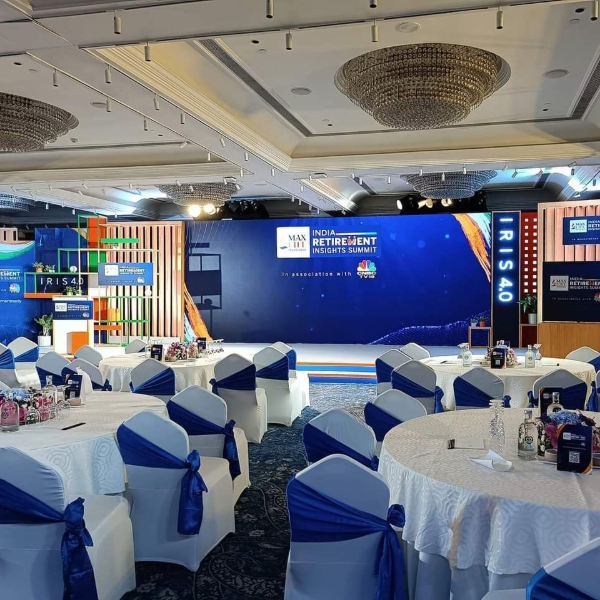
Technology Infrastructure
Ensure reliable Wi-Fi, adequate power outlets, and built-in AV equipment to support presentations and live streaming capabilities.
Flexible Space Configuration
Look for venues that can adapt to different session formats – from theater-style presentations to roundtable discussions and networking areas.
Professional Amenities
Consider venues offering business services like printing, technical support, and dedicated event coordination staff.
3. Mastering Vendor Coordination and Communication
Effective vendor management transforms good corporate events into exceptional ones. Building strong relationships with caterers, decorators, audiovisual technicians, and entertainment providers ensures seamless execution and creative problem-solving when challenges arise. Start vendor selection early, allowing time for thorough vetting, contract negotiations, and coordination meetings. Request detailed proposals that outline deliverables, timelines, and contingency plans.
Create a comprehensive vendor communication strategy that includes regular check-ins, shared project management tools, and clear escalation procedures. Establish a single point of contact from your team to avoid confusion and conflicting instructions. Document all agreements, changes, and special requirements in writing to prevent misunderstandings on event day.
Consider working with vendors who have experience in corporate events specifically, as they understand the professional standards, confidentiality requirements, and business etiquette expected in corporate settings. Happiffie's reverse auction platform helps you connect with pre-vetted, professional vendors while ensuring competitive pricing and quality service delivery.
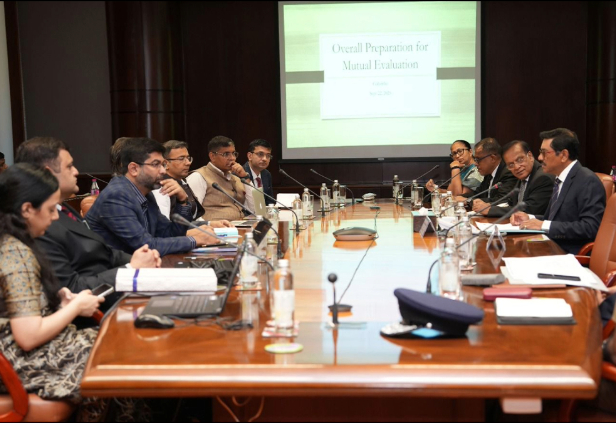
Key Vendor Categories:
Catering Services
Professional food and beverage providers specializing in corporate dietary requirements and service standards
Find CaterersAV Technology
Audiovisual equipment rental and technical support for presentations, live streaming, and entertainment
Decor & Branding
Corporate event styling that reflects brand identity while maintaining professional aesthetics
Photography Services
Professional event documentation for marketing materials, internal communications, and social media content
4. Creating Meaningful Attendee Engagement Experiences
Modern corporate events must prioritize attendee engagement to justify investment and achieve business objectives. Gone are the days of passive presentations and one-way communication. Today's successful corporate events incorporate interactive elements, networking opportunities, and personalized experiences that keep attendees invested throughout the program. Consider implementing live polling, breakout sessions, panel discussions, and hands-on workshops that encourage participation and knowledge sharing.
Design your event flow to balance information delivery with relationship building. Include structured networking sessions, coffee breaks in strategic locations, and interactive zones where attendees can connect naturally. Leverage technology through event apps, digital feedback systems, and social media integration to create ongoing engagement before, during, and after your event. This multi-touchpoint approach extends your event's impact beyond the single day or time period.
Interactive Workshop Zones
Dedicated spaces for hands-on learning experiences and skill-building sessions that encourage active participation
Explore VenuesNetworking Lounges
Comfortable, strategically designed areas that facilitate natural conversation and relationship building among attendees
Technology Integration Hubs
Spaces equipped with charging stations, digital displays, and live streaming capabilities for hybrid event experiences
5. Popular Corporate Event Themes and Formats
Selecting the right event theme and format depends on your objectives, audience, and company culture. Different formats serve different purposes – conferences work well for knowledge sharing, team-building retreats strengthen internal relationships, and product launches create market buzz. Consider your attendees' preferences, time constraints, and engagement styles when choosing between formal presentations, interactive workshops, or casual networking events.
Successful corporate events often blend multiple formats within a single program. Start with a keynote presentation to set the tone, followed by breakout sessions for deeper engagement, and conclude with networking opportunities for relationship building. This variety keeps energy levels high and accommodates different learning and interaction styles among your diverse attendee base.
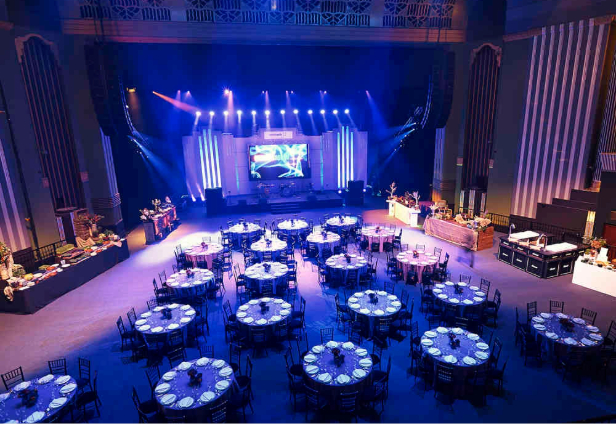
🎯 Leadership Summit
Executive-level conferences focused on strategic planning, industry insights, and high-level networking opportunities
🚀 Innovation Workshop
Interactive sessions encouraging creative thinking, product development, and collaborative problem-solving among teams
🤝 Client Appreciation
Relationship-building events designed to strengthen business partnerships and express gratitude to key clients
🏆 Awards & Recognition
Celebratory events highlighting achievements, motivating teams, and reinforcing company values and culture
📈 Product Launch
Strategic marketing events introducing new products or services to stakeholders, media, and target audiences
🌐 Industry Conference
Knowledge-sharing events bringing together experts, thought leaders, and professionals for education and networking
6. Corporate Event Budget Optimization and Cost Management
Effective budget management ensures your corporate event delivers maximum value while staying within financial constraints. Start by allocating your budget across major categories based on your event priorities and objectives. Typically, venue and catering consume the largest portions, but don't overlook hidden costs like transportation, materials, marketing, and contingency funds. Create detailed budgets for each category and track expenses throughout the planning process.
Smart cost optimization doesn't mean compromising on quality – it means making strategic choices that align spending with impact. Negotiate package deals with vendors, consider off-peak dates for better venue rates, and explore partnership opportunities that can reduce costs while adding value. Happiffie's reverse auction platform enables you to receive competitive quotes from multiple vendors, ensuring you get the best value for your investment without sacrificing service quality.
✨ Smart Budget Allocation Guide
💰 Cost-Saving Strategies:
- ✓Use Happiffie's Reverse Auction to compare vendor quotes and secure competitive pricing
- ✓Book venues and vendors well in advance to access early-bird discounts and avoid premium last-minute rates
- ✓Consider hybrid event formats to reduce venue size requirements while expanding your reach to remote attendees
- ✓Partner with sponsors or industry associations to share costs while adding credibility and networking value
- ✓
Leverage digital marketing channels for cost-effective promotion and registration management
- ✓
Negotiate package deals that bundle multiple services for better overall value and simplified coordination
Conclusion
Successful corporate event planning requires a strategic approach that balances business objectives with attendee experience. By implementing these proven strategies – from setting clear goals and selecting optimal venues to managing vendors and optimizing budgets – you can create impactful events that drive real business results. Remember that every corporate event is an opportunity to strengthen relationships, share knowledge, and advance your organization's mission in meaningful ways. Happiffie's comprehensive platform provides the tools and connections you need to execute flawless corporate events that exceed expectations.
Ready to transform your next corporate event into a strategic success? From finding the perfect corporate venues to connecting with experienced vendors, Happiffie simplifies every aspect of event planning. Our reverse auction system ensures you receive competitive pricing while maintaining the highest service standards. Start planning your next corporate event today and discover how professional event management can elevate your business objectives and create lasting impressions on your stakeholders.
Ready to Get Started?
Let Happiffie help you plan your dream event.

Are you a Vendor? Grow Your Business with Happiffie!
- High intent verified leads
- Reverse auction opportunities
- AI business tools & insights
- Dedicated vendor dashboard
- Grow your business, your way
It's free & takes less than 2 minutes!