
The foundation of any successful corporate event lies in clearly defined objectives that align with organizational goals. Begin by identifying whether your event aims to boost employee morale, celebrate achievements, facilitate team building, or launch new initiatives. Establish specific, measurable outcomes that will guide your planning decisions and help you evaluate success post-event.
Corporate Event Planning Timeline for HR Teams: Execution to ROI Guide

Table of Contents
Step 1: Define Event Objectives and Success Metrics
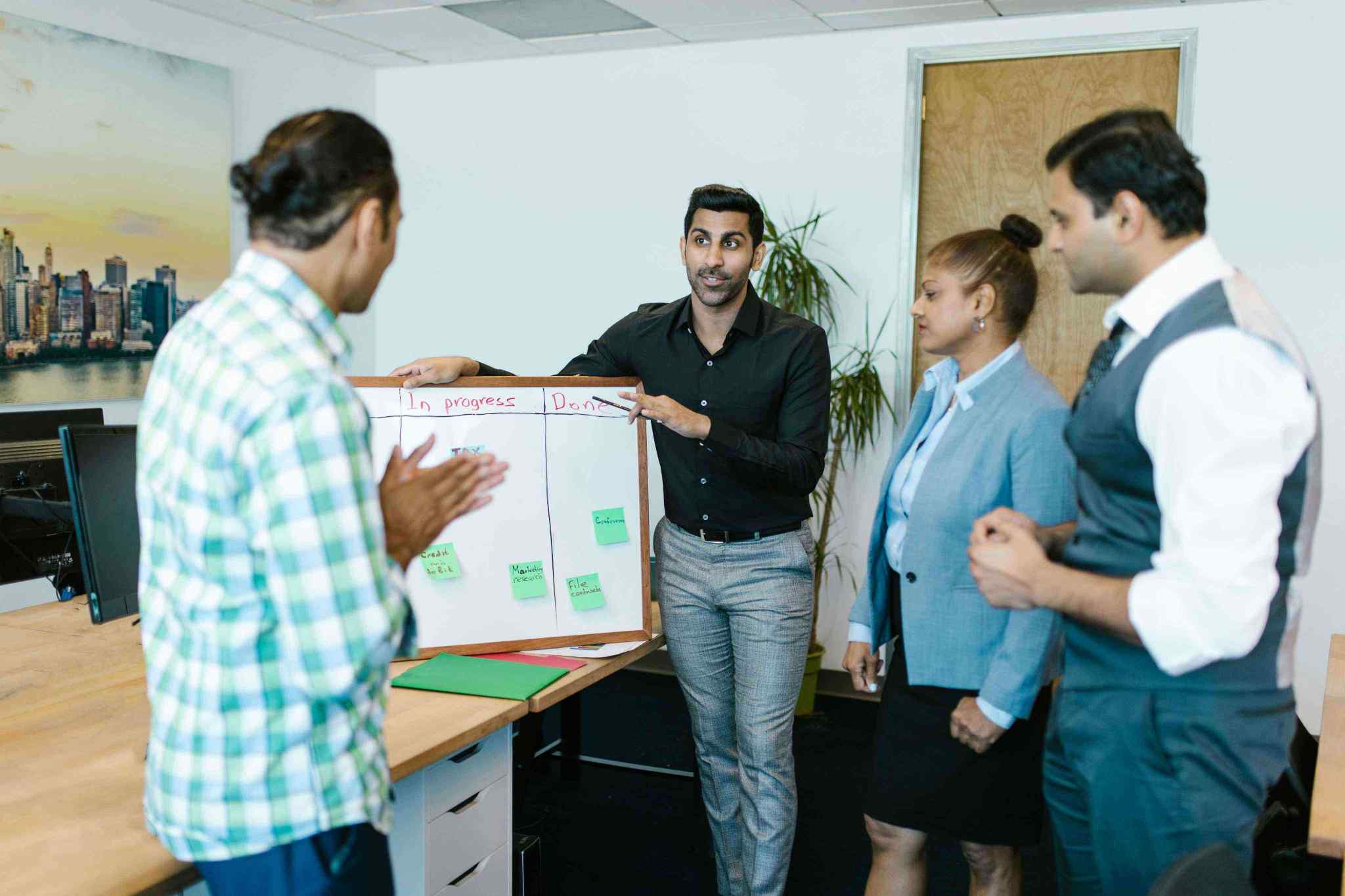
✨ Objective Setting Tips:
- ✓Align event goals with quarterly HR objectives and company vision
- ✓Set SMART goals (Specific, Measurable, Achievable, Relevant, Time-bound)
- ✓Define both quantitative metrics (attendance, engagement scores) and qualitative outcomes
- ✓Consider long-term impact on employee retention, productivity, and satisfaction
Pro Tip:
Use Reverse Auction to get competitive quotes from vendors who understand your specific objectives and can deliver measurable results.
Step 2: Budget Planning and Approval Process
Develop a comprehensive budget that accounts for all event components while demonstrating clear ROI potential. Present your budget with detailed cost breakdowns, expected attendance figures, and projected benefits to secure leadership approval and ensure adequate funding for a successful event.
✨ Budget Components Checklist:
✓Venue rental and catering costs with 15% contingency buffer
✓Entertainment, speakers, or activity facilitators
✓Marketing materials, signage, and promotional items
✓Technology requirements (AV equipment, Wi-Fi, registration systems)
Pro Tip:
Leverage our venue directory to compare pricing options and find corporate event spaces that fit your budget parameters.
Step 3: Timeline Development and Resource Allocation

Create a detailed project timeline working backward from your event date, allowing sufficient time for planning, approvals, and contingencies. Assign specific responsibilities to team members and establish regular check-in points to ensure all elements stay on track throughout the planning process.
✨ Timeline Planning Essentials:
✓12 weeks before: Venue booking and save-the-date announcements
✓8 weeks before: Vendor selection and contract finalization
✓6 weeks before: Invitations sent and RSVP tracking initiated
✓4 weeks before: Final headcount confirmation and catering adjustments
✓2 weeks before: Event logistics finalization and team briefings
✓1 week before: Final confirmations with all vendors and stakeholders
Step 4: Venue Selection and Vendor Management
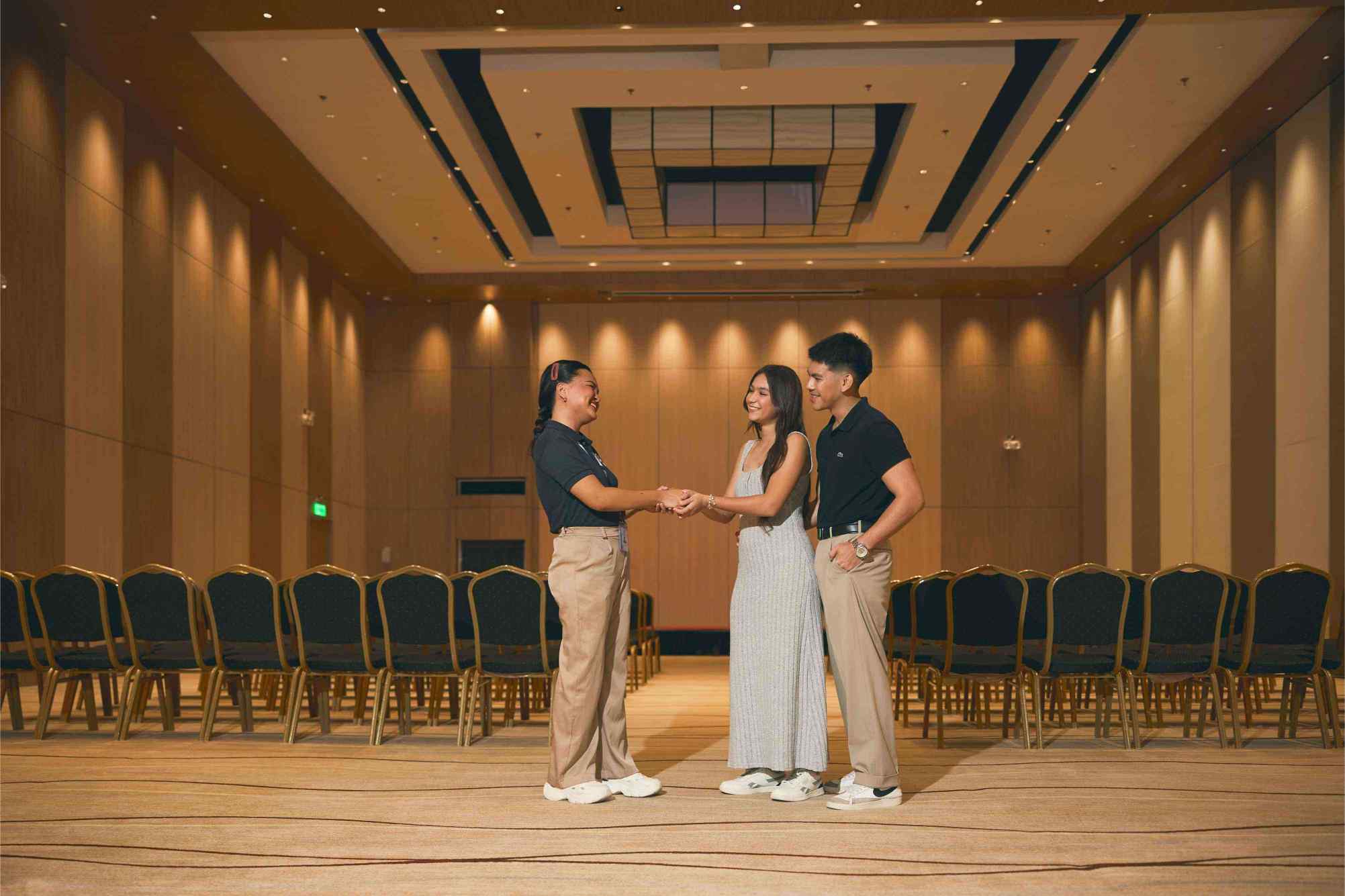
Choose venues and vendors that align with your event objectives, budget constraints, and company culture. Focus on partners who understand corporate events and can provide professional service while creating engaging experiences for your employees.
Venue Requirements
Capacity for expected attendance with room for activities, networking spaces, and accessibility features.
Catering Partners
Professional caterers offering diverse menu options, dietary accommodations, and reliable service.
Technology Vendors
AV specialists, registration platforms, and tech support for seamless event experience.
Entertainment Options
Team building facilitators, speakers, or entertainment that matches your company culture.
Step 5: Employee Engagement and Communication Strategy

Develop a comprehensive communication plan that builds excitement, ensures high attendance, and sets clear expectations for the event. Use multiple channels to reach all employees and create buzz around your corporate gathering.
✨ Communication Ideas:
- ✓Email campaigns: Multi-touch sequence with event details, agenda highlights, and RSVP reminders
- ✓Internal social platforms: Share behind-the-scenes planning updates and team spotlights
- ✓Physical materials: Eye-catching posters, desk drops, and countdown displays in common areas
Step 6: Event Logistics and Operational Setup

Coordinate all operational elements to ensure smooth event execution. Focus on creating a professional yet welcoming environment that reflects your company's values while facilitating meaningful connections among employees.
✨ Logistics Must-Haves:
✓Registration and check-in system with name badges and welcome materials
✓Clear signage and wayfinding throughout the venue space
✓Branded materials and corporate messaging displays
✓Emergency contacts list and backup plans for key components
✓Photography/videography team for content creation and memories
✓Post-event cleanup coordination and venue departure timeline
Step 7: Day-of Event Execution Timeline
Execute your event with precision timing and clear communication among all team members. Maintain flexibility to handle unexpected situations while ensuring all planned activities proceed smoothly and on schedule.
✨ Sample Timeline:
2 hours before:Venue setup completion, vendor coordination, and final tech checks
1 hour before:Team briefing, registration area setup, and welcome materials preparation
Event start:Guest registration, networking, and welcome activities begin
First hour:Opening remarks, agenda overview, and ice-breaking activities
Main program:Core activities, presentations, or team building exercises
Final hour:Wrap-up activities, thank you messages, and feedback collection
Step 8: Post-Event Analysis and ROI Measurement
Conduct thorough post-event analysis to measure success against your initial objectives and gather insights for future corporate events. Document both quantitative metrics and qualitative feedback to demonstrate value and identify improvement opportunities.
✨ ROI Measurement Options:
- ✓Employee satisfaction surveys: Measure engagement levels, event enjoyment, and perceived value
- ✓Attendance analytics: Track participation rates, session engagement, and networking interactions
- ✓Business impact metrics: Monitor productivity changes, retention rates, and team collaboration improvements
Ready to Plan Your Next Corporate Event?
<p>Transform your corporate event planning with Happiffie's comprehensive vendor network and expert support. From venue selection to ROI measurement, we'll help you deliver memorable experiences that drive real business results.</p>
Pro Tips for Success
Start Planning Early
Begin your corporate event planning 12-16 weeks in advance to secure the best venues and vendors while allowing time for approvals.
Leverage Technology
Use Happiffie's platform to streamline vendor selection, compare quotes, and manage all aspects of your event planning process.
Use Reverse Auction
Get competitive quotes from multiple vendors through reverse auction to maximize your budget and ensure the best value for your corporate event.
Measure Everything
Document all metrics and feedback to demonstrate ROI and continuously improve your corporate event planning strategy.

Are you a Vendor? Grow Your Business with Happiffie!
- High intent verified leads
- Reverse auction opportunities
- AI business tools & insights
- Dedicated vendor dashboard
- Grow your business, your way
1M+Active Users
300+Events Daily
High QualityLeads
FasterBookings
It's free & takes less than 2 minutes!