25+ Stunning Wedding Mandap Ideas for 2024
From traditional to contemporary, explore the most breathtaking mandap designs that will elevate your wedding… more

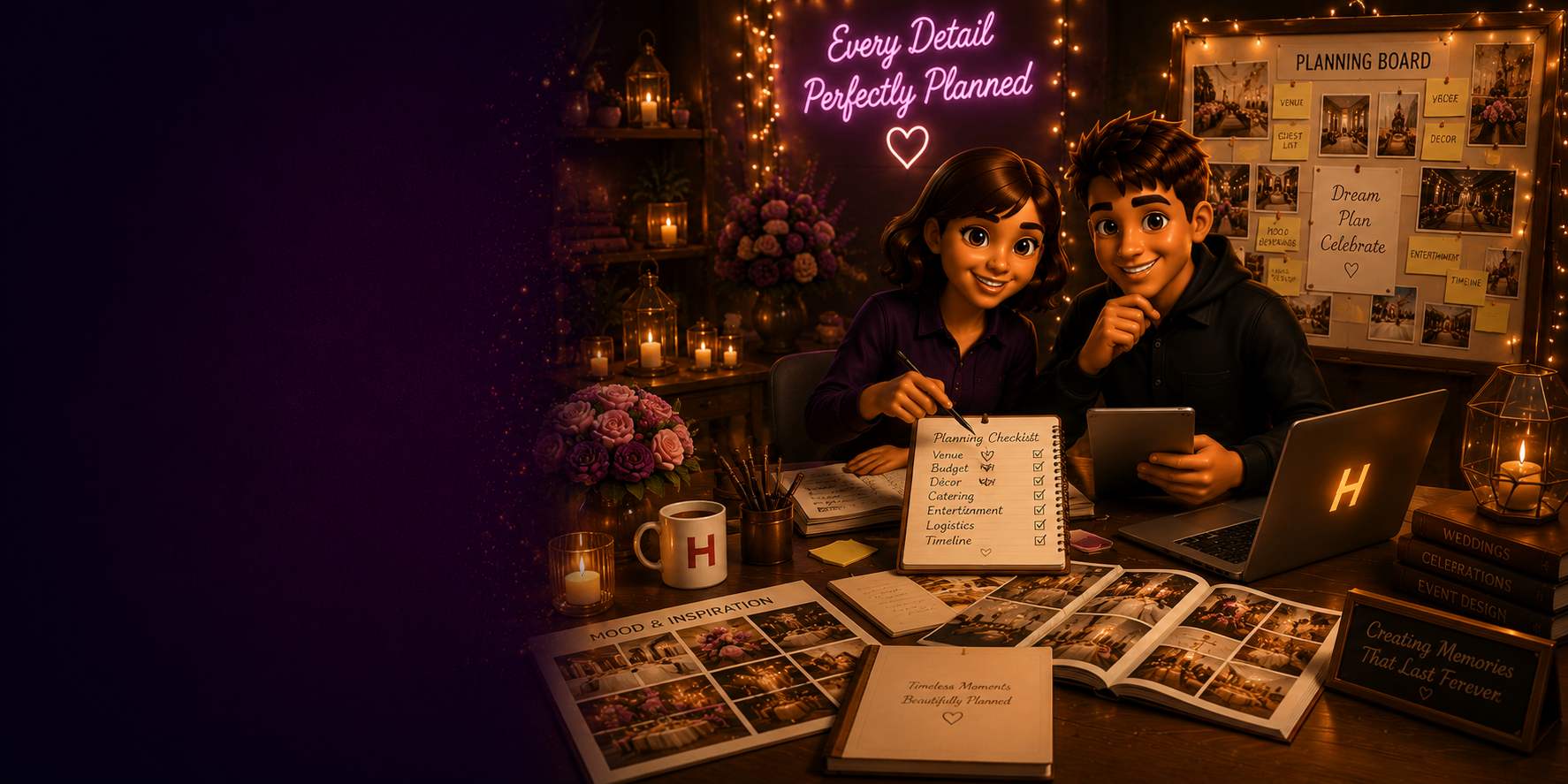 Looking for inspiration? Looking for catering intelligence?
 Ideas, inspiration and expert insights to help you plan, coordinate and create seamless experiences for every event and celebration.
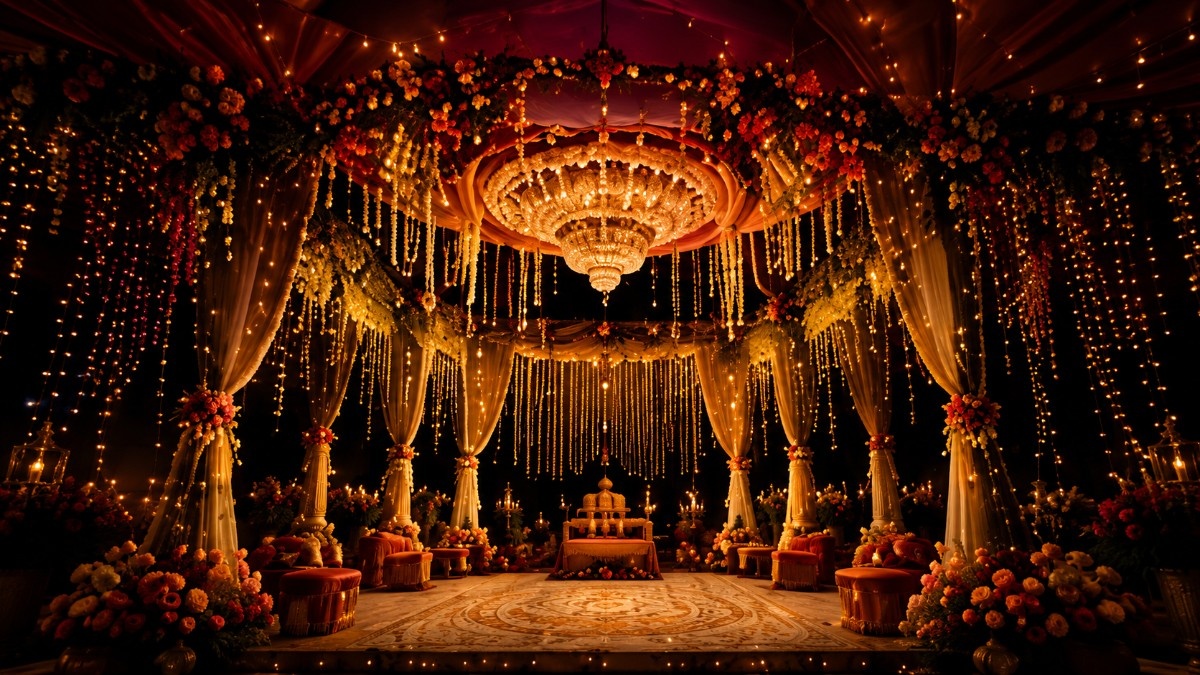
From traditional to contemporary, explore the most breathtaking mandap designs that will elevate your wedding… more
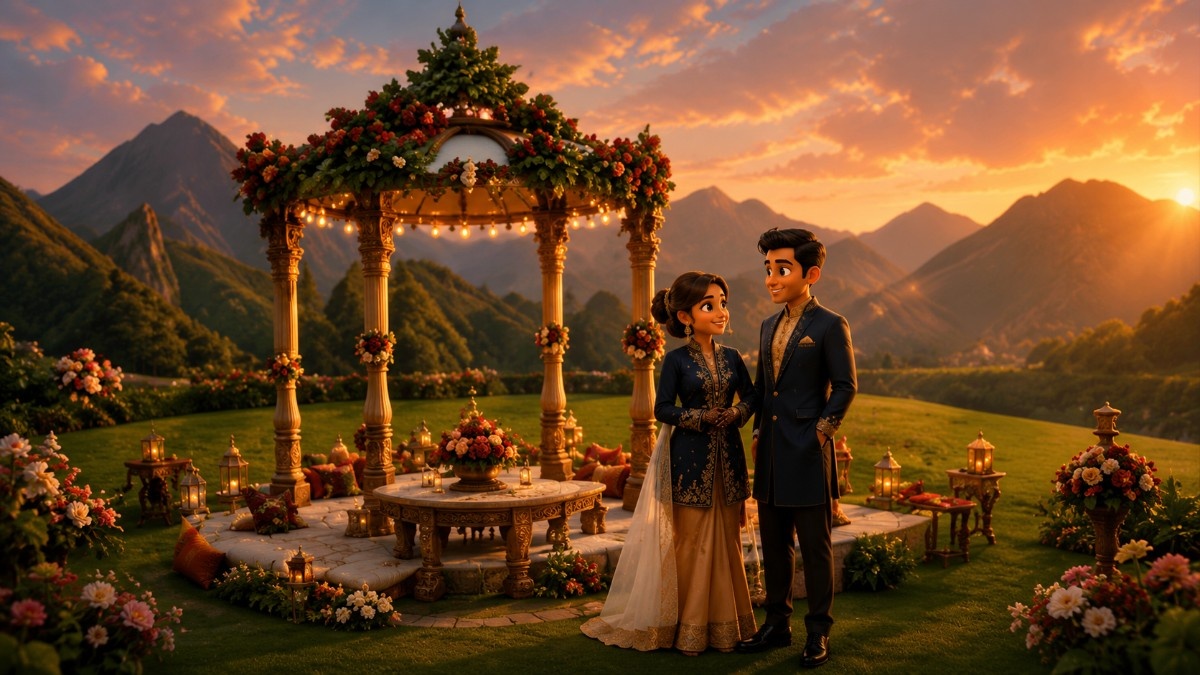
Plan a flawless destination wedding with this comprehensive checklist covering everything you need.
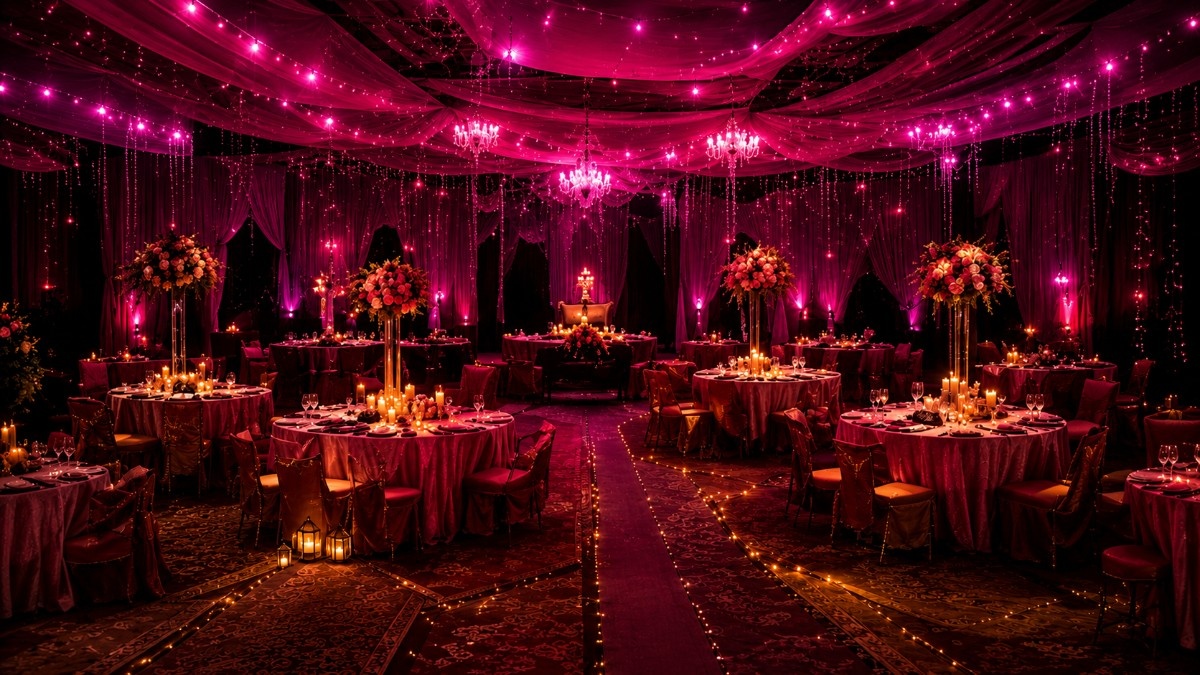
Timeless themes that bring elegance, beauty and unforgettable memories to your big day.
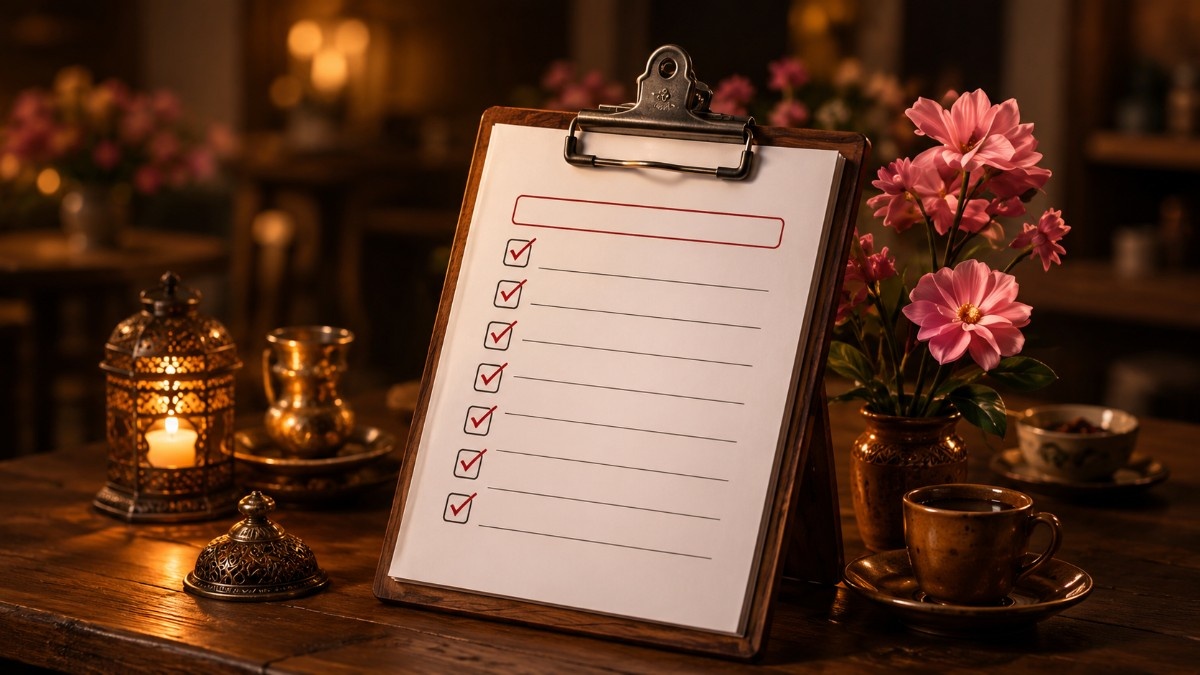
Your month-by-month guide to planning the perfect wedding stress-free and on time.

A beautiful blend of tradition and modernity. See how this couple planned their dream wedding.

Smart tips and tricks to plan your dream wedding within budget without compromising.
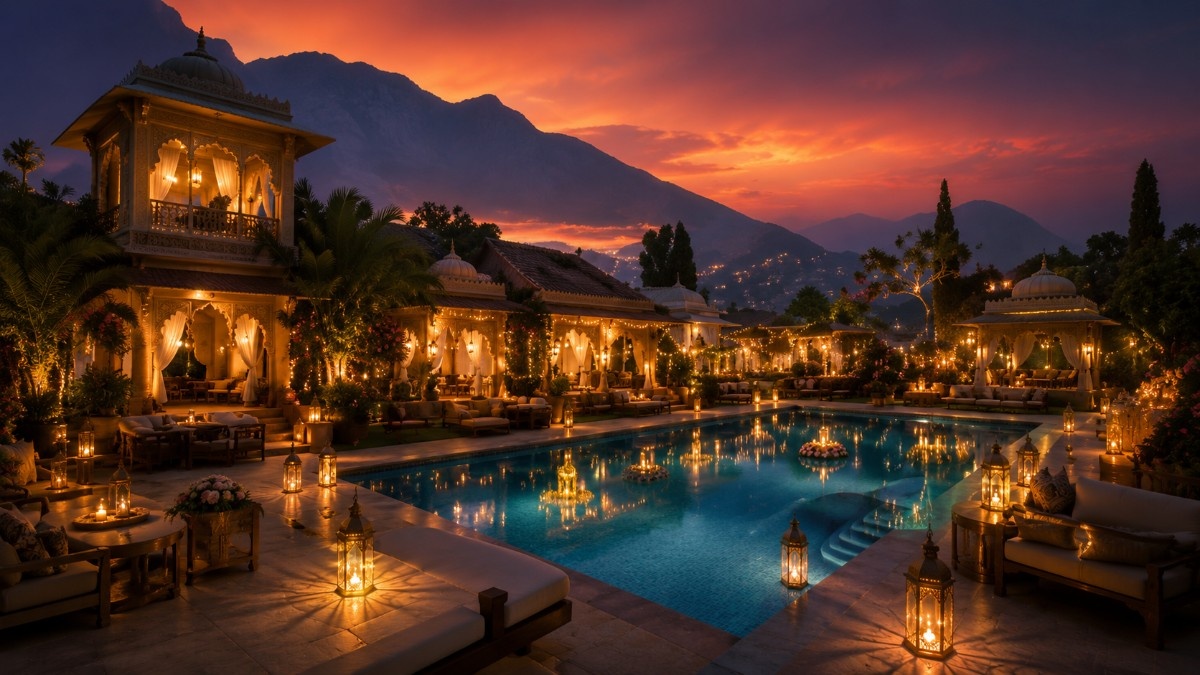
Handpicked venues across India that offer stunning experiences for every type of wedding.
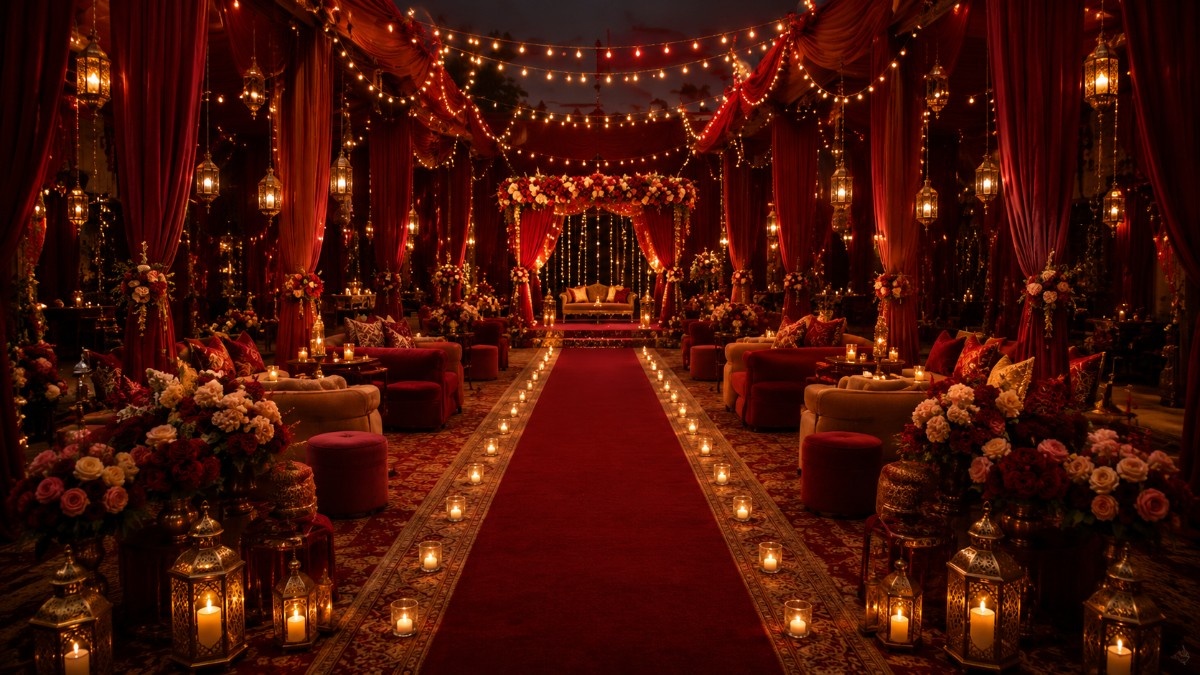
From grand entries to royal stays, curated luxury experiences that make your wedding unforgettable.

Detailed breakdown to help you allocate your budget smartly and avoid surprises.

Creative pre-wedding shoot ideas that capture your love story beautifully.
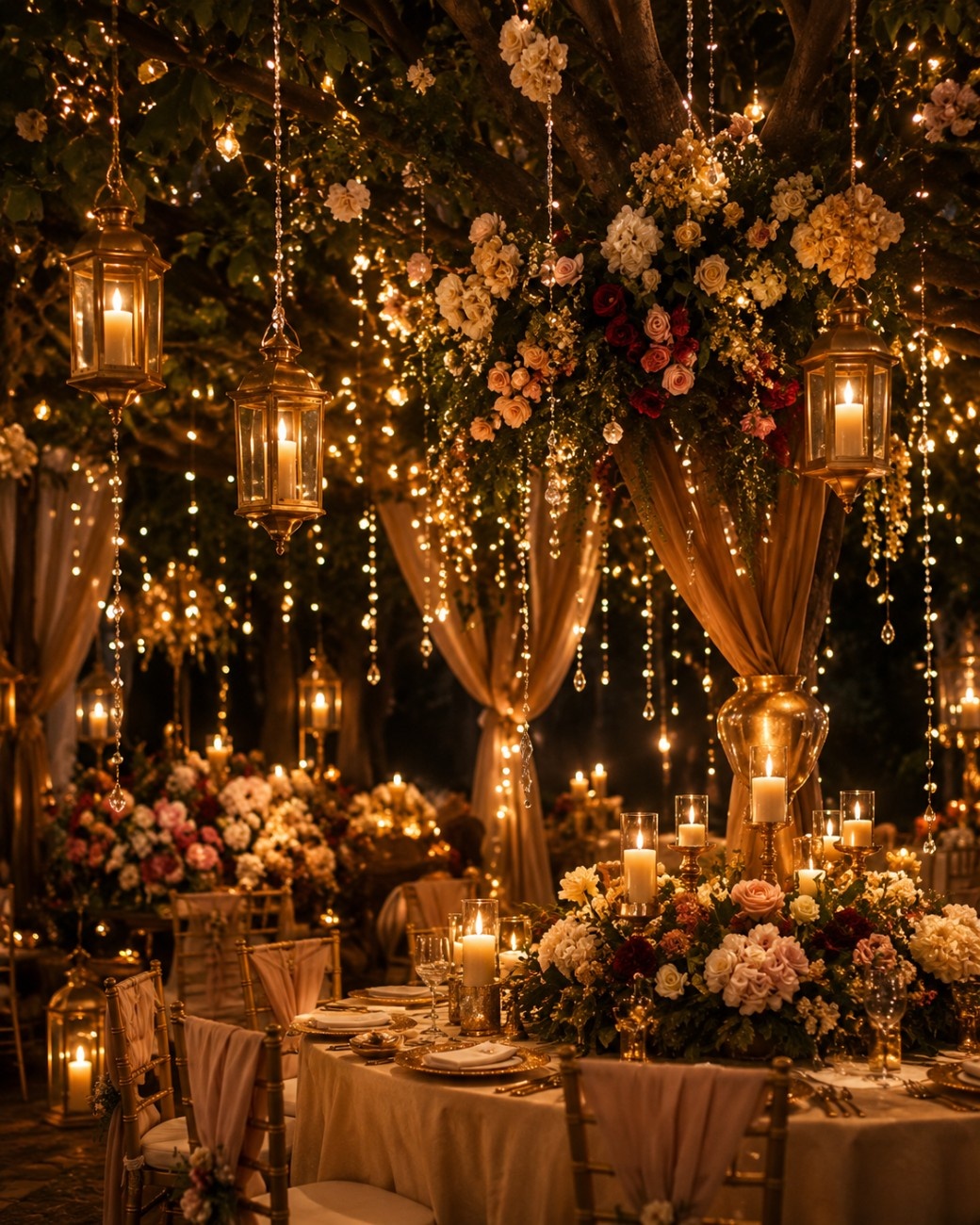
From minimal elegance to grand celebrations, discover the top décor trends this year.
Get the latest event ideas, planning tips, trends and expert insights straight to your inbox.

Planning is the foundation of a successful event or celebration. From defining the occasion and coordinating schedules to managing vendors, budgets, guests and experiences, every decision contributes to how smoothly an event comes together. Happiffie’s Planners Intelligence Hub brings together practical planning ideas, coordination guidance, expert insights and inspiration to help you organise events with greater clarity and confidence.
Whether you are arranging a private celebration, social gathering, corporate event, cultural ceremony, milestone occasion, party or destination experience, effective planning helps connect the many moving parts. A strong plan considers the purpose of the event, guest expectations, location, timeline, services, budget and overall experience before individual decisions are made.
Explore planning resources designed to help you move from an initial idea to a structured event plan, while keeping creativity, practicality and guest experience at the centre.
Every successful event starts with a clear understanding of what needs to happen. Begin by defining the occasion, objectives, expected audience, preferred atmosphere and approximate scale. These fundamentals provide direction for decisions about location, services, entertainment, food, decor, technology and guest management.
Once the event concept is established, create a planning framework that separates major requirements into manageable stages. Initial planning can cover the date, location, estimated attendance and budget. The next stage can focus on selecting suppliers, developing the event experience and confirming logistics. Closer to the occasion, attention can shift toward schedules, setup, coordination and final confirmations.
Planning should remain flexible because event requirements can change. Guest numbers may shift, supplier availability can vary, and weather or location considerations may require adjustments. A practical plan leaves enough room for changes without affecting the essential experience.
An effective event plan brings together the most important decisions in one organised framework. Start with the event objective and work backwards from the desired guest experience.
Define the date, location, guest profile, estimated attendance and event duration. Then identify the major service categories required, such as catering, decor, entertainment, photography, transportation, invitations, furniture, lighting and technical support.
Break the work into deadlines rather than treating everything as one large task. Booking a location, confirming key suppliers, finalising menus, approving creative elements and communicating guest information can each have separate completion dates.
A useful plan should also identify responsibilities. When several people are involved, assign ownership for specific tasks and establish clear communication channels. This reduces duplicated work and makes it easier to identify anything that needs attention.
Keep important information accessible, including supplier contacts, payment schedules, agreements, event timings, guest details and contingency arrangements. Good organisation reduces unnecessary last-minute pressure and gives the planning team a clearer view of progress.
Coordination connects individual planning decisions into one functioning event. A timeline helps ensure that suppliers, hosts, staff and participants understand when activities need to happen.
Start with the major milestones and then work toward smaller operational details. These may include arrival times, venue access, setup, decor installation, catering preparation, technical checks, guest entry, performances, meals, photography sessions and event closing.
Supplier coordination is particularly important when multiple teams share the same location. Decorators may need access before caterers, technical teams may require time for equipment testing, and entertainment providers may need dedicated setup space. These requirements should be incorporated into the master schedule.
A final event-day timeline should be practical rather than overloaded. Include reasonable transition periods between activities and allow time for unexpected delays. Sharing the relevant schedule with the people responsible for each part of the event can improve communication and reduce confusion.
Planning often involves selecting multiple suppliers, and comparing them requires more than looking at price alone. Consider experience, service scope, availability, communication, quality, location, setup requirements and the specific needs of your occasion.
Prepare a clear brief before requesting proposals. Include the event date, location, estimated guest count, required service, expected duration and any important preferences. A detailed brief helps suppliers understand what you need and makes comparisons more meaningful.
Review exactly what is included in each proposal. Ask about setup and dismantling, transportation, staffing, equipment, additional charges, cancellation terms and payment schedules. For services involving multiple teams, confirm how coordination will be handled on the event day.
The best supplier relationship is built on clear expectations. Confirm important details in writing and maintain a central record of agreements, deadlines and outstanding actions.
A realistic budget gives structure to event planning and helps prioritise spending. Begin by estimating the overall amount available, then divide it across major requirements such as location, catering, decor, entertainment, photography, transport, technology, stationery and guest services.
Avoid focusing only on individual prices. Consider the total cost of each service, including delivery, setup, staffing, equipment, taxes and additional requirements where applicable.
Priorities will differ from one event to another. Some hosts may place greater importance on food and dining, while others may focus on entertainment, decor, guest accommodation or production. Establishing priorities early makes it easier to decide where to allocate more of the available budget.
Maintain a record of confirmed costs, deposits, balances and potential additional expenses. Reviewing the budget throughout the planning process can highlight overspending before it becomes difficult to correct.
A contingency allowance is also useful for unexpected requirements. Flexible budgeting gives the planning team room to respond when circumstances change without compromising essential elements.
An event should be planned from the guest's perspective as well as the organiser's perspective. Think about what guests see, hear and experience from arrival to departure.
Consider how easily people can reach the location, where they will enter, where they will wait, how they move between spaces and where important facilities are located. Seating, food service, entertainment, signage, restrooms and accessibility should work together rather than being treated as separate decisions.
Event flow is especially important when an occasion includes several activities. Clear transitions can prevent queues, overcrowding and unnecessary waiting. Allowing adequate time between sessions also gives guests an opportunity to interact and enjoy the celebration.
Small details can influence the overall experience. Welcome arrangements, refreshments, comfortable seating, clear information and helpful staff can make an event feel more organised without requiring major additional investment.
Planning requirements vary according to the nature of the occasion. A corporate gathering may prioritise schedules, presentations, technology, networking and professional guest management. A private celebration may focus more heavily on food, entertainment, decor and social interaction.
Cultural and ceremonial occasions can involve specific traditions, timings, spaces and participant requirements. Parties may require flexible entertainment areas, food service and guest movement, while milestone celebrations can combine formal activities with personalised experiences.
Destination events add another layer of coordination because travel, accommodation, transportation and local suppliers may need to be managed alongside the main event requirements.
Rather than relying on a single planning formula, build the framework around the purpose and format of the occasion. This makes it easier to adapt the schedule, supplier mix, guest services and experience to what the event actually needs.
Location can influence almost every part of event coordination. Major cities such as Bengaluru, Chennai, Hyderabad, Mumbai, Pune, Delhi and Kolkata offer diverse supplier networks and event infrastructure, while destinations such as Goa, Jaipur, Udaipur and Kochi can provide distinctive settings and experiences.
When planning an event in a specific city, consider local availability, travel times, accommodation, venue access, supplier logistics, seasonal conditions and transportation. Local expertise can also be valuable when an organiser is unfamiliar with the destination.
For destination celebrations, plan travel and accommodation alongside the core event rather than leaving them until the final stages. Guest communication becomes particularly important when attendees are travelling from different locations.
Location-specific planning should always account for the practical realities of the destination while preserving the intended character of the celebration.
Event planning continues to evolve as hosts look for more personalised and memorable experiences. Interactive formats, curated guest journeys, experiential dining, flexible event spaces, technology-enabled communication and distinctive entertainment concepts can add new dimensions to an occasion.
Technology can also simplify planning through digital invitations, online confirmations, shared schedules, guest communication, virtual coordination and event management tools. The right technology should reduce complexity rather than introduce unnecessary steps.
Personalisation remains an important planning direction. Customised experiences, meaningful themes, locally inspired elements and activities designed around the audience can make an event feel more distinctive.
Trends should be used selectively. A popular idea may not suit every location, audience or budget. The strongest planning decisions combine current inspiration with practical requirements and the purpose of the celebration.
Event planning rarely happens in isolation. The choice of location can influence decor, catering, entertainment, photography, transportation, furniture and technical requirements. Similarly, the event schedule can affect food service, performances, lighting, guest movement and supplier access.
Happiffie connects these areas through a broader event and celebration ecosystem. Alongside planning resources, you can explore venues, food and beverages, decor, entertainment, beauty and grooming, travel and transport, photo and video, invitations, gifting, audio and lighting, event support and technology-enabled solutions.
This connected approach makes it easier to understand how individual decisions work together. Instead of planning each requirement independently, you can build an experience where the location, services, schedule and guest journey complement one another.
Use the Planners Intelligence Hub to discover ideas, practical guides, coordination insights, timelines and resources that support the complete event-planning process.
Strong event planning does not mean predicting every detail. It means creating enough structure to make important decisions clearly while leaving room to adapt when circumstances change.
Start with the purpose of the occasion, understand your guests, establish the budget, build a realistic timeline and select services that support the experience you want to create. Keep communication organised, confirm important details and review progress regularly as the event approaches.
Whether you are organising a corporate gathering, private celebration, party, ceremony, milestone occasion or destination experience, thoughtful coordination can turn many separate requirements into one seamless event.
Explore Happiffie’s Planners Intelligence Hub for event planning ideas, coordination guidance, timelines, supplier considerations, experience inspiration and practical resources that help you plan with confidence.