
Start by analyzing your event's specific catering needs including guest count, venue layout, and menu type. Consider factors like indoor vs outdoor setting, power availability, and space constraints that will impact equipment selection. Document your requirements clearly to communicate effectively with rental vendors.
Complete Catering Equipment Rental Guide for Events in India
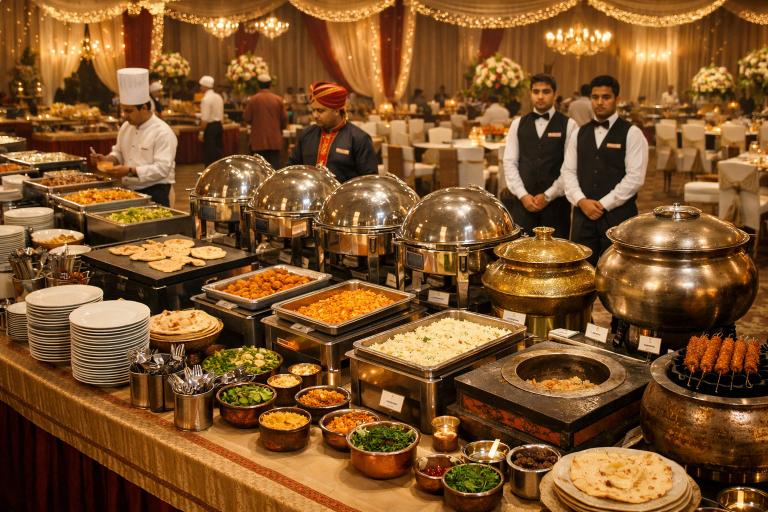
Table of Contents
Step 1: Assess Your Event Requirements
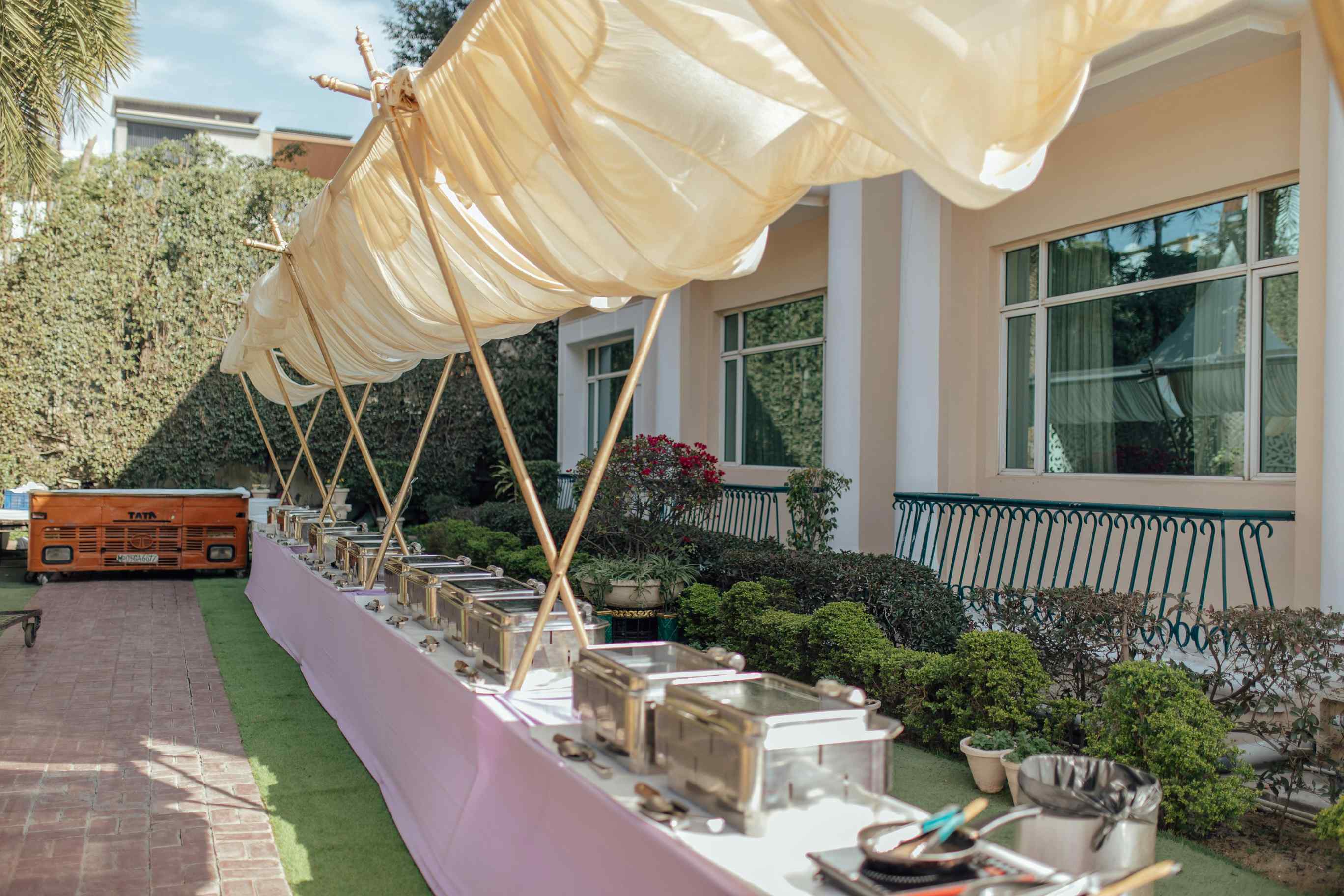
✨ Planning Tips:
- ✓Count confirmed guests plus 10% buffer for accurate quantities
- ✓Check venue's existing equipment to avoid duplicate rentals
- ✓Consider dietary restrictions that may require specialized equipment
- ✓Factor in service staff requirements for equipment operation
Pro Tip:
Use Reverse Auction to get multiple equipment rental quotes simultaneously, ensuring you receive the most competitive pricing for your specific requirements.
Step 2: Choose Essential Equipment Categories
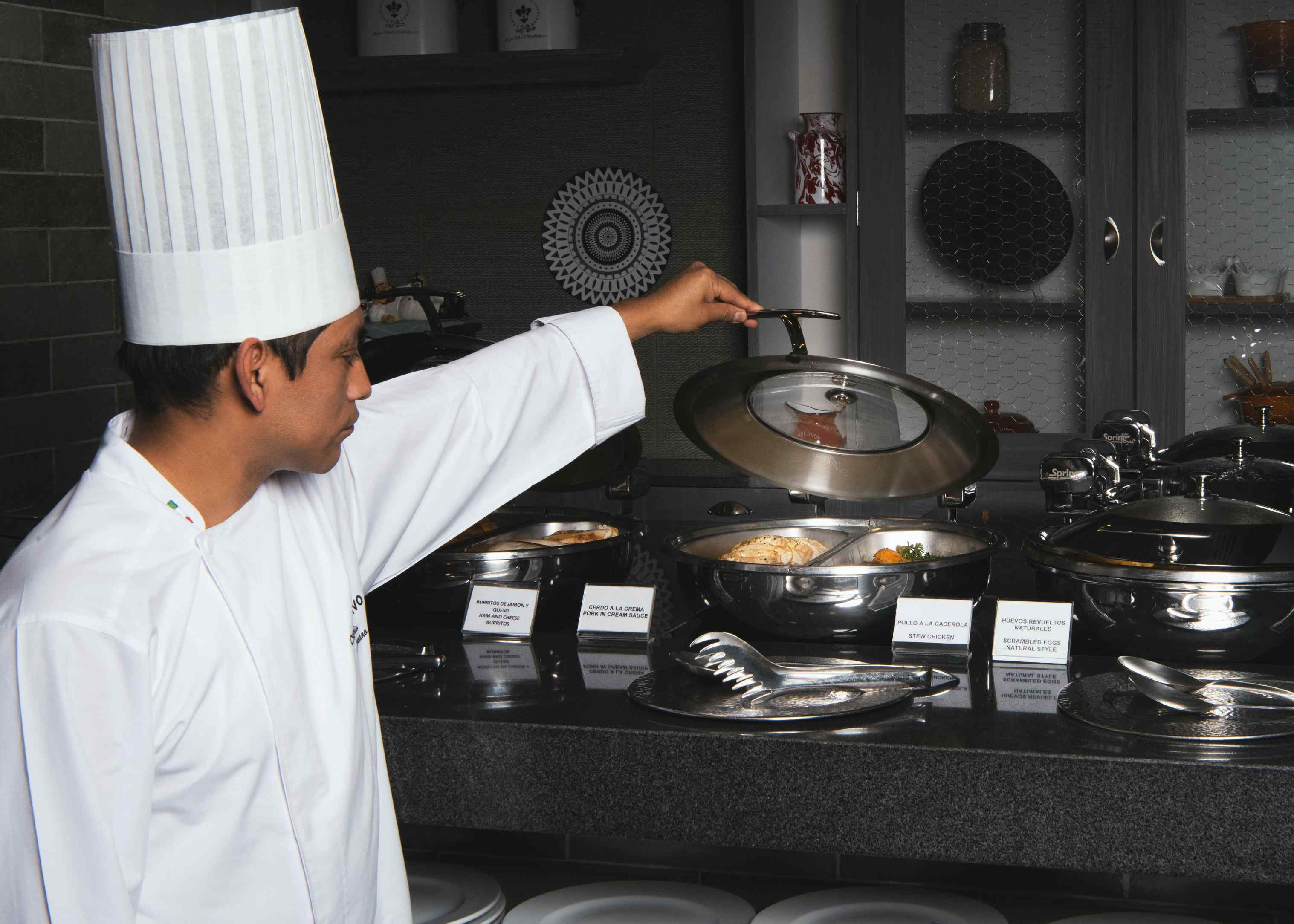
Identify the core equipment categories you'll need based on your menu and service style. Focus on cooking equipment, food storage, serving utensils, and cleaning supplies as your foundation categories. Each category serves a specific purpose in your catering operation workflow.
✨ Selection Checklist:
✓Cooking equipment (stoves, ovens, grills, hotplates)
✓Food storage (refrigerators, warmers, chafing dishes)
✓Serving equipment (platters, bowls, utensils, serving spoons)
✓Beverage equipment (coffee machines, water dispensers, ice buckets)
Pro Tip:
Browse our comprehensive venue directory to understand what equipment is typically available at your chosen location, helping you optimize your rental list.
Step 3: Calculate Equipment Quantities
Accurate quantity calculation prevents shortages and reduces unnecessary costs. Use industry-standard ratios based on guest count and service duration. Factor in backup equipment for critical items and consider peak usage periods during your event.
✨ Essential Information:
✓Guest count with 10-15% buffer for accurate planning
✓Number of courses and service rounds planned
✓Peak serving periods and simultaneous dish requirements
✓Dietary restrictions requiring separate equipment
✓Service staff count affecting equipment rotation
✓Event duration impacting equipment usage cycles
Step 4: Compare Rental Options

Evaluate different rental packages and pricing structures available in your city. Compare basic rental vs full-service packages, delivery options, and equipment quality grades. Understanding these differences helps you choose the most cost-effective solution for your specific needs.
Basic Rental
Equipment only, self-pickup, standard cleaning. Best for small events with experienced staff. ₹5,000-15,000 range.
Delivery Package
Equipment with delivery and pickup service. Ideal for medium events. Additional ₹2,000-5,000 for logistics.
Full Service
Equipment, delivery, setup, cleaning, and pickup. Perfect for large events. ₹20,000-50,000+ comprehensive package.
Premium Package
High-end equipment, white-glove service, backup equipment, on-site support. ₹50,000+ luxury events.
Step 5: Quality Check and Vendor Selection
Verify equipment quality, cleanliness standards, and vendor reliability before finalizing your selection. Request to see actual equipment, check maintenance records, and read recent customer reviews. Quality equipment ensures food safety and smooth event execution.
✨ Ideas:
- ✓Hygiene standards: Request equipment sanitization certificates and cleaning protocols
- ✓Equipment condition: Inspect for wear, functionality, and professional appearance
- ✓Vendor reliability: Check reviews, references, and backup equipment availability
Step 6: Delivery and Setup Planning
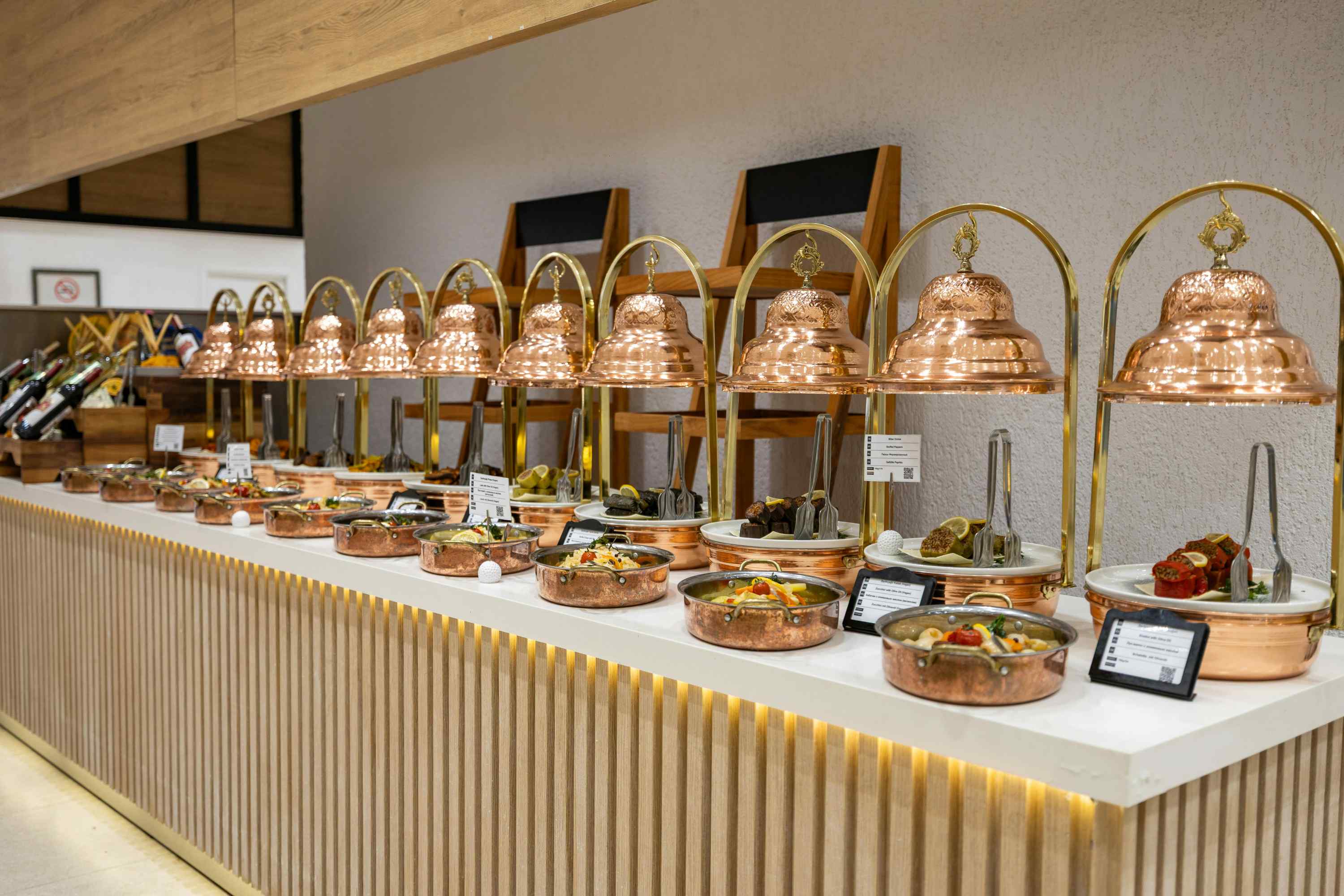
Coordinate delivery timing, venue access, and setup requirements with your rental vendor. Plan equipment placement to optimize workflow and ensure adequate power supply and ventilation. Clear communication prevents delays and setup complications on your event day.
✨ Must-Haves:
✓Delivery time confirmation 24 hours before event
✓Venue contact information and access instructions
✓Equipment placement diagram with power requirements
✓Setup crew contact numbers and arrival schedule
✓Emergency contact list for equipment issues
✓Return pickup timing and packaging requirements
Step 7: Create Equipment Schedule

Develop a detailed timeline for equipment usage, cleaning cycles, and transitions between courses. This schedule ensures efficient operations and prevents equipment bottlenecks during peak service periods. Share this timeline with your catering team and service staff.
✨ Sample Timeline:
4 hours before:Equipment delivery and initial setup
2 hours before:Final equipment testing and preparation
Event start:Begin food preparation and warming
Service peak:All equipment in active use
Mid-event:Equipment rotation and cleaning cycles
Event end:Equipment breakdown and packaging
Step 8: Budget Planning and Booking
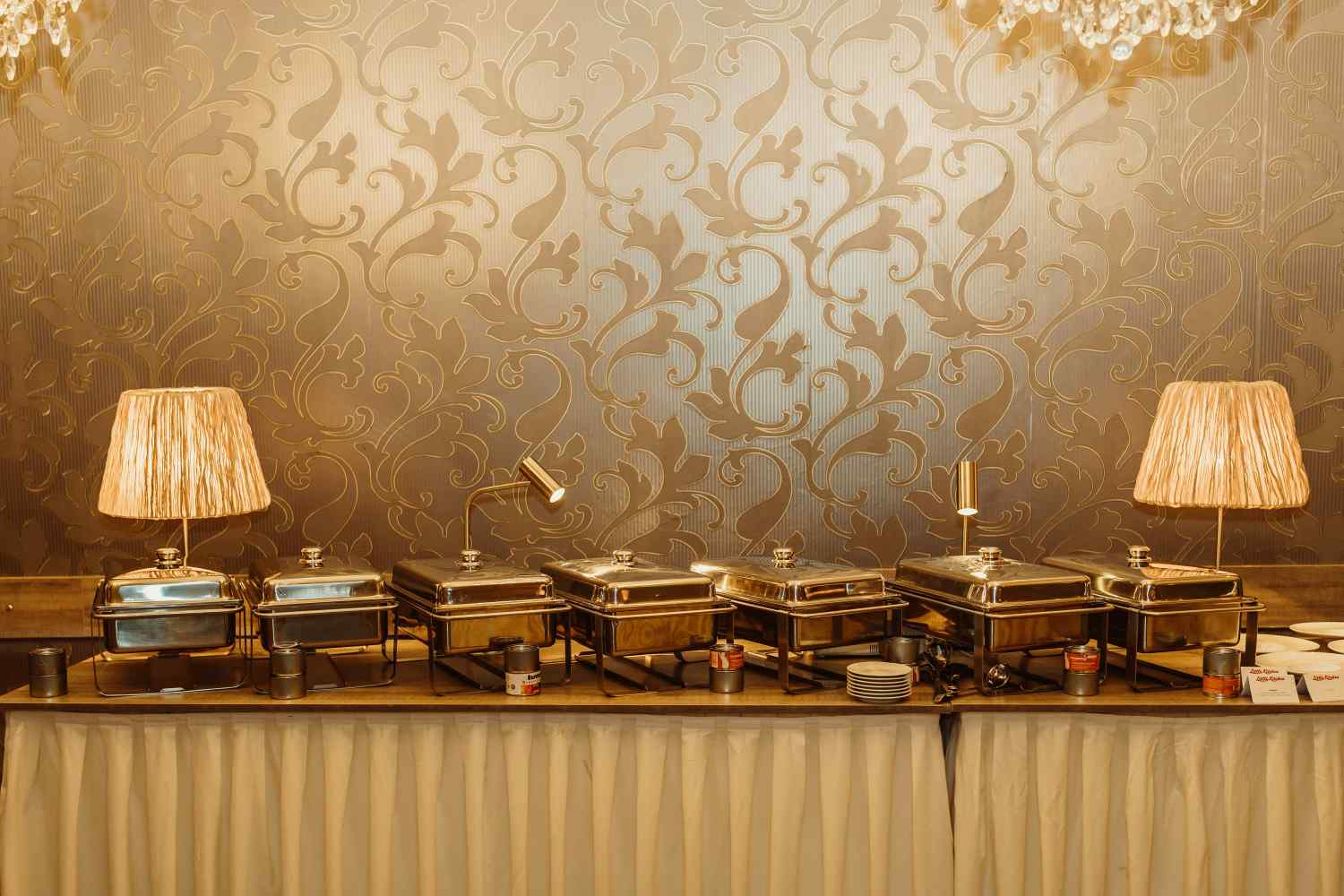
Finalize your equipment rental budget considering all associated costs like delivery, setup, insurance, and potential damage deposits. Book your equipment well in advance, especially during peak wedding seasons in Delhi, Mumbai, Bangalore, and Chennai. Secure backup options for critical equipment.
✨ Options:
- ✓Early booking discounts: Reserve 4-6 weeks ahead for 10-15% savings
- ✓Package deals: Combine with other rentals for better pricing
- ✓Damage insurance: Optional coverage for ₹500-2000 protecting against accidental damage
Ready to Get Started?
<p>Start planning your perfect event catering setup with professional equipment rental through Happiffie's trusted vendor network. Get competitive quotes and expert guidance every step of the way.</p>
Pro Tips for Success
Start Early
Book catering equipment 6-8 weeks before your event date, especially during peak wedding seasons from November to February in India.
Stay Organized
Use Happiffie's vendor management tools to track equipment bookings, delivery schedules, and payment milestones in one convenient platform.
Use Reverse Auction
Get competitive quotes from multiple equipment rental vendors simultaneously through Happiffie's reverse auction system, saving 15-25% on average.
Enjoy the Moment
With proper equipment planning and reliable vendors, you can focus on celebrating your special day knowing the catering setup is handled professionally.

Are you a Vendor? Grow Your Business with Happiffie!
- High intent verified leads
- Reverse auction opportunities
- AI business tools & insights
- Dedicated vendor dashboard
- Grow your business, your way
1M+Active Users
300+Events Daily
High QualityLeads
FasterBookings
It's free & takes less than 2 minutes!