
How to Compare Wedding Outfit Vendors Before Booking: Complete Guide
Smart comparison strategies to find the perfect designer for your dream wedding outfits
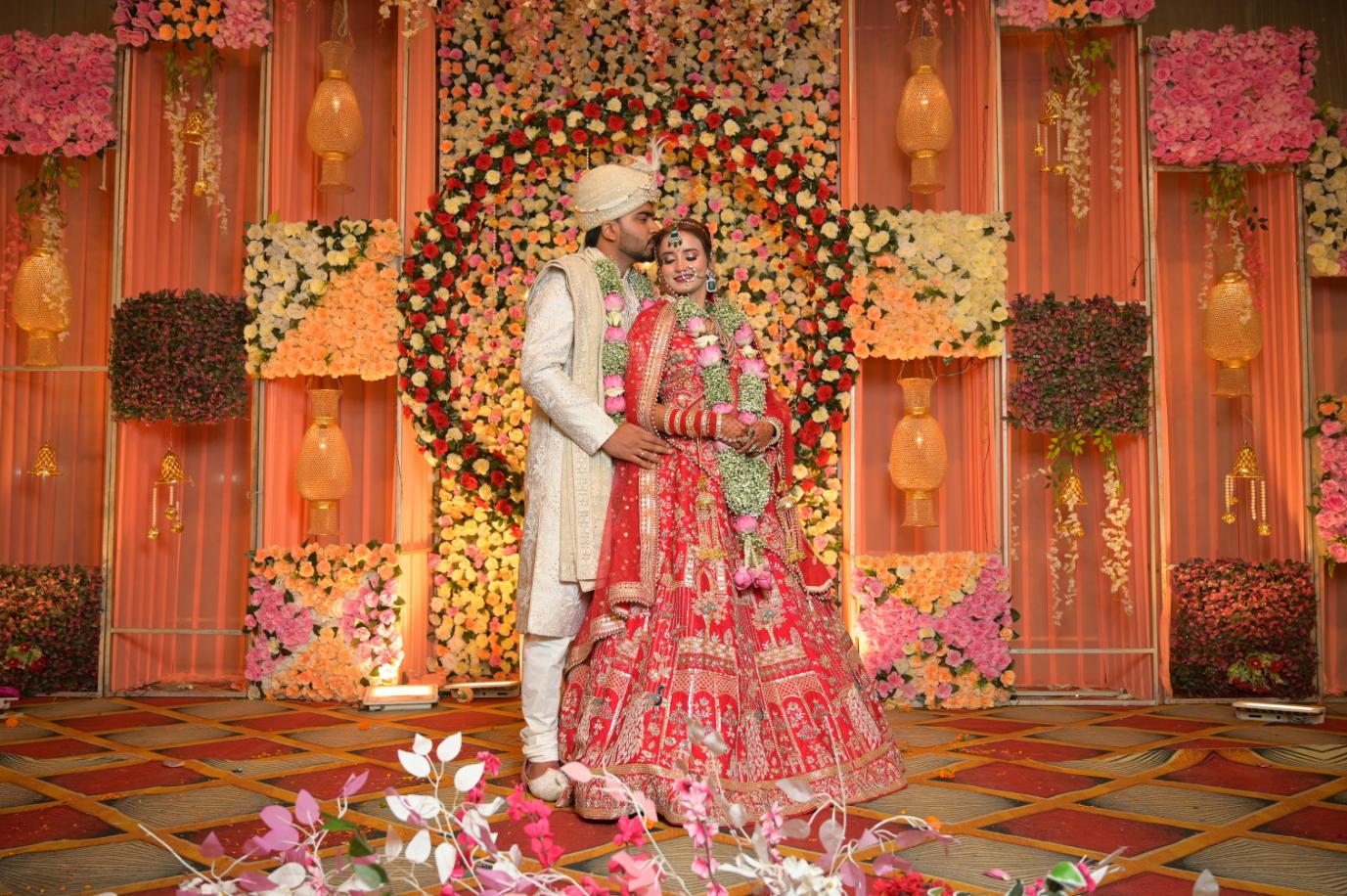
A Pune bride recently spent ₹4.5 lakhs on her wedding lehenga, only to discover the same designer offered identical pieces for ₹2.8 lakhs through a different showroom. Wedding outfit shopping represents 25-30% of Indian wedding budgets, yet most couples book their first consultation without comparing alternatives.
The Indian wedding outfit market spans from ₹50,000 local tailors to ₹15 lakh designer studios, with quality and service varying dramatically. Mumbai's summer weddings demand breathable fabrics, while Delhi's winter ceremonies allow heavier silks, yet many vendors don't adjust recommendations seasonally. Finding the right bridal styling team becomes even more complex when outfit delivery delays cascade into makeup trial scheduling.
This comprehensive guide reveals the decision framework successful couples use to evaluate wedding outfit vendors systematically. You'll learn the five critical comparison factors, hidden cost traps, and negotiation strategies that save ₹50,000+ on average. Happiffie's vendor network applies these same screening criteria to ensure quality matches investment.
📋 Table of Contents
Understanding the Wedding Outfit Landscape
Wedding outfit shopping has transformed from family tailor recommendations to Instagram discovery, creating both opportunities and confusion. Today's couples research 15+ vendors before booking, spending 3-4 months on outfit planning alone. The challenge isn't finding options—it's evaluating quality, reliability, and value across vastly different vendor types and price points.
A Chennai couple planning their December wedding faces unique considerations: outdoor ceremonies require lighter fabrics despite winter timing, local humidity affects embellishment choices, and Chennai's traffic patterns influence trial scheduling. Their ₹8 lakh budget needs allocation across bride's lehenga (₹4L), groom's sherwani set (₹1.5L), sangeet outfits (₹1.5L), and reception wear (₹1L). Each category demands different vendor expertise and comparison criteria.
Most couples make critical mistakes during initial vendor meetings: accepting verbal quotes without written estimates, skipping fabric quality checks, and failing to verify delivery timelines against wedding dates. Professional vendors provide detailed fabric sourcing, alteration schedules, and backup plans upfront. These details separate established ateliers from opportunistic seasonal operators who disappear during peak wedding months.
The vendor landscape ranges from heritage brands with 50+ year legacies to celebrity designers launching direct-to-consumer lines. Understanding each category's strengths helps couples match their priorities—budget consciousness, exclusivity, customization level, or brand prestige—with appropriate vendor types. Wedding venue selection also influences outfit choices, as outdoor mandap ceremonies require different styling than indoor ballroom receptions.
 Hiya
HiyaPro Tip: Schedule vendor meetings 6-8 months before your wedding date. Peak season (November-February) fills up quickly, and quality vendors need 3-4 months for custom work.
Key Vendor Comparison Factors
Smart vendor comparison begins with understanding what differentiates exceptional service from average execution. Beyond portfolio photos and Instagram followers, couples need evaluation frameworks that predict actual wedding day results. Professional vendors demonstrate their process through detailed consultations, fabric samples, and realistic timeline discussions rather than rushed sales presentations.
Portfolio depth reveals vendor consistency across different bride types, seasons, and budget levels. A Mumbai designer specializing in size 6-8 brides may struggle with size 14+ alterations, while Karnataka weavers excel at traditional Kanjeevaram but lack contemporary fusion expertise. Quality vendors show before/after photos of similar body types and style preferences, not just their most photogenic work.
Communication responsiveness during initial inquiries predicts wedding month availability and problem-solving capability. Vendors answering WhatsApp within 2-3 hours during business days typically maintain this standard throughout the planning process. Those taking 24+ hours to respond initially often become unreachable during crisis moments, like last-minute alteration needs or delivery delays.
Fabric sourcing transparency separates professional operations from middleman businesses that inflate costs without adding value. Established vendors provide fabric mill certifications, care instructions, and replacement policies for damaged pieces. They explain why Banarasi silk costs ₹8,000/meter while similar-looking alternatives cost ₹2,000/meter, helping couples make informed trade-offs. Happiffie's vendor network requires this transparency as part of our screening process.
1. Portfolio Quality & Consistency
Look for 50+ recent works across different body types and seasons. Quality vendors show process shots, not just final glamour photos. Check if their style matches your vision and if they've executed similar complexity levels successfully.
2. Fabric Sourcing & Transparency
Professional vendors provide fabric mill certificates, explain price differences, and offer replacement policies. They source directly from weavers, not through middlemen, ensuring authentic quality and competitive pricing for premium materials.
3. Alteration Process & Timeline
Established vendors schedule 3-4 fittings over 8-12 weeks, with buffer time for adjustments. They provide alteration schedules upfront and explain their tailoring team's capacity during peak wedding season when delays are common.
4. Delivery Guarantees & Backup Plans
Reliable vendors offer written delivery commitments with penalty clauses and backup outfit options. They maintain emergency alteration services and partnerships with other vendors for crisis management during peak season bottlenecks.
5. Communication & Availability
Quality vendors respond within 2-3 hours during business days and maintain dedicated wedding coordinators. They provide multiple contact channels and clear escalation processes for urgent requests during your wedding month.
Popular Vendor Categories and Options
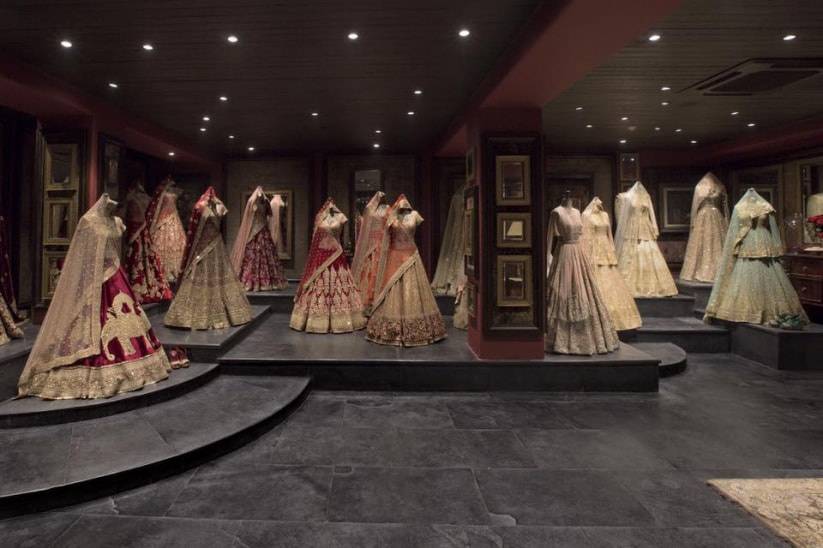
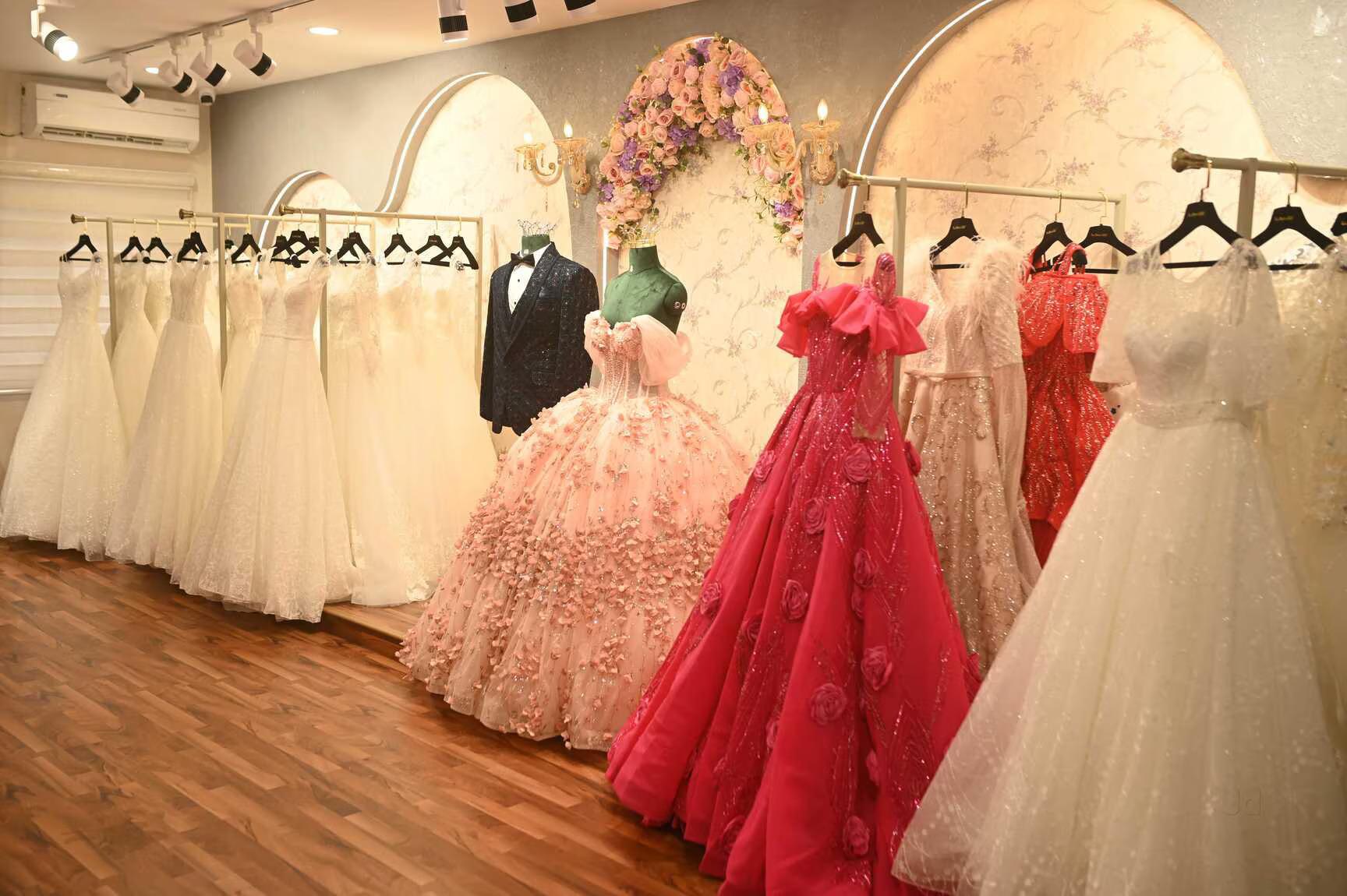
Wedding outfit vendors fall into distinct categories, each serving different couple priorities and budget levels. Heritage designers offer generational expertise and signature styles but require 4-6 month lead times and premium pricing. Celebrity designers provide exclusivity and social media value but may delegate actual work to junior teams, affecting quality consistency.
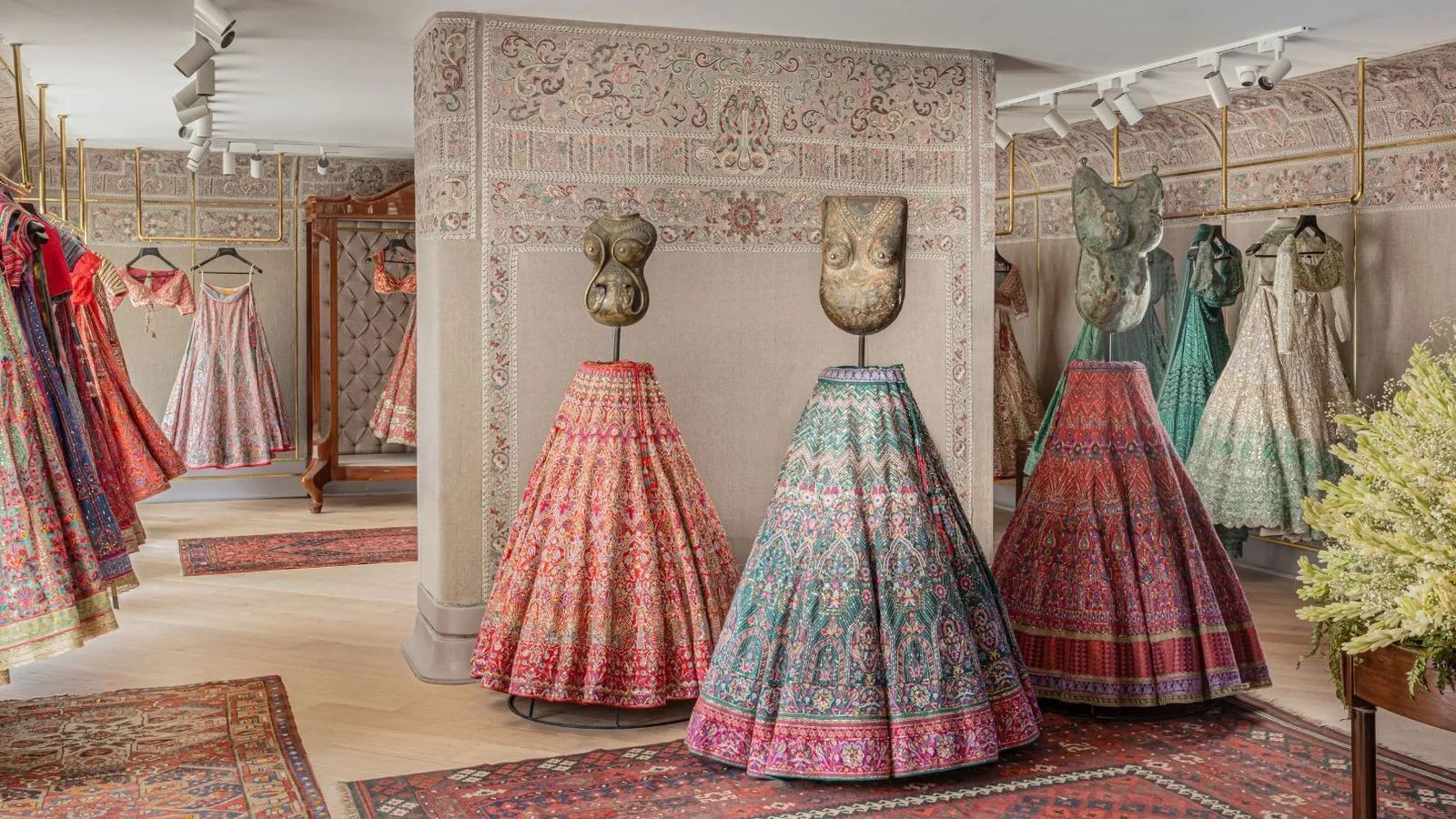
Multi-designer studios have emerged as middle-ground options, housing 3-5 independent designers under shared infrastructure. This model offers variety while maintaining quality control and reasonable pricing. Bangalore's UB City Mall and Delhi's DLF Malls host several such studios, allowing couples to compare multiple designers during single visits while managing travel logistics efficiently.
Direct-to-consumer brands leverage online marketing and streamlined operations to offer designer-quality pieces at 30-40% lower costs than traditional retailers. However, they require careful evaluation of return policies and alteration capabilities, as online photos rarely represent true fabric texture and drape characteristics that affect final appearance.
Local tailors and boutique ateliers often provide the best value for couples prioritizing fit and customization over brand recognition. A skilled Chennai tailor charging ₹45,000 for a custom lehenga might deliver superior fit and attention to detail compared to a ₹2 lakh designer piece with minimal alterations included. The key lies in evaluating their recent work and alteration expertise rather than dismissing them based on location or pricing alone. Wedding planning services often maintain relationships with these hidden gems, providing couples access to vetted local talent.
 Most Popular
Heritage Designer Studios
Established brands with 30+ year legacies offer signature styles and premium fabrics. Expect ₹3-8 lakh budgets, 4-6 month timelines, and limited customization. Best for couples wanting proven quality and brand prestige.
Multi-Designer Studios
3-5 designers sharing premium locations offer variety and competitive pricing. Budget ₹1.5-4 lakhs with 2-3 month timelines. Ideal for couples wanting options without extensive vendor shopping.
 Budget Pick
Local Boutique Ateliers
Skilled local tailors providing custom work at ₹40,000-1.2 lakh with superior fit and personalized attention. Perfect for budget-conscious couples prioritizing quality craftsmanship over brand names.
Budget Planning and Cost Breakdown
Wedding outfit budgeting requires understanding both visible costs and hidden expenses that emerge during the planning process. Base outfit prices represent only 60-70% of final spending, with alterations, accessories, and rush charges adding significant amounts. A ₹3 lakh lehenga often requires ₹25,000 in alterations, ₹40,000 in matching jewelry, and ₹15,000 in complementary accessories like shoes and clutches.
Seasonal pricing fluctuations dramatically impact outfit costs, with peak wedding season (November-February) commanding 20-30% premiums across all vendor categories. A Hyderabad designer charging ₹2.5 lakhs in September might quote ₹3.2 lakhs for identical work scheduled in December. Smart couples book during off-peak months and store outfits properly, saving substantial amounts while ensuring availability.
Hidden costs frequently surprise couples during final stages: blouse adjustments after weight changes (₹8,000-15,000), backup outfit insurance (₹5,000-10,000), and emergency alteration services (₹15,000-25,000 for 24-hour turnaround). Professional vendors discuss these possibilities upfront, while opportunistic operators spring them as "unexpected" charges during pickup appointments.
Geographic location significantly affects pricing structures, with Mumbai and Delhi commanding 40-50% premiums over tier-2 cities for identical work quality. However, travel costs for destination fittings can offset savings, especially when multiple alterations become necessary. Many couples successfully combine outfit shopping with venue visits, maximizing trip efficiency while accessing better pricing in wedding destination cities. Happiffie's Reverse Auction helps couples compare quotes across different cities, ensuring they understand true cost differences before committing to vendors.
Budget-Friendly
Local ateliers and emerging designers offering quality work at accessible prices. Includes basic customization and 2-3 fittings.
Best for value-conscious couplesMid-Range
Established designers and multi-brand studios with proven track records. Premium fabrics, detailed customization, and comprehensive service.
Most popular choicePremium
Celebrity designers and heritage brands offering exclusive designs, premium fabrics, and white-glove service with unlimited alterations.
For luxury weddings💰 Money-Saving Tips
- Book during off-season (March-September) for 20-30% savings on identical designs.
- Use Happiffie's Reverse Auction to compare quotes from multiple vendors simultaneously.
- Negotiate package deals for bride and groom outfits together for better overall pricing.
Frequently Asked Questions
These frequently asked questions address the most common concerns couples face when comparing wedding outfit vendors, from timing and budgeting to quality evaluation.
Final Thoughts
Successful wedding outfit shopping depends on systematic vendor comparison rather than emotional first impressions or social media influence. The couples who achieve both quality and value approach vendor evaluation like a business decision, comparing portfolios, verifying timelines, and negotiating from positions of knowledge rather than desperation or time pressure.
The single most important decision you can make today is scheduling consultations with 3-5 different vendor types within the next two weeks. This creates a comparison baseline and prevents the biggest mistake we see: booking your first consultation because you fell in love with their Instagram posts. Quality vendors welcome comparison shopping because they're confident in their value proposition and pricing transparency.
Wedding outfit investment represents more than clothing—it's purchasing confidence, family pride, and photographic memories that last generations. The right vendor partnership delivers not just beautiful outfits but peace of mind throughout the planning process. Happiffie's platform eliminates guesswork from vendor comparison, connecting you with pre-vetted professionals who meet our quality and reliability standards. Your perfect wedding outfit combination is waiting to be discovered through smart comparison rather than hopeful luck.
Ready to Find Your Perfect Wedding Outfit Vendors?
Let Happiffie connect you with verified wedding outfit vendors who match your style and budget.
Are you a Vendor? Grow Your Business with Happiffie!
- High intent verified leads
- Reverse auction opportunities
- AI business tools & insights
- Dedicated vendor dashboard
- Grow your business, your way
It's free & takes less than 2 minutes!