
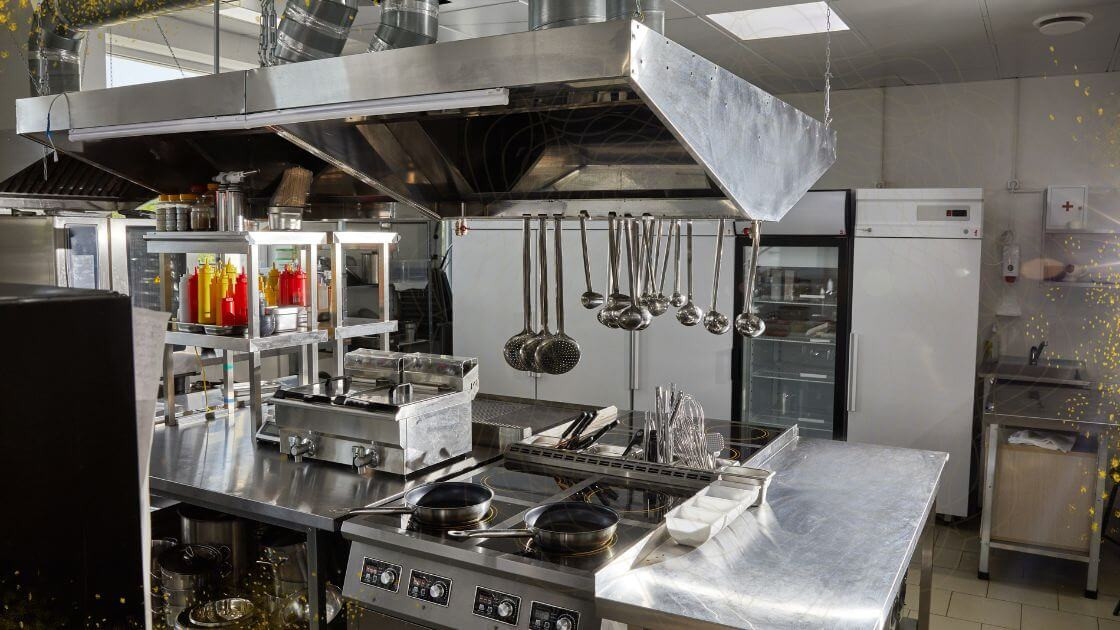
Start by evaluating your venue's existing kitchen facilities and determining additional space needs based on guest count and menu complexity. Professional caterers require 15-20 square feet per 100 guests for basic meal preparation, with additional space for specialized equipment. Most venues in Delhi and Mumbai provide basic kitchen access, but outdoor events require complete temporary kitchen setups.
Catering Logistics Explained: Kitchen Setup, Staff & Service Flow
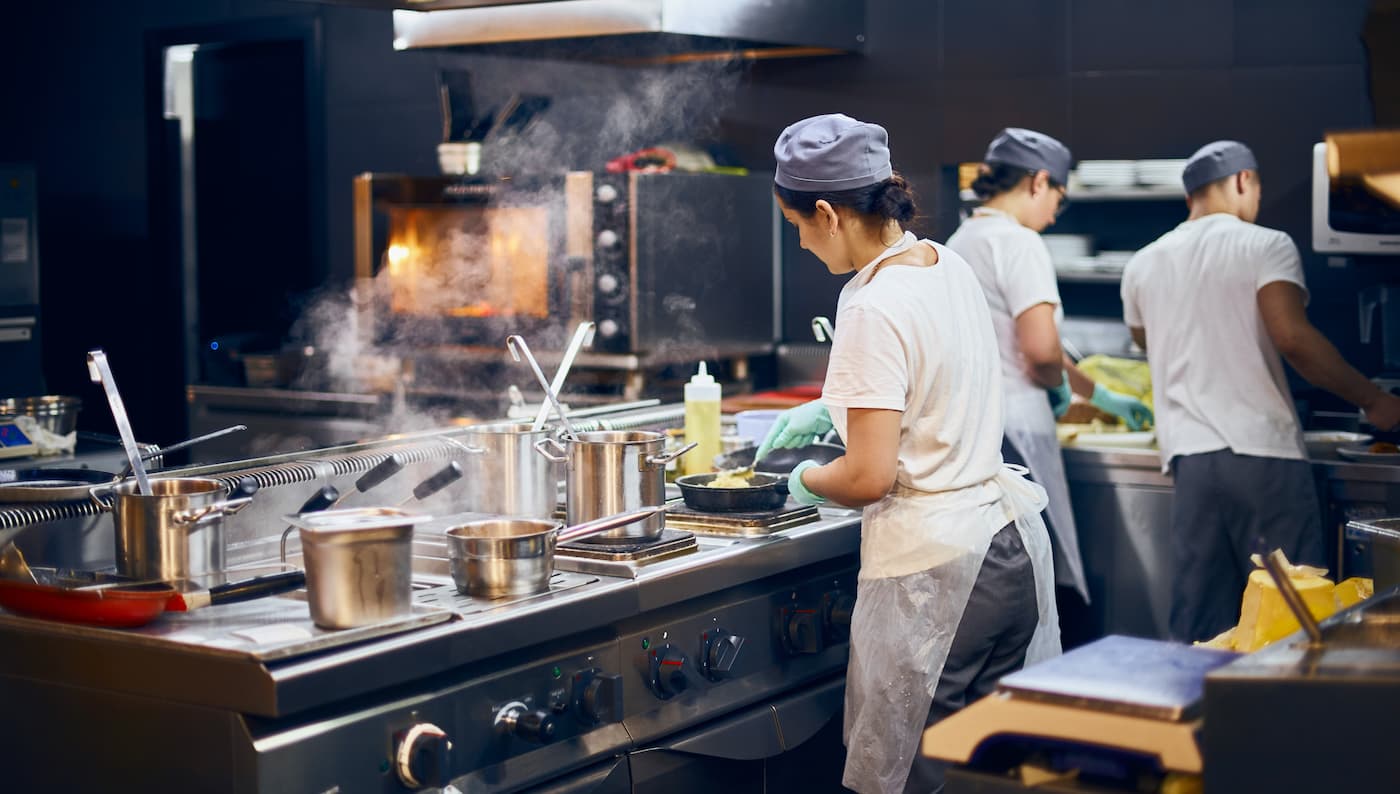
Table of Contents
Step 1: Assess Kitchen Space Requirements
✨ Space Assessment Tips:
- ✓Measure available kitchen space and note electrical outlets, water access points
- ✓Check venue restrictions on open flames, gas connections, and equipment limitations
- ✓Calculate prep space needed: 1 sq ft per guest for complex menus, 0.5 sq ft for simple menus
- ✓Identify storage areas for ingredients, serving equipment, and waste management systems
Pro Tip:
Use Reverse Auction to compare kitchen setup quotes from multiple caterers who can work within your venue's constraints and provide detailed space utilization plans.
Step 2: Design Efficient Kitchen Layout
Create a logical workflow from food storage through preparation, cooking, plating, and service dispatch. The ideal catering kitchen follows a linear progression to prevent cross-contamination and minimize staff movement. Separate zones for vegetarian and non-vegetarian preparation are essential for Indian events, with dedicated equipment and utensils for each.
✨ Kitchen Layout Checklist:
✓Receiving area for ingredient deliveries near storage
✓Cold storage and dry goods storage with proper temperature control
✓Prep stations with adequate counter space and sink access
✓Cooking stations arranged by menu sequence (appetizers, mains, desserts)
Pro Tip:
Browse experienced caterers in our venue directory who specialize in temporary kitchen setups and can provide detailed layout plans for your specific event space.
Step 3: Calculate Staff Requirements
Staff ratios vary significantly based on service style and menu complexity. Buffet service requires 1 server per 25-30 guests, while plated service needs 1 server per 8-10 guests. Kitchen staff ratios depend on menu sophistication, typically requiring 1 cook per 50 guests for standard Indian wedding menus.
✨ Essential Staffing Information:
✓Head chef with experience in your event's cuisine type
✓Prep cooks: 1 per 75-100 guests for complex menus
✓Service staff: calculated based on service style and guest count
✓Cleanup crew: 1 person per 100 guests minimum
✓Supervisory staff: 1 coordinator per 200 guests
✓Specialized roles: bartenders, dessert station attendants as needed
Step 4: Plan Service Flow Stations
Design service stations that maintain food quality while minimizing guest wait times. Each station should handle 60-80 guests per hour for buffet service, with multiple serving points for popular items. Consider dietary restrictions and cultural preferences when positioning stations.
Appetizer Station
High-traffic area near entrance, multiple serving points, 2-3 staff members for quick turnover.
Main Course Station
Central location with clear signage, separate vegetarian and non-vegetarian lines, warming equipment.
Beverage Station
Strategic placement near seating areas, separate alcoholic and non-alcoholic sections, trained bartenders.
Dessert Station
Visually appealing display area, temperature-controlled environment, dedicated serving utensils.
Step 5: Coordinate Equipment & Utilities
Ensure all necessary equipment is available and functioning before service begins. This includes cooking equipment, food warmers, refrigeration units, and serving implements. Backup plans for equipment failures are essential, especially for outdoor events where power supply may be unstable.
✨ Equipment Categories:
- ✓Cooking equipment: stoves, ovens, grills with appropriate fuel connections and safety measures
- ✓Food safety equipment: thermometers, warming trays, refrigeration units maintaining proper temperatures
- ✓Service equipment: chafing dishes, serving utensils, plates, glasses, linens for professional presentation
Step 6: Execute Pre-Service Setup
Begin setup 4-6 hours before service time, allowing for ingredient preparation, cooking, and final presentation staging. This phase includes food preparation, equipment positioning, and staff briefings on menu items, dietary restrictions, and service protocols.
✨ Pre-Service Must-Haves:
✓All ingredients prepped and organized by cooking sequence
✓Equipment tested and positioned according to layout plan
✓Staff briefed on menu, dietary restrictions, and emergency procedures
✓Food safety protocols implemented with temperature monitoring
✓Service area cleaned and decorated according to event theme
✓Backup supplies readily accessible for high-demand items
Step 7: Manage Service Timeline
Create a detailed timeline that coordinates food preparation with guest arrival and ensures optimal food temperature and presentation throughout the event. Stagger cooking times so all items are fresh when service begins, and plan for continuous replenishment during the event.
✨ Sample Timeline:
4 hours before:Begin ingredient prep, marinating, and slow-cooking items
2 hours before:Set up equipment, start cooking main dishes, prepare service stations
30 minutes before:Final plating, warming stations activated, staff positions assigned
Service start:Doors open, full service begins with fresh, properly heated food
Mid-service:Continuous monitoring, replenishment, quality control checks
Service end:Gradual breakdown begins, leftover packaging, equipment cleaning
Step 8: Secure Catering Contracts
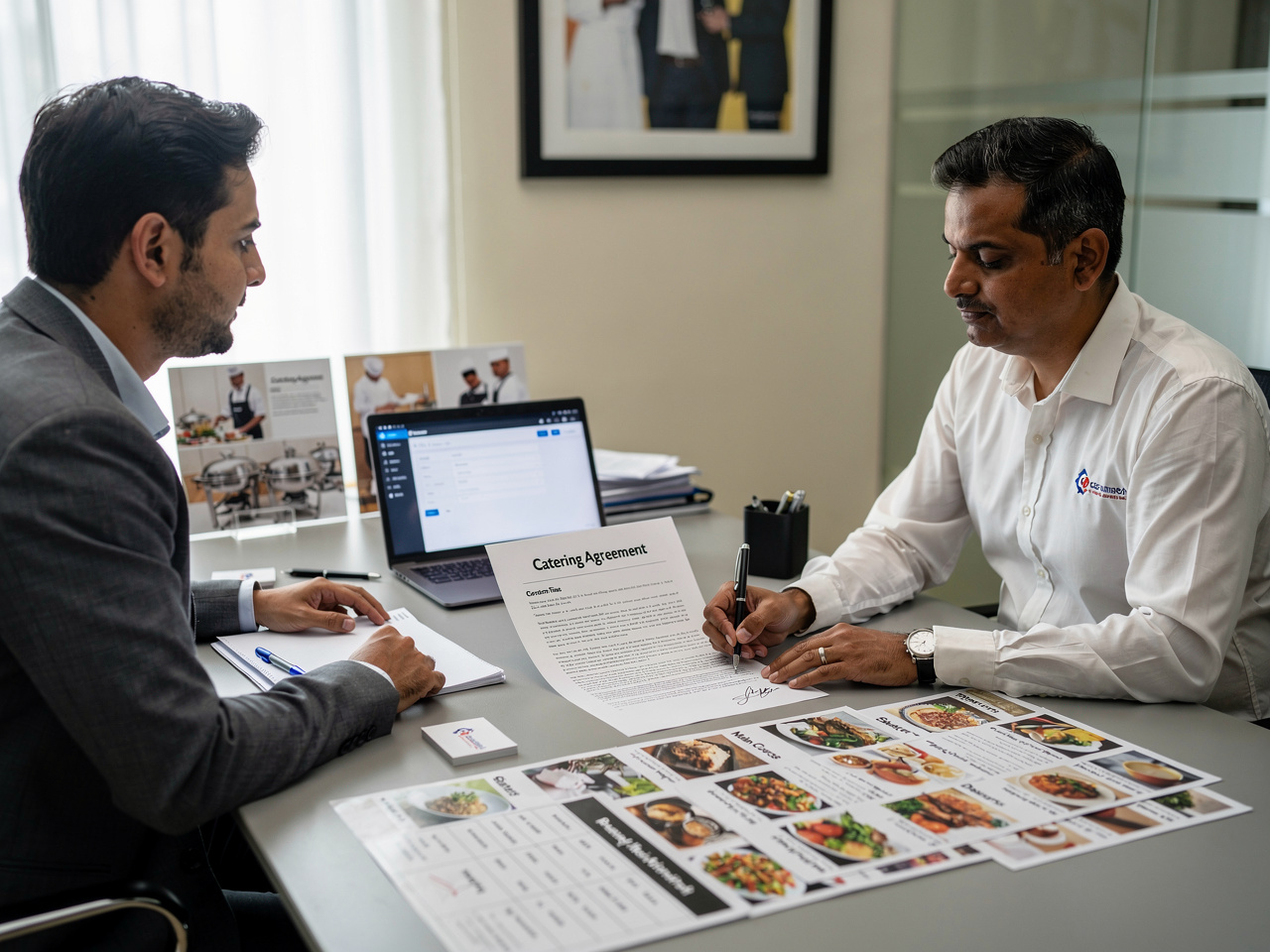
Finalize catering agreements that clearly outline logistics requirements, staff responsibilities, equipment provisions, and contingency plans. Professional contracts should specify setup times, breakdown procedures, and liability coverage. Include detailed menus with pricing breakdowns and service level agreements.
✨ Contract Options:
- ✓Full-service catering: ₹800-2,500 per person including setup, service, and cleanup
- ✓Kitchen rental with staff: ₹15,000-50,000 per day plus ingredient costs
- ✓Hybrid packages: Combination of venue kitchen use with professional staff augmentation
Ready to Execute Flawless Catering Logistics?
<p>Transform your event with professional catering logistics that ensure smooth operations and exceptional guest experiences. Connect with experienced caterers who understand complex event requirements.</p>
Pro Tips for Success
Start Planning Early
Begin catering logistics planning 6-8 weeks before your event to secure the best vendors and pricing options.
Use Digital Coordination
Leverage Happiffie's vendor management tools to coordinate between caterers, venue managers, and other service providers.
Leverage Reverse Auction
Get competitive quotes from multiple caterers through Reverse Auction, comparing not just price but logistics capabilities.
Focus on Guest Experience
Remember that smooth logistics create seamless guest experiences, allowing them to focus on celebrating rather than waiting.

Are you a Vendor? Grow Your Business with Happiffie!
- High intent verified leads
- Reverse auction opportunities
- AI business tools & insights
- Dedicated vendor dashboard
- Grow your business, your way
1M+Active Users
300+Events Daily
High QualityLeads
FasterBookings
It's free & takes less than 2 minutes!