
Bridesmaid Outfit Ideas for Indian Weddings (2026 Trends)
Complete styling guide with trending looks, budget planning, and vendor selection tips
Seventy percent of Indian brides now coordinate their bridesmaids' looks across multiple functions, making outfit planning a ₹2-3 lakh investment for the average wedding squad. This shift from traditional mismatched styles reflects couples wanting Instagram-worthy moments at every ceremony from mehendi to reception.
The challenge hits hardest when you realize your chosen venues span different climates and formality levels. A Udaipur palace wedding demands heavy silks while a Goa beach ceremony needs breathable fabrics, yet your bridesmaid budget stays fixed regardless of these logistics.
This comprehensive guide breaks down 2026's hottest bridesmaid trends, realistic budget planning, and smart coordination strategies. We'll show you how Happiffie's vendor network simplifies the sourcing process while keeping costs manageable across your entire wedding timeline.
📋 Table of Contents
2026 Bridesmaid Fashion Landscape
Post-pandemic weddings shifted bridesmaid coordination from afterthought to priority because couples learned that scattered, unplanned group photos looked chaotic on social media. The rise of destination weddings and multi-day celebrations means bridesmaids now need 3-4 coordinated looks rather than one reception outfit, driving up both complexity and costs significantly.
Climate considerations dominate 2026 choices more than ever before. Mumbai brides booking March weddings face 85% humidity during outdoor functions, pushing breathable fabrics like chanderi and cotton blends ahead of traditional heavy silks. Chennai couples planning April celebrations deal with 38°C temperatures, making lightweight lehengas with detachable dupatta layers the smart choice for comfort.
The biggest mistake couples make is choosing outfits first, then trying to coordinate accessories and makeup. Smart planners reverse this process, selecting a cohesive color palette and fabric weight category first, then allowing individual style preferences within those parameters. This approach prevents the common disaster of mismatched textures and clashing undertones.
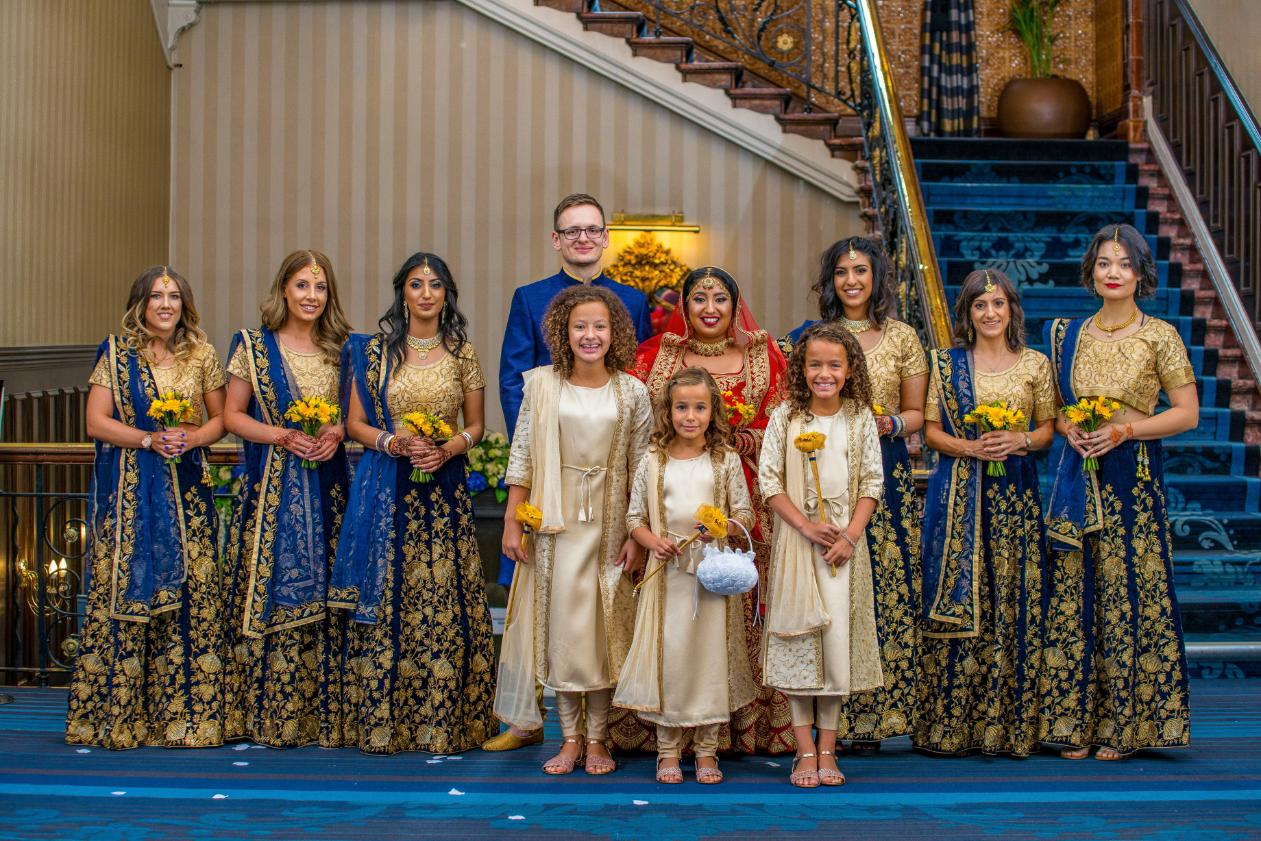
Modern bridesmaid coordination balances uniformity with personality expression. Rather than identical outfits, 2026 trends favor coordinated diversity where each bridesmaid wears the same color family but different silhouettes, creating visual harmony without looking like a matching costume party.
 Hiya
HiyaPro Tip: Start with your venue's lighting and backdrop colors when choosing bridesmaid outfits. Royal blue looks stunning against ivory palace walls but gets lost in beachside golden hour shots.
Key Styling Factors to Consider
Function timing drives fabric choices more than fashion preferences. Morning mehendi ceremonies in 32°C heat require cotton or linen blends, while evening sangeet allows heavier materials like brocade and velvet. Ignoring this basic rule leads to uncomfortable bridesmaids who can't dance or pose naturally, ruining your photo opportunities completely.
Venue formality levels vary dramatically within single weddings. A poolside morning function demands casual Indo-western looks while the same evening's ballroom reception needs formal lehengas or sarees. Smart coordination means choosing convertible pieces or planning budget for multiple outfit changes per bridesmaid rather than forcing inappropriate looks.
Regional preferences still matter despite globalized fashion trends. South Indian weddings expect more traditional silhouettes and richer colors, while North Indian celebrations embrace contemporary cuts and pastel palettes. Your vendor selection should reflect these cultural nuances to avoid fashion faux pas that family members will critique for years.
Body type diversity within bridesmaid groups requires careful silhouette planning. The same blouse style that flatters a petite frame can overwhelm a curvier figure, making individual fittings essential. Budget for alteration costs upfront rather than hoping standard sizes work for everyone in your squad.
1. Climate Compatibility
Match fabric weight and breathability to your venue's weather conditions. Heavy silks in 35°C outdoor functions cause discomfort and unflattering photos. Choose moisture-wicking blends for humid locations and layering options for air-conditioned indoor spaces.
2. Function Formality
Coordinate outfit sophistication with event timing and venue style. Casual morning functions need simple kurta sets while evening receptions demand embellished lehengas. Mismatched formality levels create awkward photo compositions and discomfort for bridesmaids.
3. Color Coordination
Select a cohesive palette that complements your wedding theme and venue backdrop. Avoid exact color matching; instead choose different shades within the same family. Test colors against your venue's lighting and décor before finalizing selections.
4. Comfort and Movement
Prioritize designs that allow natural movement for dancing, sitting, and photo poses. Restrictive fits or heavy embellishments limit bridesmaid participation in ceremonies. Choose breathable fabrics and comfortable fits over purely aesthetic considerations for better overall experience.
5. Budget Flexibility
Plan for individual body type adjustments and multiple outfit changes across functions. Standard sizes rarely fit perfectly, requiring alteration budgets. Consider rental options for expensive pieces or coordinate group purchases for better vendor rates and consistent quality.
Popular Outfit Categories
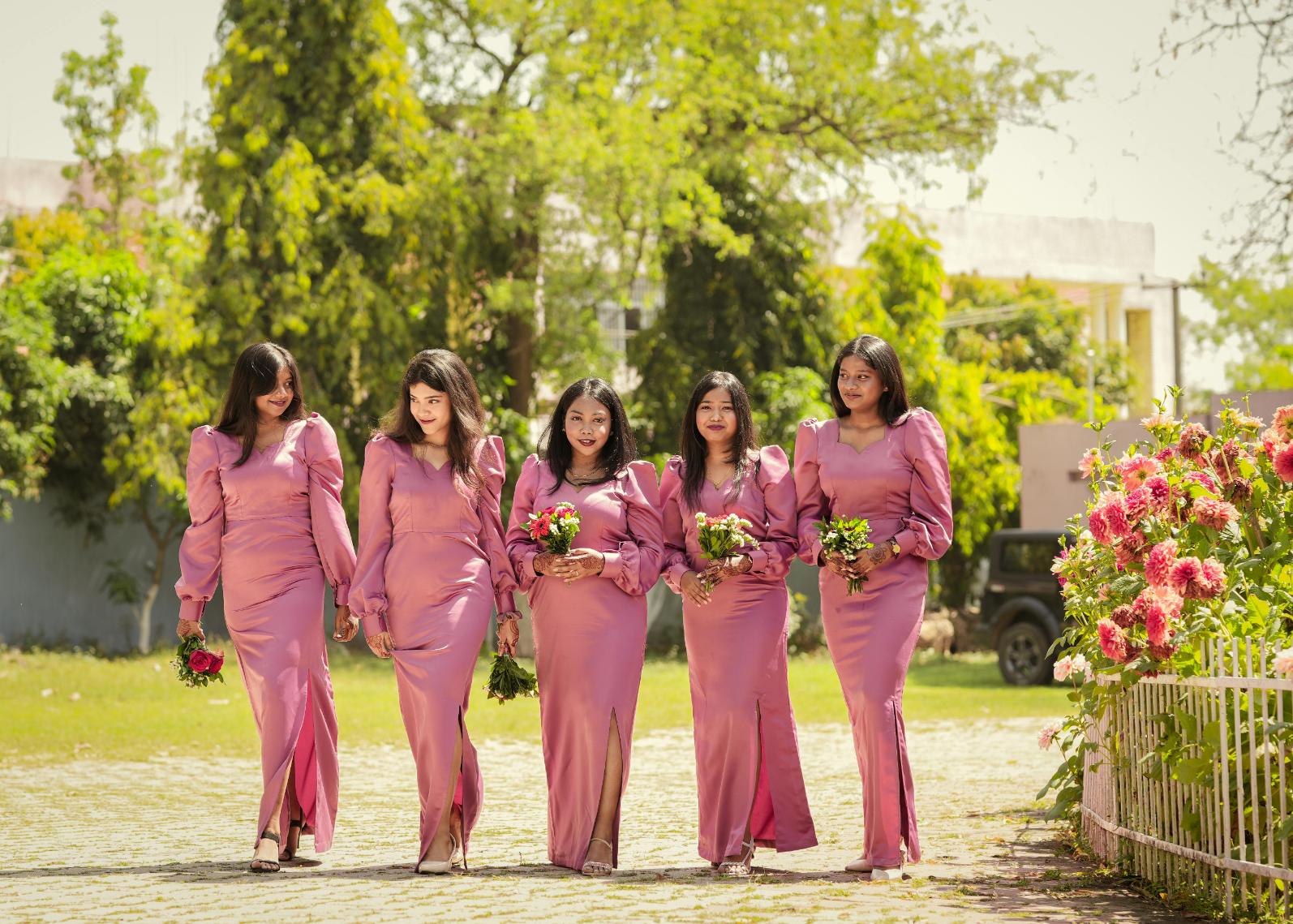
Coordinated lehenga sets dominate 2026 bridesmaid choices because they photograph beautifully and suit most body types with proper fitting. The trend shifts from identical pieces to complementary styles within the same color story, allowing personality expression while maintaining visual cohesion for group photos and social media content.
Indo-western fusion pieces gain popularity for their versatility across multiple functions. A well-designed sharara with detachable jacket works for both day mehendi and evening sangeet with simple styling changes. This adaptability reduces per-bridesmaid costs while ensuring appropriate looks for different venue formalities and celebration timings throughout your wedding weekend.
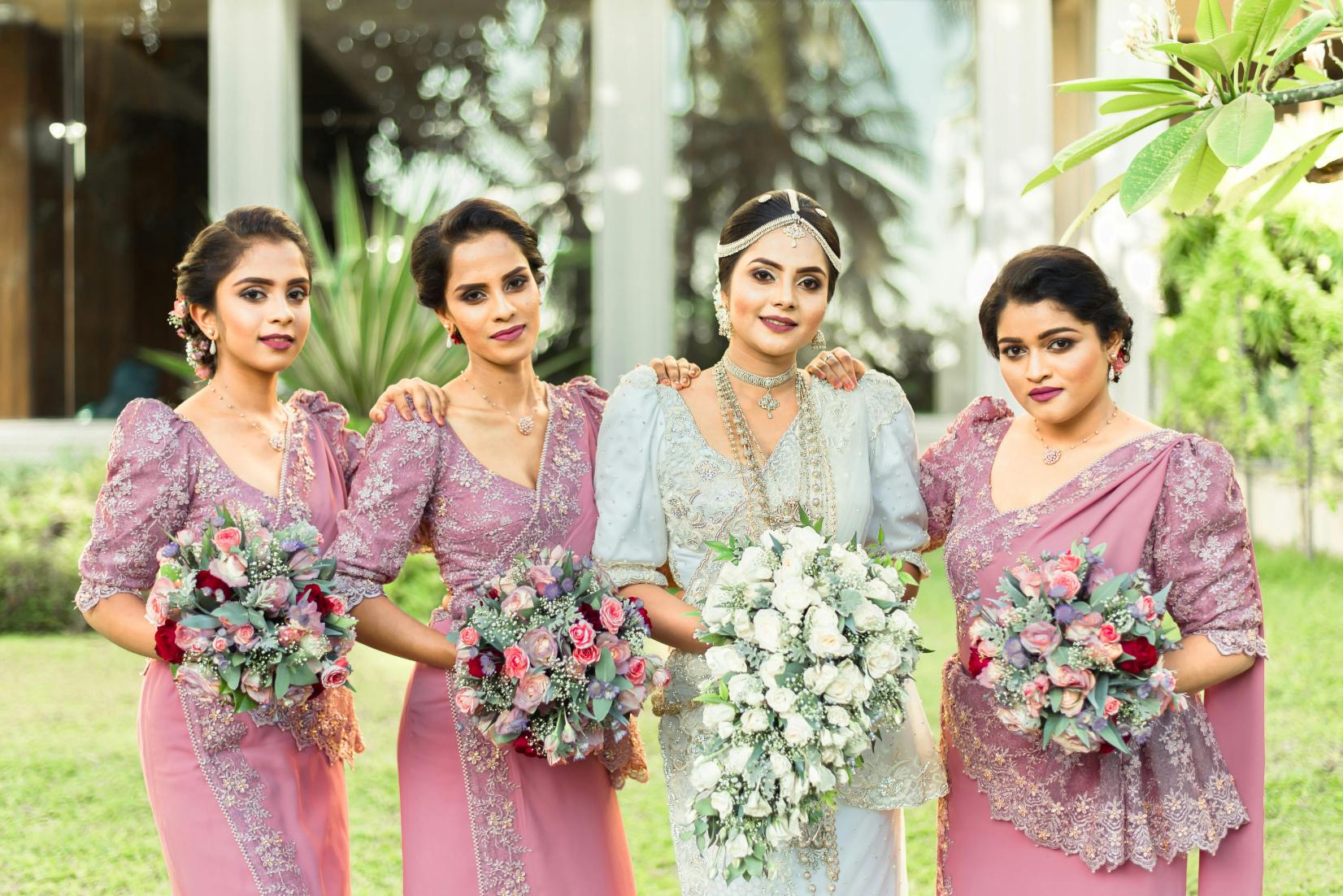
Saree coordination requires more skill but creates the most elegant group presentations. Modern bridesmaids prefer pre-pleated or ready-to-wear options that eliminate draping anxiety while ensuring consistent styling. The key lies in choosing similar blouse designs with identical color palettes but allowing fabric texture variations for visual interest.
Regional specialties like Anarkali suits for North Indian celebrations or silk sarees for South Indian weddings maintain cultural authenticity while offering professional styling services that ensure proper fit and presentation. These traditional choices photograph timelessly and satisfy family expectations while keeping bridesmaids comfortable during long ceremony hours.
 Most Popular
Coordinated Lehenga Sets
Perfect for formal functions with mix-and-match skirts, blouses, and dupatta styles in same color family. Works across body types with proper fitting. Budget ₹15,000-40,000 per outfit depending on fabric and embellishment level.
 Trending
Indo-Western Fusion
Versatile pieces like palazzo suits and crop-top lehengas that transition between casual and formal functions. Modern cuts appeal to younger bridesmaids while maintaining traditional elements. Price range ₹8,000-25,000 per piece.
 Budget Pick
Coordinated Sarees
Elegant choice for traditional ceremonies with pre-pleated or ready-to-wear options. Requires skilled coordination but creates timeless photos. Similar blouse designs with fabric variations maintain unity. Budget ₹5,000-20,000 per saree.
Budget Planning Guide
Bridesmaid outfit budgets vary dramatically based on fabric choices and customization levels. Ready-made coordination costs ₹8,000-15,000 per person while custom-designed pieces range ₹20,000-45,000 each. The hidden expenses include alterations, accessories, and backup options that can add 30-40% to your initial clothing budget, catching couples off-guard during final billing.
Timing affects pricing significantly with peak wedding season (November-February) commanding 25-35% premiums over off-season rates. Booking during monsoon months for winter weddings offers substantial savings, but requires accurate size predictions and advance planning. Last-minute orders during wedding season often face rush charges and limited fabric availability, forcing compromise on preferred styles.
Group purchasing power reduces individual costs when managed properly. Five or more matching outfits often qualify for bulk discounts ranging 15-20% off regular pricing. However, this requires upfront payment collection and size finalization, creating coordination challenges that many brides underestimate during planning phases.
Smart couples leverage Happiffie's Reverse Auction system to compare quotes from multiple designers simultaneously. This approach typically saves 20-30% compared to direct vendor negotiations while ensuring quality standards through our vetted network. The key lies in detailed requirement specifications that prevent scope creep during execution phases.
Budget-Friendly
Ready-made coordination with basic alterations
Best for casual functionsMid-Range
Semi-custom pieces with professional fittings
Most popular choicePremium
Designer custom outfits with luxury fabrics
For grand celebrations💰 Money-Saving Tips
- Book during monsoon season (June-September) for 25-30% savings on winter wedding outfits.
- Use Happiffie's Reverse Auction to get competitive quotes from multiple designers simultaneously.
- Negotiate package deals combining bridesmaid outfits with bridal wear for better overall pricing.
Frequently Asked Questions
These questions address the most common concerns couples face when coordinating bridesmaid outfits for Indian weddings, covering practical logistics and budget considerations.
Final Thoughts
Successful bridesmaid coordination balances visual cohesion with individual comfort and cultural appropriateness. The couples who get this right start early, prioritize fabric and climate compatibility over pure aesthetics, and invest in professional fitting services rather than hoping standard sizes work for diverse body types.
Your immediate next step should be selecting your color palette and fabric weight category based on your venue climate and function formality levels. The biggest mistake to avoid is choosing specific outfits first then trying to force coordination later - this backward approach leads to unflattering compromises and budget overruns that stress everyone involved.
Smart coordination isn't about control but about creating harmony that makes your bridesmaids feel confident and comfortable while creating the visual story you want for your celebration. Happiffie's vendor network and auction system remove the guesswork from designer selection and pricing negotiations, letting you focus on the creative decisions that truly matter for your wedding vision.
Ready to Coordinate Your Perfect Bridesmaid Look?
Let Happiffie connect you with vetted designers and get competitive quotes for your bridesmaid outfit coordination.
Are you a Vendor? Grow Your Business with Happiffie!
- High intent verified leads
- Reverse auction opportunities
- AI business tools & insights
- Dedicated vendor dashboard
- Grow your business, your way
It's free & takes less than 2 minutes!