
Your bridal outfit forms the foundation of your entire look, requiring careful consideration of ceremony type, venue, and personal comfort preferences. Traditional Indian bridal wear varies significantly across regions, with lehengas popular in North India, sarees preferred in South India, and sharara suits gaining popularity in contemporary weddings. Consider your body type, the season of your wedding, and the level of embellishment that aligns with your venue's grandeur and your personal style preferences. The fabric choice impacts both comfort and photography, with silk and velvet creating rich textures while lighter fabrics like georgette offer better movement and comfort during long ceremonies.
Bridal Styling Guide: From Outfit to Final Look (Step-by-Step)
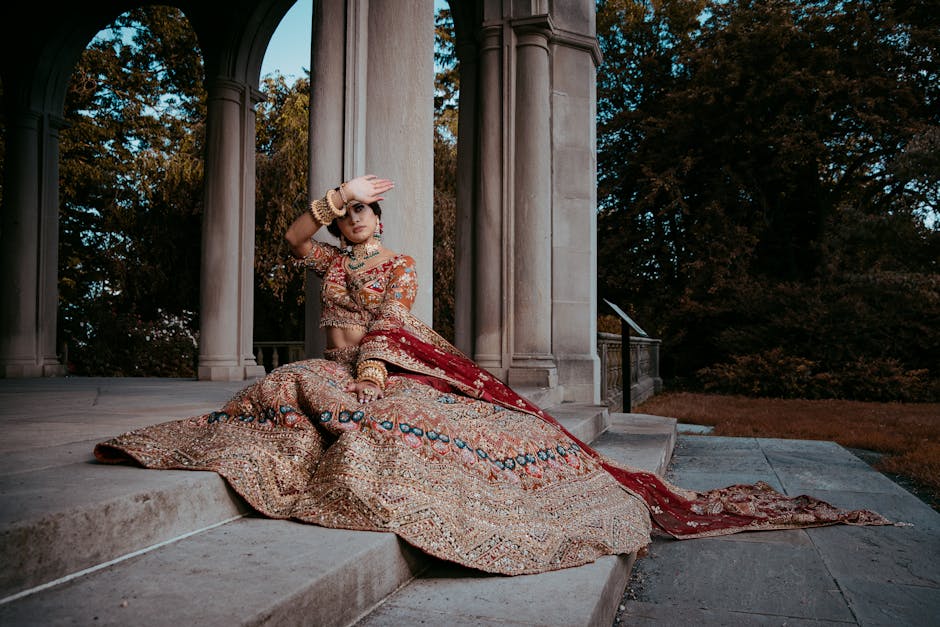
Table of Contents
Step 1: Bridal Outfit Selection Strategy

✨ Planning Tips:
- ✓Schedule outfit trials at least 3 months before wedding to allow time for alterations and adjustments
- ✓Consider having backup blouse pieces or dupatta options in case of last-minute wardrobe malfunctions
- ✓Test your outfit by sitting, walking, and dancing to ensure comfort throughout all wedding activities
- ✓Document your chosen outfit with detailed photos and notes for coordinating with jewelry and makeup artists
Pro Tip:
Use Reverse Auction on Happiffie to compare bridal outfit designers and get competitive quotes from top boutiques in your city, ensuring you find the perfect balance of quality and budget.
Step 2: Color Coordination and Theme Planning

Color coordination extends beyond your main outfit to create a harmonious visual story across all wedding functions and photography sessions. Traditional colors like red, maroon, and gold remain popular for main ceremonies, while pastels and jewel tones work beautifully for pre-wedding functions like mehendi and sangeet. Your color choices should complement your skin tone, work well under different lighting conditions, and align with your overall wedding theme and venue decor. Consider how colors photograph, especially for outdoor ceremonies where natural lighting can dramatically affect how colors appear in your wedding album.
✨ Selection Checklist:
✓Test colors under different lighting conditions including natural daylight and evening artificial lighting
✓Coordinate with your partner's outfit colors to create visually appealing couple photographs
✓Consider venue backdrop colors and decor to ensure your outfit stands out beautifully
✓Plan color transitions across multiple functions to create variety while maintaining style consistency
Pro Tip:
Browse our venue directory to understand your wedding location's color palette and lighting conditions, helping you make informed color choices that photograph beautifully.
Step 3: Jewelry Selection and Layering
Jewelry selection requires balancing traditional expectations with personal comfort, considering the weight and complexity of pieces you'll wear for extended periods. Start with statement pieces like necklace sets and earrings, then build around them with complementary bangles, rings, and hair accessories that don't compete for attention. The key is creating layers that enhance your outfit's neckline and overall silhouette while ensuring pieces don't tangle or cause discomfort during ceremonies. Consider the practical aspects like ease of eating, hugging guests, and performing wedding rituals while wearing your selected jewelry pieces.
✨ Essential Information:
✓Map out jewelry placement on your body to avoid overcrowding any single area
✓Test jewelry combinations during dress trials to ensure comfortable movement and no fabric snagging
✓Plan backup options for heavy pieces that might become uncomfortable during long ceremonies
✓Coordinate metal tones (gold, silver, or mixed) consistently across all jewelry pieces
✓Consider cultural and family jewelry traditions that need to be incorporated into your look
✓Arrange for professional jewelry cleaning and inspection before your wedding day
Step 4: Hair Styling Options and Techniques
Your hairstyle should complement your face shape, outfit neckline, and jewelry choices while considering the practical demands of your wedding day timeline. Traditional Indian bridal hairstyles often incorporate braids, buns, and hair accessories like maang tikka and hair chains that require specific styling techniques and preparation. Modern brides increasingly choose styles that photograph well from multiple angles and remain intact through emotional moments, dancing, and weather changes. Hair trials are essential for testing different looks and ensuring your chosen style works with your hair texture, length, and the weight of hair accessories.
Classical Bun
Elegant low bun with gajra and traditional hair accessories, perfect for heavy jewelry and formal ceremonies.
Braided Styles
Intricate braids with flowers and pins, ideal for outdoor functions and contemporary bridal looks.
Half-Up Styles
Combines loose flowing hair with decorative updos, suitable for multiple ceremony changes.
Regional Variations
Traditional styles specific to your cultural background, incorporating regional hair ornaments and techniques.
Step 5: Makeup Application Timeline
Bridal makeup requires strategic timing and layering to achieve a flawless look that photographs beautifully and lasts throughout your wedding celebrations. Start with a thorough skincare routine weeks before your wedding, followed by professional makeup trials to perfect your desired look and test product longevity. The makeup application process typically takes 2-3 hours, requiring careful scheduling around other getting-ready activities like hair styling and outfit dressing. Consider factors like weather conditions, indoor/outdoor ceremonies, and the need for touch-ups between different wedding functions when planning your makeup timeline.
✨ Ideas:
- ✓Traditional looks: Focus on bold eyes with kohl, dramatic lashes, and rich lip colors that complement your outfit
- ✓Contemporary styles: Emphasize glowing skin with subtle contouring and modern color palettes for a fresh appearance
- ✓Photography-friendly techniques: Use HD makeup products and techniques that look natural in person but photograph beautifully
Step 6: Accessories and Final Touches
Accessories complete your bridal look while serving practical purposes throughout your wedding day celebrations and ceremonial requirements. Essential accessories include comfortable yet beautiful shoes that you can walk and dance in, a clutch or small bag for touch-up items and personal belongings, and ceremonial items required for specific wedding rituals. Consider the practical aspects like shoe comfort for long ceremonies, bag size for essential items, and backup accessories in case of damage or loss. Your accessories should enhance your overall look without overwhelming the main elements of your outfit and jewelry.
✨ Must-Haves:
✓Comfortable bridal shoes broken in beforehand to prevent discomfort during long ceremonies
✓Touch-up kit with lipstick, powder, and other makeup essentials for maintaining your look
✓Emergency sewing kit with safety pins, thread, and small scissors for outfit adjustments
✓Comfortable undergarments that provide proper support and won't show through your outfit
✓Backup jewelry pieces in case of breakage or last-minute changes to your look
✓Ceremonial items specific to your wedding traditions like kalire, chooda, or mangalsutra
Step 7: Getting Ready Day Schedule
A well-planned timeline ensures your bridal styling process flows smoothly without rushing or missing important preparation steps. Your getting-ready schedule should account for hair styling, makeup application, outfit dressing, jewelry arrangement, and photo sessions while building in buffer time for unexpected delays. Coordinate with your bridal party's timeline and consider the logistics of your venue, travel time, and ceremony start time when creating your schedule. Professional stylists and makeup artists can help create realistic timelines based on the complexity of your chosen look and the number of people involved in your preparation process.
✨ Sample Timeline:
4 hours before:Hair washing, skincare routine, and light breakfast
3 hours before:Hair styling and setting with accessories
2 hours before:Complete makeup application and final touch-ups
1 hour before:Outfit dressing and jewelry arrangement
30 minutes before:Final photographs and last-minute adjustments
Ceremony time:Final blessing and departure to ceremony venue
Step 8: Photography and Touch-up Essentials
Your bridal styling efforts culminate in beautiful photographs that capture your special day, requiring strategic planning for photo sessions and maintaining your look throughout celebrations. Coordinate with your photographer about lighting conditions, photo angles, and timing to ensure your styling choices photograph beautifully in different settings. Prepare a comprehensive touch-up kit and assign someone to help with makeup and outfit adjustments between ceremonies, during weather changes, or after emotional moments. Consider how your styling choices will look in both candid moments and formal portraits, ensuring versatility across different types of photography throughout your wedding day.
✨ Options:
- ✓Professional touch-up services: Hire your makeup artist to stay for key moments and provide touch-ups between ceremonies
- ✓DIY touch-up kit: Prepare a comprehensive kit with makeup, hair accessories, and emergency items for quick fixes
- ✓Designated helper: Assign a trusted friend or family member to monitor your look and assist with adjustments throughout the day
Ready to Get Started?
<p>Transform your bridal styling dreams into reality with expert professionals who understand your vision and cultural traditions through Happiffie's comprehensive vendor network.</p>
Pro Tips for Success
Start Early
Begin your bridal styling research and trials at least 3-4 months before your wedding to allow time for adjustments and perfection.
Stay Organized
Use Happiffie platform to maintain vendor contacts, appointment schedules, and styling inspiration in one organized location.
Use Reverse Auction
Get competitive quotes from multiple bridal stylists, makeup artists, and boutiques through Happiffie's reverse auction feature.
Enjoy the Moment
Remember to take breaks during your preparation process and savor the experience of becoming a bride on your special day.

Are you a Vendor? Grow Your Business with Happiffie!
- High intent verified leads
- Reverse auction opportunities
- AI business tools & insights
- Dedicated vendor dashboard
- Grow your business, your way
1M+Active Users
300+Events Daily
High QualityLeads
FasterBookings
It's free & takes less than 2 minutes!