
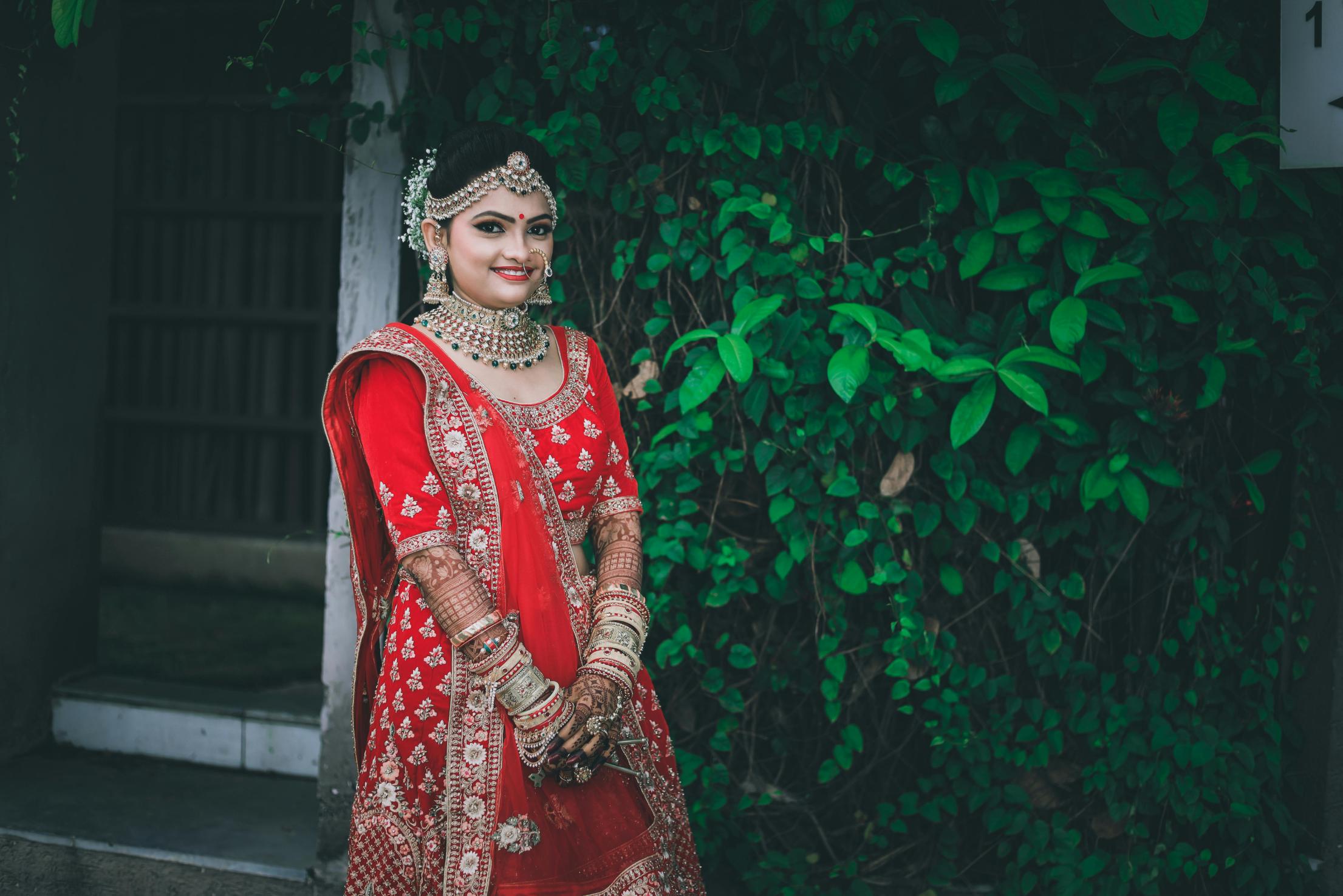
Bridal Outfit Checklist: What You Need for All Wedding Functions
Complete guide to planning your wedding wardrobe across all ceremonies with budget tips and styling advice
Planning your bridal outfit checklist for multiple wedding functions can feel overwhelming, especially when you want to look perfect for each ceremony. From the vibrant mehendi to the elegant reception, every wedding function demands a carefully curated outfit that reflects your personality while honoring traditions. The key is creating a comprehensive wardrobe plan that ensures you're appropriately dressed for each occasion without breaking the budget.
At Happiffie, we understand that your wedding wardrobe is one of the most important investments you'll make. Our expert team has compiled this detailed bridal outfit checklist to help you navigate through the essential pieces needed for each wedding function. Whether you're planning a traditional Indian wedding across multiple days or a destination celebration, this guide will ensure you have everything covered from head to toe.
📋 Table of Contents
Essential Bridal Outfits by Function
Your bridal outfit checklist should begin with understanding the specific requirements for each wedding function. The mehendi ceremony calls for comfortable, colorful outfits that allow easy movement while getting intricate henna designs applied. Traditional choices include vibrant yellow or green lehengas, sharara sets, or Indo-western fusion wear that photographs beautifully against the henna backdrop. The fabric should be breathable like cotton or chiffon, and the silhouette should allow your hands and feet to be easily accessible.
The sangeet function demands glamorous, dance-friendly outfits that let you move freely while maintaining elegance. Consider lightweight lehengas with minimal embroidery, cocktail gowns with Indian elements, or contemporary sarees with pre-stitched pleats. The color palette can be bold and experimental – think jewel tones, metallics, or even pastels with heavy embellishments. Your styling team should ensure the outfit complements your choreographed performances while keeping you comfortable throughout the evening.
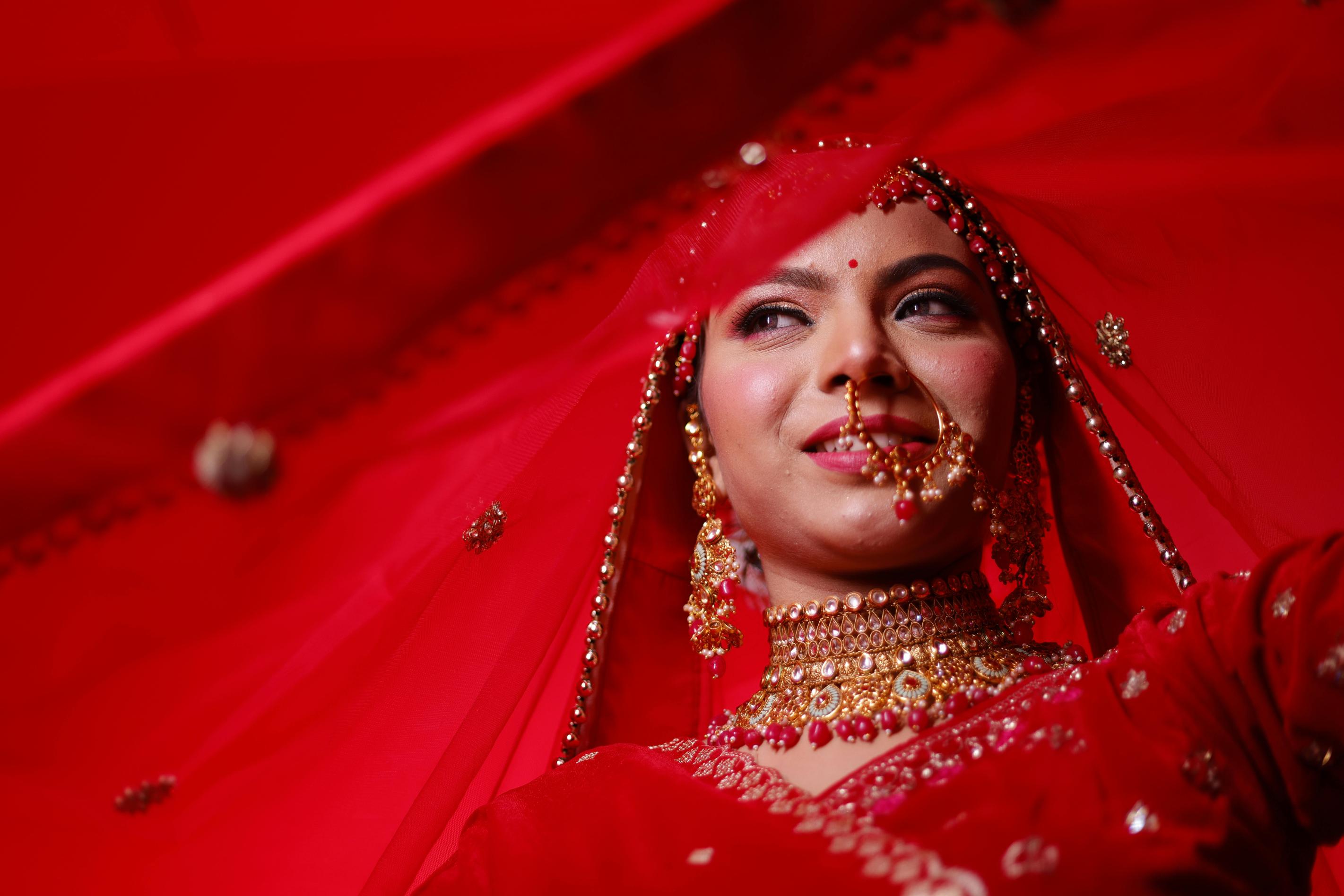
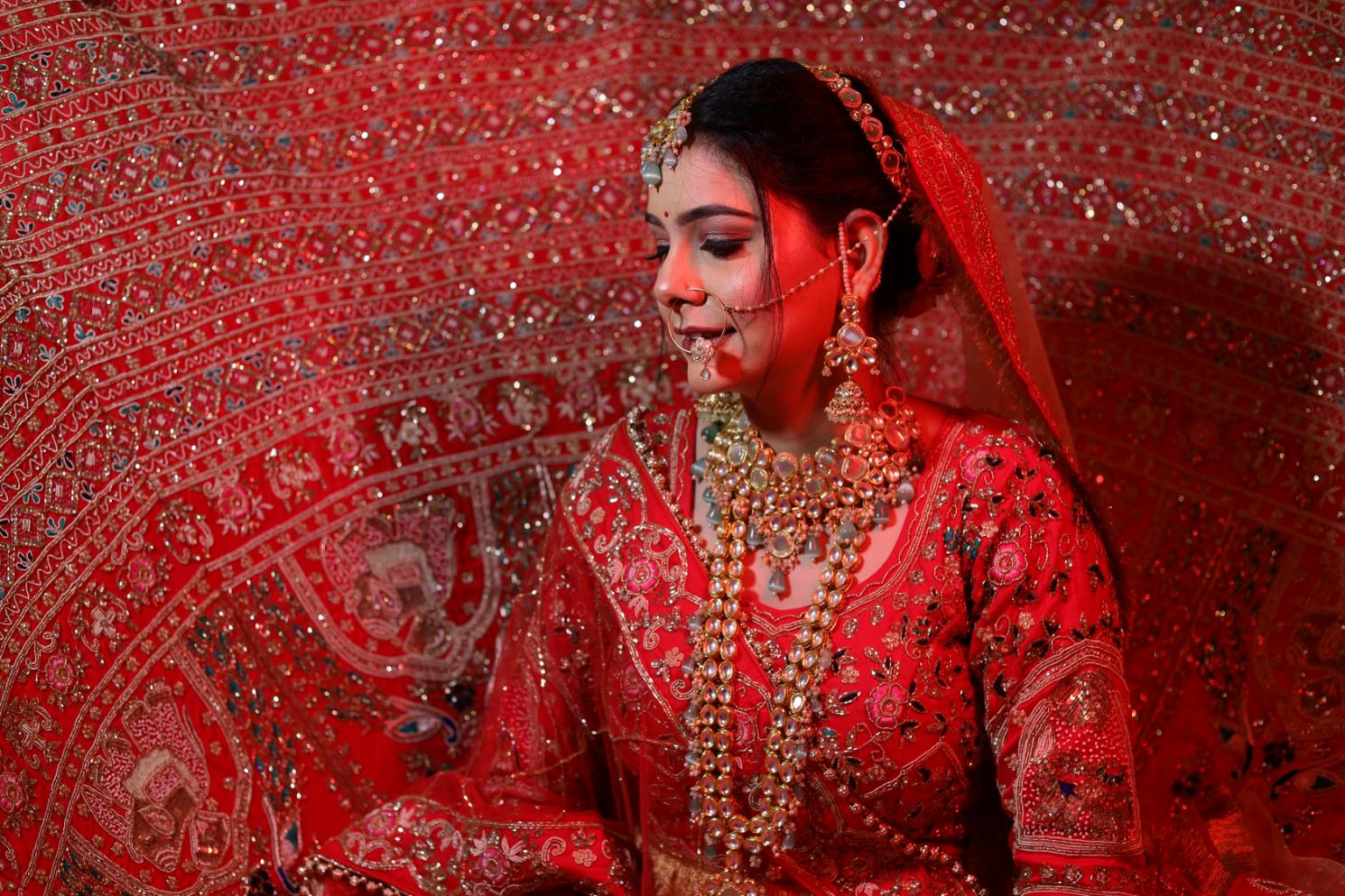
For the main wedding ceremony, your outfit choice depends on regional traditions and family preferences. North Indian brides typically opt for red or maroon lehengas with heavy zardozi or stone work, while South Indian brides might choose silk sarees in traditional colors like red, gold, or burgundy. The outfit should reflect cultural significance while ensuring you feel confident during this most important moment. Consider the weight of the outfit, especially if you have lengthy ceremonies, and plan for professional styling services to manage draping and adjustments.
The reception outfit should strike a perfect balance between traditional elements and contemporary elegance. This is your opportunity to experiment with modern silhouettes, unconventional colors, or fusion styles. Many brides choose gowns with Indian embroidery, contemporary lehengas in non-traditional colors, or saree gowns that offer the grace of a saree with the comfort of a gown. Your reception outfit should photograph well under different lighting conditions and allow comfortable movement for greeting guests and dancing.
 Hiya
HiyaPro Tip: Create a mood board for each function 6 months in advance. This helps you visualize the complete look and ensures all outfits complement each other while maintaining distinct identities for each ceremony.
Key Factors for Outfit Selection
When building your bridal outfit checklist, several crucial factors determine the success of your wedding wardrobe choices. These considerations will help you make informed decisions that balance tradition, comfort, budget, and personal style preferences across all wedding functions.
1. Season and Weather
Choose breathable fabrics like cotton and chiffon for summer weddings, while silk and velvet work well for winter ceremonies. Consider the venue's climate control and outdoor elements.
2. Venue and Setting
Beach weddings call for flowy, lightweight outfits, while palace venues suit heavily embellished traditional wear. Match your outfit's grandeur to the venue's ambiance and setting.
3. Body Type and Comfort
Select silhouettes that flatter your body type and allow comfortable movement. Consider the ceremony duration and choose outfits that won't restrict your mobility or cause discomfort.
4. Cultural Traditions
Honor family traditions and regional customs while incorporating personal style. Consult with elders about color significance and traditional elements expected in your community.
5. Photography and Styling
Choose colors and textures that photograph well under various lighting conditions. Consider how your outfits will look in both candid and posed shots throughout different times of day.
Popular Bridal Outfit Styles and Trends
Contemporary bridal fashion has evolved to offer an exciting blend of traditional craftsmanship and modern aesthetics. Today's brides are increasingly choosing outfits that reflect their personality while respecting cultural heritage. The trend towards personalization has led to custom-designed pieces that incorporate family heirlooms, meaningful colors, and unique silhouettes that tell the bride's individual story.
Regional variations play a significant role in bridal outfit choices across India. Bengali brides traditionally wear red and white sarees with intricate gold borders, while Punjabi brides opt for heavily embellished lehengas in vibrant colors. South Indian brides often choose silk sarees with temple jewelry, and Gujarati brides incorporate mirror work and vibrant colors into their wedding attire. Understanding and respecting these regional preferences while adding personal touches creates meaningful and memorable wedding experiences.
Classic Traditional Lehengas
Timeless red and maroon lehengas with heavy zardozi work, stone embellishments, and traditional motifs. Perfect for main wedding ceremonies and cultural celebrations.
Indo-Western Fusion Wear
Modern silhouettes with Indian embellishments, including saree gowns, lehenga jackets, and contemporary draping styles that appeal to modern brides.
Budget Planning for Bridal Wardrobe
Creating a realistic budget for your bridal outfit checklist is essential for managing wedding expenses effectively. The key is to allocate funds based on the importance and visibility of each function. Typically, brides should budget the highest amount for their main wedding ceremony outfit, followed by reception wear, and then distribute remaining funds across other functions like mehendi and sangeet.
Smart shopping strategies can help you maximize your budget without compromising on style or quality. Consider renting outfits for functions where you'll have limited photography or guest interaction. Many professional designers offer package deals for multiple outfits, which can provide significant savings compared to individual purchases. Additionally, planning your shopping during off-season sales or festival periods can result in substantial discounts on designer wear.
Budget-Conscious
Smart choices with rental options, local designers, and strategic splurges on key pieces like the main wedding outfit.
Best for intimate celebrationsMid-Range Planning
Balanced approach with designer pieces for main functions and cost-effective choices for smaller ceremonies.
Most popular choiceLuxury Collection
Premium designer outfits, custom embroidery, heritage pieces, and comprehensive styling services for all functions.
For grand celebrations💰 Money-Saving Tips
- Book during off-season months (July-September) for better designer rates and availability.
- Use Happiffie's Reverse Auction to get competitive quotes from multiple bridal wear designers.
- Consider outfit exchange programs with friends or family members for less prominent functions.
- Negotiate package deals when booking multiple outfits from the same designer or boutique.
Frequently Asked Questions
Final Thoughts
Creating the perfect bridal outfit checklist is about finding harmony between tradition, personal style, comfort, and budget. Remember that your wedding outfits will be preserved in photographs and memories for generations, so invest thoughtfully in pieces that truly represent your personality and cultural heritage. The key is starting early, planning systematically, and working with trusted professionals who understand your vision.
Your bridal wardrobe journey should be enjoyable and stress-free. With proper planning, realistic budgeting, and the right support system, you can create a stunning collection of outfits that make you feel confident and beautiful throughout all your wedding celebrations. Trust your instincts, honor your traditions, and don't be afraid to incorporate elements that make you uniquely you.
Ready to Plan Your Dream Bridal Wardrobe?
Let Happiffie connect you with the best bridal wear designers and styling professionals.
Are you a Vendor? Grow Your Business with Happiffie!
- High intent verified leads
- Reverse auction opportunities
- AI business tools & insights
- Dedicated vendor dashboard
- Grow your business, your way
It's free & takes less than 2 minutes!