
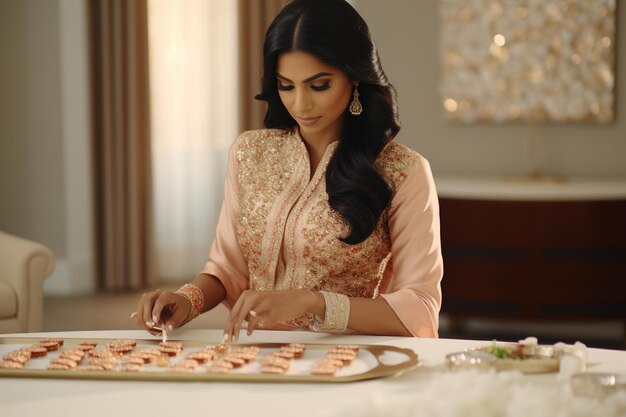
Bridal Jewellery Checklist: Everything You Need for Wedding Functions
Complete guide to selecting, buying, and styling jewellery for every Indian wedding ceremony
Indian brides spend an average of ₹3.2 lakh on wedding jewellery, yet 40% discover gaps in their collection just weeks before their ceremony. The pressure to look perfect across mehendi, sangeet, wedding, and reception creates a complex puzzle of matching sets, family heirlooms, and new purchases that overwhelm even organized brides.
Mumbai's jewellery markets see panic buying surge 300% in pre-wedding months as brides realize their engagement necklace doesn't complement their lehenga's neckline. Bangalore couples face 6-month waiting periods for custom Kundan work, while destination wedding venues in Rajasthan demand coordinated looks that photographs beautifully against desert backdrops.
This comprehensive checklist eliminates guesswork by mapping every piece you need for each function, realistic budgets for different city tiers, and timing strategies that prevent last-minute disasters. Happiffie's vetted jeweller network ensures you get authentic pieces without market markup headaches.
📋 Table of Contents
Understanding Your Jewellery Needs
Wedding jewellery planning became exponentially complex after 2020 when couples started hosting 4-6 different styled events instead of traditional single-day celebrations. Each function now demands distinct aesthetics—your mehendi's bohemian silver won't work for your reception's contemporary diamond look. This shift caught the jewellery industry off-guard, creating supply crunches for specific styles during wedding seasons.
Consider Priya from Chennai who booked her wedding for December 2025. By March, she needed temple jewellery for her South Indian ceremony, statement pieces for her North Indian reception, and delicate sets for her destination mehendi in Goa. Local jewellers quoted 4-month lead times for custom Bharatanatyam-inspired pieces, forcing her to compromise on design or pay 40% premiums for ready inventory.
The biggest mistake brides make is treating jewellery as an afterthought after finalizing outfits. Smart planning reverses this—your jewellery palette determines your lehenga color story, not vice versa. Gold undertones clash with certain silk textures, while diamond clarity affects how pieces photograph under different venue lighting conditions.
Wedding photography has also changed the game entirely. Instagram-worthy close-ups mean every piece needs to be camera-ready, pushing brides toward statement earrings and bold necklaces that pop in photos. Professional photographers now specifically request jewellery details during pre-wedding consultations to plan lighting setups accordingly.
 Hiya
HiyaPro Tip: Start your jewellery shopping 6 months before your first function. Custom pieces need 3-4 months, and you'll want time to coordinate with your outfits.
Key Factors to Consider
Smart jewellery selection hinges on five critical factors that most brides discover too late. Your venue's lighting dramatically affects how pieces appear—tungsten bulbs make gold look orange while LED lighting can wash out intricate silver work. Outdoor functions in places like Udaipur require pieces that won't tarnish in humidity, while air-conditioned banquet halls in Mumbai allow for delicate pearl arrangements.
Function duration directly impacts comfort and practicality. A 12-hour wedding day demands lightweight sets that won't cause neck strain, while a 3-hour reception allows for heavier statement pieces. Many Chennai brides learn this lesson when their 150-gram temple gold necklaces become unbearable during 8-hour ceremonies, forcing emergency jewelry swaps mid-function.
Your outfit's neckline determines 70% of your necklace choice, yet brides often buy pieces before finalizing blouses. A deep V-neck calls for layered chains, while high-neck blouses need dramatic earrings to balance the look. Color coordination goes beyond matching—gold jewelry with pink undertones clashes with cool-toned lehengas, creating unflattering photographic contrasts.
Family heirloom integration requires diplomatic planning since mothers-in-law often have strong opinions about which ancestral pieces must be worn. Professional stylists recommend creating mood boards that blend inherited pieces with new purchases, ensuring family sentiments don't compromise your vision while maintaining harmony across functions.
1. Venue Lighting
Tungsten lights make gold appear orange, while natural outdoor light enhances diamond brilliance. LED venue lighting can wash out intricate silver work. Test your pieces under similar lighting conditions before finalizing.
2. Function Duration
Long ceremonies require lightweight sets to prevent neck strain and fatigue. Heavy temple jewelry works for short rituals but becomes uncomfortable during 8-12 hour wedding days requiring frequent position changes.
3. Outfit Coordination
Neckline determines necklace choice—V-necks need layered chains, high necks require statement earrings. Gold undertones must complement lehenga colors to avoid photographic clashes and unflattering contrasts.
4. Climate Considerations
Humidity causes tarnishing in coastal cities like Chennai and Mumbai. Outdoor functions need sweat-resistant pieces. Air conditioning allows delicate pearls and intricate work that might deteriorate in heat.
5. Photography Requirements
Close-up shots demand flawless piece quality. Statement earrings and bold necklaces photograph better than subtle pieces. Diamond clarity affects how jewelry appears under professional lighting setups and camera flashes.
Function-Wise Jewellery Guide
Each wedding function demands a distinct jewellery strategy that balances tradition with personal style. Mehendi functions favor oxidized silver and lightweight gold that photographs beautifully against henna designs without overwhelming the intricate patterns. Sangeet events call for statement pieces that catch stage lights—bold chandbali earrings and layered necklaces that move gracefully during dance performances.
Wedding ceremonies require the heaviest investment since these pieces appear in your most precious photographs. Traditional South Indian weddings demand temple jewelry with Lakshmi motifs, while North Indian ceremonies favor Kundan and Polki sets that complement heavy silk sarees. The key is ensuring comfort during long rituals while maintaining the grandeur expected for this sacred moment.
Reception jewellery trends toward contemporary elegance—diamond tennis necklaces, modern gold chokers, and statement rings that complement Western or Indo-Western outfits. These pieces need to transition seamlessly from cocktail hour conversations to dance floor celebrations. Many brides opt for convertible pieces that adapt from formal dinner elegance to party-ready glamour with simple adjustments.
Post-wedding events like ring ceremonies or griha pravesh require versatile pieces that honor tradition without competing with your main wedding jewelry. Professional event planners recommend creating a jewellery calendar that maps each piece to specific functions, ensuring no overlap while maintaining cohesive styling across your entire wedding journey.
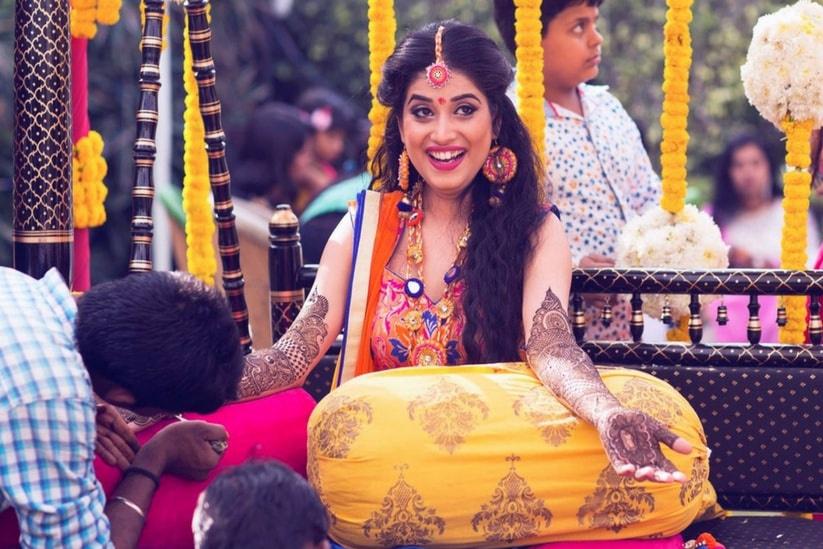 Most Popular
Mehendi Function
Oxidized silver jhumkas, delicate gold chains, and floral maang tikkas complement henna designs. Avoid heavy pieces that interfere with henna application. Budget ₹15,000-40,000 for complete mehendi jewelry sets.
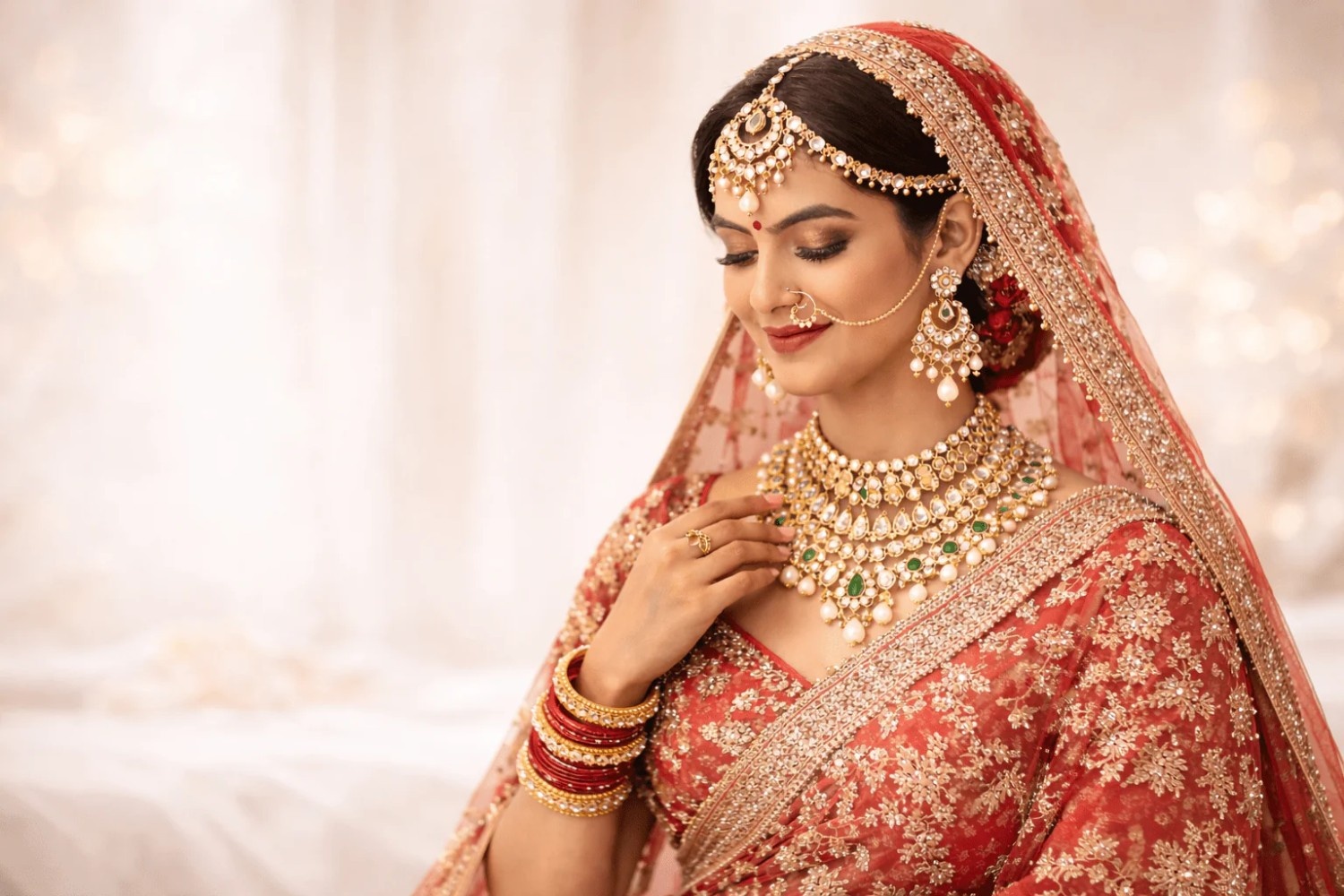 Investment Priority
Wedding Day
Complete traditional sets including heavy necklaces, temple earrings, maang tikka, nath, and armlets. This requires your biggest investment—₹1.5-4 lakhs depending on gold prices and craftsmanship quality.
Budget Planning
Realistic bridal jewellery budgets range from ₹2-8 lakhs depending on your city tier and function count. Tier-1 cities like Mumbai and Delhi command 25-40% premiums due to higher rent and designer markups, while Tier-2 cities like Pune and Kochi offer similar quality at better value. The key insight most couples miss is that 60% of costs come from just three pieces—your primary necklace, wedding day earrings, and ceremonial maang tikka.
Gold price volatility adds complexity since rates fluctuate ₹200-500 per gram monthly. Smart buyers track 3-month price patterns and purchase during traditional low-demand periods like monsoon months. Many jewellers offer buyback guarantees, but read fine print carefully—some exclude labor charges or design premiums, effectively reducing your investment value by 15-20%.
Hidden costs destroy budgets faster than main purchases. Certificate charges, custom design fees, rush order premiums, and alteration costs add ₹25,000-50,000 to final bills. Chennai brides report insurance premiums of ₹8,000-15,000 annually for high-value sets, while destination wedding couples face additional security and transport costs of ₹10,000-25,000.
The smartest investment strategy involves buying timeless pieces that transcend fashion trends and serve multiple functions post-wedding. Happiffie's Reverse Auction connects you with competing jewellers, often reducing costs by 15-30% compared to direct retail purchases while ensuring authentic hallmarked gold and certified diamonds.
Budget-Friendly
Gold-plated options, lightweight designs, minimal stones. Focus on 2-3 key pieces for main functions.
Best for small intimate weddingsMid-Range
22K gold sets, semi-precious stones, complete function-wise collections. Balance of quality and variety.
Most popular choicePremium
Kundan, Polki, diamond combinations, custom designs, heirloom-quality craftsmanship for grand celebrations.
For luxury weddings💰 Money-Saving Tips
- Book during monsoon months when gold demand drops for 10-15% better rates.
- Use Happiffie's Reverse Auction to get competing quotes from verified jewellers.
- Consider modular sets that mix-and-match across multiple functions for better value.
Frequently Asked Questions
These frequently asked questions address the most common concerns brides face when planning their wedding jewellery purchases and selection process.
Final Thoughts
Wedding jewellery planning succeeds when you treat it as storytelling through precious metals and stones rather than checkbox shopping. Each piece should enhance your natural beauty while honoring family traditions and personal style. The brides who look most radiant are those whose jewellery feels authentically them, not dictated by trends or pressure.
Your immediate action step: create a function-wise mood board this week mapping outfits to jewellery requirements before making any purchases. The biggest mistake to avoid is buying pieces in isolation without considering the complete look across all your wedding events. This scattered approach leads to mismatched sets, budget overruns, and last-minute panic shopping.
Happiffie simplifies this complex process by connecting you with trusted jewellers who understand wedding timelines and provide transparent pricing. Our platform's Reverse Auction system ensures competitive rates while maintaining quality standards. Remember: your wedding jewellery becomes part of your love story, handed down through generations—invest wisely in pieces that will make your great-granddaughters feel as beautiful as you do today.
Ready to Get Started?
Let Happiffie help you find the perfect jewellery vendors for your dream wedding.
Are you a Vendor? Grow Your Business with Happiffie!
- High intent verified leads
- Reverse auction opportunities
- AI business tools & insights
- Dedicated vendor dashboard
- Grow your business, your way
It's free & takes less than 2 minutes!