
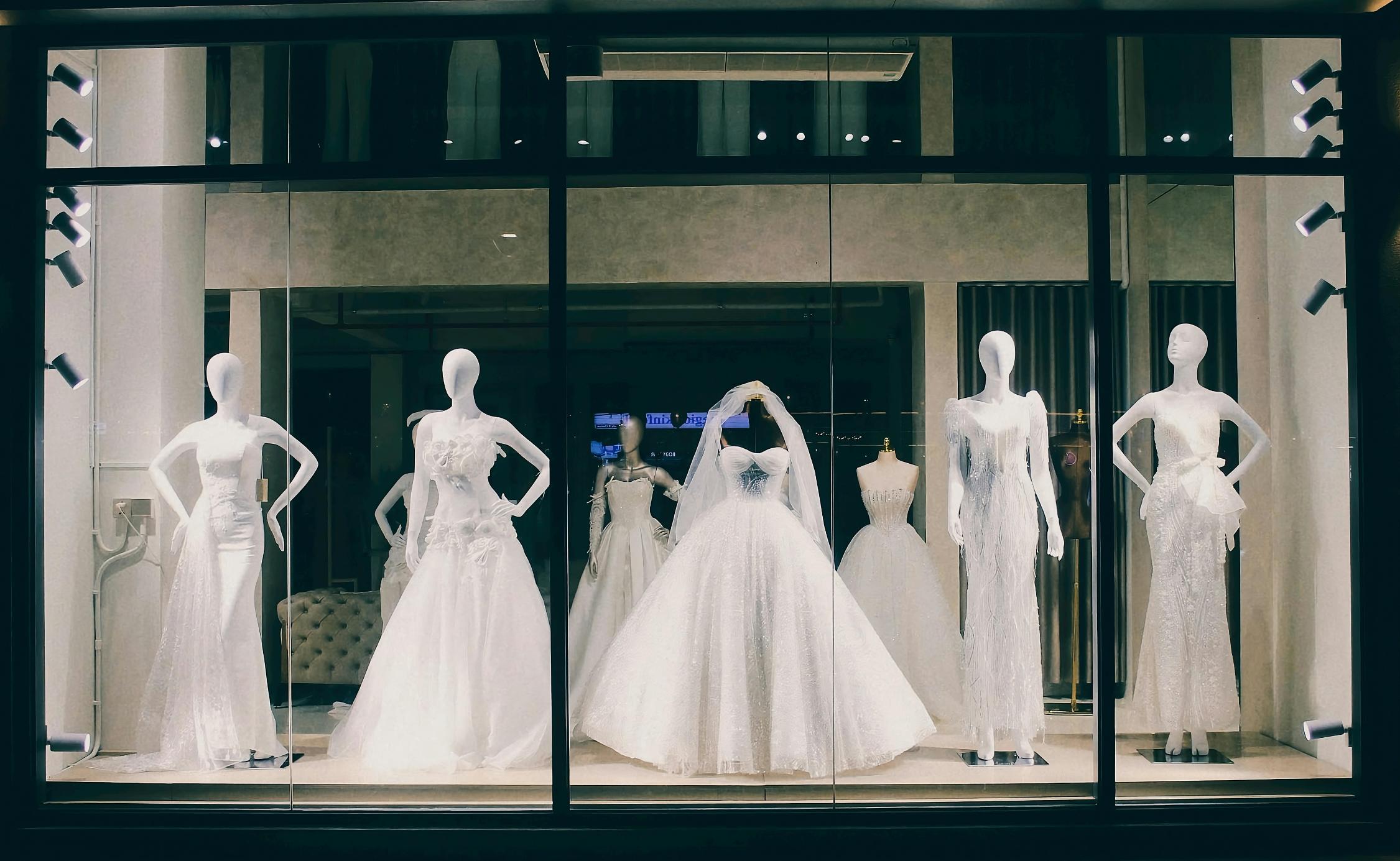
Boutique vs Designer Bridal Wear: What Should You Choose?
A Complete Guide to Making the Right Bridal Outfit Decision for Your Wedding
A Mumbai bride recently spent ₹3.2 lakhs on a designer lehenga, only to discover her cousin's ₹85,000 boutique piece looked equally stunning in photos. The boutique vs designer bridal wear debate isn't just about budget—it's about understanding what truly matters for your big day and avoiding expensive regrets.
Indian brides face unique challenges: monsoon timing affects fabric choices, multi-day functions require multiple outfits, and family expectations often clash with personal preferences. The pressure to look perfect while managing costs creates decision paralysis. Our venue bookings show that outfit decisions directly impact overall wedding budgets and timeline planning.
This comprehensive guide breaks down the real differences between boutique and designer bridal wear, revealing insider secrets about pricing, quality, and fit. We'll help you navigate this crucial decision with confidence, and show how Happiffie connects you with trusted vendors who understand your vision and budget constraints.
📋 Table of Contents
Understanding the Real Differences
The designer vs boutique distinction isn't about quality alone—it's about production scale and exclusivity. Designer pieces come from established fashion houses with recognizable names, while boutiques operate as smaller, often local businesses creating custom or limited-run pieces. Both can deliver exceptional craftsmanship, but their business models create vastly different experiences and price points.
A Bangalore bride booking Sabyasachi in April faces a six-month waiting period and ₹4-8 lakh minimum spend. Meanwhile, a skilled boutique in the same city can create a similar aesthetic in 8-12 weeks for ₹1.5-3 lakhs. The designer route offers brand prestige and often superior finishing details, but boutiques provide flexibility for last-minute changes and personalized service that bigger houses simply can't match.
The biggest mistake brides make is assuming designer automatically means better fit. Many designer pieces require extensive alterations because they're created for standard measurements, not individual body types. Boutiques often excel at custom fitting from the start, eliminating the need for multiple alteration rounds that can add ₹15,000-25,000 to your final bill.
Your choice impacts more than just your outfit—it affects your entire wedding timeline. Designer pieces require earlier booking and have stricter change policies, while boutiques offer more flexibility for adjustments as your wedding plans evolve. Understanding these operational differences helps you align your outfit choice with your overall planning approach.
 Hiya
HiyaPro Tip: Book your first consultation 6-8 months before your wedding, regardless of whether you choose boutique or designer. This gives you time to compare options without rushing into decisions.
Key Factors to Consider
Budget flexibility determines your realistic options more than personal preference. Designer pieces have fixed pricing with limited negotiation room, while boutiques often work within your budget constraints. A Chennai bride with ₹2 lakhs can get a stunning custom lehenga from a quality boutique but might only afford a simple designer kurta set at that price point.
Timeline pressure reveals the true difference between these options. We've seen Hyderabad couples lose ₹50,000 deposits because designer deliveries missed their wedding dates. Boutiques typically handle rush orders better, but quality boutiques book up months in advance just like designers. The key is understanding each vendor's actual capacity, not their promises.
Fit requirements matter more than most brides realize. If you're planning to lose weight, gain weight, or are pregnant, boutiques offer multiple fitting sessions without extra charges. Designer houses often limit alterations and charge ₹5,000-15,000 per session. Your body confidence and comfort on your wedding day depend heavily on getting this decision right.
Family expectations create hidden pressure that affects your choice satisfaction. Some families view designer wear as essential for status, while others prefer supporting local artisans. Discussing these expectations early prevents last-minute conflicts and helps you find options that satisfy both your vision and family dynamics. Our vendor network includes options that bridge this gap beautifully.
1. Budget Flexibility
Designer prices are mostly non-negotiable with 20-30% advance payments required. Boutiques often work within your budget and offer payment plans. Consider total cost including alterations, accessories, and styling.
2. Customization Level
Designers offer limited modifications to signature styles. Boutiques excel at creating completely custom pieces from your inspiration photos. Choose based on how specific your vision is.
3. Timeline Constraints
Designer pieces need 4-8 months lead time with strict deadlines. Quality boutiques require 2-4 months but offer more flexibility for rush orders. Factor in trial fittings and alteration time.
4. Quality Assurance
Designer houses have established quality standards and brand reputation to maintain. Boutique quality varies significantly—always check portfolios, reviews, and see finished pieces in person before committing.
5. After-Service Support
Designer brands offer limited post-purchase alterations and cleaning services. Many boutiques provide ongoing support, storage advice, and future alteration services as part of their customer relationship building.
Popular Bridal Wear Options
Heavy silk lehengas dominate Indian bridal choices, but fabric selection dramatically affects comfort and photography. Bangalore's IT professionals increasingly choose lighter fabrics for their tech-savvy photo sessions, while traditional families in Chennai still prefer rich Kanchipuram silk despite the 35°C heat. Your venue's air conditioning capacity should influence this decision more than tradition alone.
Designer collaborations with boutiques create a middle ground that's gaining popularity. Established designers license their patterns to skilled boutiques, offering brand aesthetic at reduced prices. Delhi's Karol Bagh and Mumbai's Crawford Market have numerous such arrangements, though quality control varies significantly. Always verify the actual designer involvement level before paying premium prices for these collaborations.
Ready-to-wear designer collections provide immediate availability but limited sizing. Pune brides often choose this route for sangeet outfits while investing in custom pieces for their main ceremony. The key advantage is trying before buying, but alterations can be challenging if the original fit is significantly off. Consider this option only if you match standard sizing closely.
Regional specialty boutiques offer authentic craftsmanship that many designers outsource anyway. Lucknow's chikankari specialists, Jaipur's bandhani experts, and Kolkata's handloom artisans often create pieces for famous designer labels. Working directly with these artisans through verified platforms can deliver authentic craftsmanship at fair prices while supporting traditional skills.
Designer Heavy Silk Lehengas
Premium brand pieces with signature embellishments and superior finish quality. Best for main ceremony wear when photos and family impressions matter most. Expect ₹3-8 lakhs with 6-month booking timelines.
Custom Boutique Creations
Personalized designs created specifically for your measurements and preferences. Ideal for unique themes or specific fit requirements. Quality varies by artisan, but costs ₹1-4 lakhs with flexible timelines.
Designer-Boutique Collaborations
Licensed designer patterns created by skilled local artisans. Offers brand aesthetic at reduced cost but verify actual designer involvement. Price range ₹1.5-3.5 lakhs depending on designer participation level.
Budget Planning Guide
Bridal wear typically consumes 15-25% of total wedding budgets, but hidden costs often double the initial quote. Petticoats, blouses, jewelry coordination, and styling services add ₹25,000-50,000 to designer pieces. Boutiques sometimes include these elements, but always confirm what's covered in your quoted price to avoid budget surprises.
Seasonal pricing affects both designer and boutique costs significantly. Booking during wedding off-season (July-September) can save 20-30% on boutique pieces, while designer prices remain relatively stable. However, peak season (October-March) booking ensures better attention and priority handling. Mumbai brides booking in monsoon season often secure better deals but risk limited appointment availability.
Payment timing strategies can optimize your budget allocation. Designers require 30-50% advance payments, locking large amounts early in your planning process. Boutiques often accept smaller deposits with flexible payment schedules, allowing you to allocate funds based on your overall wedding timeline and cash flow needs.
Alteration costs vary dramatically between vendors and aren't always disclosed upfront. Designer houses charge ₹3,000-8,000 per fitting session, while boutiques often include 2-3 fittings in their base price. Factor in potential weight fluctuations and style changes when budgeting. Happiffie's Reverse Auction helps you compare total costs including alterations across multiple vendors transparently.
Budget-Friendly
Quality boutique pieces with custom fitting and basic embellishments. Includes blouse, petticoat, and 2-3 fittings.
Best for sangeet and mehendi functionsMid-Range
Premium boutique or entry-level designer pieces with quality fabrics and detailed work. Often includes accessories coordination.
Most popular for main ceremonyPremium
Established designer pieces with signature craftsmanship, premium fabrics, and complete styling services. Brand prestige included.
For grand destination weddings💰 Money-Saving Tips
- Book during off-season (July-September) for 20-30% better rates from boutiques.
- Use Happiffie's Reverse Auction to compare total costs including alterations transparently.
- Negotiate package deals combining multiple function outfits for better per-piece pricing.
Frequently Asked Questions
These commonly asked questions address the real concerns brides face when choosing between boutique and designer bridal wear options.
Final Thoughts
The boutique vs designer debate ultimately comes down to understanding your priorities: brand prestige versus budget flexibility, standardized quality versus personalized service, established timelines versus creative freedom. Neither choice is inherently superior—both can deliver stunning results when matched correctly to your specific needs, timeline, and expectations.
Make your booking decision within the next two weeks if your wedding is within eight months. Quality vendors in both categories fill up quickly, and waiting longer limits your options significantly. The biggest mistake is postponing this choice while other wedding elements pile up. Your bridal outfit decision affects everything from photography planning to ceremony logistics—getting it locked in early reduces stress and improves outcomes across your entire wedding planning process.
Remember that your perfect outfit exists in both boutique and designer worlds—success lies in matching your choice to your actual needs rather than perceived expectations. Happiffie's platform simplifies this journey by connecting you with pre-verified vendors who understand your vision and respect your budget. The right choice is the one that makes you feel confident, comfortable, and authentically beautiful on your special day.
Ready to Find Your Perfect Bridal Outfit?
Let Happiffie connect you with verified boutiques and authorized designers who match your vision and budget.
Are you a Vendor? Grow Your Business with Happiffie!
- High intent verified leads
- Reverse auction opportunities
- AI business tools & insights
- Dedicated vendor dashboard
- Grow your business, your way
It's free & takes less than 2 minutes!