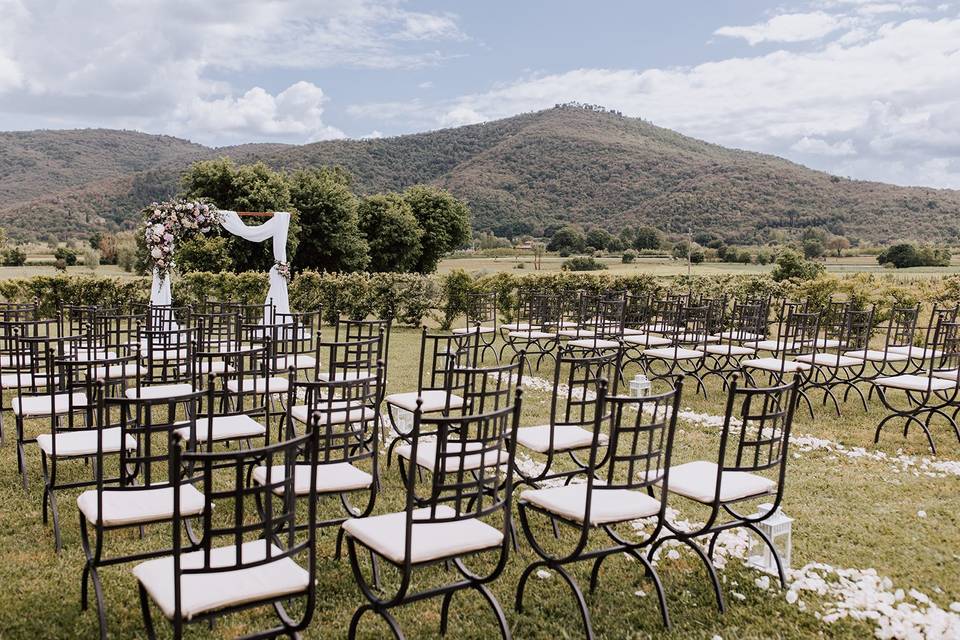
A venue that claims to accommodate 3000 guests on paper may only be comfortable for 2200 in a theatre-style seating arrangement. For a wedding — where guests move between the mandap, the dining area, the photo backdrop, and the stage — the usable floor area must account for circulation space, which typically adds 30–40% to the raw seating footprint. We have seen couples regret booking halls that looked spacious in brochures but felt cramped once décor, buffet counters, and a live orchestra were set up.
The most important metric is net usable square footage. For a 3000-guest wedding with simultaneous dining in shifts, you need a combined floor space of at least 25,000–30,000 sq ft. Large wedding halls in Chennai that genuinely meet this standard usually have a main hall of 18,000–22,000 sq ft plus ancillary spaces for the welcome lobby, family rooms, and a dedicated bridal suite.
Beyond size, genuine large-capacity venues offer at least 500–700 dedicated parking slots, three-phase electrical supply for heavy lighting and sound rigs, a commercial-grade kitchen capable of serving 3000 covers in two shifts, and a venue coordinator who manages vendor ingress on the day. If a venue cannot demonstrate these infrastructure elements, it may struggle to deliver a smooth experience regardless of its advertised headcount. Use the Happiffie planning guide to build your venue infrastructure checklist before you visit.
Accessibility also matters enormously for Tamil weddings with large out-of-town guest counts. Look for venues within 5 km of a metro station or a major arterial road, and confirm whether the venue has tie-ups with shuttle services or nearby hotels for overnight guests. Chennai venues on the IT corridor (OMR) often struggle with peak-hour traffic on weekday wedding dates, so factor in the day of the week alongside the muhurth calendar.