
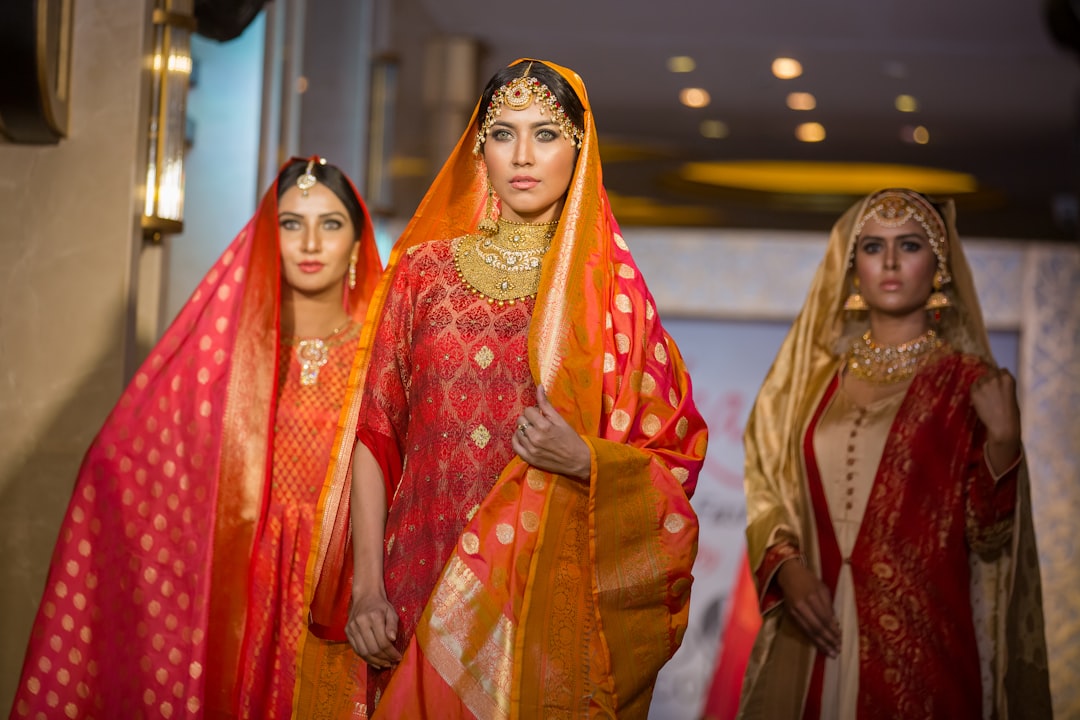
Biggest Bridal Fashion Mistakes & How to Avoid Them
Expert guide to sidestep common bridal fashion pitfalls for your perfect wedding day
Three months before her Mumbai wedding, Priya spent ₹1.8 lakh on a stunning Sabyasachi lehenga that looked perfect in the boutique's LED lighting. On her wedding day, under harsh afternoon sun and camera flashes, the heavy gold work disappeared into muddy browns, leaving her looking washed out in every photo that would last forever.
This scenario repeats across Indian weddings every season—brides making expensive fashion choices without considering venue lighting, climate realities, or photography needs. From ill-fitted blouses that gap during ceremonies to dupatta styling that blocks the groom's face during pheras, these mistakes cost more than money.
This guide breaks down the eight most expensive bridal fashion mistakes we see across Indian weddings, why they happen, and exactly how to avoid them. Happiffie's vendor network has styled over 12,000 brides, and these patterns emerge consistently across cities, budgets, and seasons.
📋 Table of Contents
Why Bridal Fashion Mistakes Are So Costly
Indian bridal fashion mistakes aren't just embarrassing—they're financially devastating because alterations happen at premium rates. A Chennai bride discovered her ₹85,000 lehenga needed a complete blouse reconstruction three days before her wedding, costing an additional ₹15,000 in emergency tailoring fees plus ₹8,000 for express embroidery matching.
The psychology behind these mistakes runs deeper than poor planning. Bridal shopping happens in air-conditioned showrooms under artificial lighting, while weddings occur in natural light, heat, and humidity. A Bangalore bride's silk saree looked regal indoors but photographed as flat beige under the mandap's morning sun, forcing last-minute shopping for contrasting jewelry that never matched properly.
Most expensive mistake patterns emerge during peak wedding season (November to February) when brides book trials just weeks before ceremonies. Quality tailors demand 6-8 weeks for proper bridal work, but panic bookings mean rushed alterations, poor-fitting blouses, and emergency backup outfits that blow budgets completely.
Understanding these mistakes isn't about perfection—it's about avoiding the specific traps that cost Indian brides ₹30,000 to ₹1.2 lakh in last-minute fixes. Smart brides who plan around these pitfalls consistently report 40% lower styling costs and dramatically better wedding photos that capture their vision flawlessly.
 Hiya
HiyaPro Tip: Book your bridal styling trial at the same time of day as your actual ceremony to see how colors and textures really photograph.
Critical Decision Factors for Bridal Fashion
Smart bridal fashion decisions start with understanding your venue's lighting conditions and photography requirements. A Hyderabad bride learned this when her pale pink lehenga completely disappeared against her venue's white marble mandap, creating photos where she looked like a floating face. Outdoor morning ceremonies need deeper, richer colors while evening indoor functions can handle pastels and lighter shades successfully.
Climate planning separates successful bridal fashion from disasters. Mumbai's humid climate makes heavy silk sarees unwearable for 4-hour ceremonies, while Delhi's dry winter air allows for layered ensembles that would suffocate brides in southern cities. Fabric weight directly impacts your comfort and mobility during lengthy rituals, affecting everything from walking gracefully to sitting comfortably during ceremonies.
Photography style matching often gets overlooked until couples see their wedding albums. Traditional photographers need high-contrast outfits that pop in formal poses, while candid photographers work better with softer color palettes that photograph naturally in movement. Your chosen photographer's style should influence fabric choices, embroidery density, and color saturation levels for optimal results.
Body type and function planning require honest assessment. A Pune bride's heavily embellished blouse looked stunning but prevented her from raising her arms during aarti, creating awkward photos and genuine discomfort during sacred moments. Your outfit must accommodate actual wedding activities—bending for rituals, walking on uneven surfaces, sitting on floors, and wearing heavy jewelry for extended periods.
1. Venue Lighting Compatibility
Indoor venues with warm lighting enhance gold and red tones while washing out pastels. Outdoor ceremonies need deeper colors that won't disappear in natural light. Test outfit colors at your venue during ceremony time.
2. Climate and Season Matching
Heavy fabrics work in winter but become torture in summer heat. Silk retains heat while georgette breathes better. Consider 4-6 hour ceremony duration and choose fabrics that maintain comfort throughout.
3. Photography Style Alignment
Traditional photography needs high-contrast outfits while candid styles prefer softer palettes. Your photographer's editing style affects how colors appear in final albums, influencing fabric and embroidery choices.
4. Ritual Movement Requirements
Wedding ceremonies require bending, sitting, and raised arms. Heavy embellishment restricts movement while poor blouse fit causes gaps during rituals. Prioritize comfort alongside aesthetics for graceful ceremony participation.
5. Body Shape and Proportion
Lehenga cut, blouse style, and dupatta draping must flatter your specific body type. Cookie-cutter designs often fail individual proportions. Custom fitting and style selection prevent unflattering silhouettes in permanent wedding photos.
Most Common Bridal Fashion Mistakes
The single most expensive mistake Indian brides make is buying outfits without professional fitting trials. A Kolkata bride's ₹1.2 lakh Manish Malhotra lehenga arrived perfectly sized according to measurements, but the blouse design created unflattering gaps during arm movements that required complete reconstruction. Professional trials reveal fit issues that measurements alone can't predict, especially with heavily embellished pieces.
Color testing under venue lighting conditions ranks as the second costliest oversight. Colors that appear vibrant in showroom lighting often photograph as muddy or washed-out under different conditions. A Delhi bride's champagne gold lehenga looked stunning in boutique mirrors but photographed as beige against her venue's warm-toned décor, forcing expensive last-minute jewelry changes to create contrast.
Dupatta styling mistakes destroy countless wedding photos and ceremony comfort. Common errors include choosing dupatta lengths that drag on floors, selecting weights that constantly slip during movement, and planning draping styles that block facial features during key moments like garland ceremonies. Smart brides practice dupatta management weeks before their wedding day.
Backup outfit planning gets skipped by 70% of brides, leaving them vulnerable to staining, tearing, or weather disasters. A Bangalore bride's outdoor ceremony encountered unexpected rain, completely soaking her silk saree with no backup available. Emergency shopping during wedding week costs 200-300% more than planned alternatives, plus creates unnecessary stress during an already intense time.
Poor Fit and Tailoring Issues
Blouses that gap, sag, or restrict movement during ceremonies. Skirts that are too long or short for your height. Sleeves that bunch awkwardly or cut circulation during extended wear.
Wrong Color Selection
Colors that disappear under venue lighting or against décor backgrounds. Pastels that photograph as white or muddy tones that clash with traditional gold jewelry and mandap decorations.
Dupatta Disasters
Wrong length dupatta that drags or is too short. Heavy fabrics that constantly slip. Draping styles that cover the bride's face during key ceremony moments or create photography obstacles.
Budget Planning for Bridal Fashion
Realistic bridal fashion budgets start at ₹80,000 for complete outfits including blouse, jewelry, and accessories across multiple functions. Designer pieces range from ₹1.2 lakh to ₹8 lakh, while custom work adds 30-50% to base prices. Emergency alterations cost 200-400% more than planned tailoring, making proper timeline planning essential for budget control.
Hidden costs destroy most bridal fashion budgets through unexpected expenses. Matching jewelry rental adds ₹15,000-₹45,000, specialized undergarments cost ₹8,000-₹15,000, and professional blouse fitting requires ₹12,000-₹25,000 beyond the outfit price. A Chennai bride's ₹95,000 lehenga budget became ₹1.65 lakh after these essential additions she hadn't researched initially.
Seasonal pricing fluctuations significantly impact costs with peak wedding season (November-February) carrying 40-60% premiums on emergency work. Off-season shopping (March-August) offers better designer availability, longer alteration windows, and negotiable pricing. Smart budget planning accounts for these variations by booking early or choosing alternative timing strategically.
Happiffie's Reverse Auction system helps brides compare styling packages from multiple vendors simultaneously, typically reducing overall costs by 15-25%. Vendors compete directly on pricing while maintaining quality standards, eliminating the guesswork and negotiation stress that often leads to overspending on bridal fashion essentials.
Budget-Conscious
Designer-inspired outfits from established local boutiques with quality fabrics and decent embroidery work.
Best for intimate weddingsMid-Range Designer
Recognized designer labels with custom fitting, quality fabrics, and detailed embellishment work across multiple outfits.
Most popular choiceLuxury Couture
Top-tier designers with completely custom creation, premium fabrics, intricate handwork, and exclusive styling consultation.
For grand celebrations💰 Money-Saving Tips
- Book during off-season (March-August) for 30-40% better rates and longer fitting timelines.
- Use Happiffie's Reverse Auction to get competitive quotes from multiple bridal stylists.
- Negotiate package deals combining multiple function outfits for better per-piece pricing.
Frequently Asked Questions
These questions address the most common concerns Indian brides have about avoiding fashion mistakes while staying within budget and timeline constraints.
Final Thoughts
The biggest bridal fashion mistakes stem from treating outfit selection like regular shopping instead of strategic planning for specific lighting, climate, and photography needs. Understanding these variables upfront prevents the expensive last-minute fixes that plague 60% of Indian brides and create unnecessary stress during what should be joyful preparation time.
Your single most important decision is booking professional styling trials early enough for proper alterations and adjustments. Never compromise on fit quality to meet tight deadlines—poorly fitted bridal wear affects every photo, every ceremony moment, and your overall comfort during the most important day of your life.
Happiffie's platform eliminates guesswork by connecting you with experienced bridal stylists who understand Indian wedding requirements, venue considerations, and budget realities. Their expertise helps you avoid these common pitfalls while creating the exact bridal vision you've dreamed about, executed flawlessly within your timeline and budget constraints.
Ready to Get Started?
Let Happiffie help you find the perfect bridal styling solution.
Are you a Vendor? Grow Your Business with Happiffie!
- High intent verified leads
- Reverse auction opportunities
- AI business tools & insights
- Dedicated vendor dashboard
- Grow your business, your way
It's free & takes less than 2 minutes!