
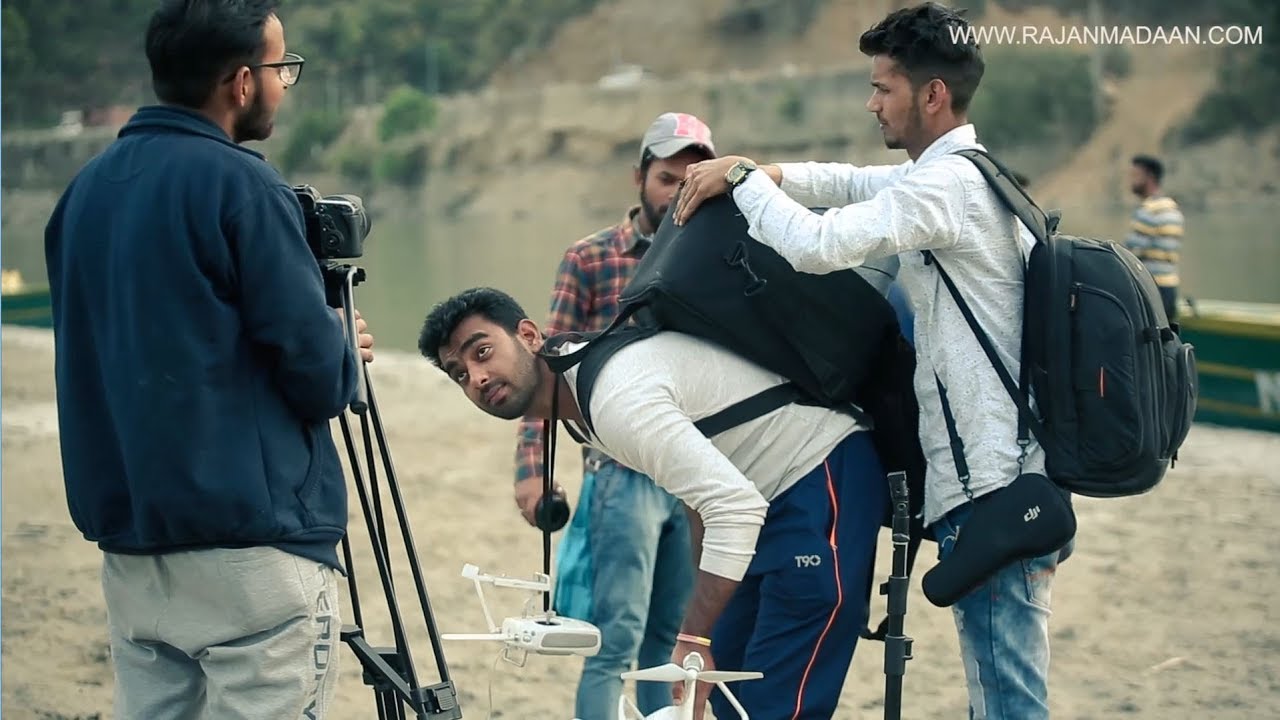
Behind the Scenes of a Wedding Shoot: What Really Happens
An insider's guide to wedding photography from setup to final shots
Ever wondered what happens behind the scenes of a wedding shoot when photographers seem to effortlessly capture those perfect moments? The reality is far more complex than the beautiful final images suggest. From extensive pre-planning and equipment preparation to managing unexpected challenges and coordinating with multiple vendors, wedding photography involves intricate choreography that most couples never see.
Understanding the wedding photography process can help you make better decisions when selecting photographers and planning your shoot timeline. Happiffie connects couples with experienced wedding photographers who excel at managing every aspect of the shoot, ensuring your special day is captured flawlessly while you focus on celebrating your love story.
📋 Table of Contents
Pre-Shoot Planning and Preparation
The magic of wedding photography begins weeks before the actual wedding day. Professional photographers spend countless hours in pre-production planning, which forms the foundation of a successful shoot. This phase involves detailed venue reconnaissance where photographers visit the wedding venues to understand lighting conditions, architectural features, and potential shooting locations. They create comprehensive shot lists based on the couple's preferences, family dynamics, and cultural traditions specific to Indian weddings.
Timeline coordination becomes crucial during this phase, as photographers work closely with wedding planners and vendors to understand the ceremony schedule. They need to know when the baraat will arrive, the timing of various rituals like saat phere, and when family photo sessions should occur. This coordination ensures no important moment is missed and allows for seamless transitions between different photography styles throughout the day.
Equipment preparation and backup planning are equally important aspects that happen behind the scenes. Photographers meticulously check and prepare multiple camera bodies, various lenses for different shots, lighting equipment, and backup batteries. They also prepare for weather contingencies, especially for outdoor ceremonies, ensuring they have protective gear for equipment and alternative shooting strategies ready.
Communication with the couple and families is another critical element that occurs before the wedding day. Photographers conduct detailed consultations to understand the couple's vision, preferred photography styles, and any specific requests or restrictions. They also coordinate with family members to ensure everyone understands the photography schedule and their roles during various ceremonies, making the actual wedding day flow smoothly.
 Hiya
HiyaPro Tip: Ask your photographer to share their detailed shot list and timeline at least two weeks before your wedding. This helps you suggest any additional moments you want captured!
Key Factors Behind Professional Wedding Photography
The technical aspects of wedding photography involve much more than just pointing and shooting. Professional wedding photographers arrive hours before guests to set up multiple shooting stations, test lighting conditions, and coordinate with other vendors. Understanding these key factors helps couples appreciate the complexity involved in capturing their perfect day.
1. Lighting Management
Photographers work with natural light, artificial lighting, and flash systems to ensure consistent quality across different venues and times of day.
2. Multiple Angle Coverage
Teams position themselves strategically to capture ceremonies from various perspectives without disrupting the sacred rituals or blocking guests' views.
3. Equipment Redundancy
Professional setups include backup cameras, lenses, memory cards, and batteries to ensure continuous shooting despite any technical failures.
4. Vendor Coordination
Photographers collaborate with decorators, caterers, and event planners to understand setup changes and avoid conflicts during shooting.
5. Cultural Sensitivity
Understanding Indian wedding traditions, appropriate positioning during religious ceremonies, and respecting family customs while capturing authentic moments.
Managing the Wedding Day Photography Timeline
The actual wedding day timeline management is where photographers truly showcase their expertise and organizational skills. The day typically begins in the early morning hours with getting-ready shots, capturing intimate moments as the bride and groom prepare for their special day. Photographers must balance being unobtrusive during these personal moments while ensuring they capture the emotions, details of outfits, jewelry, and the anticipation building up to the ceremonies.
During the main ceremonies, photographers employ different strategies for various rituals. They understand the significance of moments like the jaimala exchange, mangalsutra ceremony, and saat phere, positioning themselves to capture these without interfering with religious protocols. The challenge lies in shooting in often challenging lighting conditions inside traditional wedding venues while managing large crowds and maintaining respectful distance from sacred spaces.
Reception photography requires a completely different approach, focusing on candid interactions, dance performances, and guest enjoyment. Photographers must quickly adapt their equipment settings for indoor evening lighting, capture group photos efficiently, and document the celebration's energy. This phase often involves coordinating with DJ services and entertainment vendors to ensure photography doesn't interfere with performances while still capturing key moments.
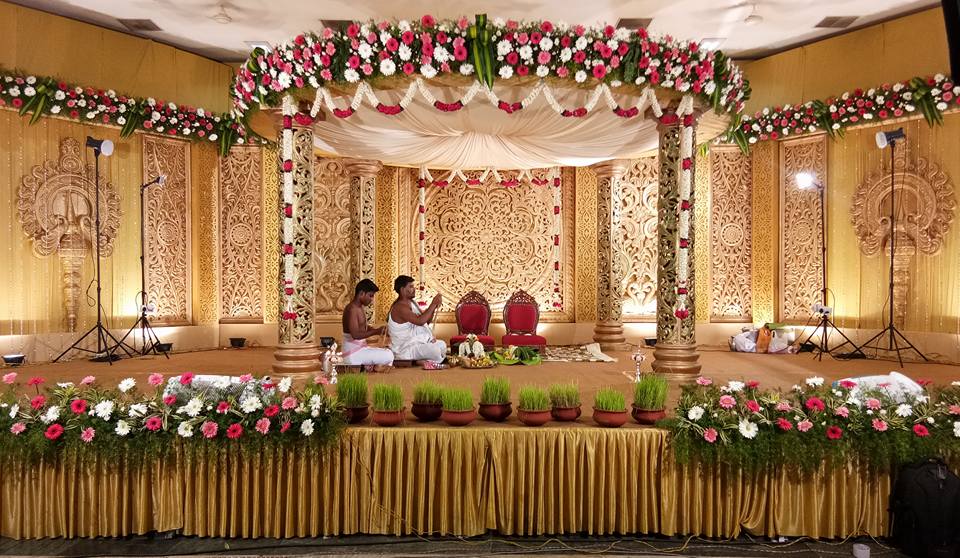 Most Sacred
Traditional Mandap Photography
Capturing sacred ceremonies requires specialized low-light equipment and understanding of religious protocols to maintain sanctity while documenting rituals.
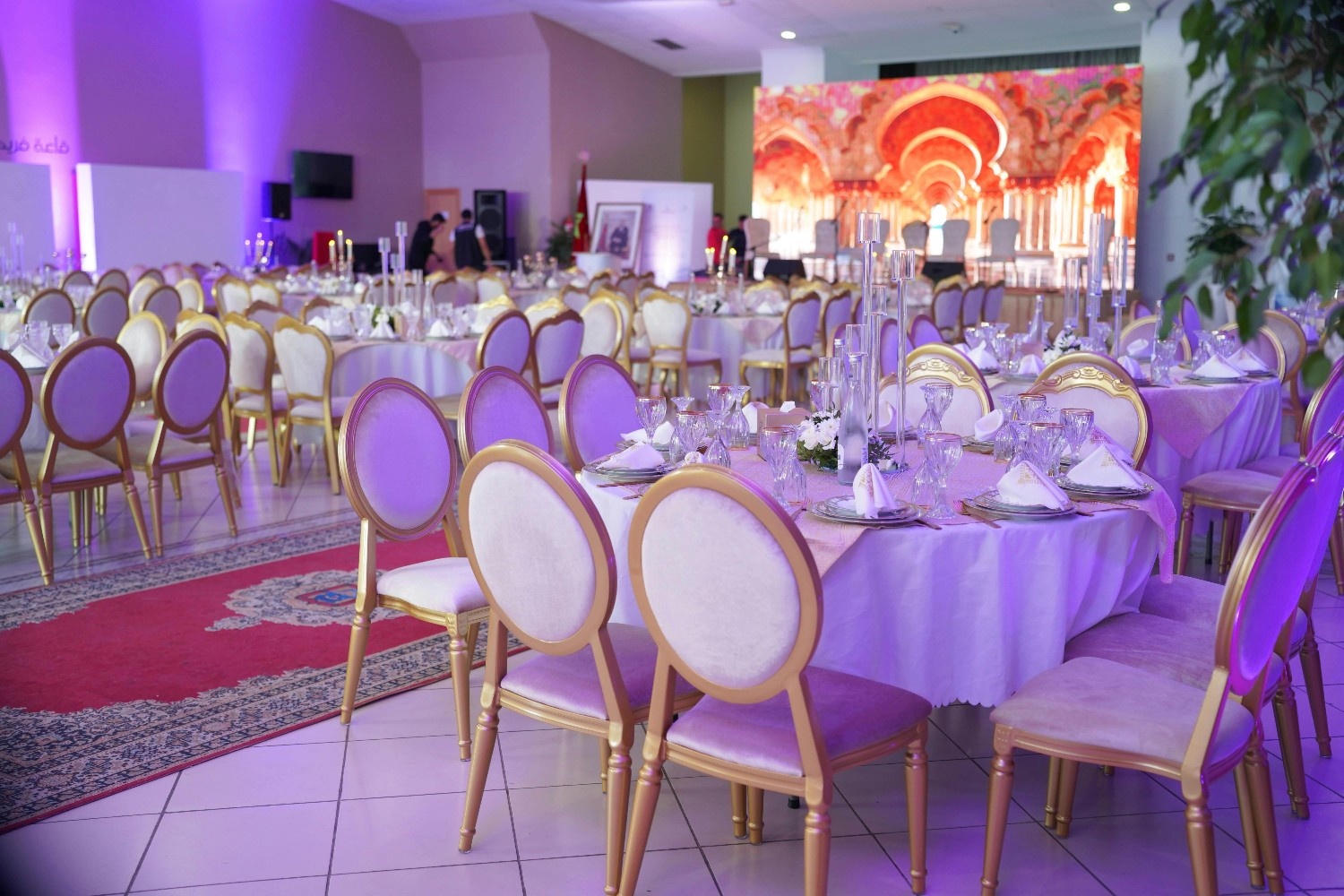 Most Challenging
Reception Hall Coverage
Dynamic reception photography involves managing complex lighting scenarios, crowd movements, and entertainment coordination for comprehensive coverage.
Post-Production and Editing Process
The post-production phase is where the real magic happens, though it remains completely invisible to couples until they receive their final images. Professional wedding photographers typically shoot thousands of photos during a single wedding day, but the selection and editing process that follows is what transforms raw captures into the stunning final gallery. This phase begins immediately after the wedding, with photographers backing up all images to multiple storage devices and cloud systems to ensure no precious memories are lost.
The editing workflow involves multiple stages, starting with image culling where photographers select the best shots from thousands captured. This process requires artistic judgment to identify images with perfect expressions, optimal composition, and technical quality. Color correction and exposure adjustments follow, ensuring consistency across images shot in varying lighting conditions throughout the day. Special attention is given to skin tones, especially important for Indian weddings where lighting conditions can vary dramatically between outdoor and indoor ceremonies.
Advanced editing techniques like background cleanup, object removal, and artistic enhancements are applied selectively to create magazine-quality results. Photographers also create different versions of images - high-resolution files for printing, web-optimized versions for social sharing, and sometimes black-and-white artistic versions. The entire post-production process can take several weeks, depending on the package size and complexity of editing required.
Quality control and client communication form the final stages of post-production. Professional photographers review all edited images multiple times, ensuring consistency in style and technical quality. They then organize images into logical categories - ceremonies, portraits, candid moments, and family groups - before delivering through secure online galleries or physical media as per the contract terms.
HiyaPro Tip: Ask your photographer about their typical delivery timeline and what's included in post-processing. Understanding this helps set realistic expectations for when you'll receive your photos!
Budget Planning for Wedding Photography
Understanding wedding photography pricing helps couples make informed decisions about their investment in capturing memories. The cost varies significantly based on photographer experience, coverage duration, team size, and deliverables included in the package. Indian wedding photography typically requires longer coverage periods due to multiple ceremonies, making pricing different from single-day Western weddings.
Budget-Friendly
Single photographer, 6-8 hours coverage, basic editing, 300-500 final images, online gallery delivery
Best for intimate ceremoniesMid-Range
Two photographers, full-day coverage, professional editing, 800-1200 images, photo book, USB delivery
Most popular choicePremium
Photography team, multi-day coverage, cinematic editing, unlimited images, premium albums, same-day edits
For grand celebrations💰 Money-Saving Tips
- Book photographers during off-peak wedding seasons (July-September) for better rates and availability.
- Use Happiffie's Reverse Auction feature to get competitive quotes from multiple photographers simultaneously.
- Consider combining photography with videography packages from the same vendor for bundled pricing discounts.
Frequently Asked Questions
Final Thoughts
Understanding what happens behind the scenes of a wedding shoot reveals the incredible amount of planning, coordination, and expertise that goes into capturing your perfect day. From pre-wedding consultations and venue scouting to post-production editing and delivery, professional wedding photography involves much more than meets the eye. This knowledge empowers couples to make informed decisions when selecting photographers and helps set realistic expectations about timelines and processes.
The investment in professional wedding photography extends far beyond the wedding day itself. The months of preparation, the technical expertise during shooting, and the extensive post-production work all contribute to creating timeless memories that you'll treasure for generations. When you understand the complexity involved, the value of professional wedding photography becomes clear, making it one of the most important investments in your wedding planning journey.
As you plan your wedding, remember that great photography happens through collaboration between couples and photographers. By understanding the behind-the-scenes process, you can better communicate your vision, work effectively with your photography team, and ensure your wedding day flows smoothly while capturing all the precious moments that matter most to you.
Ready to Find Your Perfect Wedding Photographer?
Let Happiffie connect you with experienced photographers who excel at capturing your special moments.
Are you a Vendor? Grow Your Business with Happiffie!
- High intent verified leads
- Reverse auction opportunities
- AI business tools & insights
- Dedicated vendor dashboard
- Grow your business, your way
It's free & takes less than 2 minutes!