
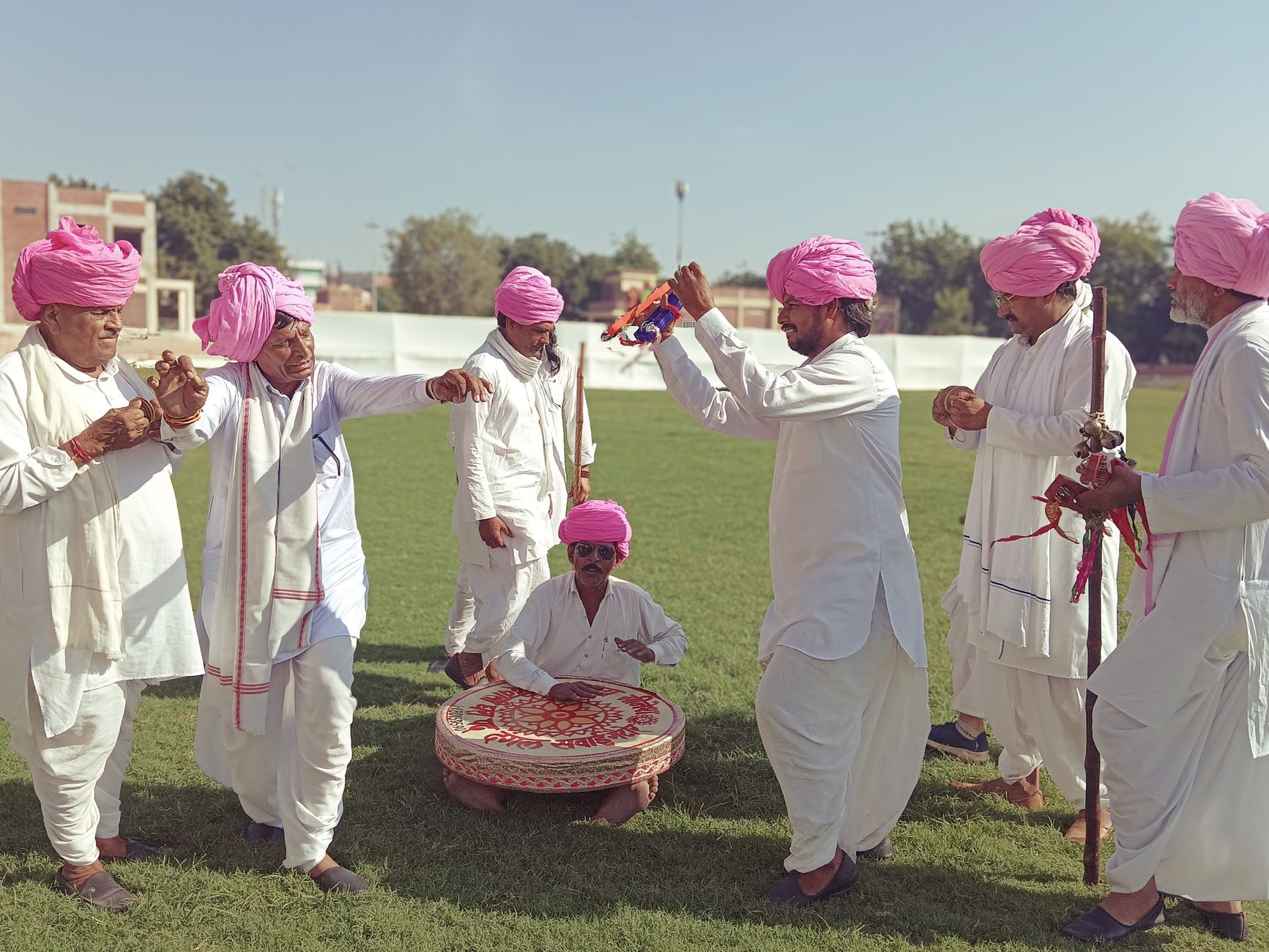
Sacred Bhajan Mandali for Your Celebration
Entertainment in Bhubaneswar
Traditional Bhajan Mandali in Bhubaneswar for Sacred Events
A Traditional Bhajan Mandali transforms any sacred occasion in Bhubaneswar into a deeply spiritual experience, filling the venue with devotional chants, harmonium melodies, and the resonant beat of tabla and mridangam. Whether you are hosting a grand wedding puja ceremony at a banquet hall in Patia or an intimate Satyanarayan Katha in your home in Saheed Nagar, the right Bhajan Performers carry centuries of devotional tradition into your celebration. The spiritual atmosphere setup they create goes far beyond background music — it anchors every ritual in meaning, bringing guests into a collective meditative state that no DJ or band can replicate.
Quick Answer
A Traditional Bhajan Mandali is a group of trained devotional singers and instrumentalists who perform sacred hymns, kirtans, and ashtapadi during Hindu ceremonies, weddings, and religious gatherings. In Bhubaneswar, these groups typically include a lead vocalist, harmonium player, tabla or mridangam player, and chorus singers. They are booked for pujas, naming ceremonies, griha pravesh rituals, and wedding religious functions, usually performing for 2–4 hours. Costs in Bhubaneswar generally range from ₹8,000 to ₹40,000 depending on group size, repertoire, and event duration.
What Does a Traditional Bhajan Mandali Actually Perform at Bhubaneswar Events?
A Traditional Bhajan Mandali performs a curated repertoire that draws from Sanskrit shlokas, Odia bhajans, Vaishnava padas, and popular devotional compositions by saints like Tukaram, Mirabai, and local Odia poet-saints. In Bhubaneswar — a city steeped in temple culture centred around the Lingaraj and Mukteshwar traditions — many groups specialise in specific styles such as Jagannath bhajans, Shiva stutis, or Devi stotras. A Kirtan Mandali subset focuses exclusively on call-and-response kirtan formats, which are especially popular during Hari-Naam sessions at neighbourhood community halls. The core instruments are harmonium, tabla, mridangam, cymbals (jhanj), and sometimes a dholak. Performances are divided into phases matching your ceremony's ritual timeline — mangalacharan at the start, mid-ceremony kirtans, and concluding arati. This structured delivery ensures the music elevates rather than interrupts the pandit's proceedings, creating a cohesive spiritual atmosphere setup from the first chant to the final aarti.
How Much Does Booking a Bhajan Mandali Cost in Bhubaneswar?
Pricing for a Traditional Bhajan Mandali in Bhubaneswar is influenced by group size, duration, travel distance, and the prestige of the lead singer. A small Devotional Singing Group of 4–5 members performing for two hours at a home puja in areas like Nayapalli or Rasulgarh typically charges ₹8,000–₹15,000. A mid-size Religious Music Ensemble of 6–9 members for a 3-hour wedding ceremony in a banquet hall in Chandrasekharpur or Patia ranges from ₹18,000–₹28,000. Large professional groups with renowned lead vocalists, elaborate harmonium-and-mridangam setups, and full sound systems for outdoor mandaps with 400-plus guests can charge ₹32,000–₹50,000 or more. Additional costs to clarify include transportation (₹500–₹2,000 depending on venue distance), prasad or hospitality for performers, and any PA system rental if the venue does not have one. Booking 6–8 weeks in advance through a verified marketplace like Happiffie helps you compare quotes transparently and avoid last-minute price inflation during peak season months of November to February.
Odia Cultural Music Traditions That Shape Bhubaneswar's Bhajan Scene
Bhubaneswar's devotional music landscape is shaped by deep-rooted Odia cultural music traditions that differ from North Indian styles in tone, language, and instrument preference. The Panchasakha movement — a 15th-century Odia Vaishnava reform tradition — gave birth to a body of devotional poetry still sung by Bhajan Performers here, particularly compositions of Achyutananda Das and Balaram Das. This means many Bhubaneswar mandalis are equipped to perform in both Odia and Sanskrit, which is highly appreciated by local families who want their guests to emotionally connect with the lyrics. For weddings and pujas drawing mixed regional guests, groups sometimes blend Odia bhajans with universally recognised Hindi devotional songs, striking a balance that serves the auspicious event entertainment requirement without alienating any section of the gathering. Understanding whether your preferred mandali is primarily Jagannath-tradition-trained or Shakta-tradition-trained is important, as this shapes the entire repertoire and the type of wedding puja ceremony the music will best complement.
Which Events in Bhubaneswar Are Best Suited for a Traditional Bhajan Mandali?
A Traditional Bhajan Mandali is ideal for any event in Bhubaneswar where spiritual energy is the centrepiece rather than an add-on. The most common bookings include Satyanarayan Pujas, Griha Pravesh ceremonies, Namakaran (naming ceremonies), Mundan rituals, Rudrabhishek, and the sacred pre-wedding rituals such as Mangala Snana and Nandi Mukha Shraddha. In Bhubaneswar, a Kirtan Mandali is also frequently booked for Hari-Naam Sankirtana events at temple premises in Ekamra Kshetra and community durga puja pandals in Unit-4 and Bomikhal. Large destination weddings at resorts near Nandankanan or Dhauli sometimes use a Religious Music Ensemble for the morning hawan session while reserving an orchestra for the evening reception. Birthday celebrations for elderly family members, particularly milestone 60th and 80th birthday pujas known as Shashtipurti and Sataabhishekam, are also growing categories where Bhajan Performers add immense cultural dignity. The key is matching the group's devotional style and repertoire to the specific deity, ritual, and regional custom of your ceremony.
How Do You Evaluate and Select the Right Bhajan Mandali for Your Ceremony?
Selecting the right Traditional Bhajan Mandali for your Bhubaneswar ceremony requires more than comparing prices. Start by listening to audio or video samples of the group's live performances — studio recordings rarely capture the acoustic energy of a Devotional Singing Group in action. Ask specifically about their familiarity with your required repertoire: a mandali strong in Vaishnava padas may not have the depth in Shaiva stotras that a Rudrabhishek requires. Inquire whether the group provides its own sound reinforcement or needs venue PA infrastructure, as this affects both logistics and the spiritual atmosphere setup you can achieve outdoors. Verify punctuality and professional conduct through references — late arrivals can disrupt a pandit's muhurta-bound schedule. Check whether the group can adjust tempo and volume based on the pandit's instructions, which is essential for a seamless wedding puja ceremony. Finally, confirm whether the mandali is comfortable performing in both AC banquet halls in Jaydev Vihar and open-air mandaps, as acoustic conditions differ significantly and a seasoned Religious Music Ensemble will adapt their projection accordingly.
Comparing Bhajan Mandali Setup Types for Bhubaneswar Events
Expert Recommendation
Best for Intimate Home Pujas
Best for Large Wedding Ceremonies
Best for Traditional Odia Families
Best for Budget-Conscious Bookings
Best for Destination Weddings Near Bhubaneswar
Best for Community or Temple Events
How to Choose the Right Option
✅ Pre-booking Checklist
- Confirm the mandali's specific devotional tradition — Vaishnava, Shaiva, or Shakta — matches your ceremony's deity and rituals
- Request a live or recorded performance sample before finalising, not just a brochure description
- Agree in writing on total performance duration, number of sessions, and break structure
- Clarify whether the group brings its own PA system or requires venue audio infrastructure
- Share a written ritual brief and pandit contact details at least two weeks before the event
- Confirm transportation and hospitality arrangements including travel fees and performer meals
- Book 6–8 weeks ahead for peak wedding season dates, especially November to February
- Cross-verify references from at least two previous clients with similar ceremony types
🎯 Selection Criteria
- Repertoire depth and match to your specific ritual, deity, and regional language preference
- Lead vocalist's training, experience, and tonal quality across different bhajan styles
- Group's professional conduct — punctuality, pandit coordination, and adaptability on the day
- Quality and condition of instruments, especially harmonium tuning and mridangam resonance
- Ability to scale volume and tempo based on the ritual phase and indoor or outdoor acoustics
- Transparent pricing with no hidden charges for travel, sound equipment, or extended duration
💰 Cost / Quality Factors
- Group size directly affects both cost and sound projection capacity for your venue
- Venue type — air-conditioned banquet hall versus open-air mandap — changes acoustic needs and equipment requirements
- Duration of performance: longer ceremonies require stamina, structured breaks, and possibly multiple lead vocalists
- Language of repertoire (Odia, Sanskrit, Hindi) affects emotional connection for your specific guest demographic
- Reputation and demand of the lead singer influences pricing and advance booking lead time
- Season and date auspiciousness: peak muhurta dates see higher rates and fewer available groups
⚠️ Common Mistakes to Avoid
- Booking based on price alone without verifying repertoire suitability for your specific ritual
- Failing to brief the mandali about the pandit's ritual sequence, causing music-ritual misalignment on the day
- Assuming all groups bring their own PA system — always confirm audio equipment separately
- Not checking travel and accommodation requirements for mandalis coming from outside Bhubaneswar city limits
- Leaving booking too late during peak season months, resulting in unavailability of quality groups
- Overlooking the importance of a pre-event rehearsal or briefing call with the pandit and the mandali lead
People Also Ask
What is the difference between a Bhajan Mandali and a Kirtan Mandali?
How many members does a standard Bhajan Mandali in Bhubaneswar have?
Can a Bhajan Mandali perform Odia bhajans specifically at my wedding?
How far in advance should I book a Bhajan Mandali in Bhubaneswar?
Do Bhajan Mandali groups in Bhubaneswar bring their own instruments and sound equipment?
What is the typical duration of a Bhajan Mandali performance at a wedding ceremony?
Is it appropriate to have a Traditional Bhajan Mandali at a modern wedding reception?
How do I explain my ritual requirements to a Bhajan Mandali before the event?
Related Experiences on Happiffie
Sacred Voices for Every Ceremony
Sacred Sounds for Kodaikanal Celebrations
Karnataka Wedding Rituals in Jaipur
Jaipur's Finest Entertainment Planning
Magical Bubble Atmosphere for Indore Events
All Wedding & Event Services
Frequently Asked Questions
What is a Traditional Bhajan Mandali and what do they do at a wedding in Bhubaneswar?
How much does a Traditional Bhajan Mandali charge in Bhubaneswar?
Can I book an Odia bhajan group specifically for my ceremony in Bhubaneswar?
What instruments does a Bhajan Mandali typically use at ceremonies in Bhubaneswar?
Is a Kirtan Mandali different from a Bhajan Mandali for events in Bhubaneswar?
How do I coordinate between the Bhajan Mandali and my pandit for a wedding ceremony?
Which neighbourhoods in Bhubaneswar have the highest demand for Bhajan Mandali bookings?
What should I include in my booking brief for a Traditional Bhajan Mandali in Bhubaneswar?
Key Takeaways
- A Traditional Bhajan Mandali in Bhubaneswar costs between ₹8,000 and ₹50,000 depending on group size, duration, and event scale.
- Bhubaneswar has a rich devotional music heritage rooted in Odia cultural music, Panchasakha traditions, and Jagannath bhajan styles.
- Always match the mandali's devotional tradition — Vaishnava, Shaiva, or Shakta — to your ceremony's specific deity and rituals.
- Book at least 6–8 weeks in advance for peak season weddings from November to February to secure your preferred group.
- Clarify PA system requirements upfront — most groups bring instruments but not always full sound reinforcement for large venues.
- Provide a written ritual brief and connect the mandali with your pandit at least two weeks before the event for seamless coordination.
- A Kirtan Mandali suits high-energy community events, while a full Religious Music Ensemble is better for structured wedding ceremonies.
- Platforms like Happiffie allow transparent quote comparison, verified reviews, and secure booking for devotional performers in Bhubaneswar.
Book Your Traditional Bhajan Mandali in Bhubaneswar Today
Compare verified Devotional Singing Groups, check real availability, and get transparent quotes for your ceremony — all in one place on Happiffie.
Explore Bhajan Mandalis
Are you a Vendor? Grow Your Business with Happiffie!
- High intent verified leads
- Reverse auction opportunities
- AI business tools & insights
- Dedicated vendor dashboard
- Grow your business, your way
It's free & takes less than 2 minutes!