

Explore All Religious Ceremonies
Discover traditional rituals, wedding ceremonies, spiritual occasions and meaningful cultural celebrations in Chennai, with trusted services to honour every tradition.
Give Thoughtfully,
Celebrate with Happiffie
From personalised gifts and curated collections to thoughtful presents for every occasion, Happiffie helps you discover gifting options that make celebrations more meaningful and memorable.
- Thoughtful Gift DiscoveryFind gifting options suited to every celebration and occasion
- Personalised GiftingDiscover customised gifts made to create meaningful moments
- Trusted Gift ProvidersConnect with reliable gifting professionals and service providers
Popular Religious Ceremonies
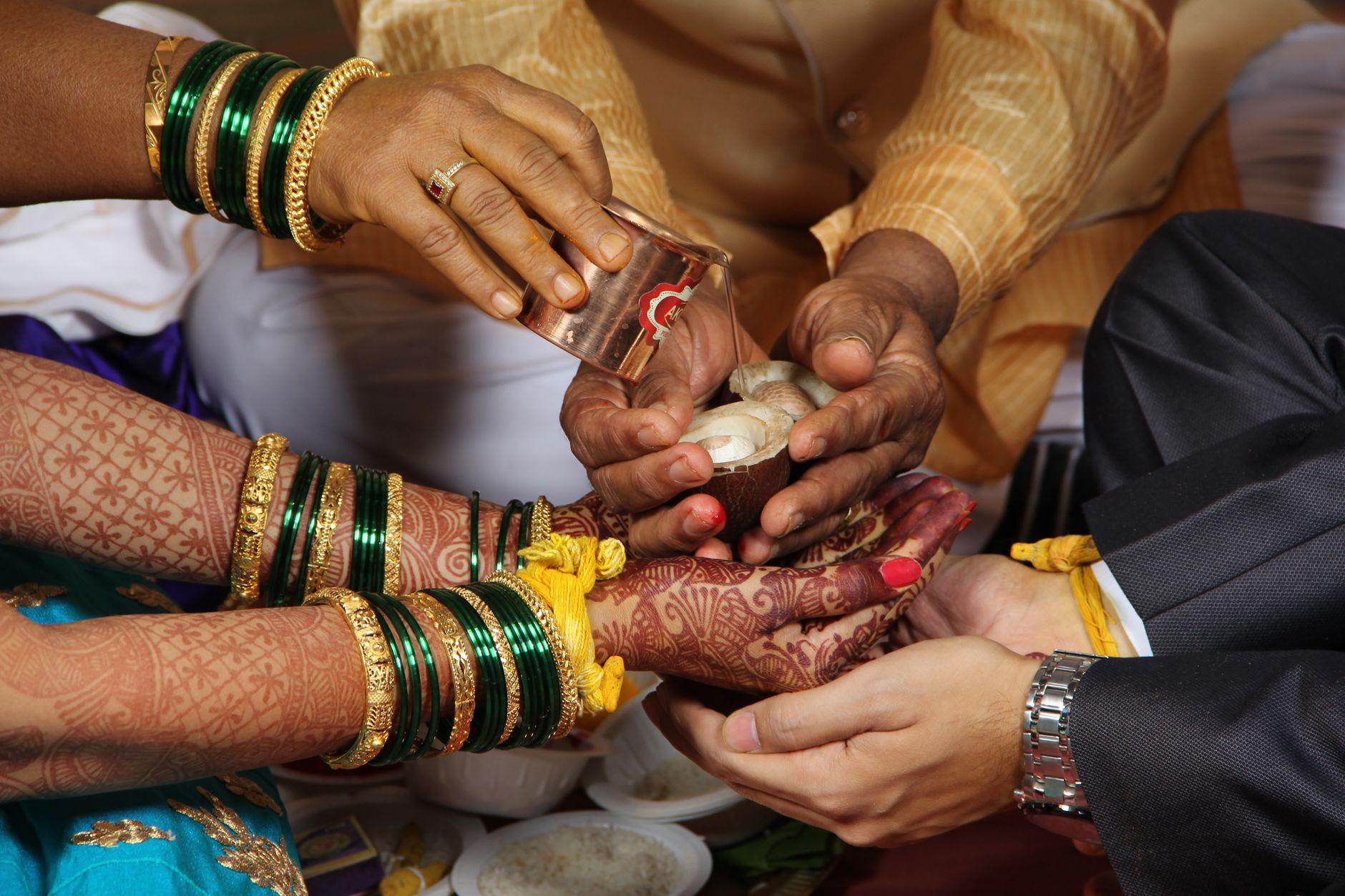 Auspicious Time Consultation
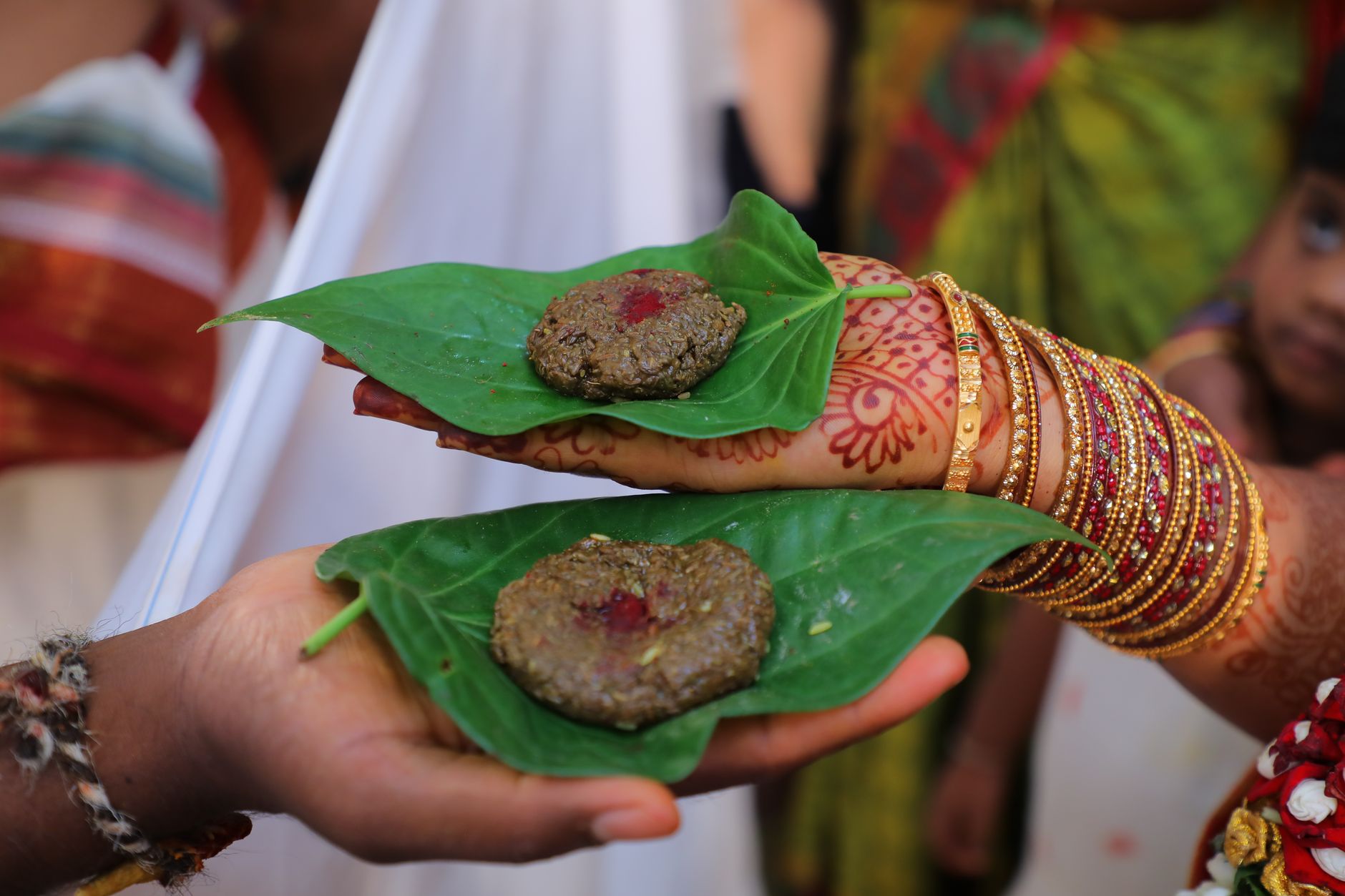 Brahmin Marriage Kalasam Set
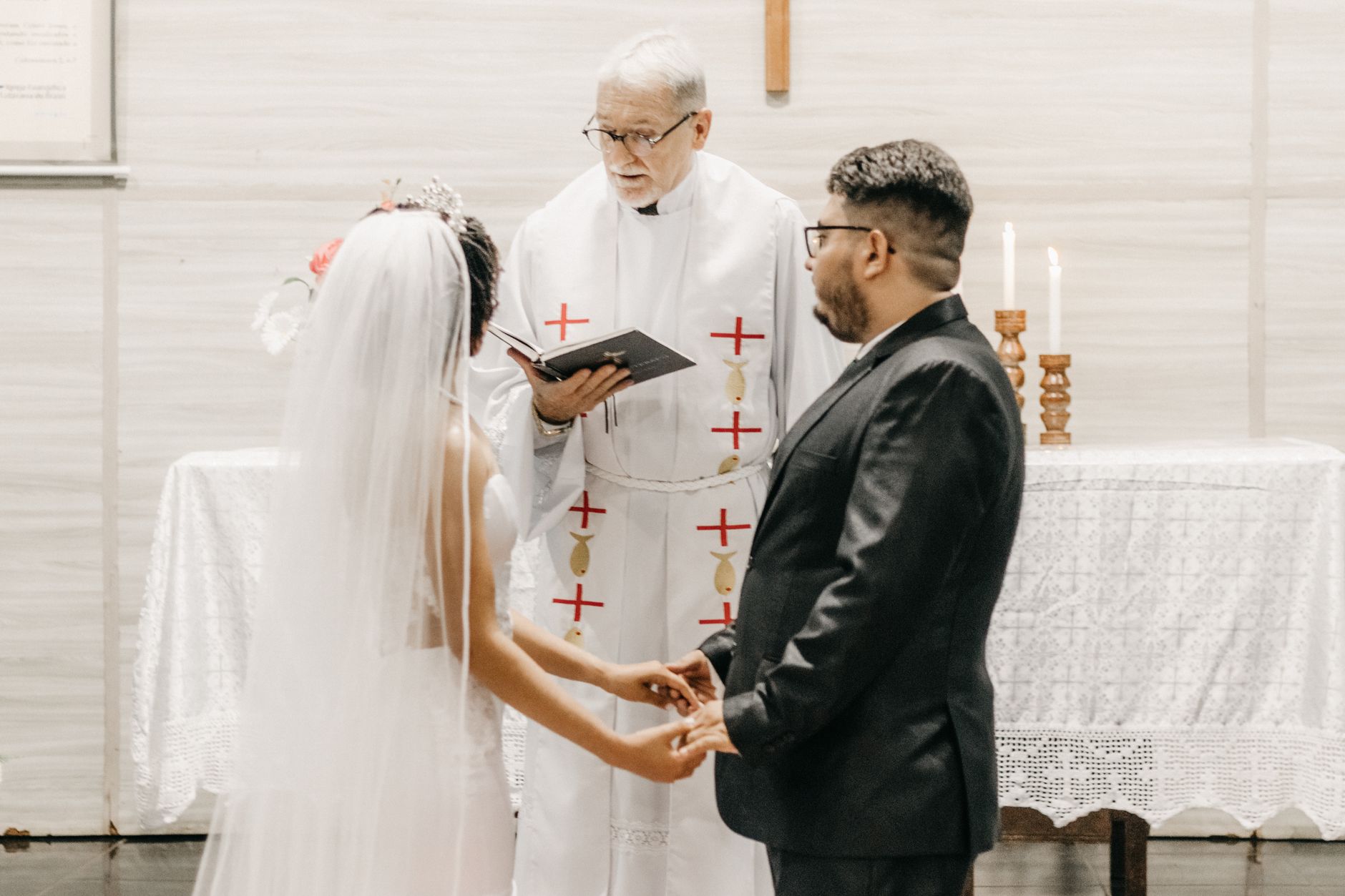 Church Wedding Essentials
 Couple Name Champagne Bottles
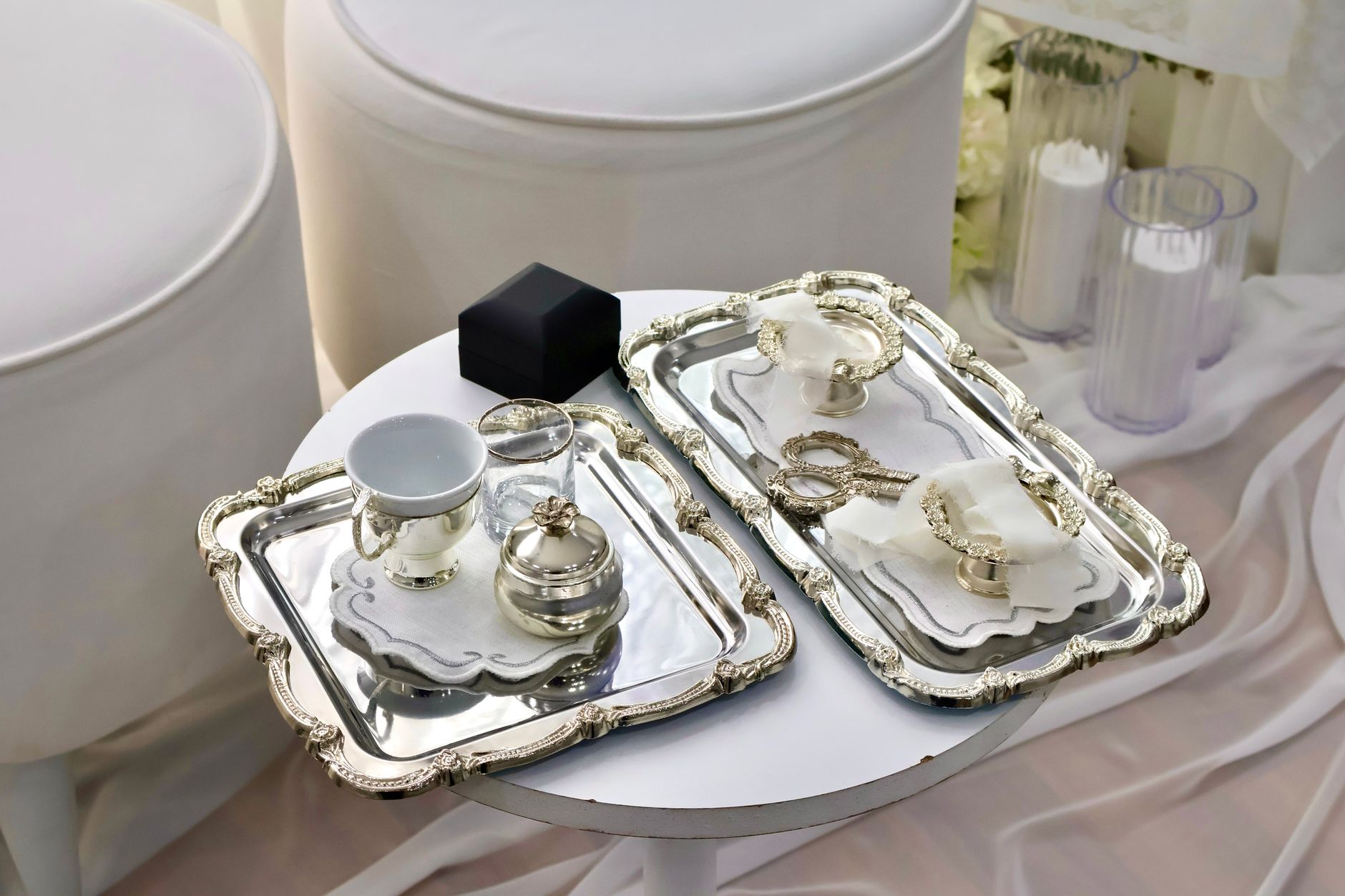 Couple Name Ring Tray
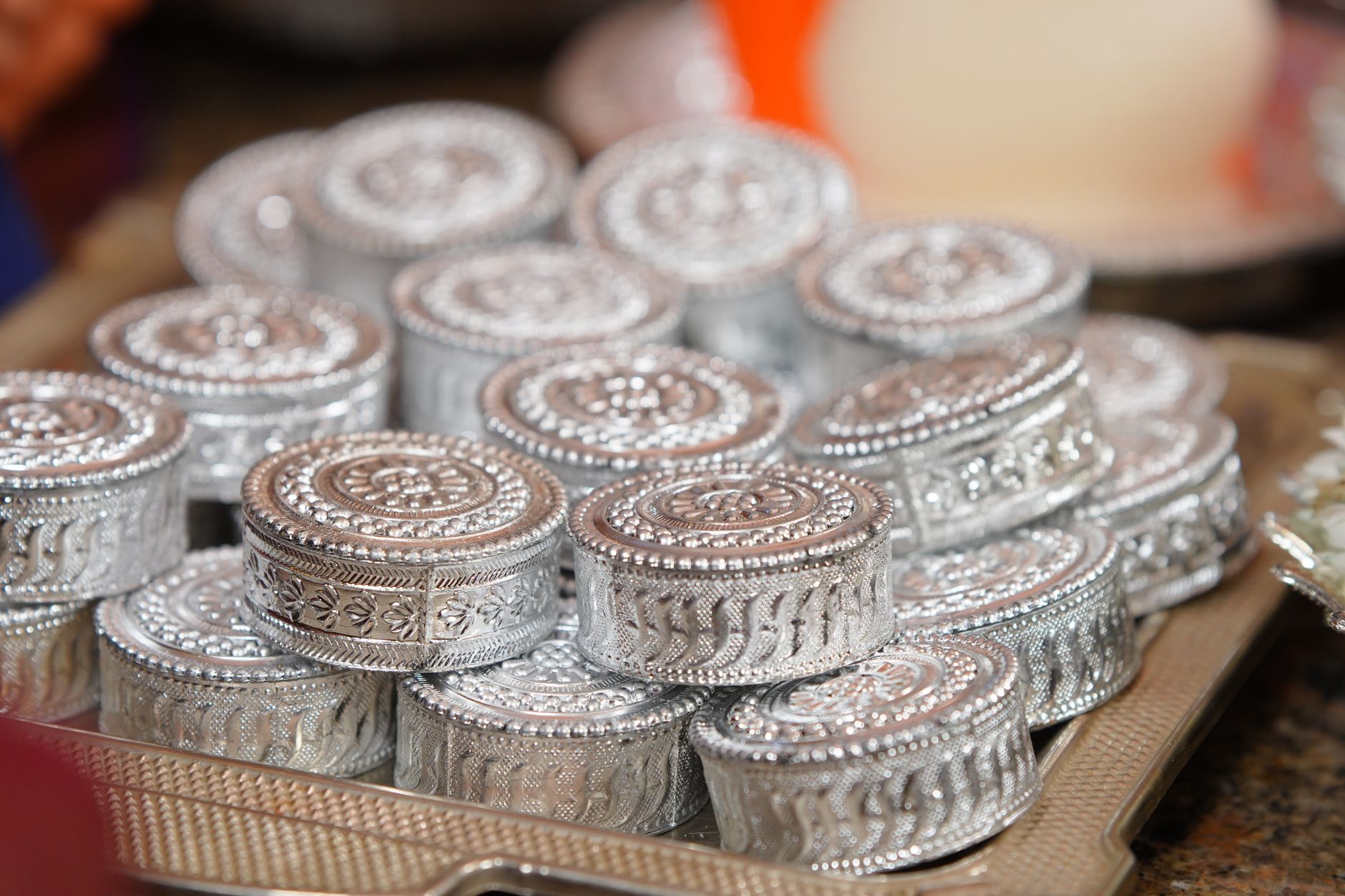 Dry Fruit Guest Favours
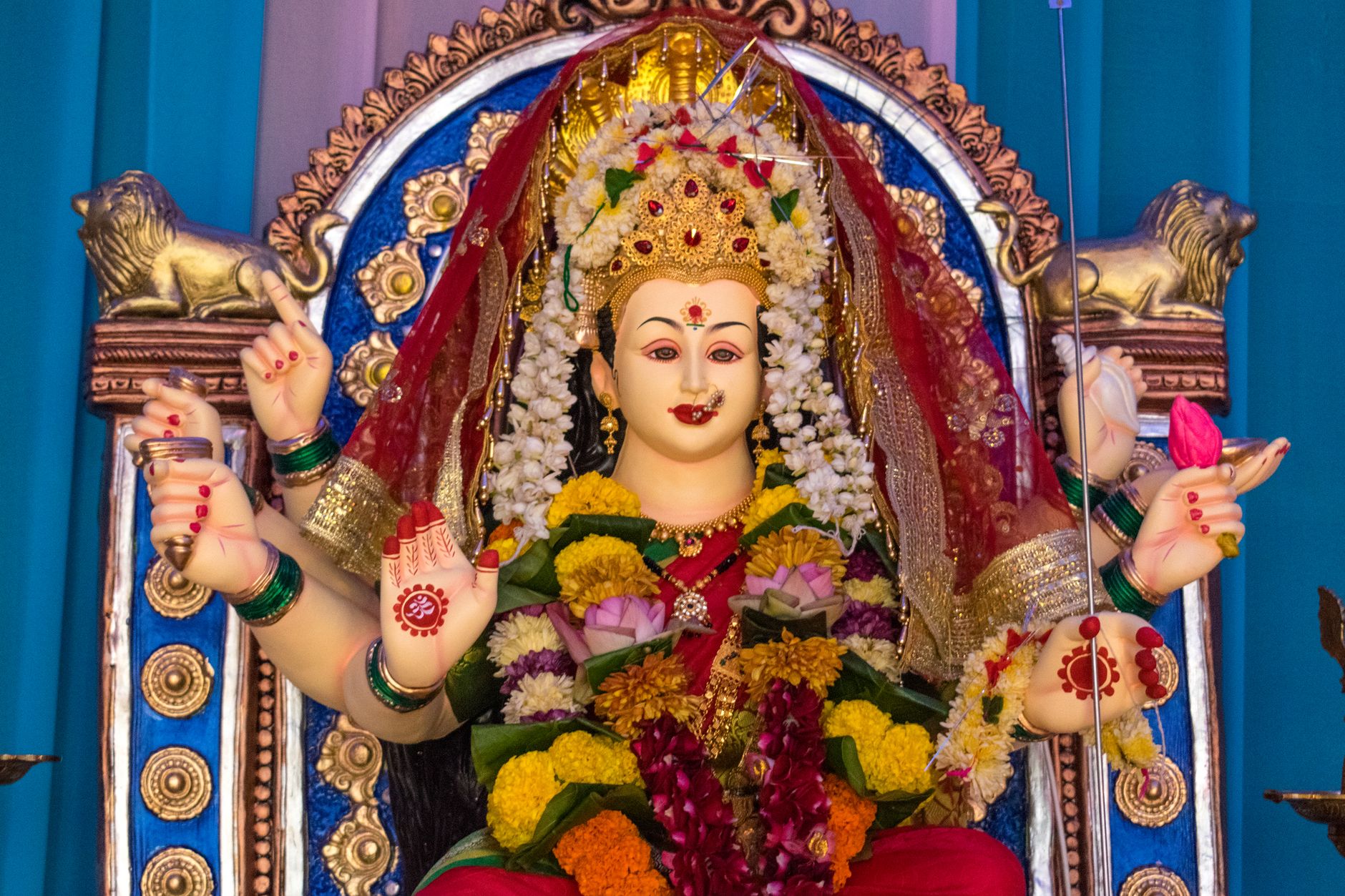 Durga Pooja Kit
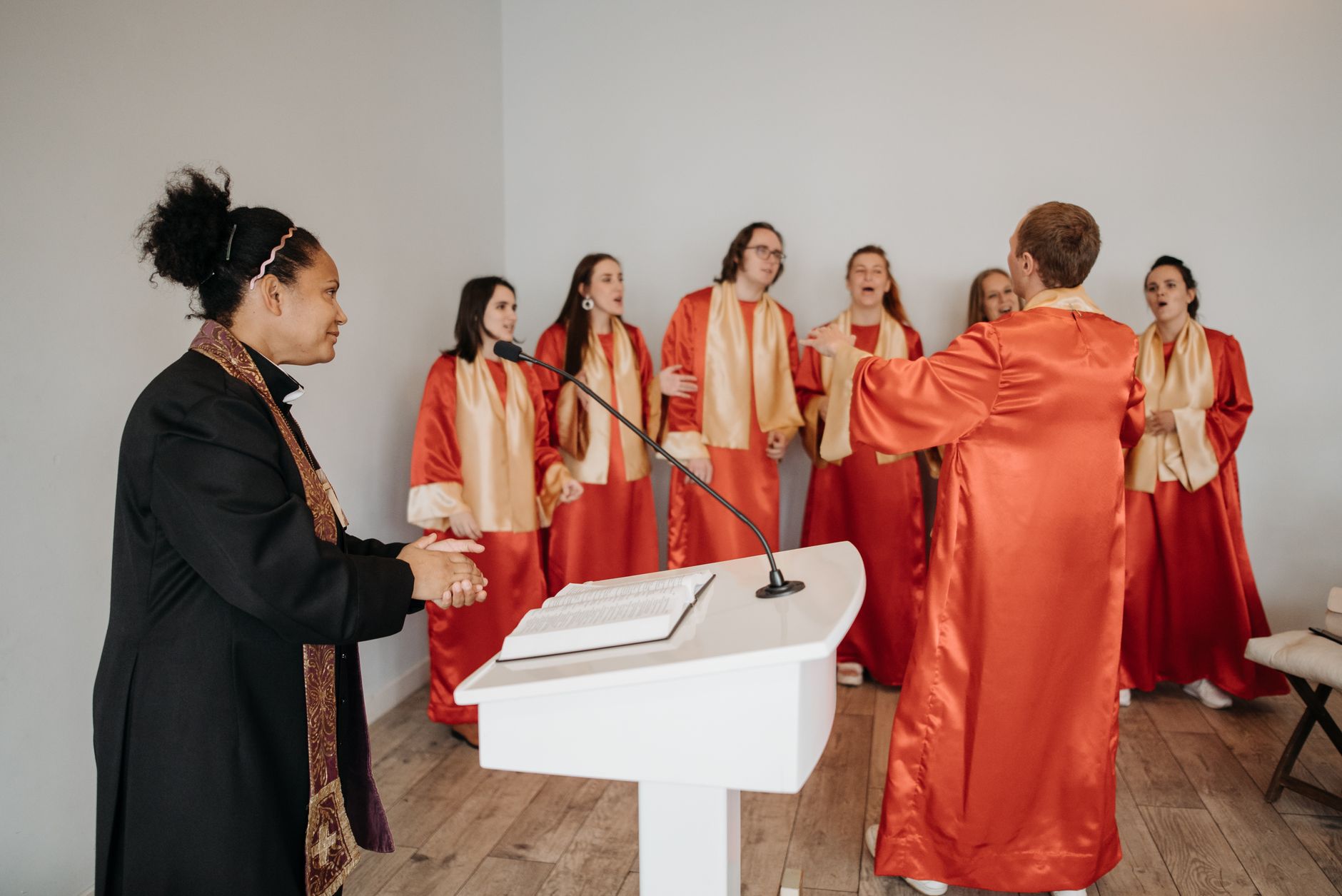 Female Choir Group
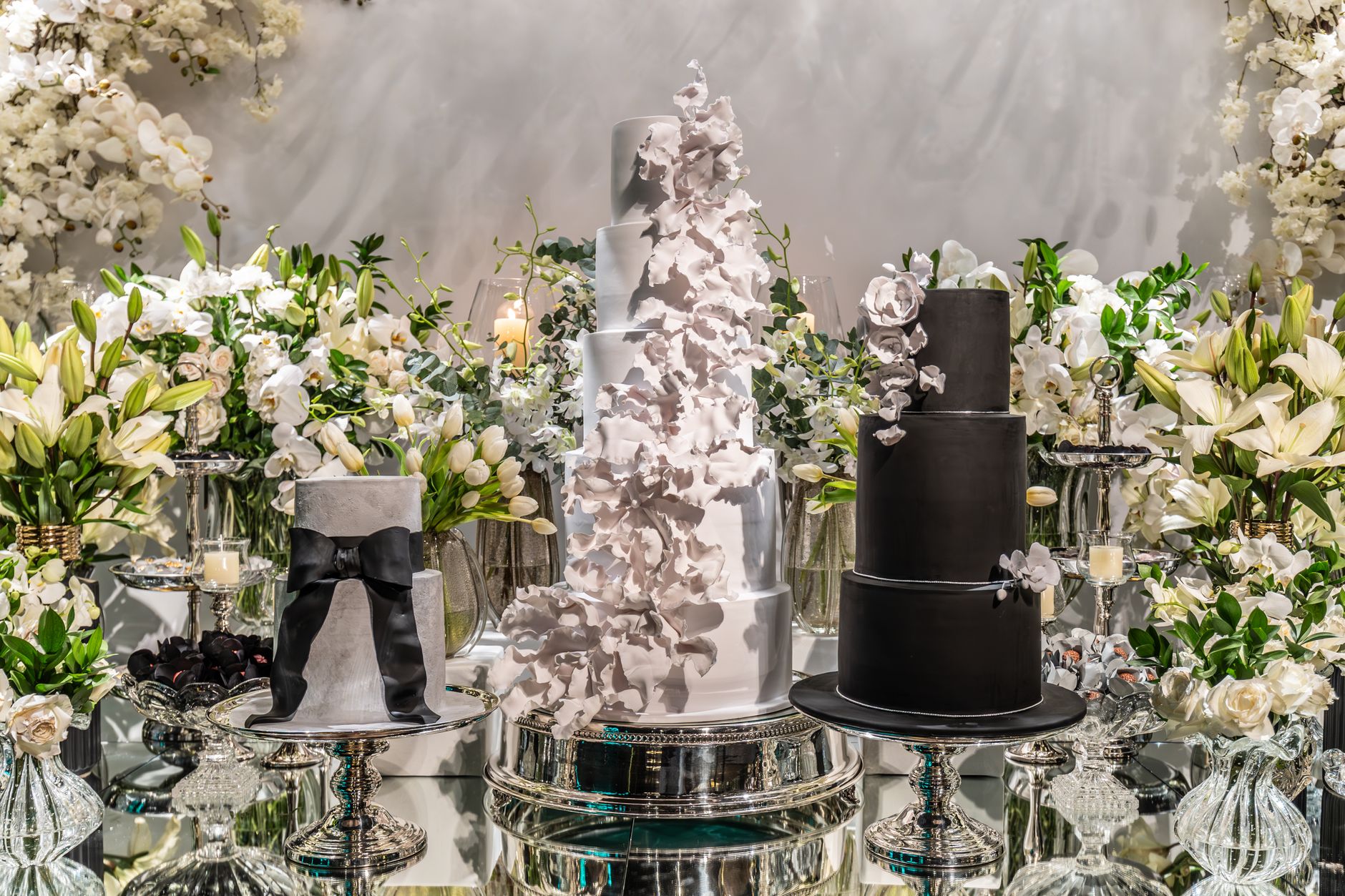 Floral Ceremony Cakes
 Floral Designer Boutonniere
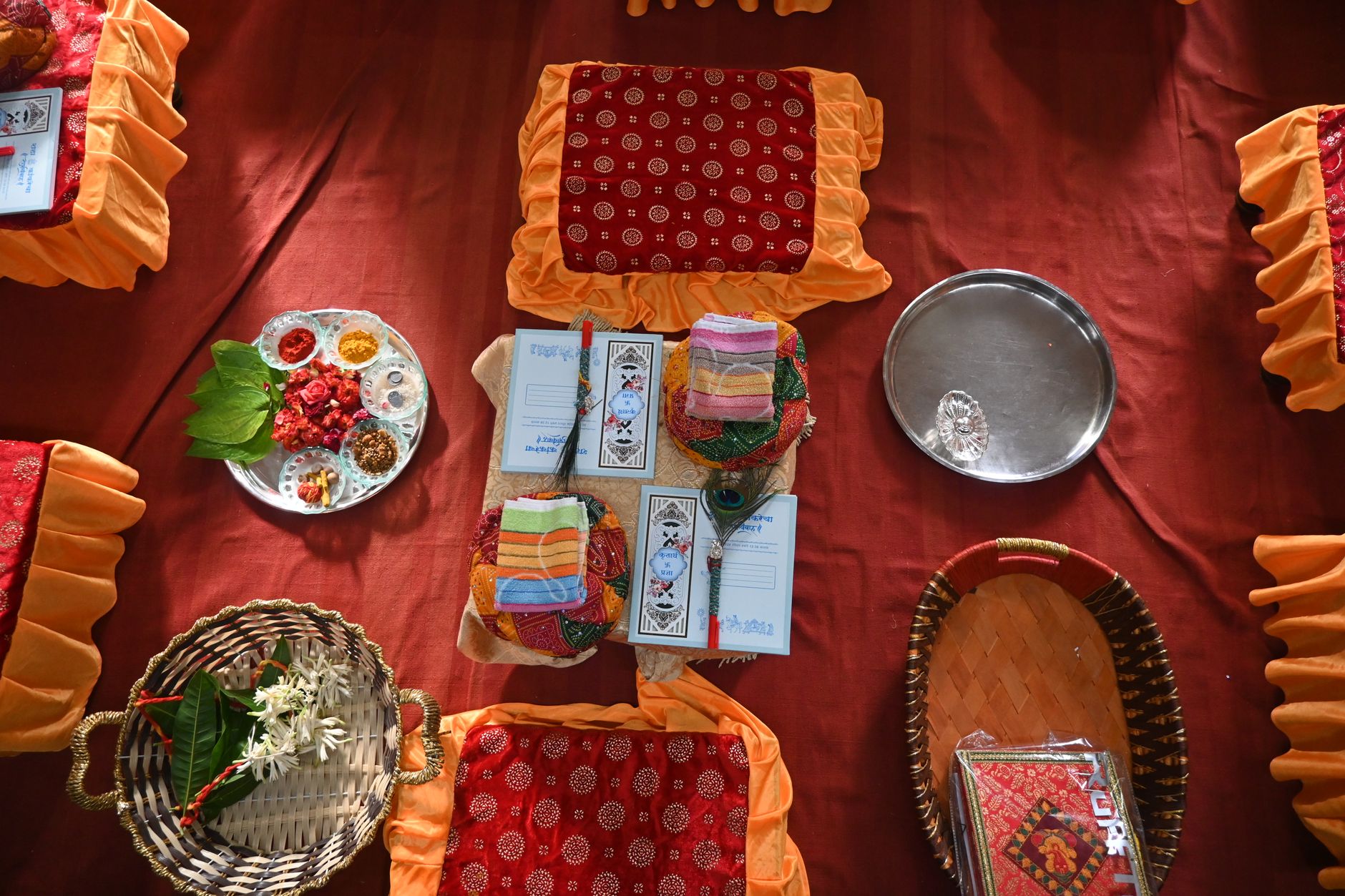 Gujarati Shaadi Supplies
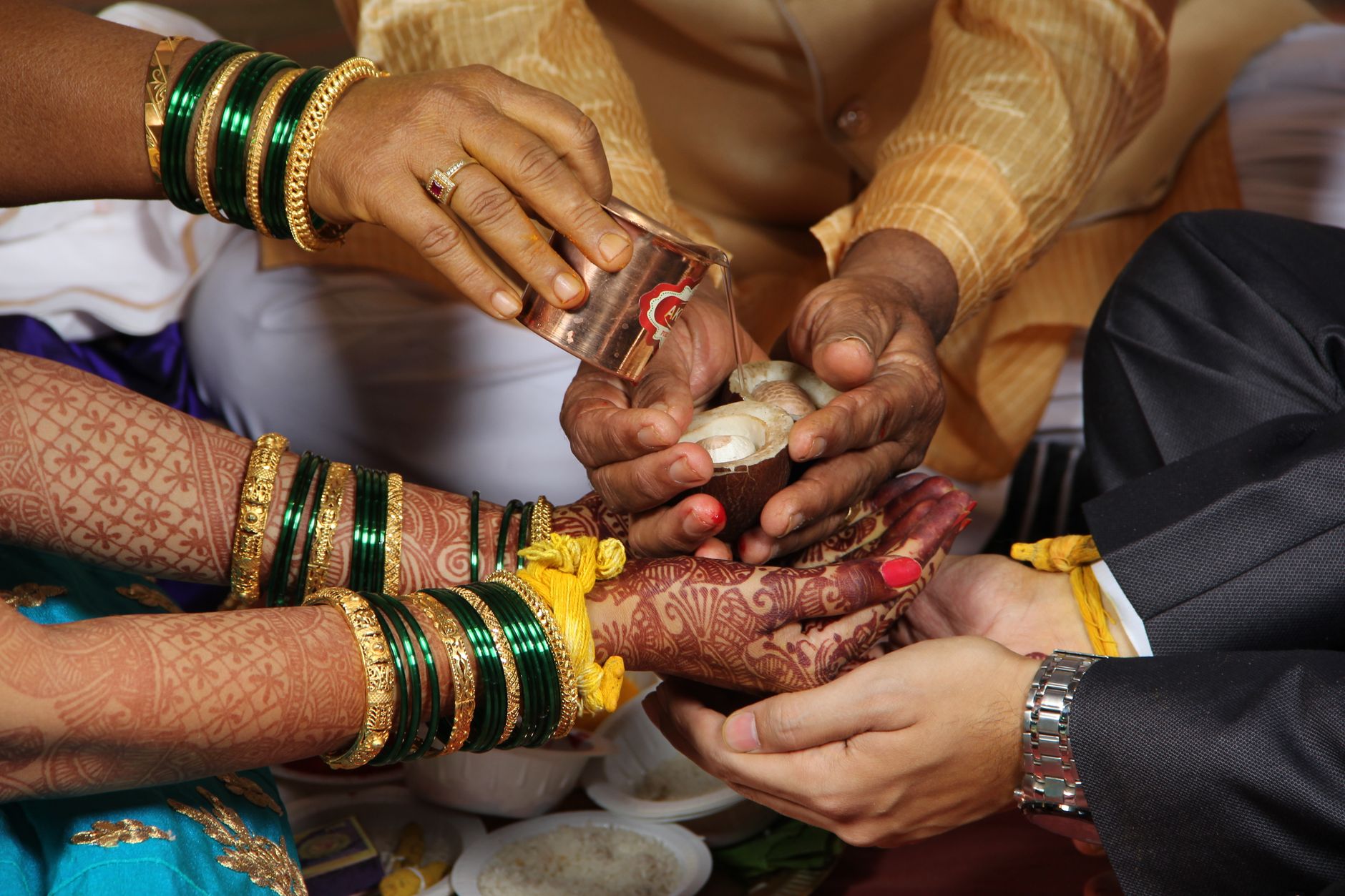 Hindi Speaking Pandit
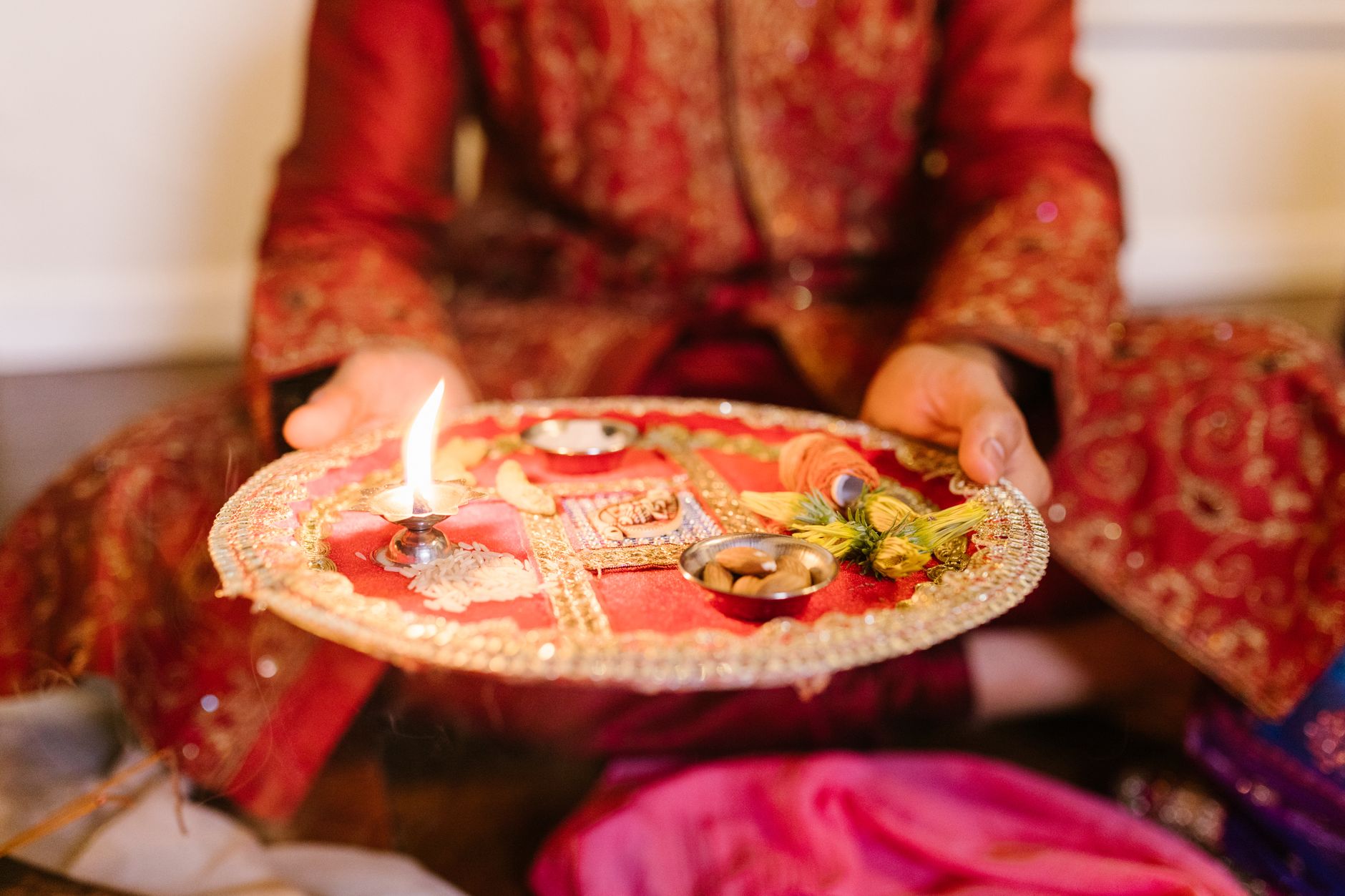 Jain Kumkum Ceremony Sets
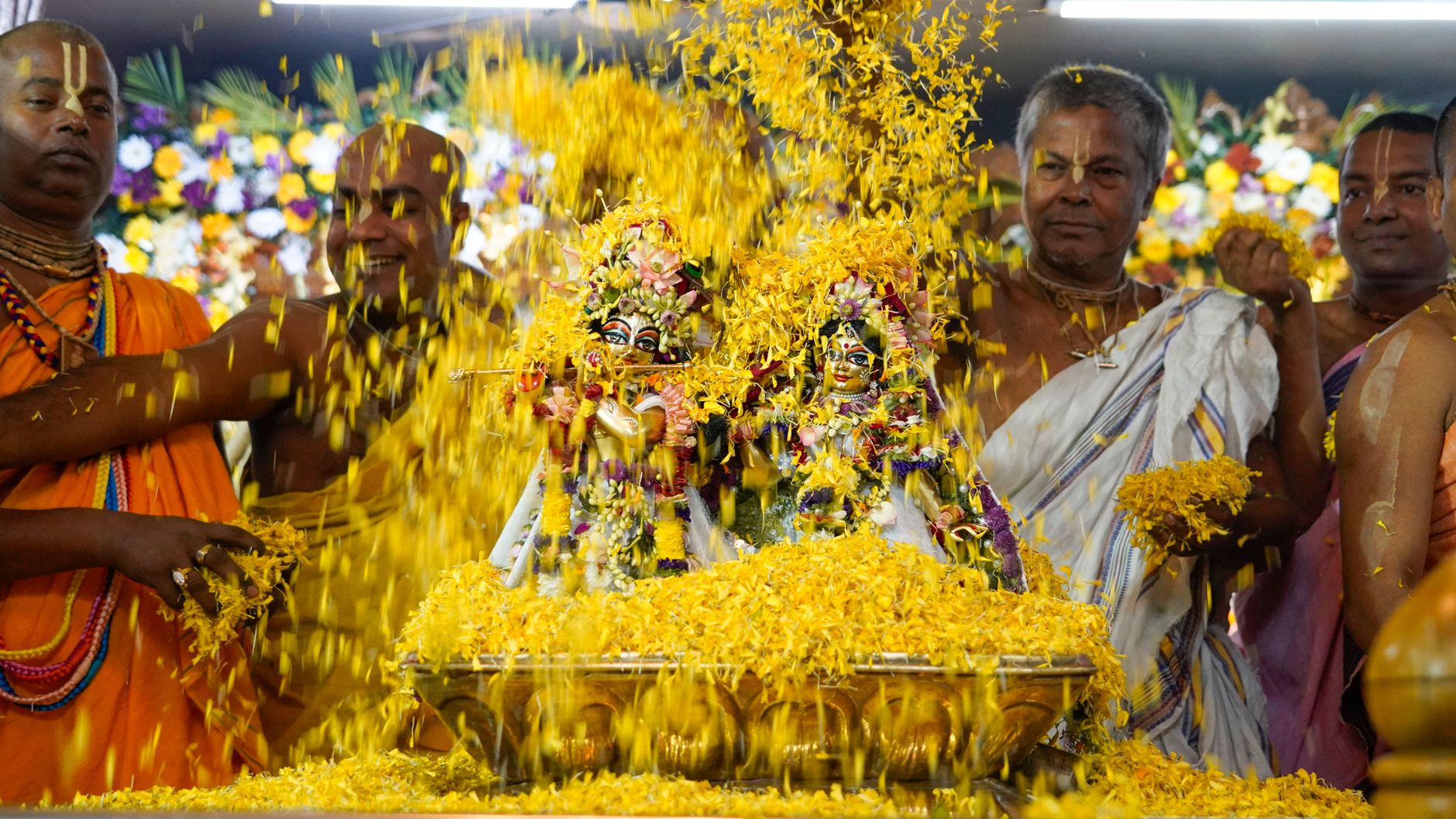 Jasmine Flower Baskets
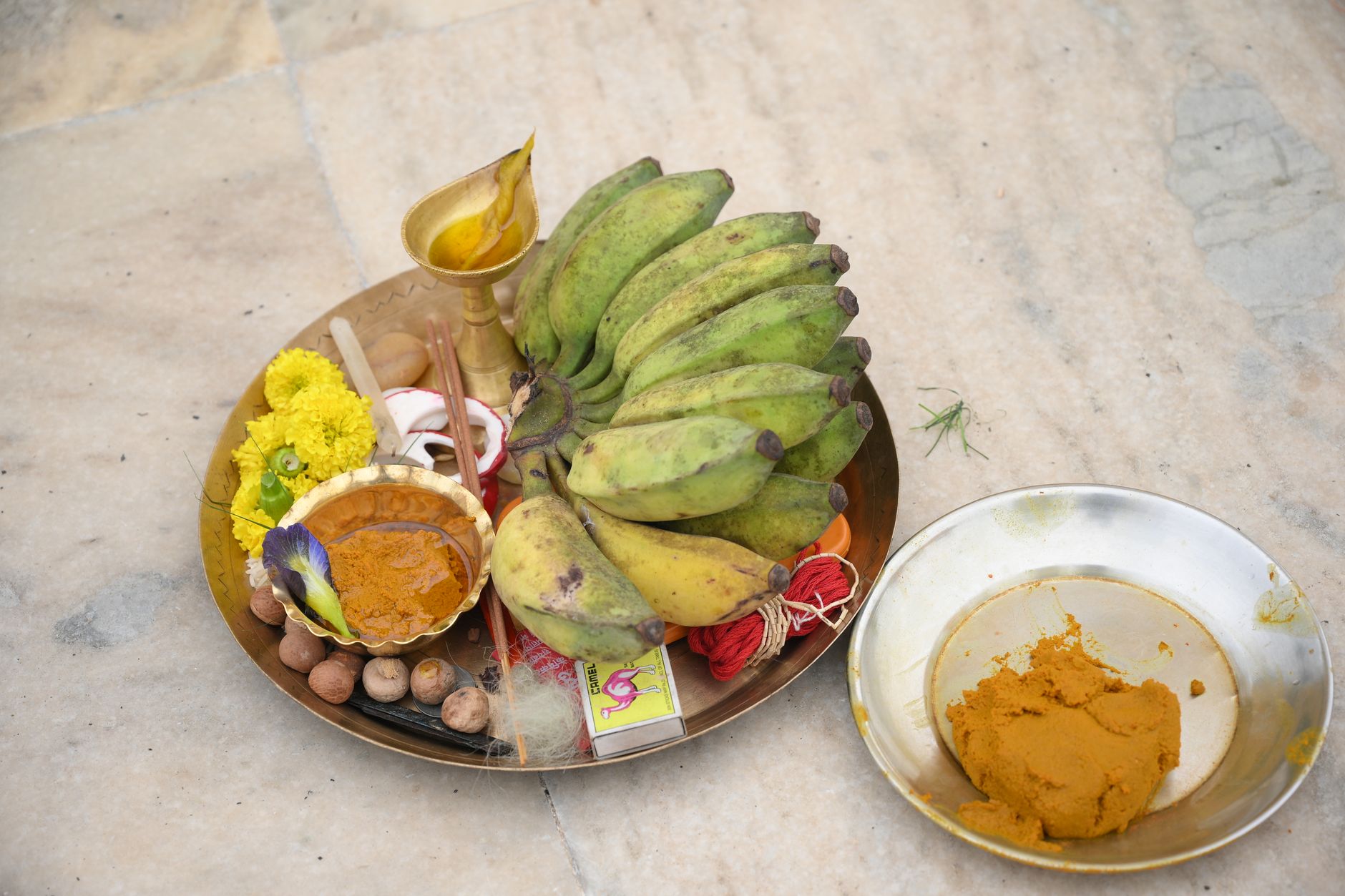 Kannada Arishina Kumkuma Sets
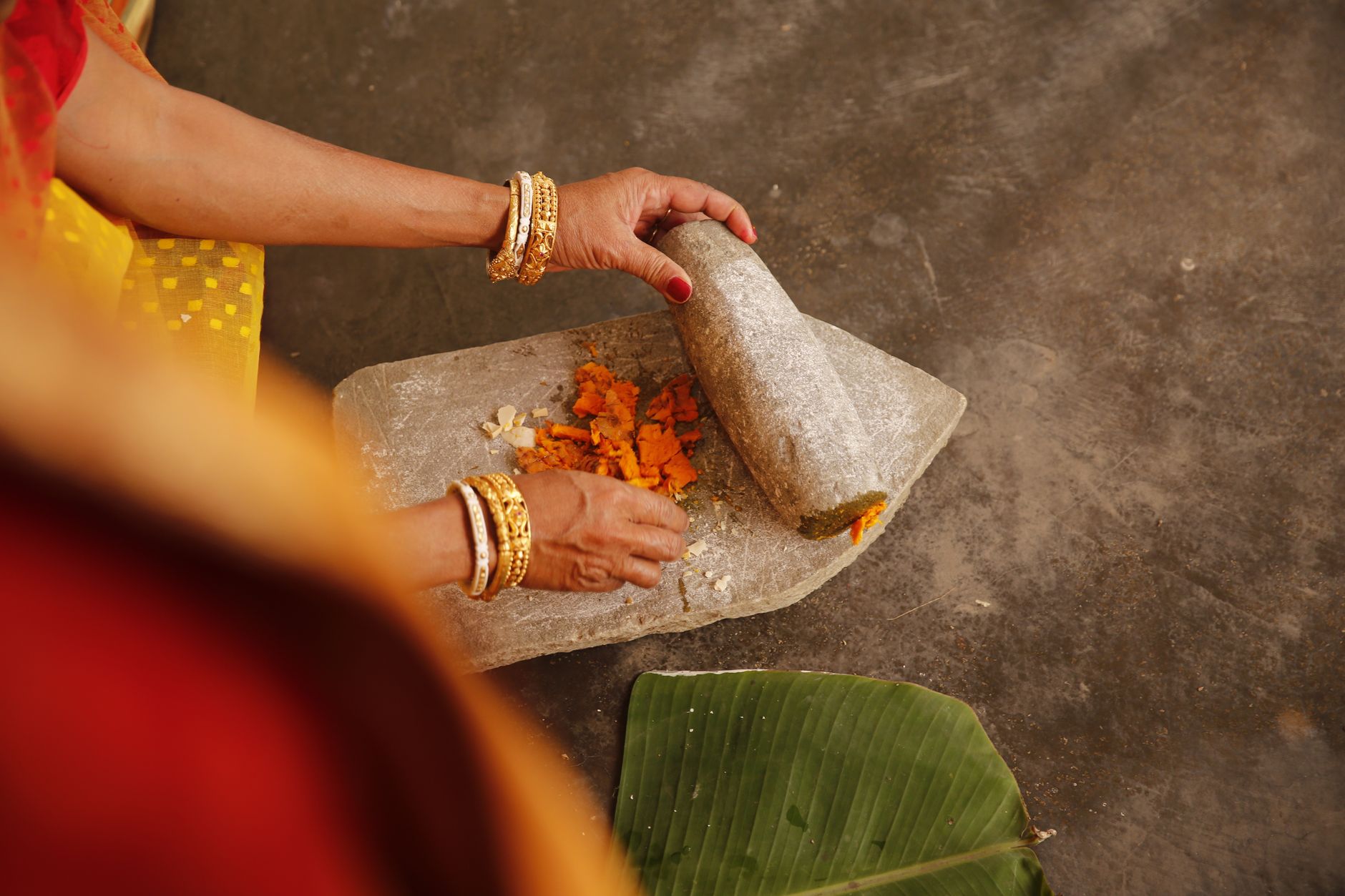 Kerala Turmeric Ceremony Items
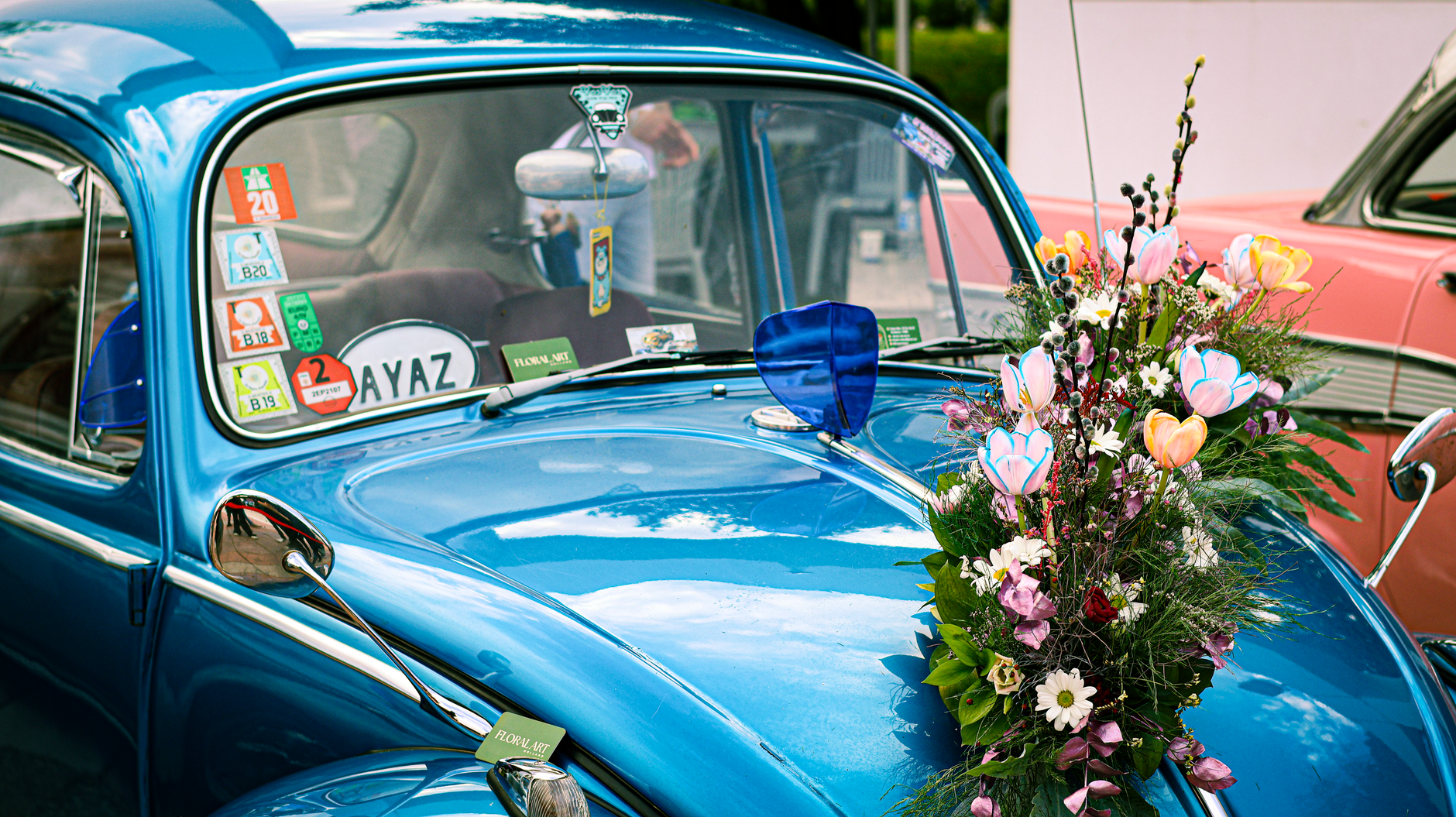 Luxury Car Decoration
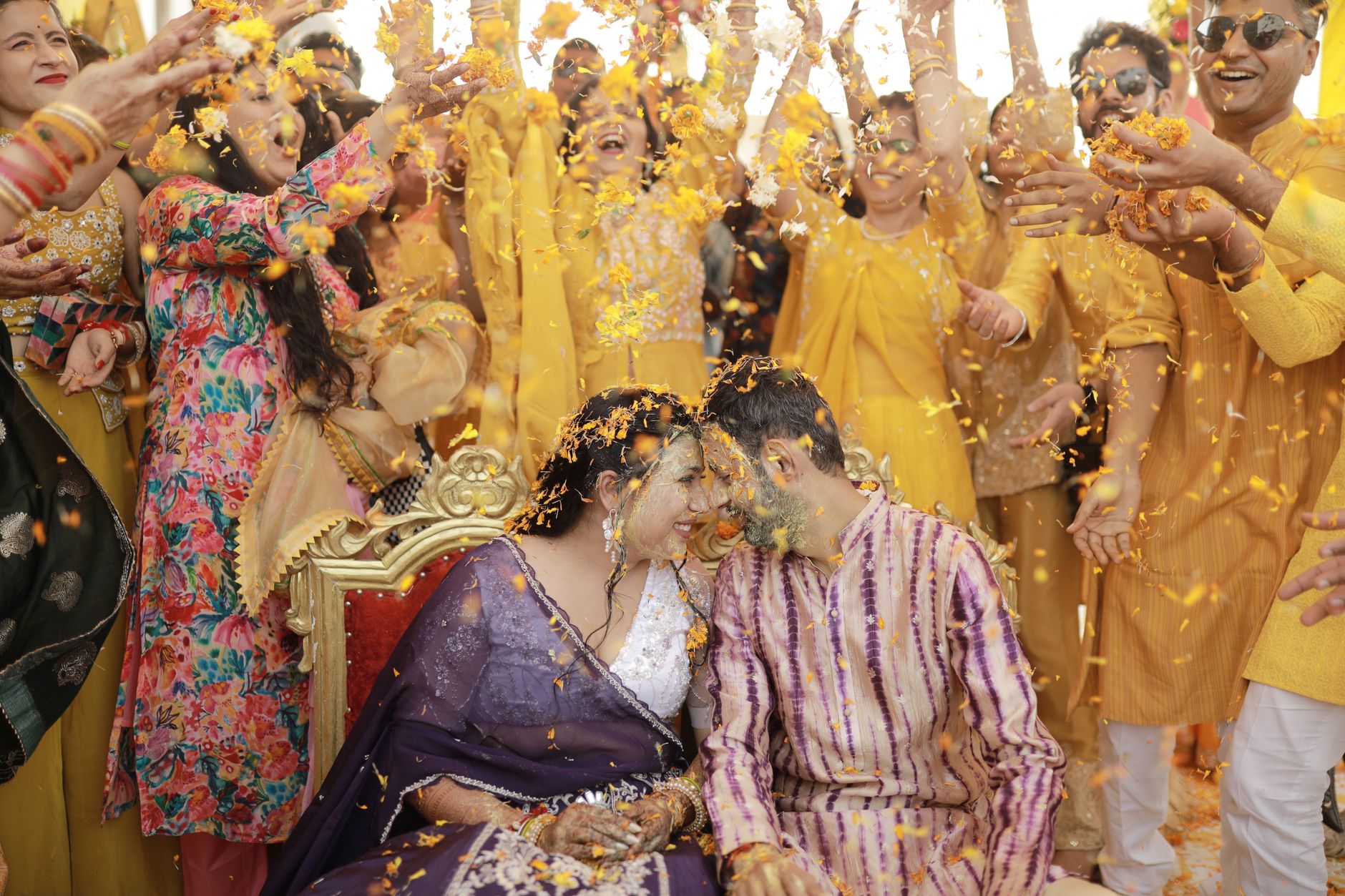 Marwari Shaadi Supplies
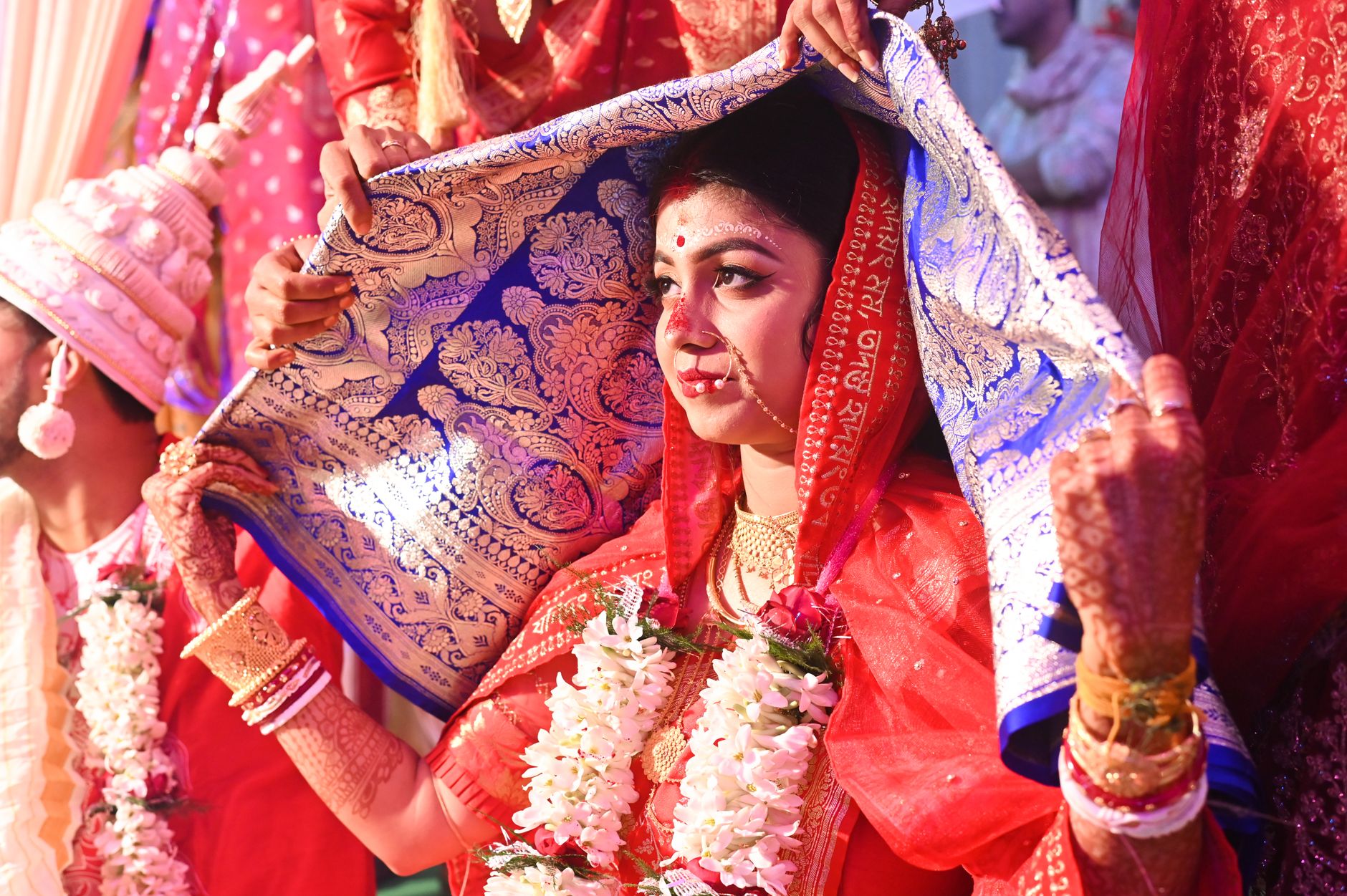 Multilingual Ceremony Celebrant
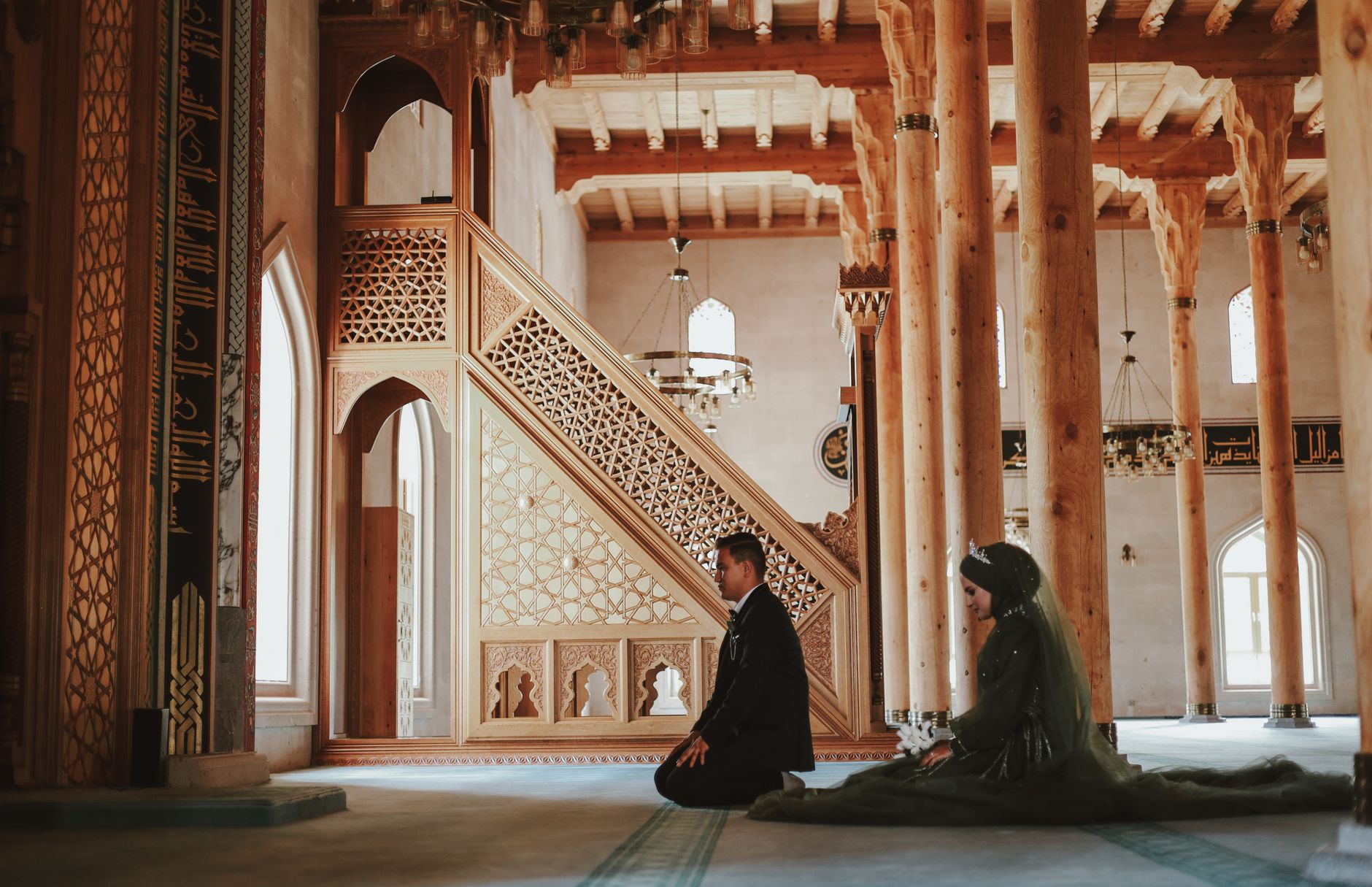 Muslim Nikah elements
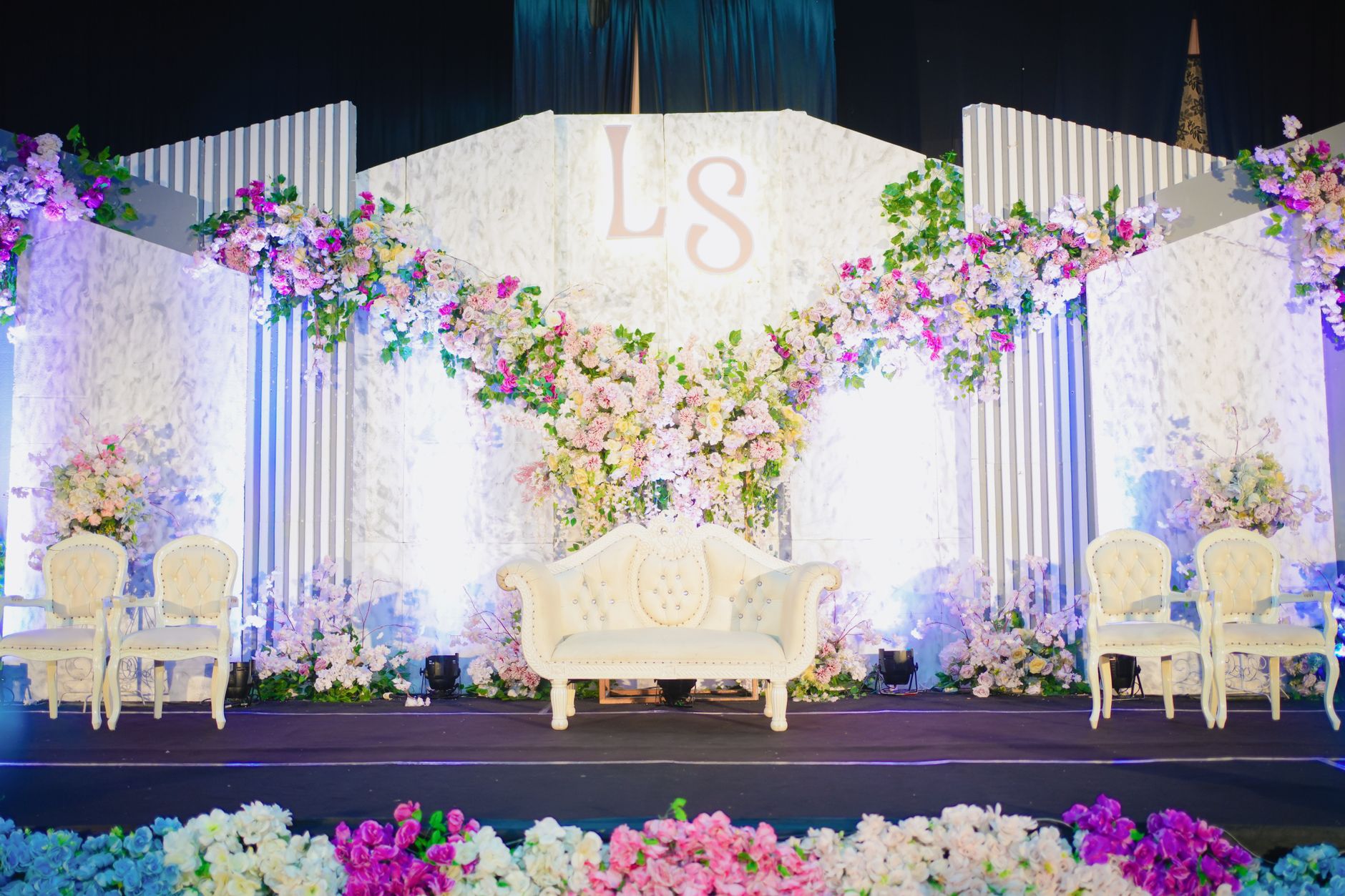 Pastel Flower Bouquets
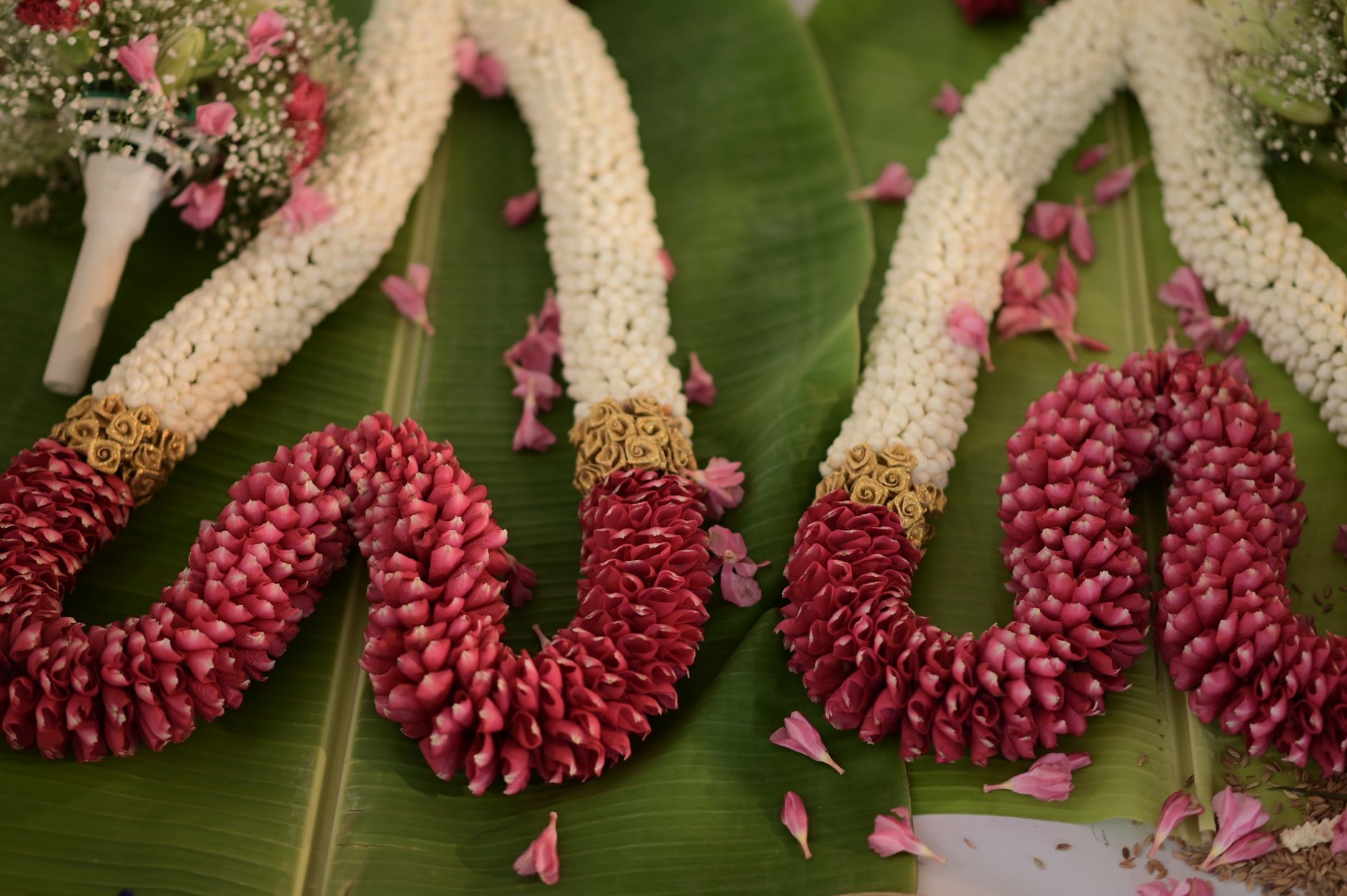 Red Floral Varmala
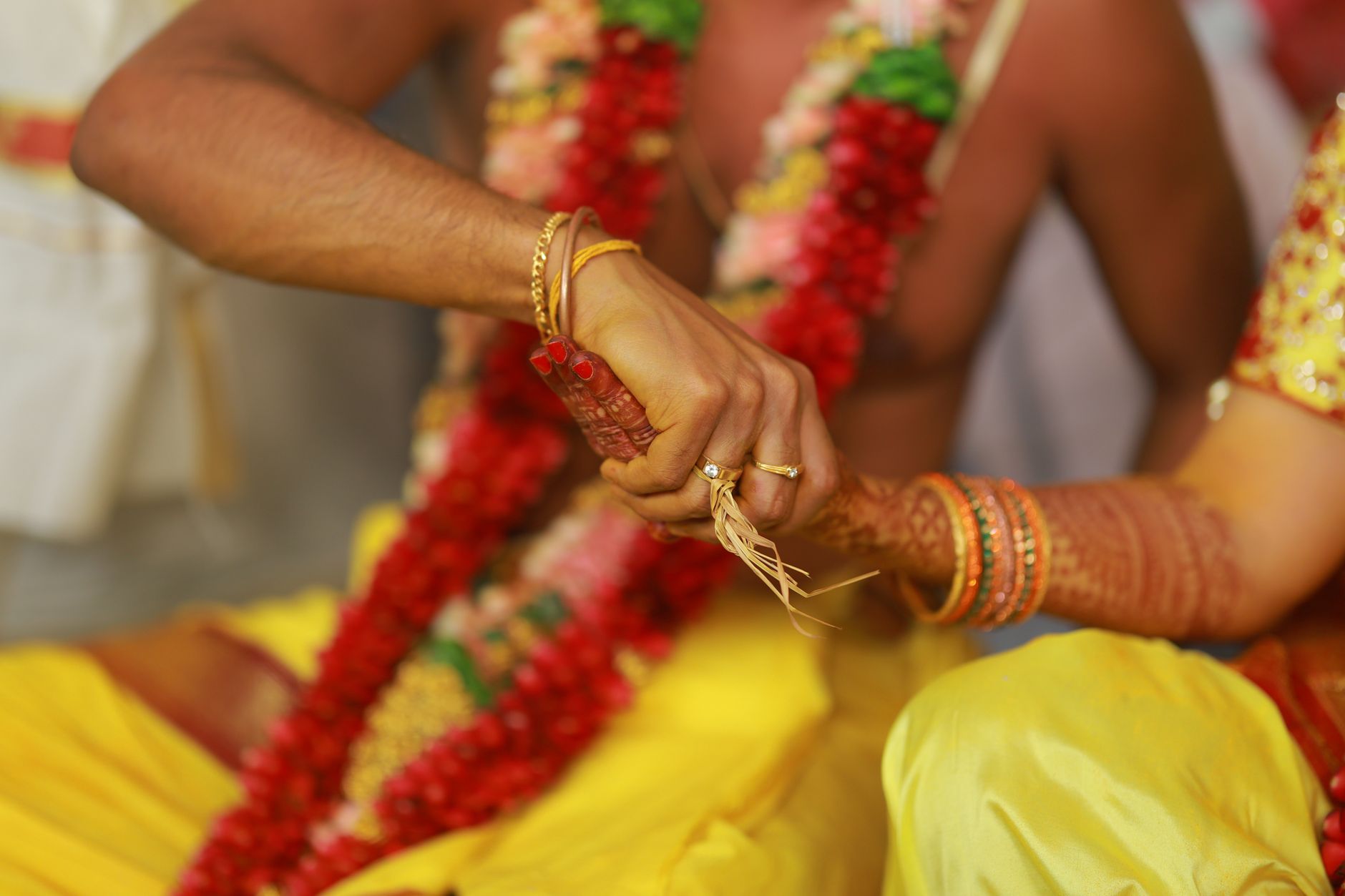 South Indian Marriage Ritual Streaming
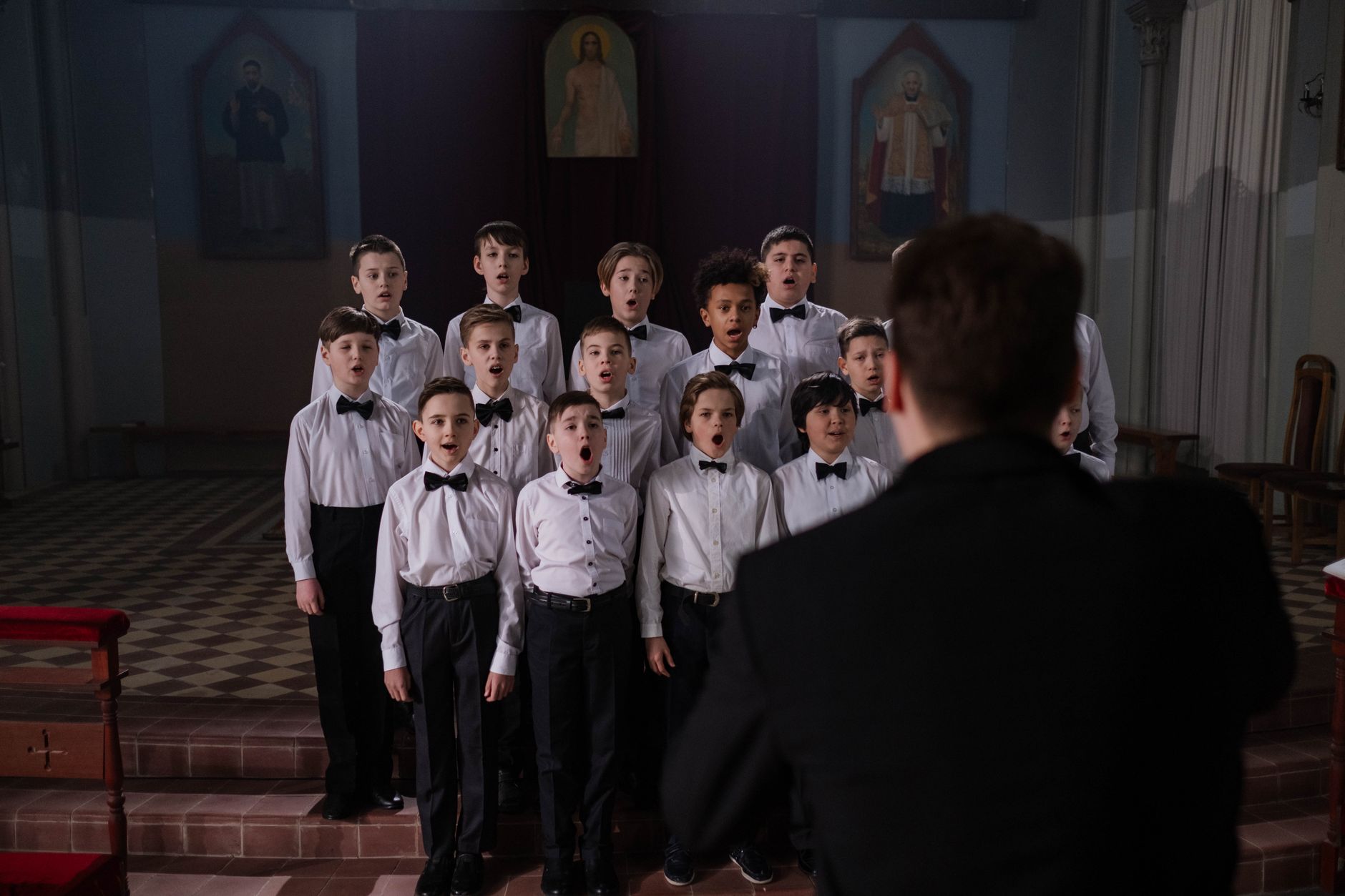 Spiritual Chorus Group
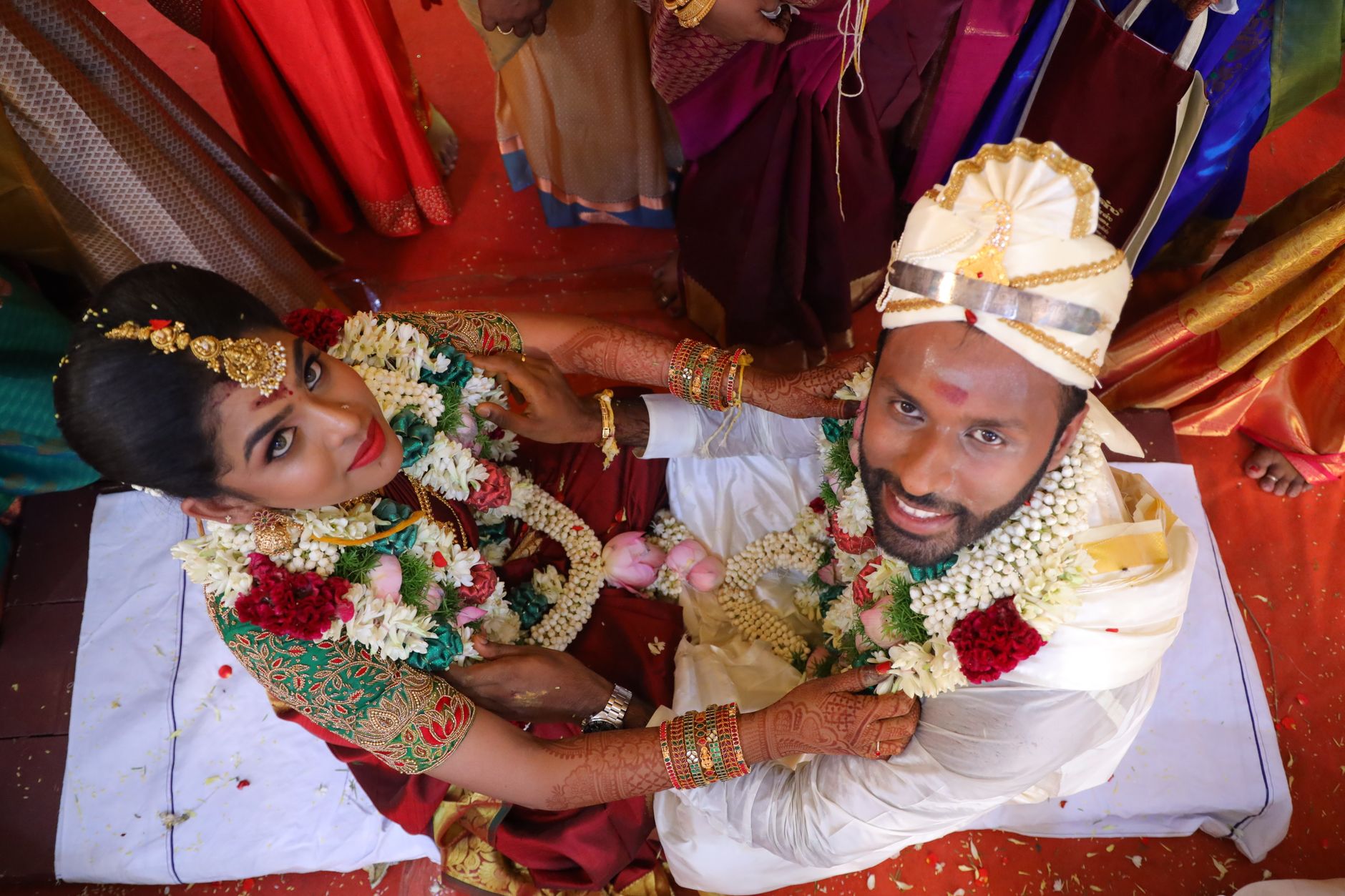 Tamil Thamboolam Ceremony Sets
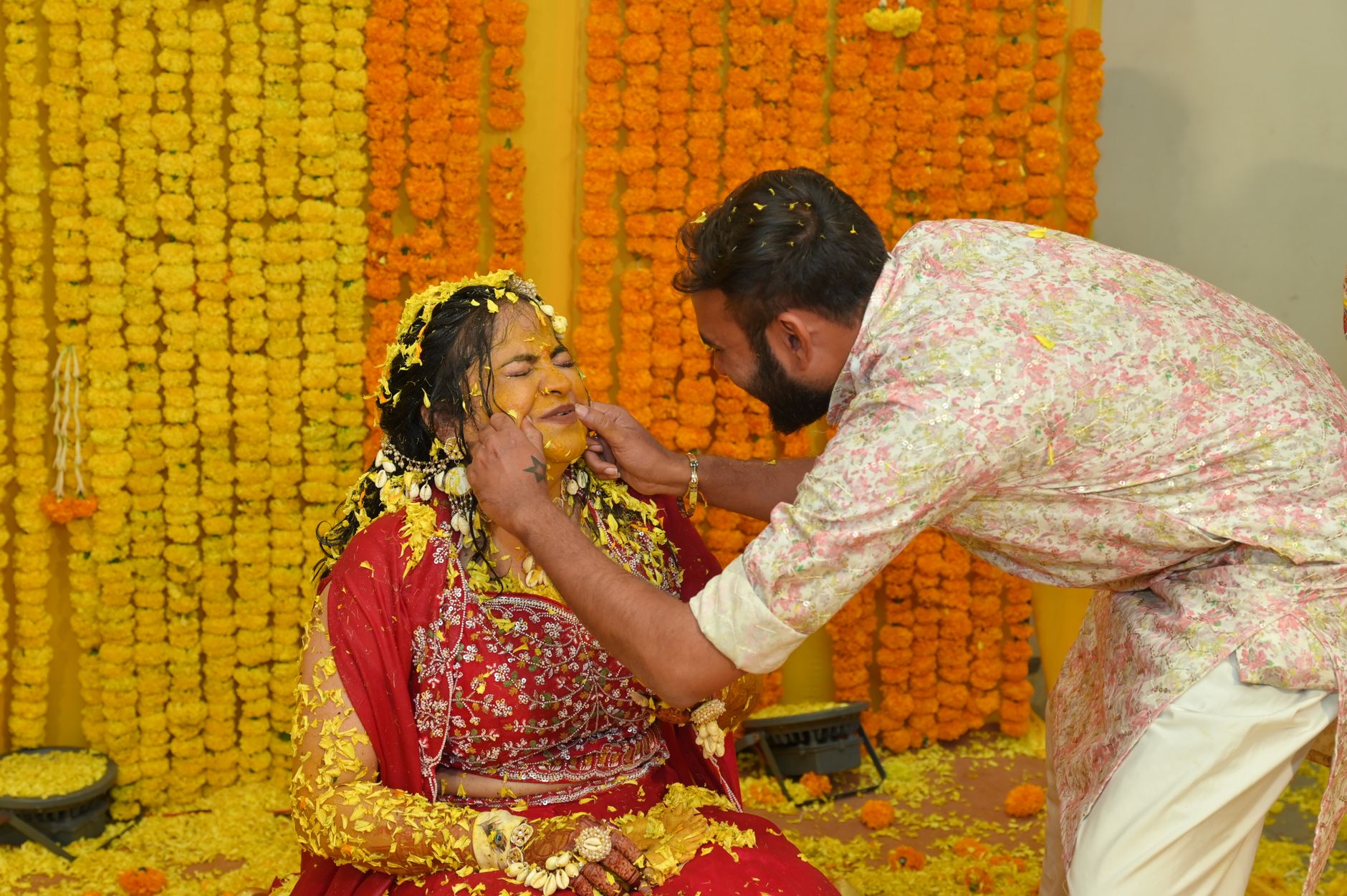 Telugu Pelli Mandapam Ritual Supplies
- 400+Curated Events
- 6Event Universes
- 1000+Verified Vendors
- 70+Locations
- 24/7Customer Support


Not sure which packages fits your celebration?
Let Hiya & Hanu help you find the perfect match!
Explore Celebration Packages- AI-Powered MatchingSmart suggestions for you
- Budget OptimizerGet the best experiences in your budget
- End-to-End SupportWe are with you at every step
Serving Celebrations across 75+ locations in India
Signature Ceremonies for Special Celebrations With Personalised Meaningful Event Planning
◆Creating Meaningful Signature Ceremonies
Every special celebration has a story behind it. A ceremony may honour an important family milestone, preserve a cherished tradition or bring loved ones together for a significant occasion. Signature ceremonies for special celebrations offer an opportunity to combine meaningful customs with carefully selected details that reflect the people and purpose behind the event.
Unlike a standard gathering, a signature ceremony is planned around the character of the occasion. The venue, decorations, food, music, photography and ceremonial arrangements can all work together to create a cohesive experience. Thoughtful preparation also ensures that traditional elements receive the attention they deserve.
Personalisation is central to this approach. Families can choose details that reflect their preferences while maintaining the cultural, religious or family traditions associated with the ceremony. The result can be an occasion that feels authentic, welcoming and memorable.
What Makes a Ceremony Feel Special
A memorable ceremony is not necessarily defined by its size or expense. Meaningful details, thoughtful organisation and genuine attention to guests can have a greater impact.
Signature ceremonies for special celebrations are designed around the purpose of the occasion. This could involve a traditional family ritual, a religious ceremony, a cultural gathering or another important milestone. Understanding this purpose helps determine which services and details should receive the greatest attention.
The atmosphere also plays an important role. A carefully considered entrance, suitable floral arrangements, comfortable seating and well-planned lighting can establish the right mood without overwhelming the central ceremony.
Good organisation brings all these elements together. When suppliers understand the schedule and their responsibilities, the event can progress smoothly from guest arrival through to the conclusion of the celebration.
Planning Around the Occasion
The first stage of personalised event planning is understanding what the celebration represents. Hosts should consider the type of ceremony, expected guest numbers, preferred date, venue requirements and any important traditions.
A clear event brief can help everyone involved understand the overall direction. It should identify essential services, preferred design elements and practical considerations.
Signature ceremonies for special celebrations can be adapted to both intimate family gatherings and larger events. The scale may change, but the principles remain the same: understand the purpose, prioritise important details and create a realistic schedule.
Early planning is particularly useful when the event requires specialist suppliers, traditional ceremonial arrangements or a popular venue. Booking important services ahead of time can provide greater choice and reduce unnecessary pressure.
Choosing a Suitable Venue
The venue provides the foundation for the entire celebration. It should complement the ceremony while providing enough space for guests, ceremonial activities, catering and other event requirements.
When comparing venues, consider capacity, accessibility, parking, facilities, location and available setup time. Families should also check whether the venue permits their preferred decoration, catering, music and photography arrangements.
For traditional or religious occasions, the venue may need to accommodate specific ceremonial requirements. These should be discussed before booking to ensure that the space is appropriate.
Venue layout also influences the guest experience. Seating should provide clear visibility of the main ceremony, while pathways should allow guests and suppliers to move comfortably.
A suitable venue does more than provide physical space. It contributes to the atmosphere and can help the celebration feel coherent from beginning to end.
Designing a Personalised Decoration Style
Decorations can give a ceremony its visual identity. The design should reflect the significance of the occasion while remaining appropriate for the venue and ceremonial traditions.
Signature ceremony decoration may include flowers, backdrops, table arrangements, lighting, fabrics and entrance styling. Traditional celebrations can incorporate cultural colours and familiar decorative elements, while contemporary occasions may favour refined and understated styling.
Personalisation does not require excessive decoration. A carefully chosen floral arrangement, meaningful backdrop or coordinated colour palette can often create a stronger impression than numerous unrelated elements.
Families should also consider how decorations will look in photographs. The main ceremonial area, entrance and guest spaces can be planned to create attractive and consistent settings.
Respecting Religious and Cultural Traditions
Traditions are often the most meaningful part of a family ceremony. Professional planning should support these traditions rather than allowing practical arrangements to overshadow them.
Signature ceremonies for special celebrations can incorporate religious or cultural requirements into the wider event schedule. This may involve coordinating priests or officiants, traditional items, ceremonial spaces, music, flowers and family participation.
It is important to confirm traditional requirements with knowledgeable family members or appropriate religious and cultural representatives. This helps ensure that the ceremony is conducted respectfully.
The event team should also understand which moments require privacy, quiet or uninterrupted attention. Good coordination allows suppliers to work around these requirements without disrupting the ceremony.
Combining tradition with thoughtful event planning can create an experience that feels both authentic and comfortable for modern guests.
Creating a Comfortable Guest Experience
Guests contribute significantly to the atmosphere of a special celebration. Their experience should therefore be considered throughout the planning process.
Clear arrival information, accessible seating and convenient facilities can make guests feel comfortable from the beginning. Families may also need to consider elderly relatives, children and guests travelling from outside the local area.
Food and refreshments should be scheduled carefully around the ceremony. If guests are expected to wait between different stages of the event, suitable seating and refreshments can make the experience more enjoyable.
Personal touches can also enhance the occasion. A thoughtful welcome area, family photographs or culturally meaningful details can help guests feel connected to the celebration.
Catering for Special Celebrations
Food often forms an important part of family and cultural occasions. Catering should complement the ceremony and meet the practical needs of the guest list.
The menu may include traditional dishes, contemporary options or a combination of both. Dietary requirements should be discussed with the caterer well before the event.
Timing is equally important. Catering teams should know when guests will be seated, when the ceremony is expected to finish and when food service should begin.
Ceremonial catering services can also coordinate presentation and serving arrangements with the venue. This helps maintain a consistent experience throughout the celebration.
Capturing Important Moments
Photography allows families to preserve memories of significant ceremonies. A suitable photographer should understand the event schedule and know which moments are particularly important.
Before the celebration, families can identify essential photographs, including group portraits, family combinations and key ceremonial moments. This gives the photographer a clear understanding of priorities.
Event photography services should operate respectfully during religious or traditional proceedings. Photographers may need to work from designated areas or avoid interrupting specific rituals.
Good planning ensures that important memories are captured naturally without making photography the focus of the ceremony itself.
Adding Suitable Entertainment
Entertainment can be included where it suits the nature of the celebration. The appropriate choice depends on the type of ceremony, guest profile and preferences of the host.
Music may be used during guest arrival, transitions or post-ceremony celebrations. Cultural performances can also add meaning when they are appropriate to the occasion.
Signature ceremonies for special celebrations should maintain a clear distinction between the ceremonial purpose and entertainment. The entertainment should support the overall atmosphere rather than distract from important traditions.
Sound levels, venue restrictions, timings and equipment requirements should all be confirmed in advance. This allows entertainment providers to work smoothly alongside other suppliers.
Coordinating the Event Team
A celebration may involve several professionals working together. Decorators, caterers, photographers, venue staff, entertainers and ceremonial specialists all need to understand the schedule.
Personalised event planning provides a framework for coordinating these different responsibilities. A clear timeline can specify setup periods, supplier arrivals, ceremonial timings, food service and photography requirements.
Supplier communication should take place well before the event. Each provider should understand their responsibilities and know who to contact if an unexpected change occurs.
On the day itself, an experienced coordinator can monitor progress and help resolve minor issues without placing additional pressure on the family.
Personalising Traditional Celebrations
Personalisation allows families to create an event that feels distinctive without abandoning important traditions. The best approach is usually to identify which elements have genuine meaning and build the celebration around them.
This might involve selecting meaningful flowers, incorporating family heirlooms, choosing traditional music, designing a specific welcome area or creating a menu inspired by family preferences.
Signature ceremonies for special celebrations can combine established customs with contemporary presentation. For example, a traditional ceremony can be supported by modern venue styling, comfortable guest arrangements and carefully planned photography.
Personalisation should always feel intentional. Every additional element should contribute to the occasion rather than simply adding complexity.
Managing the Celebration Budget
A thoughtful ceremony can be created at different budget levels. The key is to establish priorities before making supplier decisions.
Essential ceremonial requirements should generally be identified first. Families can then allocate the remaining budget towards venue styling, catering, photography, entertainment and other optional services.
Transparent pricing is particularly important when working with several suppliers. Hosts should understand what each package includes and whether additional setup, delivery or service charges apply.
Comparing suppliers based on value rather than price alone can lead to better decisions. Experience, reliability, communication and service quality can all influence the success of the event.
Building a Practical Timeline
A realistic timeline makes it easier to manage preparations. The initial stage should establish the date, ceremony type, approximate guest count and venue preferences.
After these fundamentals are confirmed, families can arrange specialist suppliers, decorations, catering, photography and entertainment. Traditional requirements should be incorporated into the programme rather than added at the last moment.
As the event approaches, final confirmations should cover guest numbers, supplier arrival times, venue access and ceremonial arrangements.
A detailed event-day schedule can then help everyone understand what should happen and when. This reduces confusion and gives the family greater confidence on the day.
Why Professional Planning Adds Value
Organising a special ceremony can involve many decisions. Managing them independently while also preparing for the celebration itself can become stressful.
Professional event support provides structure and coordination. Experienced organisers can help families identify priorities, compare suitable services, communicate with suppliers and maintain the event schedule.
Signature ceremonies for special celebrations benefit particularly from this approach because personalisation often involves several interconnected details. A change to the venue, for example, may affect decoration, catering, photography and guest arrangements.
Professional coordination helps keep these elements aligned while allowing the family to focus on the meaning of the occasion.
Creating Memorable Occasions With Happiffie
Happiffie provides a platform for exploring event-related services and planning possibilities for meaningful celebrations. Families can consider their ceremony requirements, compare suitable service options and create an event plan around their priorities.
When choosing suppliers, it is useful to consider experience, portfolio quality, reviews, communication and understanding of the occasion. Clear service details can also help families make informed decisions.
A successful ceremony should feel personal without becoming difficult to manage. The right combination of planning, tradition, design and professional support can create an occasion that guests remember for the right reasons.
Whether the celebration is a small family gathering or a larger traditional function, careful preparation can make every stage more enjoyable. With thoughtful planning, meaningful details and reliable coordination, a special ceremony can become a lasting family memory.
Frequently Asked Questions
1. What are signature ceremonies for special celebrations?
Signature ceremonies for special celebrations are carefully planned occasions that combine meaningful traditions, personalised details and professional event services to create a distinctive experience for families and guests.
2. How can I personalise a special ceremony?
You can personalise the venue styling, flowers, colours, food, music, photography, ceremonial arrangements and guest experience while keeping important family, religious or cultural traditions at the centre.
3. What should I consider when choosing a ceremony venue?
Consider guest capacity, accessibility, location, parking, facilities, setup time, decoration permissions and whether the venue can accommodate the ceremonial requirements of your occasion.
4. Can traditional ceremonies include modern event styling?
Yes. Traditional ceremonies can incorporate contemporary décor, modern seating arrangements, professional photography and carefully selected entertainment while preserving important cultural or religious practices.
5. How early should I plan a special celebration?
Ideally, begin planning several weeks or months in advance. Larger celebrations and ceremonies requiring specialist venues or traditional service providers may benefit from earlier preparation.
6. What decoration ideas work well for signature ceremonies?
Floral arrangements, coordinated colour palettes, elegant backdrops, entrance styling, traditional decorative elements and suitable lighting can create a polished and personalised ceremony environment.
7. Can professional planners coordinate multiple suppliers?
Yes. Professional organisers can coordinate venues, decorators, caterers, photographers, entertainers and ceremonial specialists according to a shared event timeline.
8. How can I manage the budget for a personalised ceremony?
Start by identifying essential ceremonial requirements. Then allocate the remaining budget across venue styling, catering, photography, entertainment and other services according to their importance to the celebration.
9. Is photography suitable for religious and cultural ceremonies?
Yes, provided it is planned respectfully. Photographers should understand the ceremony schedule and follow any restrictions around specific rituals, locations or moments.