

Explore All Digital & Tech Experiences
Discover innovative digital and technology-enabled experiences for weddings, parties, corporate events and celebrations.
Experience Smarter,
Celebrate with Happiffie
From immersive experiences to intelligent event solutions, Happiffie helps you discover digital and technology-enabled experiences that make every celebration engaging, interactive and memorable.
- Digital & Tech ExperiencesDiscover innovative digital and technology experiences designed to elevate your event.
- AI-Powered ExperiencesDiscover smart and personalised event technology solutions
- Trusted Food NetworkConnect with verified digital and technology service providers
Digital & Tech Experiences
 AI Event Assistant Services
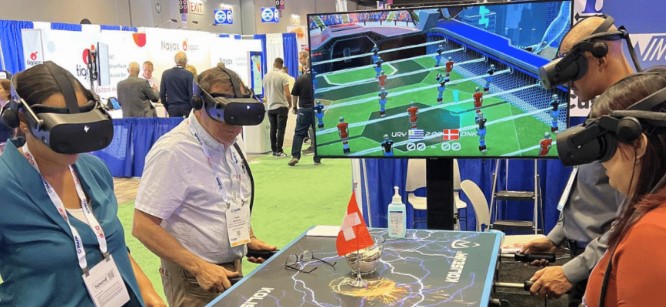 Augmented Reality Event Experiences
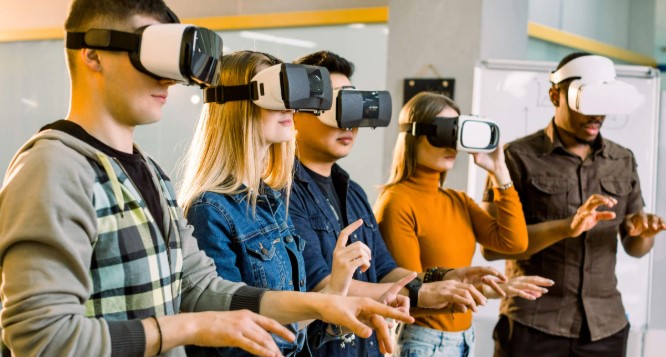 Event-Based VR Experience Solutions
 Event Participation & Gamification Tools
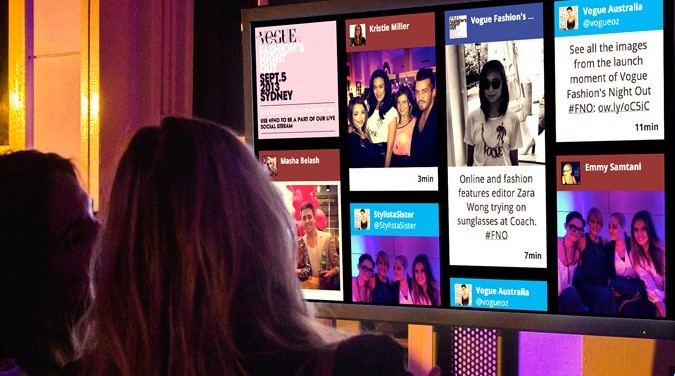 Event Social Media Engagement Walls
 Guest Feedback Management Services
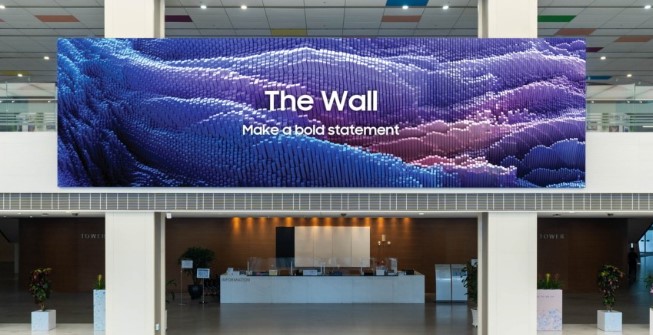 LED & Digital Display Systems
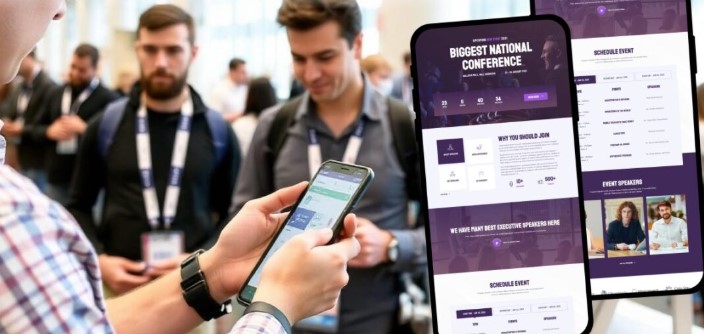 Mobile Apps for Event Experiences
 Real-Time Event Analytics Systems
 RFID Access & Cashless Payment Solutions
 Smart Attendee Matchmaking Solutions
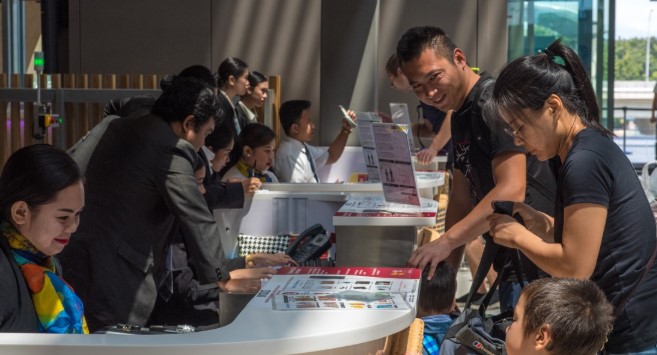 Smart Event Registration Solutions
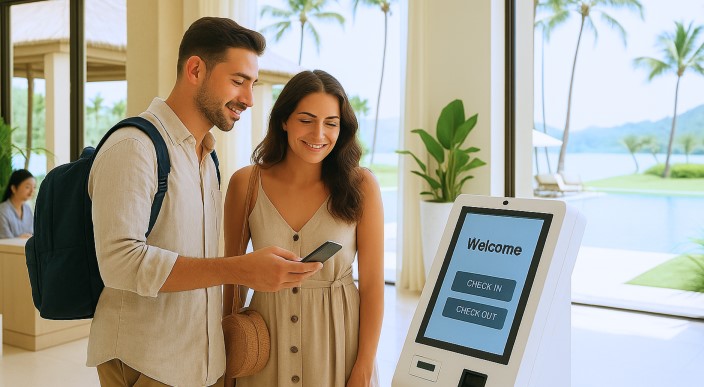 Touchscreen Guest Experience Solutions
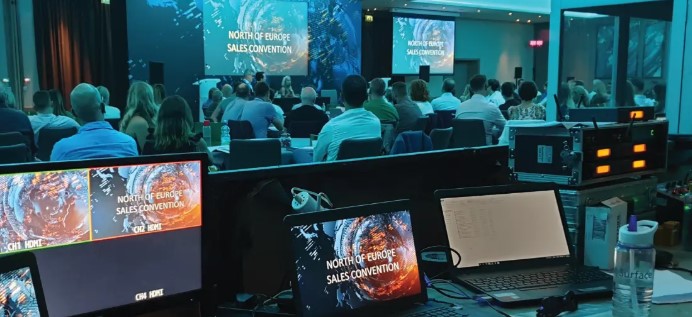 Virtual & Hybrid Event Production Services
 Virtual Event Support Assistants
- 400+Curated Events
- 6Event Universes
- 1000+Verified Vendors
- 70+Locations
- 24/7Customer Support


Not sure which packages fits your celebration?
Let Hiya & Hanu help you find the perfect match!
Explore Celebration Packages- AI-Powered MatchingSmart suggestions for you
- Budget OptimizerGet the best experiences in your budget
- End-to-End SupportWe are with you at every step
Serving Celebrations across 75+ locations in India
Top Celebration Technology Solutions for Smarter Event Experiences
◆Technology has become an increasingly important part of modern celebrations. Digital tools now support everything from invitations and registrations to guest communication, live streaming, interactive entertainment and post-event engagement.
Top celebration technology solutions can make an event easier to organise while creating a smoother experience for guests. Instead of treating technology as a separate feature, hosts can integrate digital services naturally into the wider celebration plan.
Bengaluru provides a particularly strong setting for technology-enabled celebrations. The city's modern corporate culture, digitally connected audience and diverse event scene create demand for solutions that combine convenience with polished presentation.
Weddings, birthdays, corporate functions, conferences, launches, festivals and private gatherings can all benefit from carefully selected event technology. The right solution depends on the event format, guest profile, venue, budget and level of interaction required.
Technology should never overwhelm the occasion. Its strongest role is to remove friction, improve communication and create useful moments that guests can enjoy naturally.
Understanding Digital and Tech-Enabled Celebrations
A technology-enabled celebration uses digital tools to improve one or more parts of the event journey.
This can begin before guests arrive through digital invitations, online registration and automated reminders. At the venue, technology can support check-in, navigation, interactive displays, photography experiences and audience engagement.
After the event, digital galleries, recordings, feedback systems and personalised follow-ups can continue the connection.
The purpose is not to use technology simply because it is available. Each tool should solve a genuine planning challenge or improve the guest experience.
A well-integrated digital system can make complex celebrations feel more organised without becoming visible as a technical process.
Digital Invitations and Event Communication
Digital invitations have become a practical starting point for technology-enabled celebrations.
Hosts can share event details quickly and update information when schedules, venues or timings change. Digital formats can also include maps, RSVP options, dress guidance and event-specific instructions.
For larger celebrations, online RSVP systems can provide a clearer estimate of attendance.
Wedding hosts can use digital invitations to communicate multiple ceremonies. Corporate organisers can include registration details, agendas and venue information.
The key is to keep communication clear. Guests should be able to find essential information without navigating unnecessary screens or complicated links.
Smart RSVP and Registration Systems
Registration technology can simplify guest management before and during an event.
Online RSVP tools can collect attendance information, dietary preferences and other relevant details. At the venue, digital check-in can reduce queues and provide organisers with a more accurate attendance picture.
QR-based registration can be useful for conferences, corporate events and large celebrations.
For private functions, a simpler system may be more appropriate. The technology should match the scale of the gathering rather than introduce complexity where it is unnecessary.
Accurate guest data can also support seating, hospitality and event coordination.
QR Code Event Solutions
QR codes can provide guests with quick access to useful information.
They can connect guests to menus, schedules, venue maps, digital galleries, event programmes, feedback forms or personalised content.
At weddings, QR codes can provide access to ceremony timings and photo-sharing spaces. At corporate events, they can support registration, agendas and networking.
The code should be placed where guests can easily notice and scan it.
Digital access should also remain optional where appropriate. Important information should not depend entirely on a guest owning or actively using a smartphone.
Digital Guest Engagement
Technology can create more interactive experiences during celebrations.
Live polls, digital guestbooks, interactive displays, social walls and audience participation tools can encourage guests to become part of the event rather than simply watch it.
Corporate gatherings can use audience-response systems during presentations or panel sessions.
Weddings and birthdays can use digital guestbooks where attendees leave messages, photographs or short videos.
The interaction should remain simple and enjoyable. Complicated systems can discourage participation, particularly when guests are unfamiliar with the technology.
Live Streaming for Celebrations
Live streaming allows people who cannot attend physically to participate remotely.
This can be particularly valuable for weddings, milestone celebrations and family occasions involving guests who live in different cities or countries.
Professional streaming can include multiple cameras, clear audio, stable connectivity and private access.
Corporate events can also use live streaming for audiences outside the venue.
The venue's internet capacity should be checked well before the event. Backup connectivity can provide additional protection against unexpected network interruptions.
Virtual and Hybrid Events
Hybrid celebrations combine physical attendance with remote participation.
Corporate conferences, product launches, award ceremonies and professional gatherings can benefit from this format.
A successful hybrid event requires more than simply placing a camera in front of a stage. Remote participants need suitable audio, visual framing, interaction opportunities and clear communication.
The physical audience and online audience should both receive an intentional experience.
Technology planning should therefore include streaming, moderation, presentation management and connectivity testing.
Interactive Digital Displays
Digital screens can add useful information and visual energy to an event.
They can display schedules, photographs, welcome messages, menus, speaker information or dynamic event content.
Interactive displays can go further by allowing guests to explore information or participate in simple activities.
Corporate events may use screens for presentations and branding, while private celebrations can use them for photo galleries and interactive memories.
Content should remain easy to read and relevant to the event.
Event Photography Technology
Technology has transformed event photography through digital galleries, instant sharing and interactive photo experiences.
Guests can access selected photographs through digital galleries or event-specific platforms.
Photo-sharing systems can also allow attendees to contribute their own images, creating a broader record of the celebration.
360-degree photo experiences and interactive booths can provide entertainment while generating shareable content.
These services should complement professional photography rather than replace the need for skilled visual coverage.
Digital Audio and Visual Integration
Technology plays an important role in audio and visual presentation.
Professional sound systems, projection, LED displays, stage screens and lighting controls can work together to create a cohesive event environment.
Corporate events may require precise presentation management, while weddings may focus more heavily on music, speeches and visual atmosphere.
Equipment selection should match venue size and audience capacity.
Technical teams should also conduct sound checks, visual tests and connectivity checks before guests arrive.
Smart Venue Management
Technology can support several operational aspects of venue management.
Digital schedules can help teams coordinate arrivals, performances, catering changes and programme transitions.
Staff communication systems can reduce delays between different departments.
Digital checklists and shared event information can also help planners maintain visibility over changing requirements.
These systems are particularly useful for large celebrations involving multiple suppliers.
The technology should remain simple enough for the event team to use confidently under time pressure.
Digital Tools for Corporate Celebrations
Corporate events often require structured technology because they involve presentations, registrations, networking and professional communication.
Event apps can provide schedules, speaker information and networking opportunities.
Digital registration can simplify attendee management. Interactive audience tools can increase participation during presentations.
For conferences and launches, live streaming can extend the event to remote audiences.
Post-event surveys can provide useful feedback for future planning.
The strongest corporate technology solutions support both operational efficiency and audience engagement.
Technology for Weddings
Wedding technology can improve guest communication without taking away from the emotional character of the occasion.
Digital invitations, RSVP systems, venue maps, QR-based schedules, live streaming and digital photo galleries can all provide useful support.
Couples can also create digital guestbooks where friends and family leave messages.
For multi-day weddings, a central digital information system can help guests understand ceremony timings and locations.
Technology should remain discreet and intuitive so that the celebration itself remains the main focus.
Technology for Birthday Celebrations
Birthdays can use technology in more playful ways.
Digital photo booths, interactive displays, projection experiences, music systems and live social walls can encourage participation.
Children's celebrations can incorporate age-appropriate interactive activities, while adult birthdays can use digital galleries, personalised screens or immersive entertainment.
Technology should always be selected according to the audience.
For children's events, safety, supervision and simplicity are especially important.
Event Networking Technology
Networking tools can improve interaction at professional and community gatherings.
Digital profiles, QR-based contact sharing, event apps and interactive participant directories can make introductions easier.
For corporate events, technology can help attendees discover relevant sessions or connect with other participants.
Networking systems should respect privacy and give guests control over what information they share.
Clear instructions can improve adoption without creating pressure to participate.
Digital Event Content
Content is central to technology-enabled celebrations.
Presentations, videos, photographs, animations and interactive displays all require appropriate preparation.
Content should be formatted for the screens and equipment being used. Resolution, aspect ratio and file compatibility should be tested before the event.
A central content plan can prevent last-minute confusion between organisers, designers and technical teams.
Good technology cannot compensate for poorly prepared content, so creative and technical planning should happen together.
Venue Connectivity and Technical Planning
Reliable connectivity is one of the foundations of digital events.
Hosts should check internet speed, network coverage, power availability and equipment locations before finalising technology services.
Large venues may require additional network infrastructure when many guests are simultaneously connected.
Technical teams should identify potential interference, cable routes and equipment placement.
Backup systems are also valuable for critical services such as streaming, registration and presentation delivery.
A technical rehearsal can reveal problems before guests arrive.
Accessibility and Inclusive Technology
Technology should make celebrations easier to access rather than create new barriers.
Digital information should be readable, clear and available in formats suitable for different guests.
Live events can consider captioning, accessible navigation and appropriate screen visibility where relevant.
Not every guest will be equally comfortable with digital tools. Staff support can help guests who need assistance with registration, QR codes or interactive systems.
Inclusive technology creates a better experience without requiring every guest to use every feature.
Data Privacy and Guest Information
Digital events often involve personal information such as names, contact details, attendance records and photographs.
Hosts and service providers should handle this information responsibly.
Guests should understand how their information is being used when registration or digital sharing systems collect data.
Photo-sharing platforms should also provide appropriate controls where private event content is involved.
Good data practices build trust and reduce unnecessary risk.
Budgeting for Event Technology
Technology budgets should be based on event objectives rather than the number of available features.
A small celebration may only require digital invitations and a photo-sharing system. A corporate conference may need registration, streaming, presentation management and interactive engagement tools.
Costs can include equipment, software, technical staff, connectivity, content preparation and support.
Hosts should identify essential services first and then consider optional enhancements.
Testing the chosen technology before the event can help avoid costly technical problems.
Choosing the Right Technology Provider
A technology provider should understand both the technical requirements and the event environment.
Experience with similar event formats can be valuable because different celebrations have different operational needs.
Hosts should discuss equipment, technical staffing, connectivity, setup time, testing and backup arrangements.
Clear communication is especially important when several vendors are involved.
A good provider should be able to explain technical requirements in practical language rather than simply presenting a list of equipment.
Integrating Technology with Event Design
Technology should complement the event's visual identity.
Screens, digital displays, interactive installations and lighting should work naturally with the venue décor.
Wedding technology can remain elegant and discreet. Corporate events may use stronger digital presentation systems. Birthday celebrations can embrace more playful visual experiences.
The objective is a cohesive environment rather than a collection of unrelated technical features.
When technology and design are planned together, the result feels intentional.
Future-Ready Celebration Technology
Digital event technology continues to evolve. Artificial intelligence, immersive experiences, advanced guest analytics, interactive installations and increasingly personalised digital content are influencing the industry.
Hosts do not need to adopt every emerging technology.
Instead, they should focus on solutions that provide genuine value to guests or organisers.
Technology becomes most effective when it improves convenience, communication or participation without creating unnecessary complexity.
A flexible digital infrastructure can also make it easier to introduce new tools as event requirements change.
Final Thoughts
Top celebration technology solutions can transform how events are planned, delivered and remembered. Digital invitations, smart registration, QR systems, live streaming, interactive displays, digital guestbooks and connected event tools can improve both organisation and participation.
For celebrations in Bengaluru, technology can be especially useful across weddings, corporate functions, birthdays, launches, conferences and social gatherings.
The right approach begins with understanding the event objectives. Hosts should then select tools that solve specific challenges, suit the venue and remain comfortable for guests.
Connectivity, technical support, accessibility, privacy and backup planning should receive the same attention as the visible technology itself.
A successful tech-enabled celebration does not feel like a technology demonstration. It feels smooth, engaging and well organised.
When digital services are integrated thoughtfully, technology becomes an invisible layer supporting the celebration. Guests can enjoy better communication and more interactive experiences while organisers gain greater control over the event journey.
Frequently Asked Questions
1. What are celebration technology solutions?
Celebration technology solutions include digital tools and technical services that support invitations, registration, guest engagement, live streaming, interactive experiences, event content and event management.
2. What technology can be used for weddings?
Weddings can use digital invitations, online RSVPs, QR-based schedules, live streaming, digital guestbooks, photo-sharing platforms, interactive displays and professional audio-visual systems.
3. Are digital invitations suitable for large celebrations?
Yes. Digital invitations can simplify communication, collect RSVPs and allow hosts to update event information quickly when required.
4. How can QR codes improve an event?
QR codes can provide quick access to menus, schedules, maps, registration forms, digital galleries, feedback forms and other event information.
5. Can celebrations be streamed for remote guests?
Yes. Professional live streaming can allow guests who cannot attend physically to participate remotely, particularly during weddings, milestone events and corporate functions.
6. What technology is useful for corporate events?
Corporate events can benefit from digital registration, event apps, audience-response systems, networking tools, presentation technology, live streaming and post-event feedback systems.
7. Is event technology suitable for birthday parties?
Yes. Birthdays can use interactive photo booths, digital displays, music systems, projection experiences and age-appropriate interactive entertainment.
8. How important is internet connectivity for digital events?
Reliable connectivity is essential for services such as live streaming, online registration and cloud-based event systems. Testing and backup connectivity can reduce disruption.
9. How should I choose an event technology provider?
Consider experience, equipment quality, technical staffing, setup requirements, testing procedures, connectivity planning, backup arrangements and compatibility with your venue.
10. How can technology remain unobtrusive during a celebration?
Choose only tools that serve a clear purpose and integrate them with the event design. Technology should simplify communication and engagement without distracting guests from the celebration itself.