

Explore All Religious Ceremonies
Discover traditional rituals, wedding ceremonies, spiritual occasions and meaningful cultural celebrations in Chennai, with trusted services to honour every tradition.
Give Thoughtfully,
Celebrate with Happiffie
From personalised gifts and curated collections to thoughtful presents for every occasion, Happiffie helps you discover gifting options that make celebrations more meaningful and memorable.
- Thoughtful Gift DiscoveryFind gifting options suited to every celebration and occasion
- Personalised GiftingDiscover customised gifts made to create meaningful moments
- Trusted Gift ProvidersConnect with reliable gifting professionals and service providers
Popular Religious Ceremonies
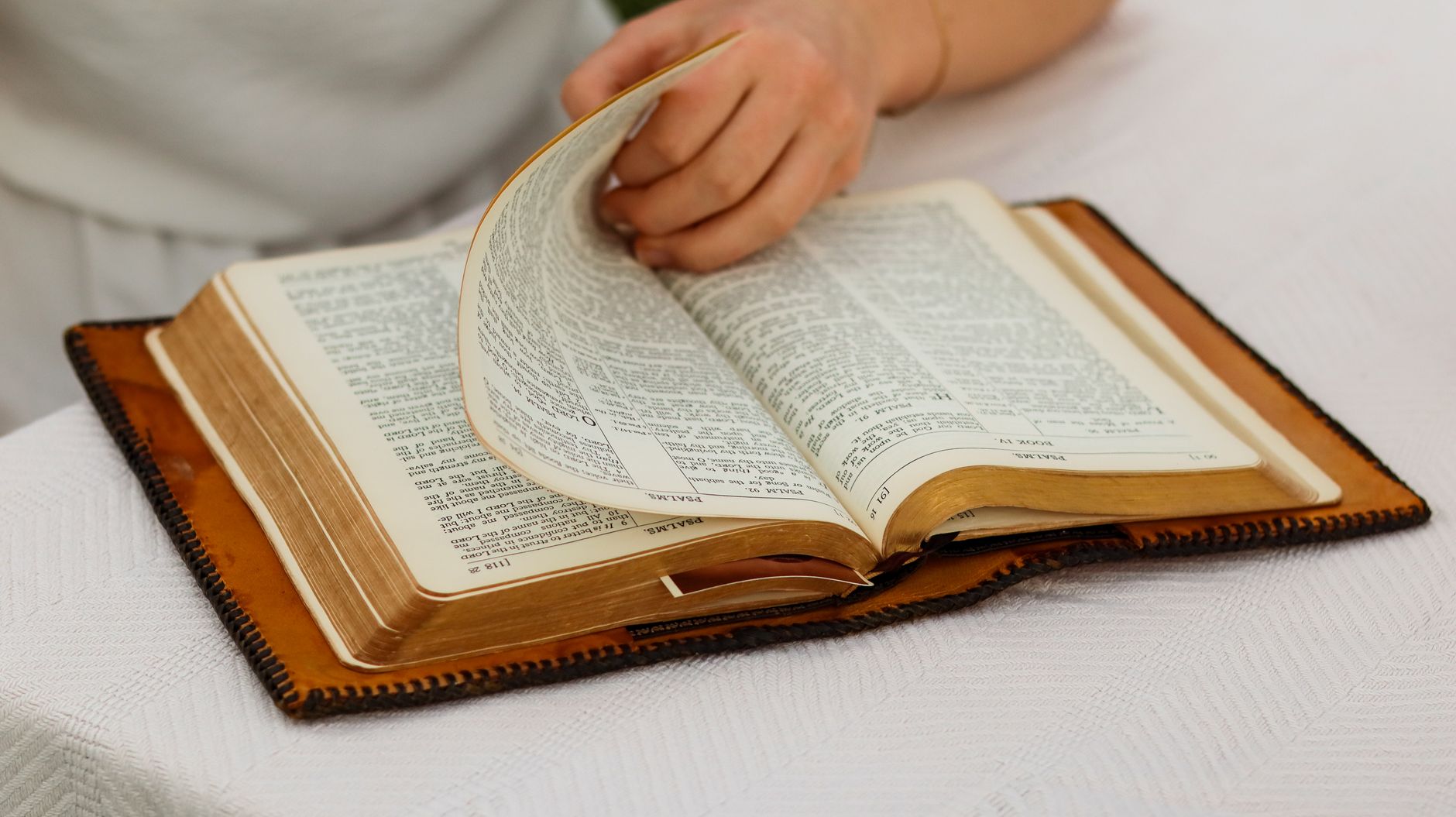 Bible Verse Cakes
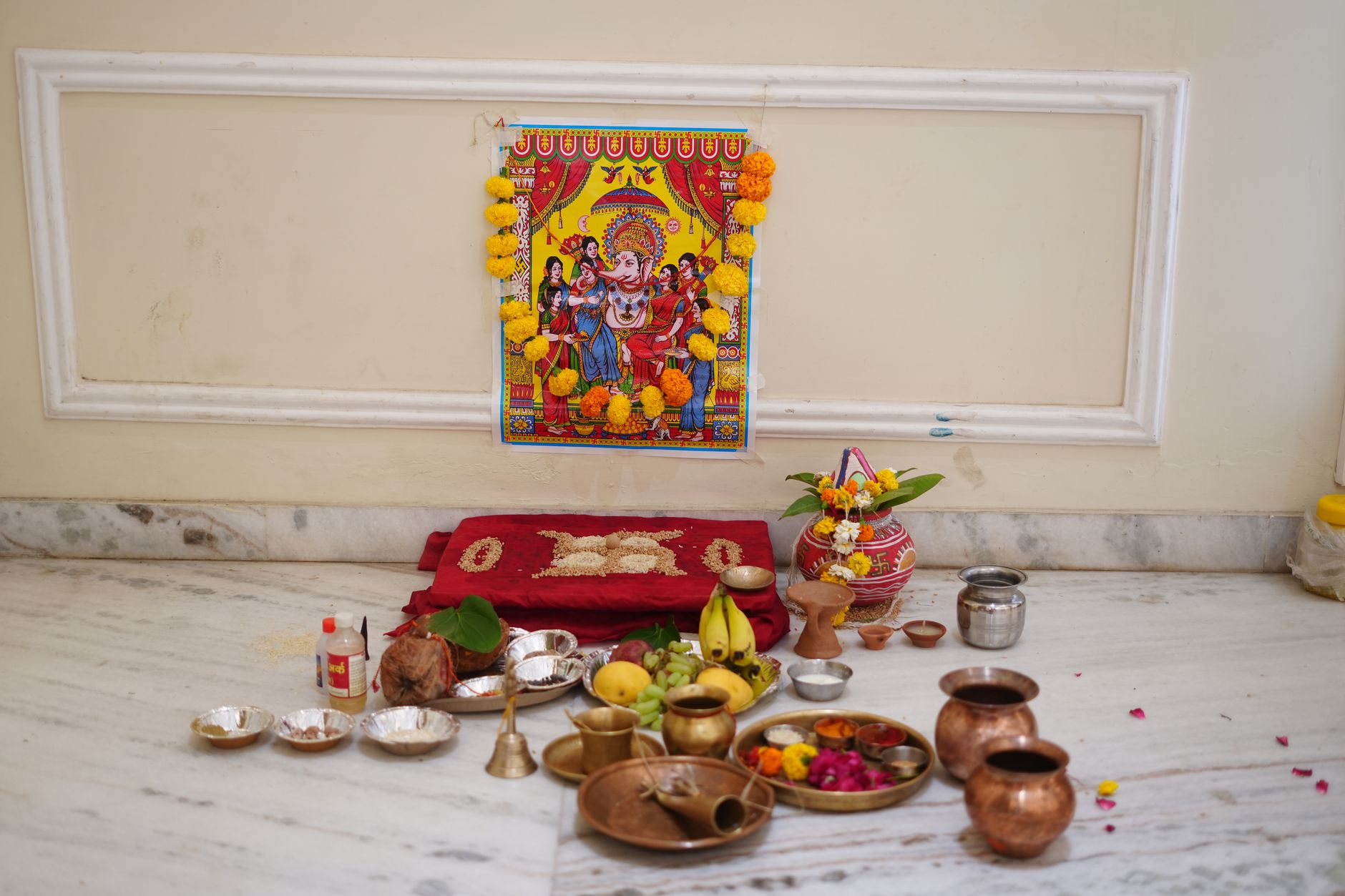 Brahmin Akshathai Ceremony Items
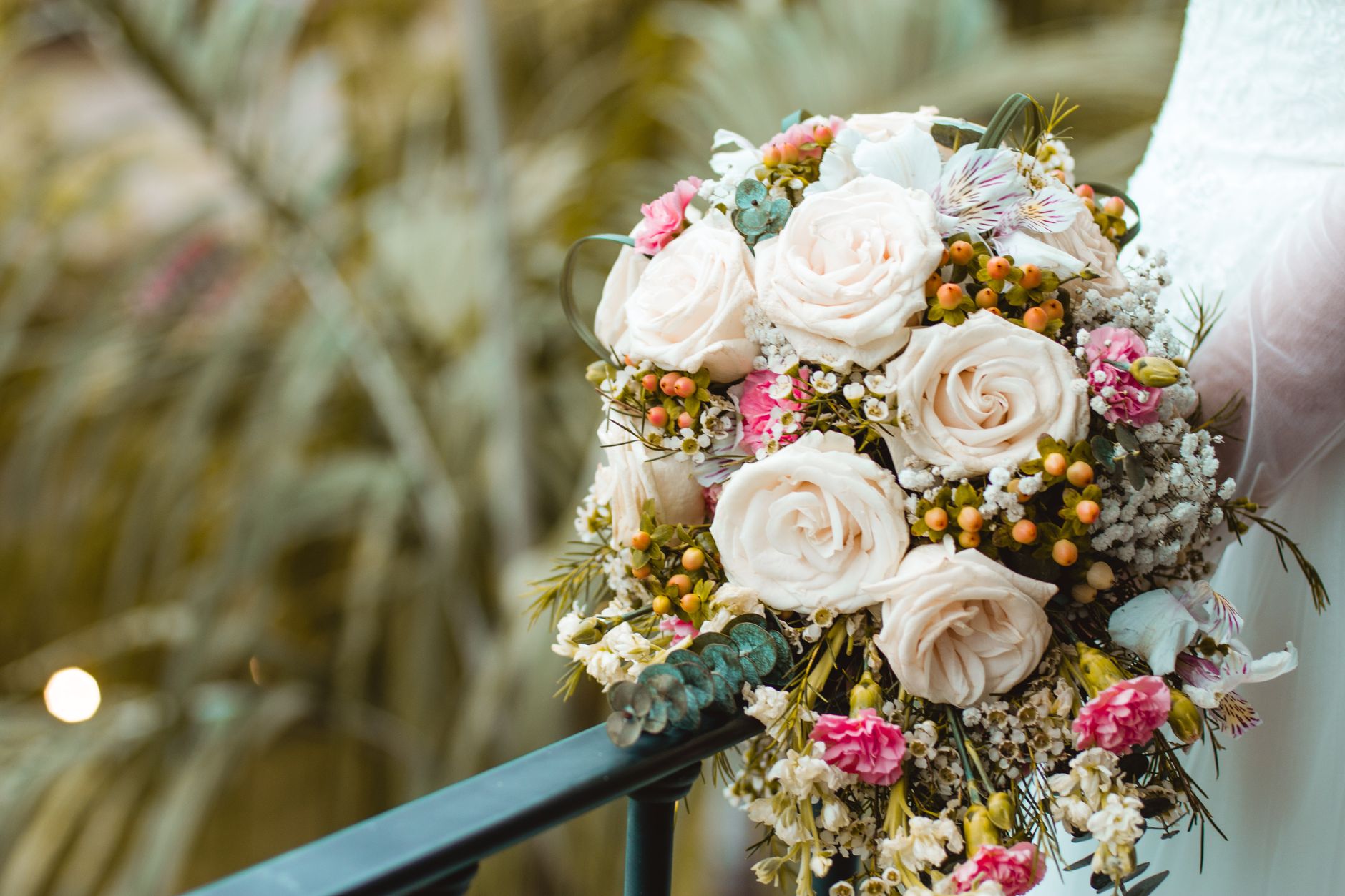 Contemporary Bouquets
 Couple Name Flower Basket
 Decorative Box Favours
 Family Boutonniere Sets
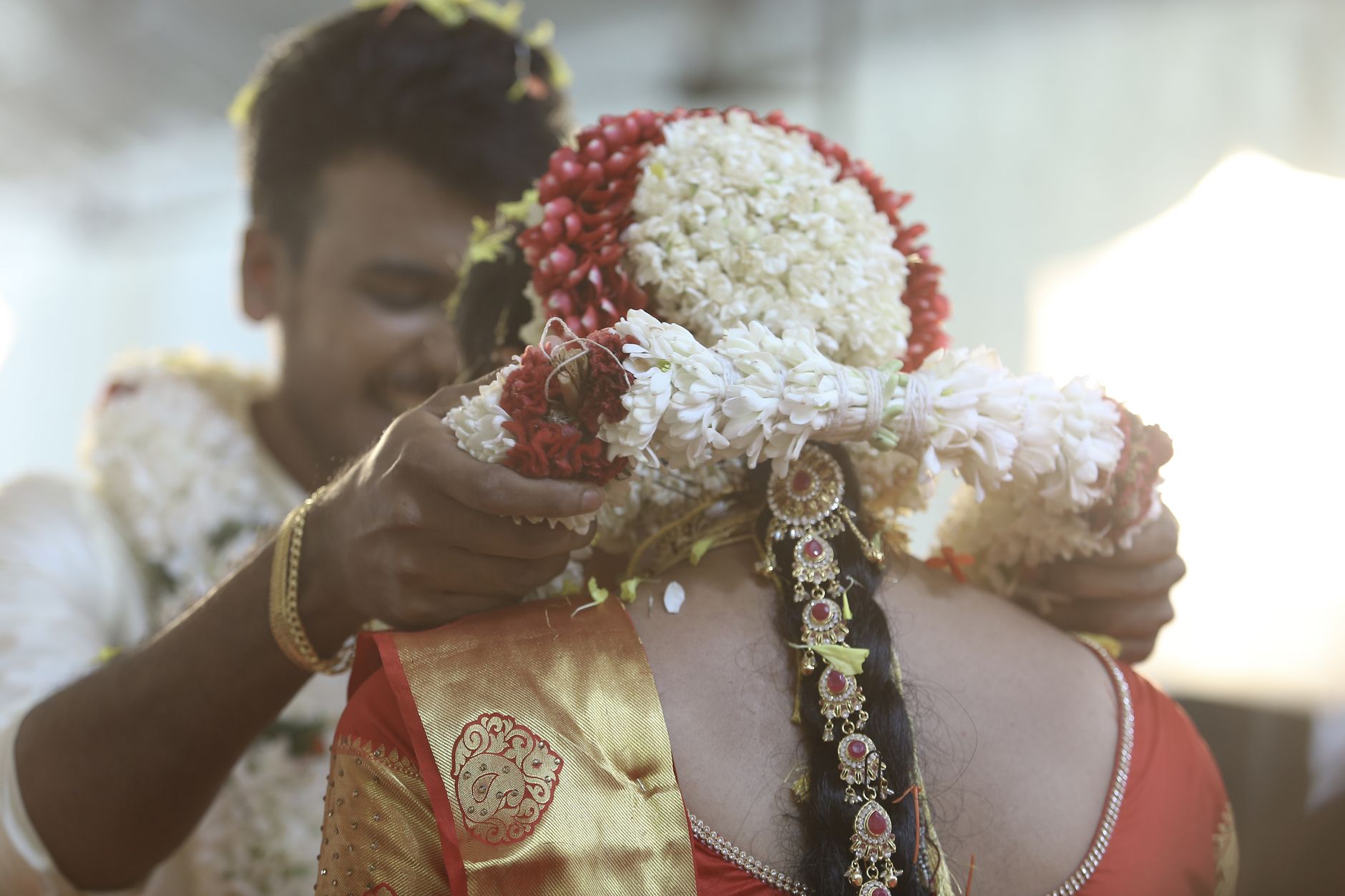 Flower Girl Basket
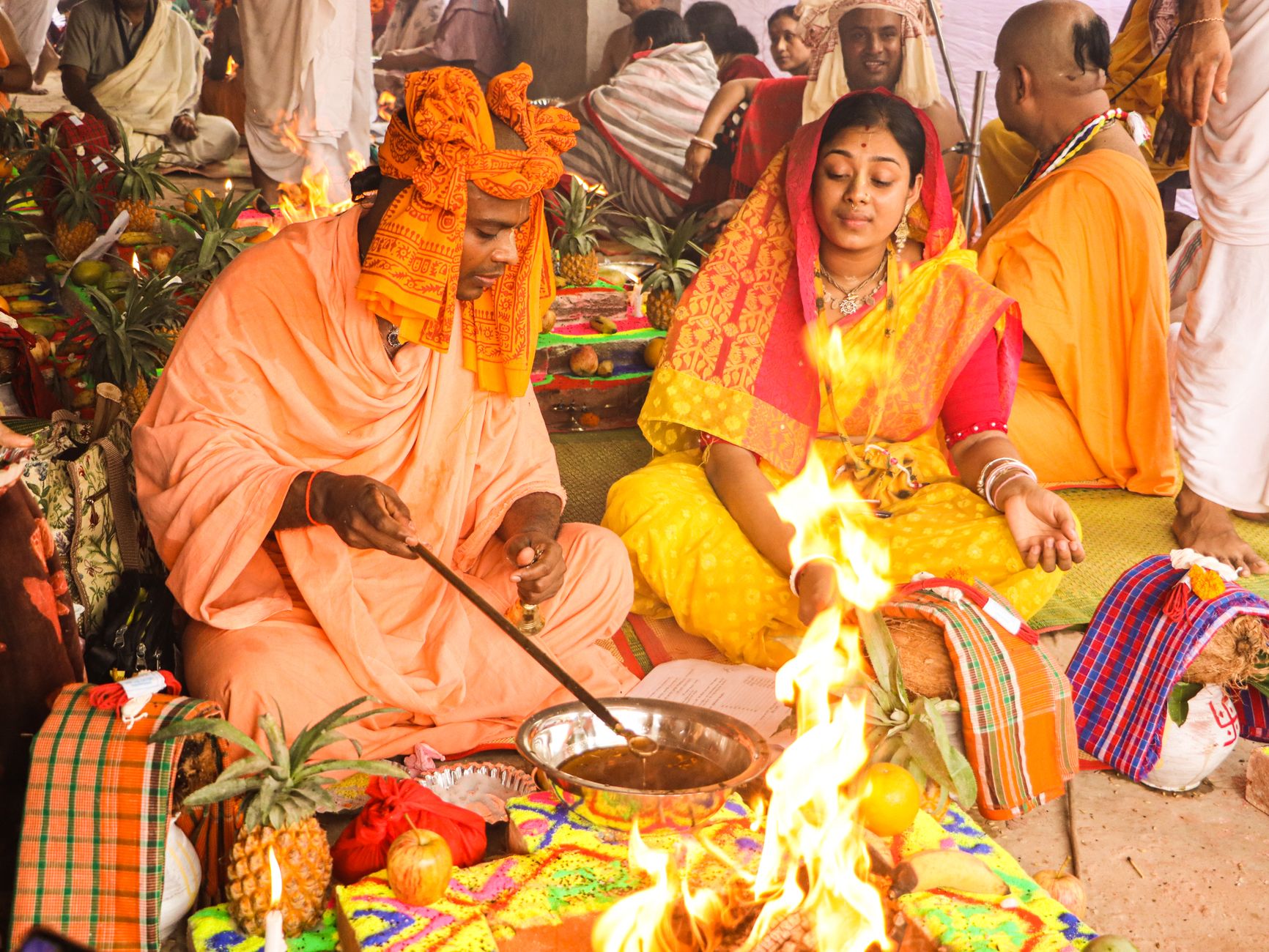 Grah Shanti Pandit
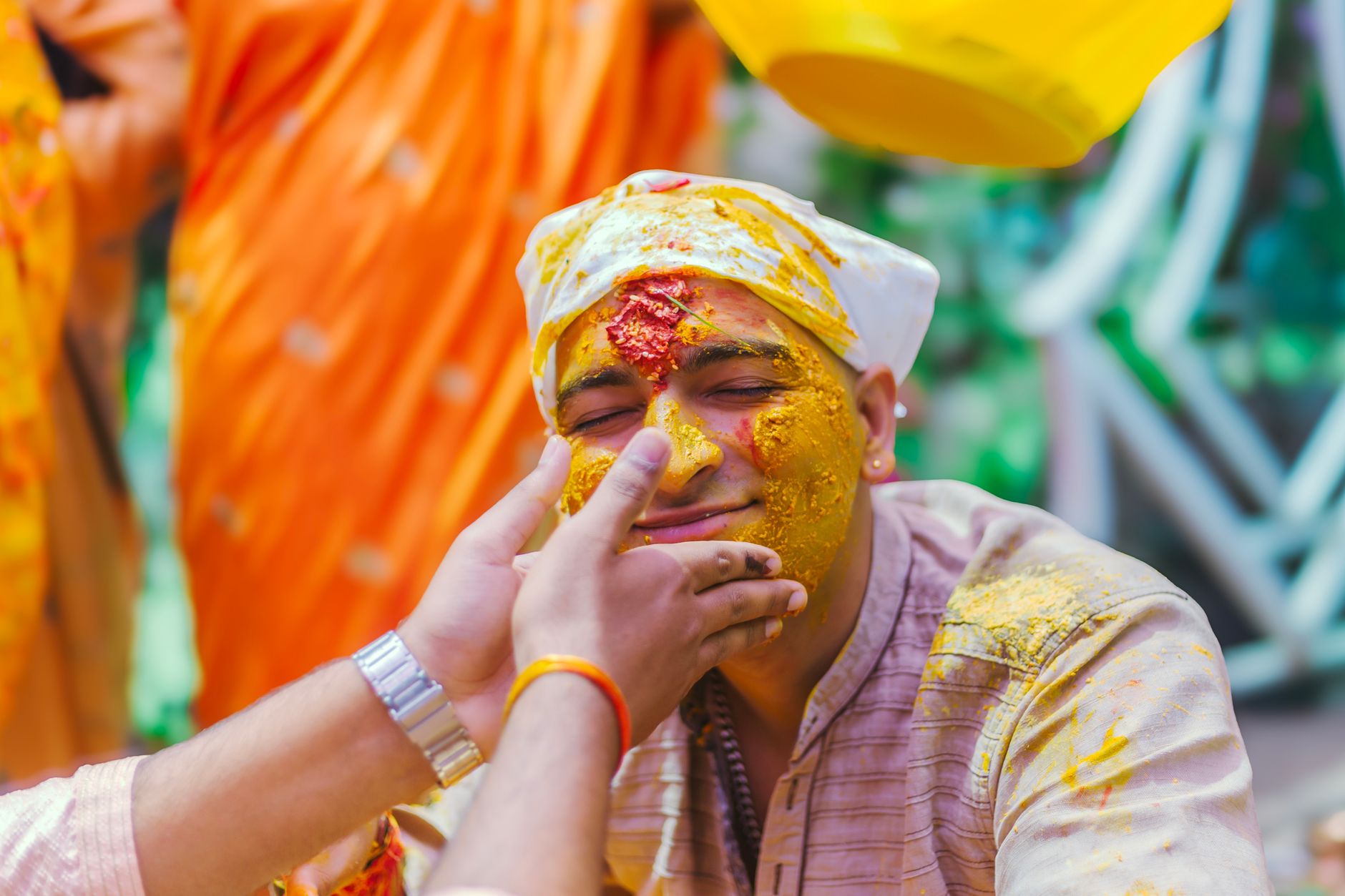 Gujarati Turmeric Kumkum Sets
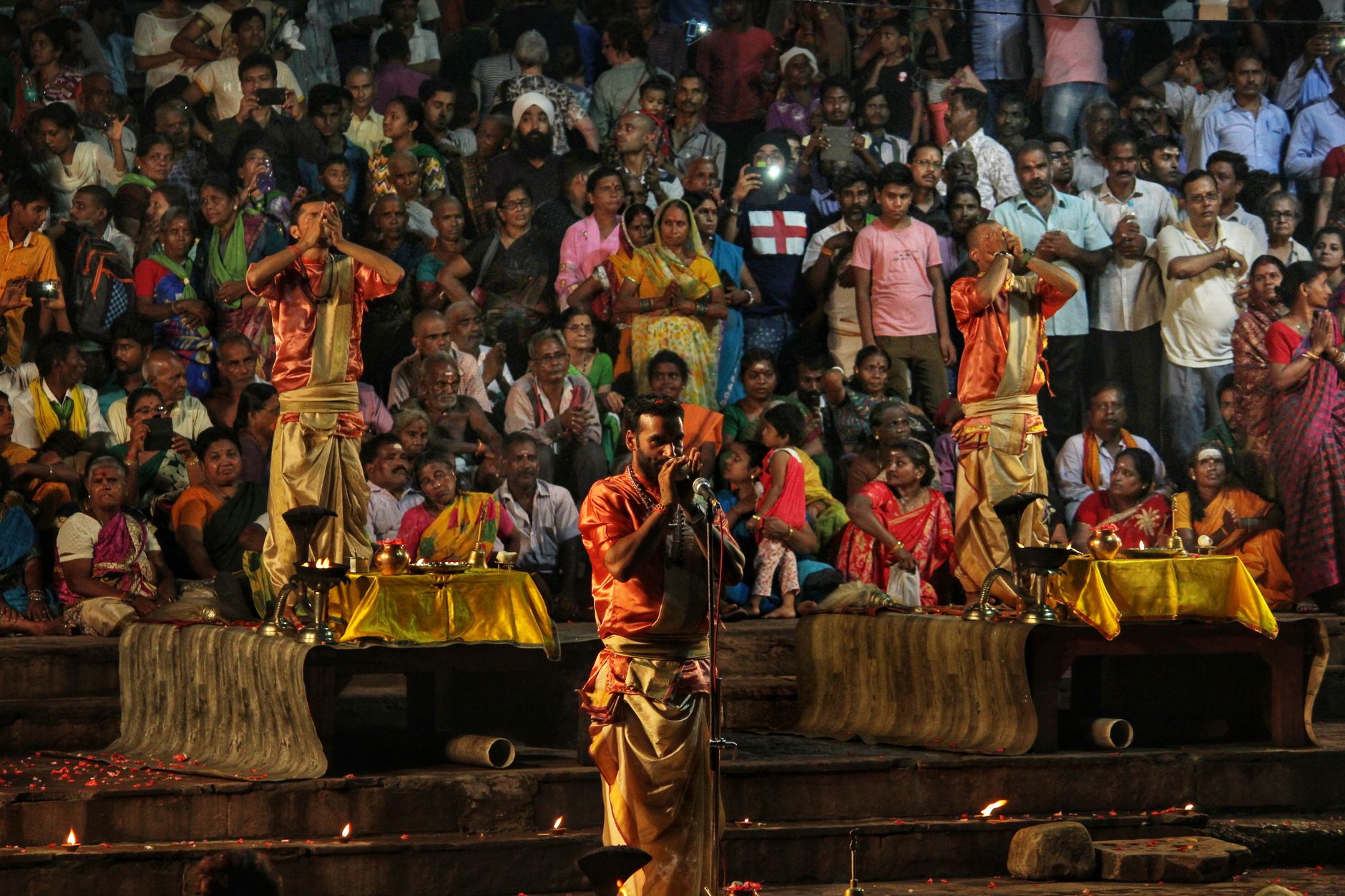 Harmonium Bhajan Troupe
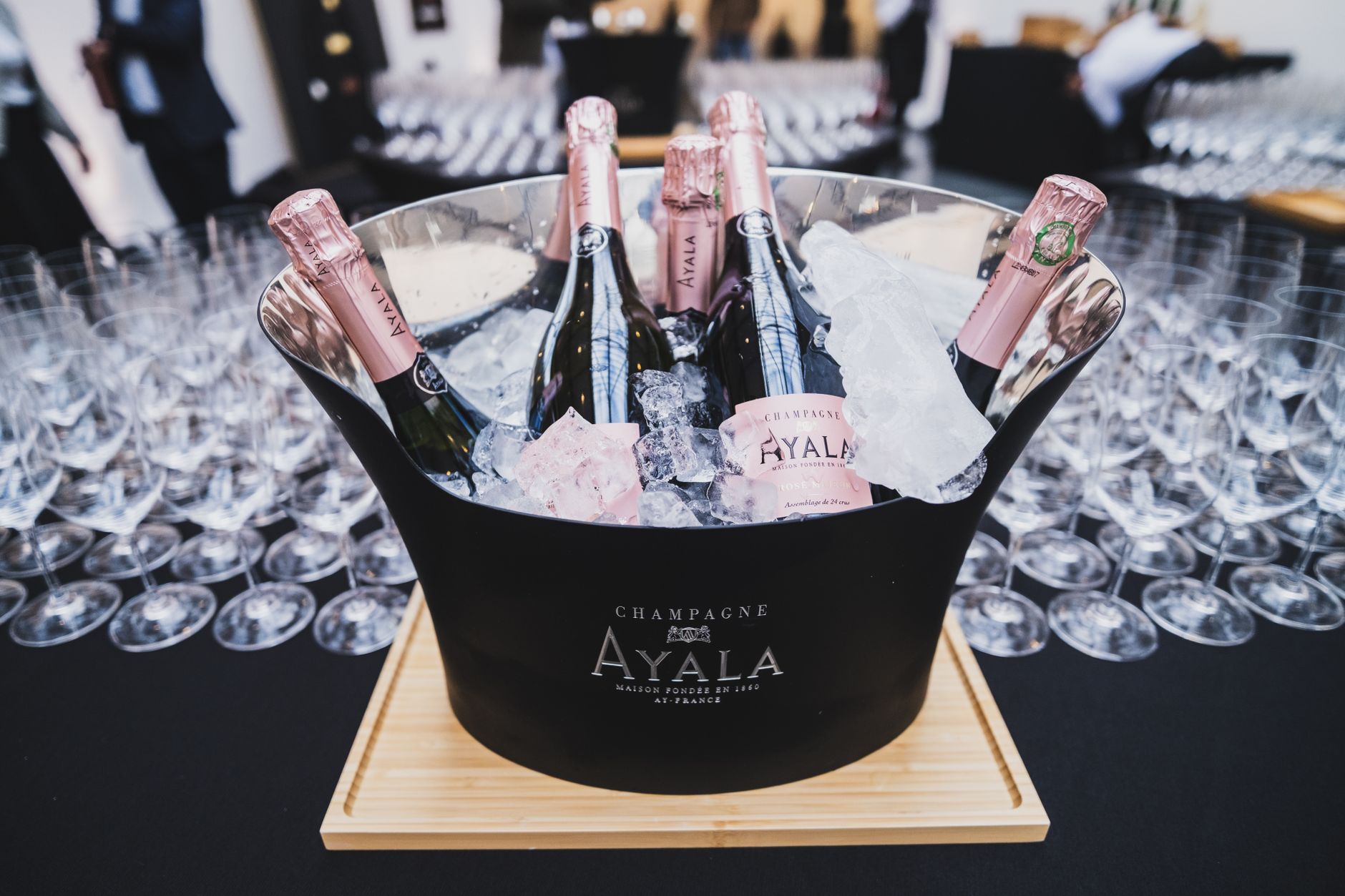 Ice Bucket Champagne Service
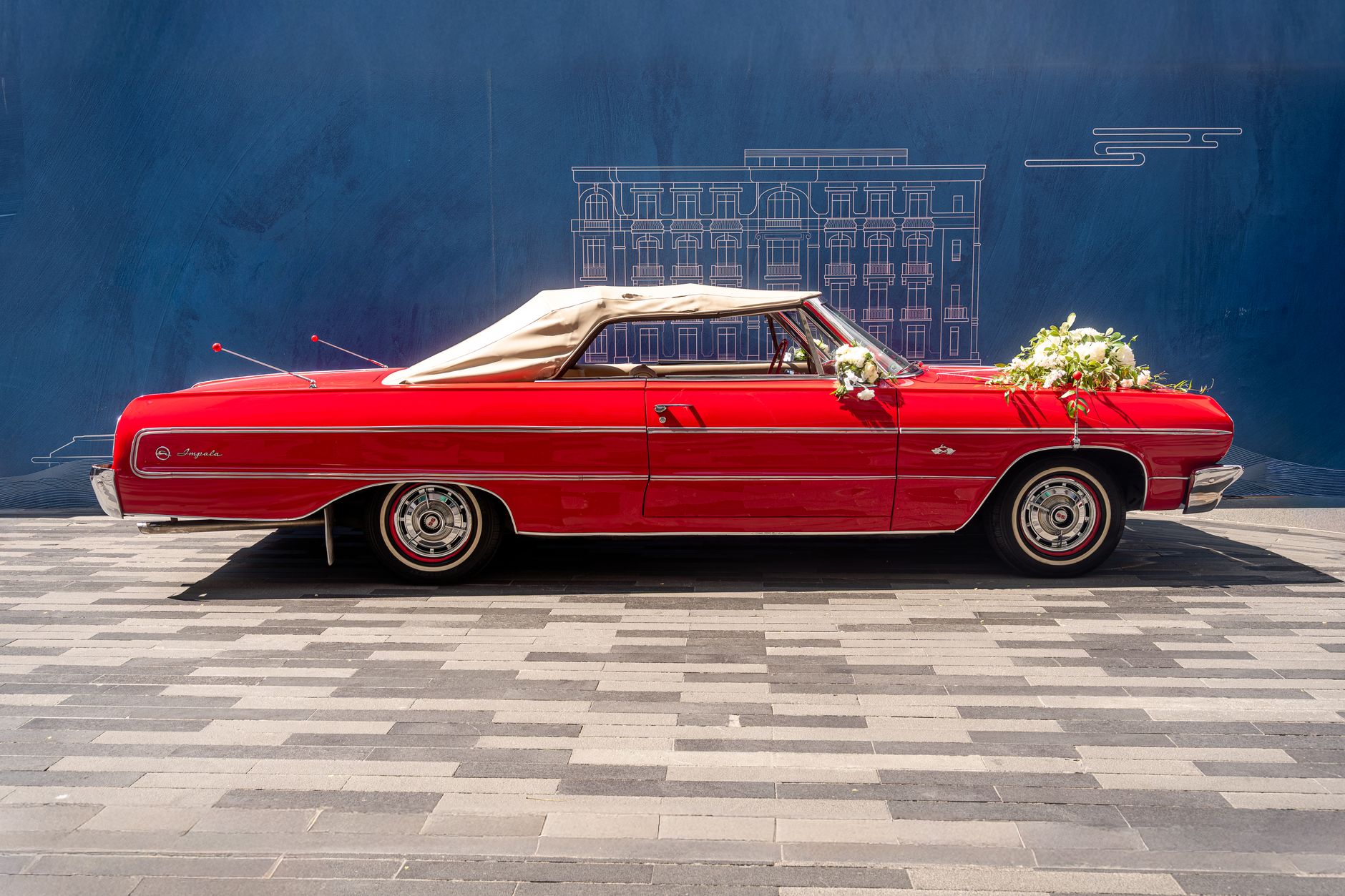 Initial Car Decoration
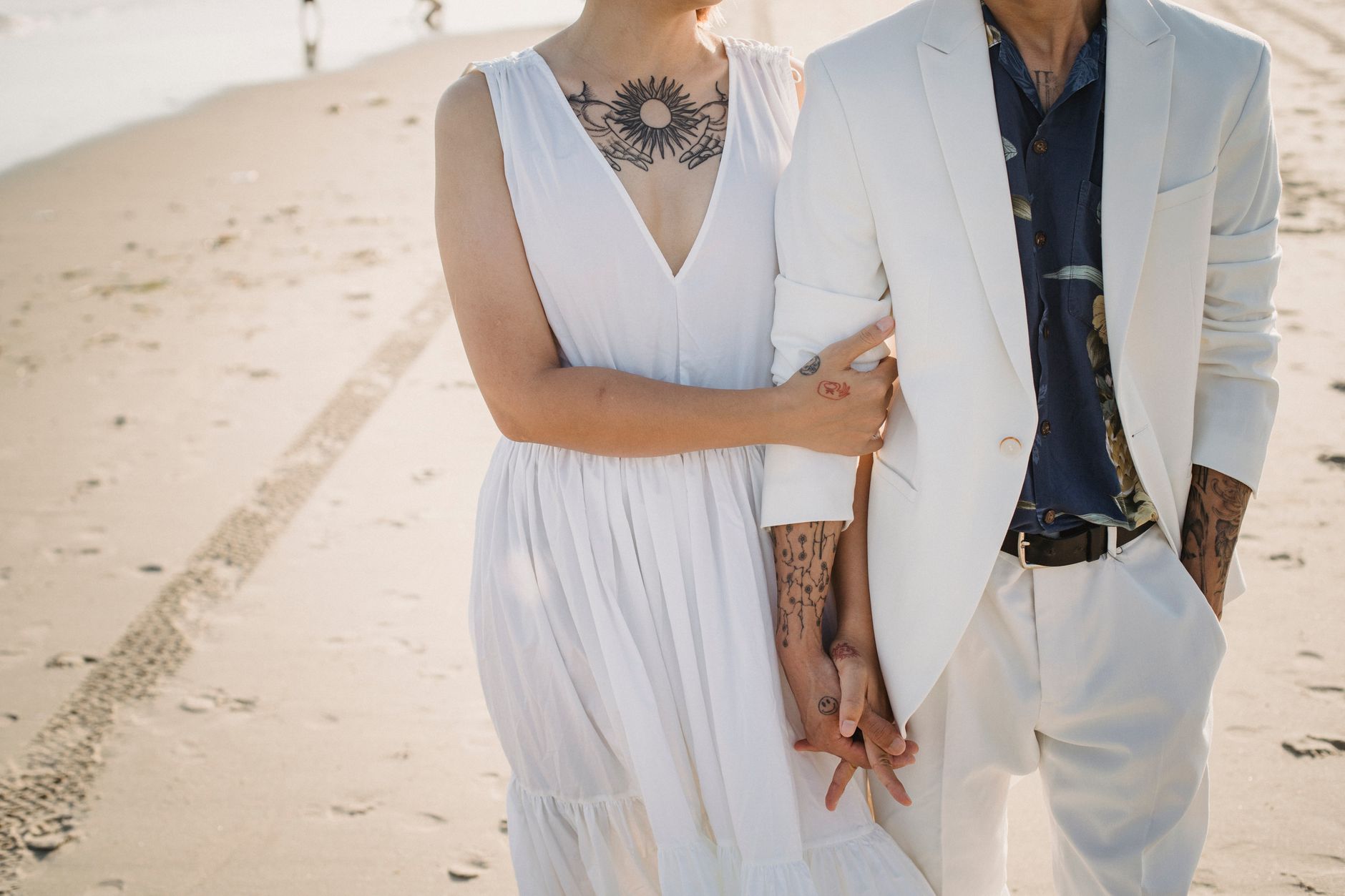 Intimate Marriage Officiant
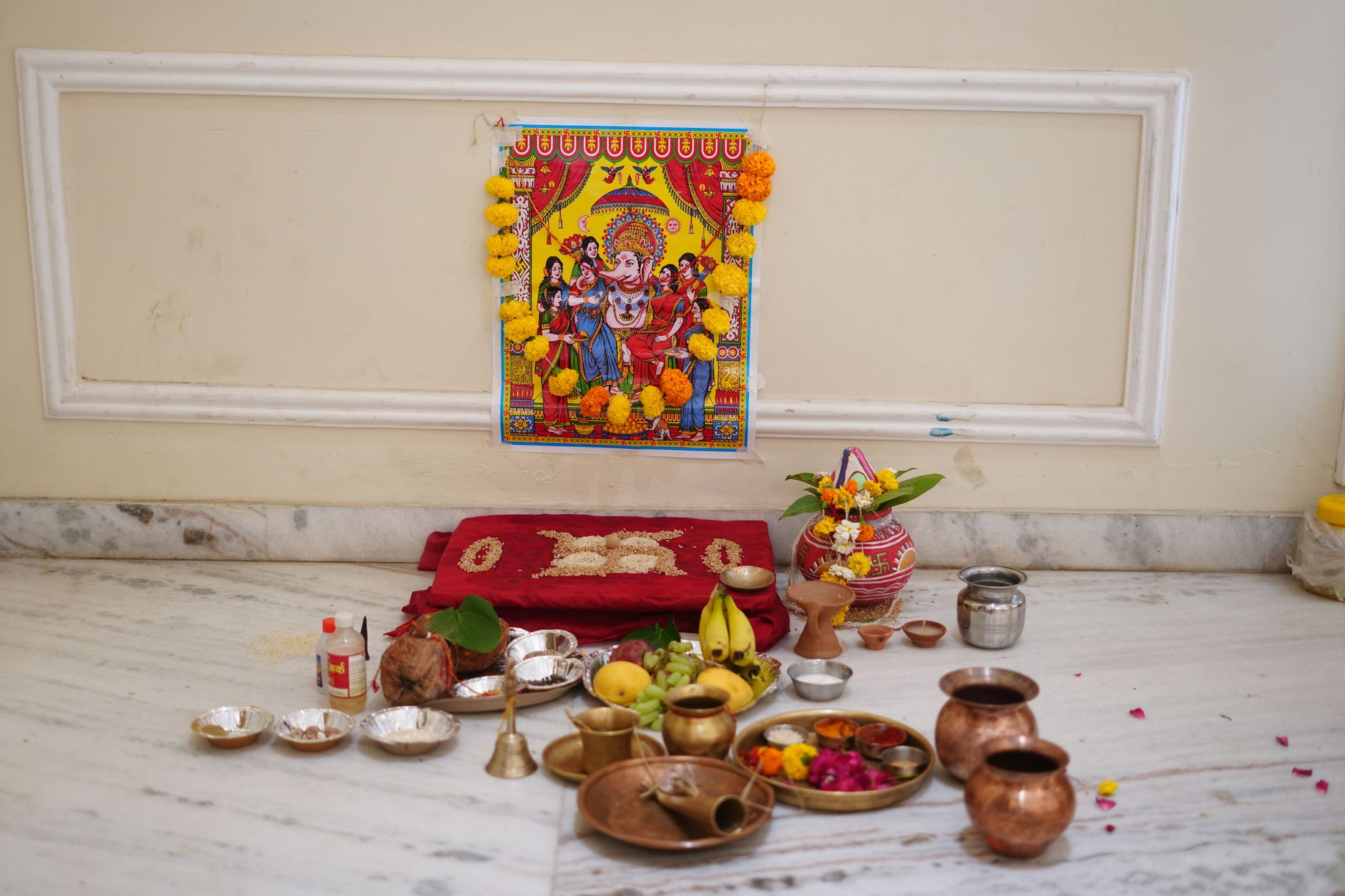 Jain Ceremony Pooja Basket
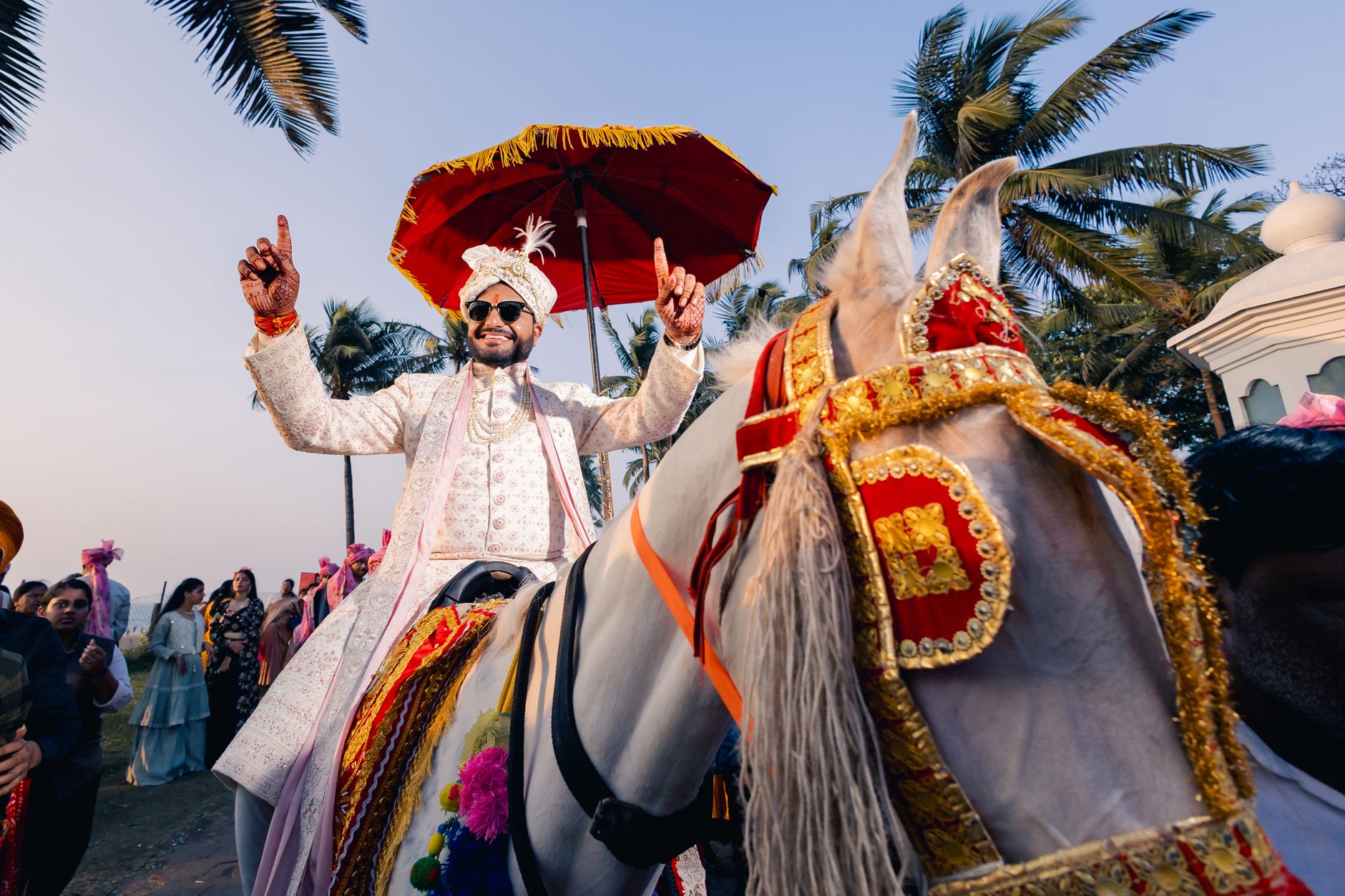 Kannada Groom Ritual Accessories
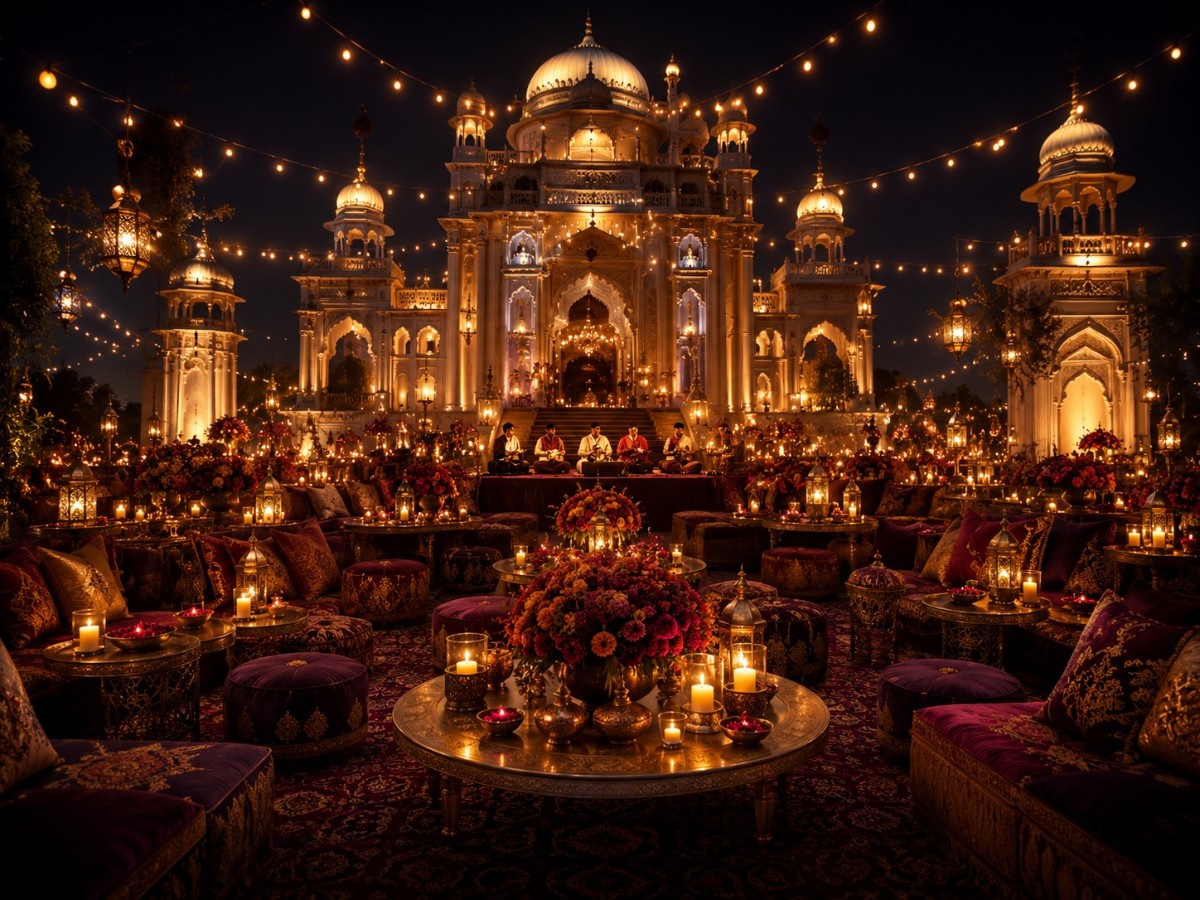 Kannada Marriage Pooja Kit
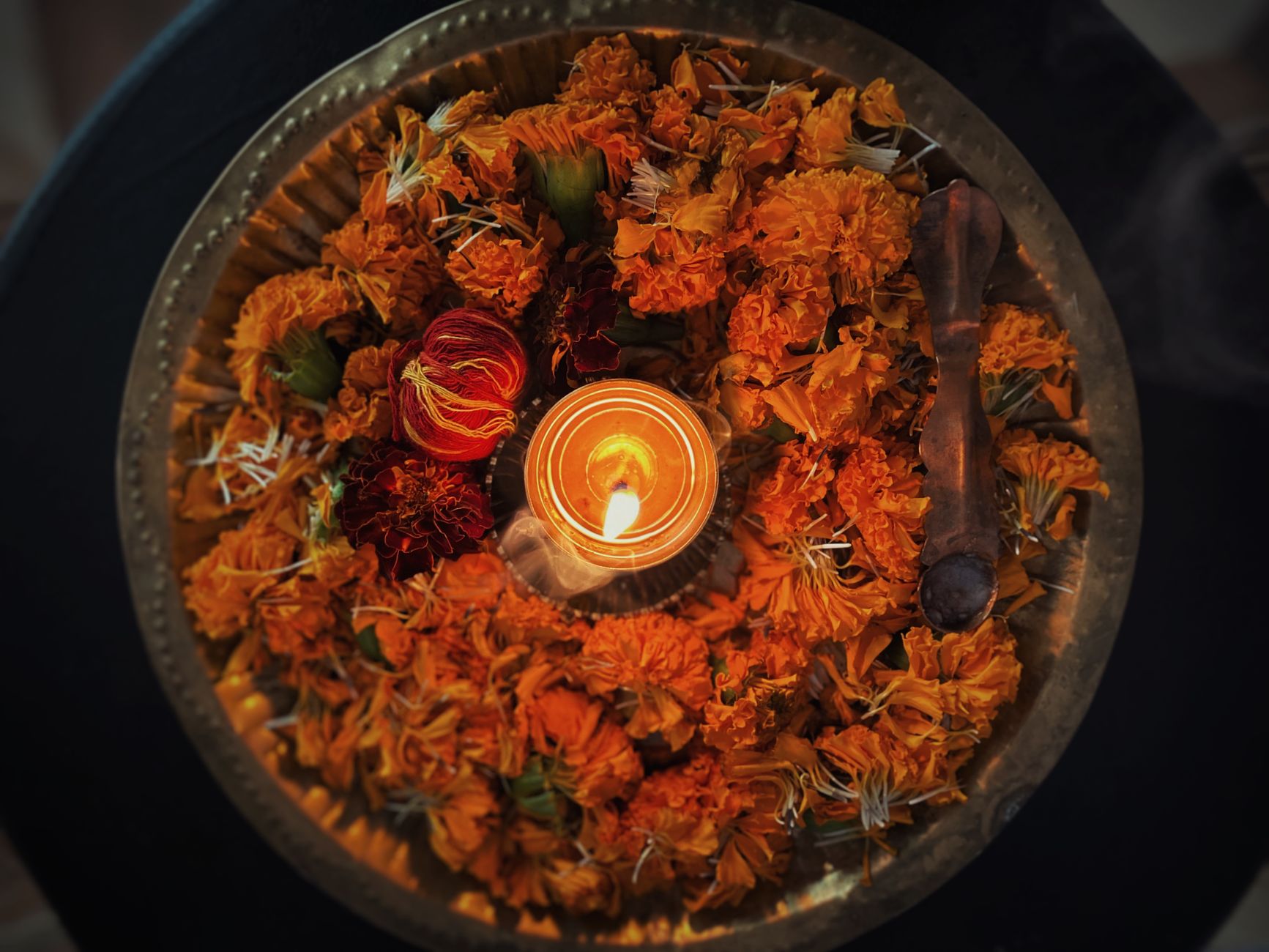 Kerala Brass Pooja Articles
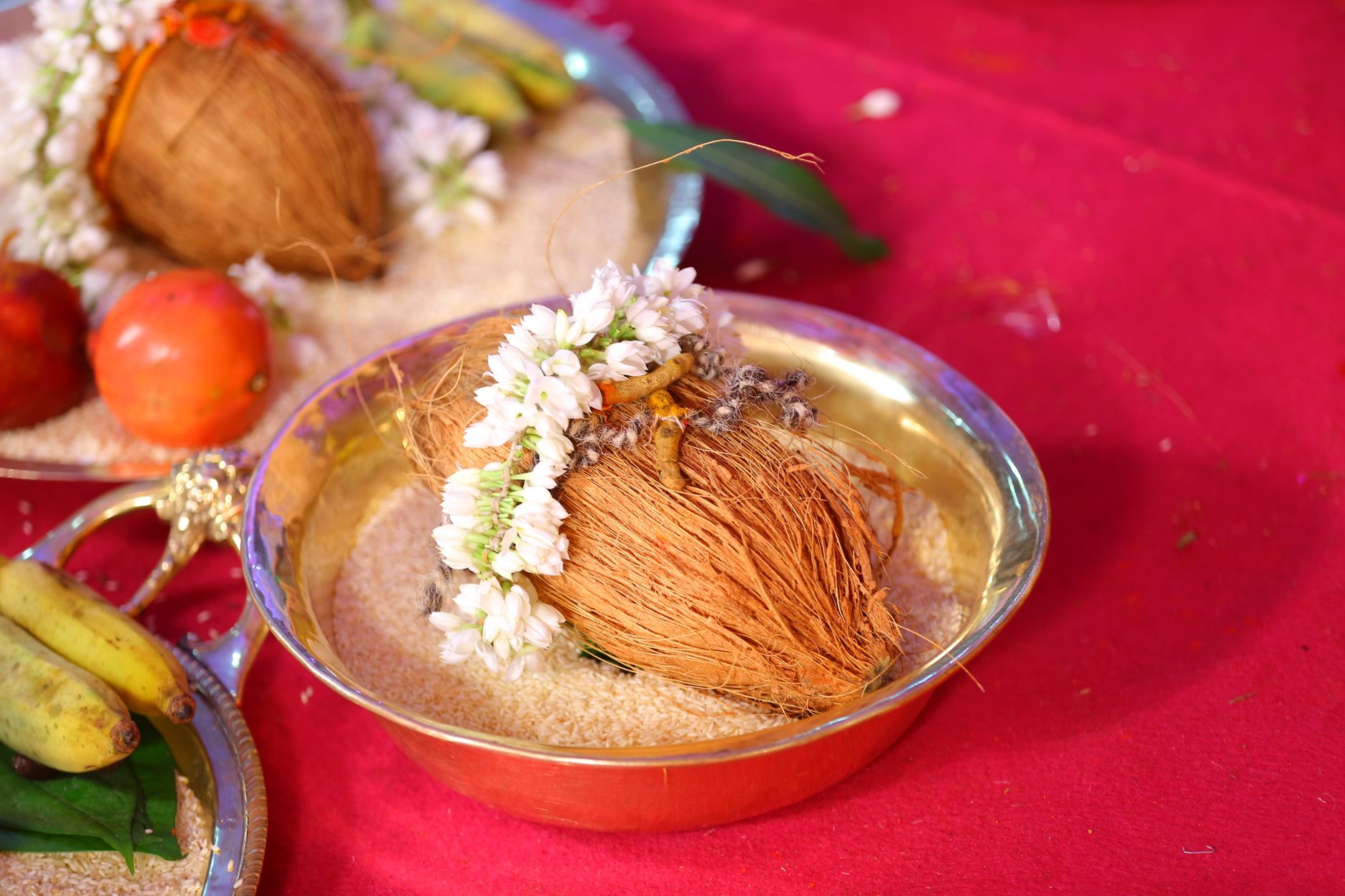 Marwari Coconut Ritual Sets
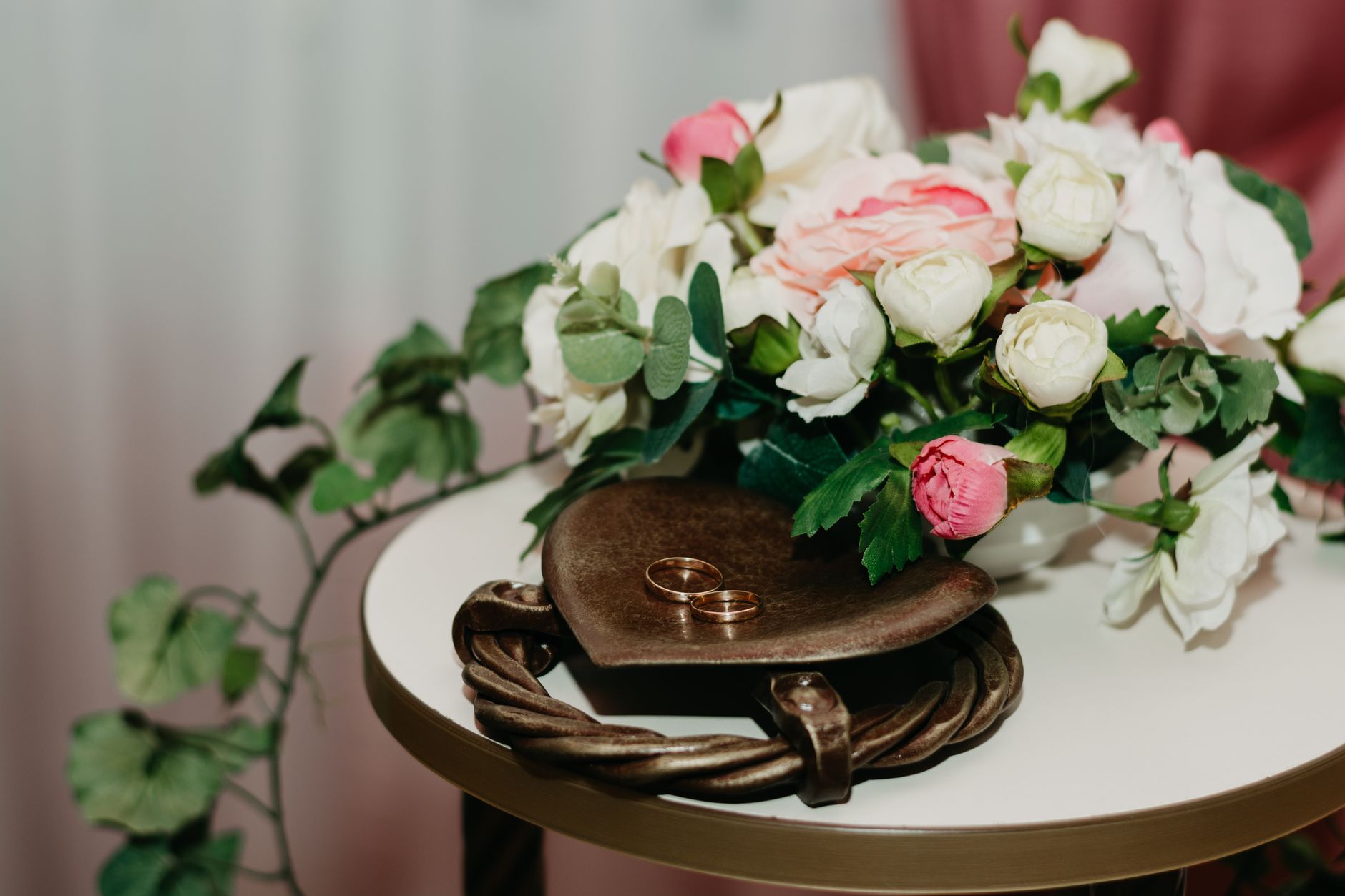 Minimal Ring Platter
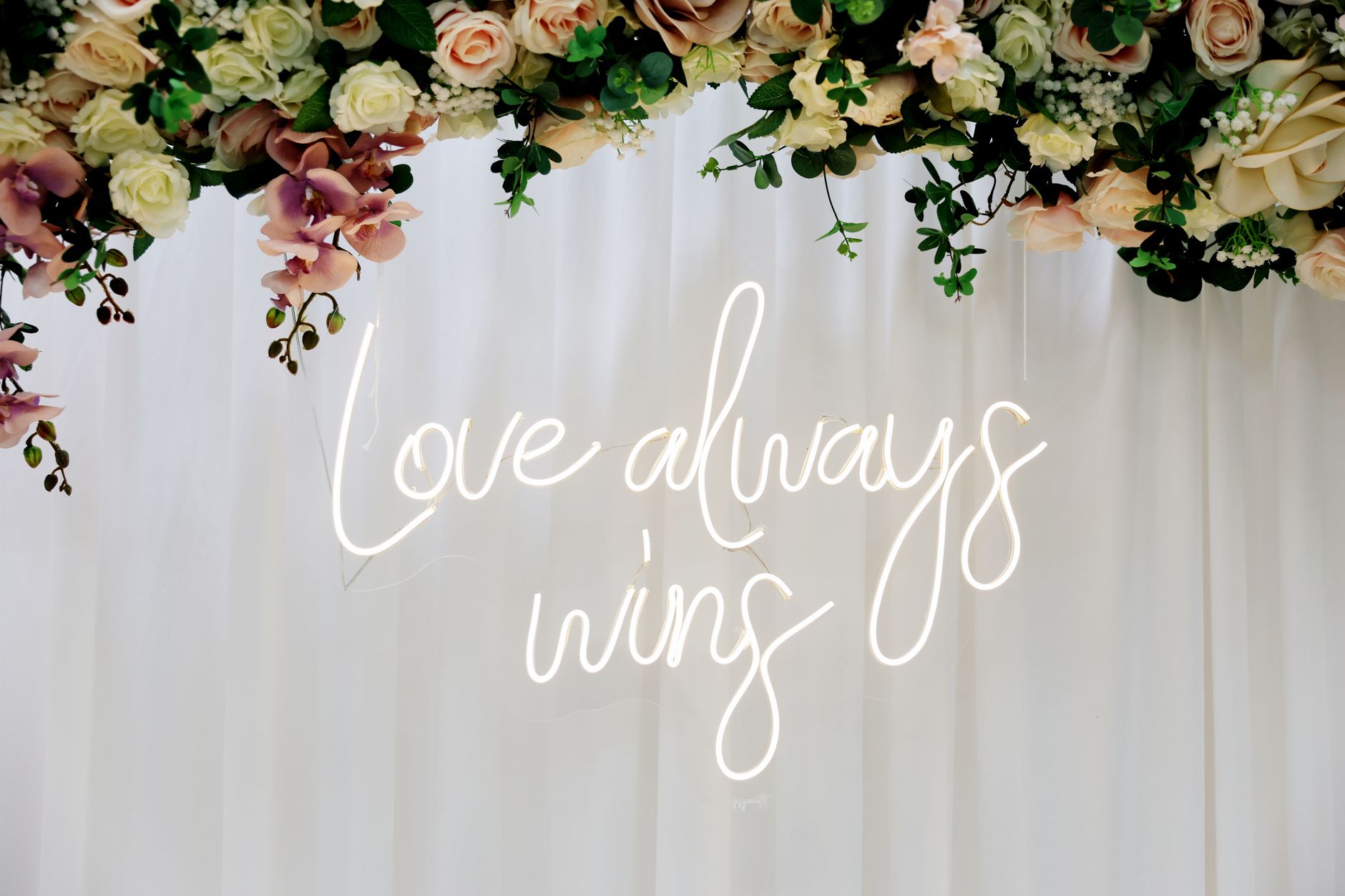 Nikah Welcome Signage
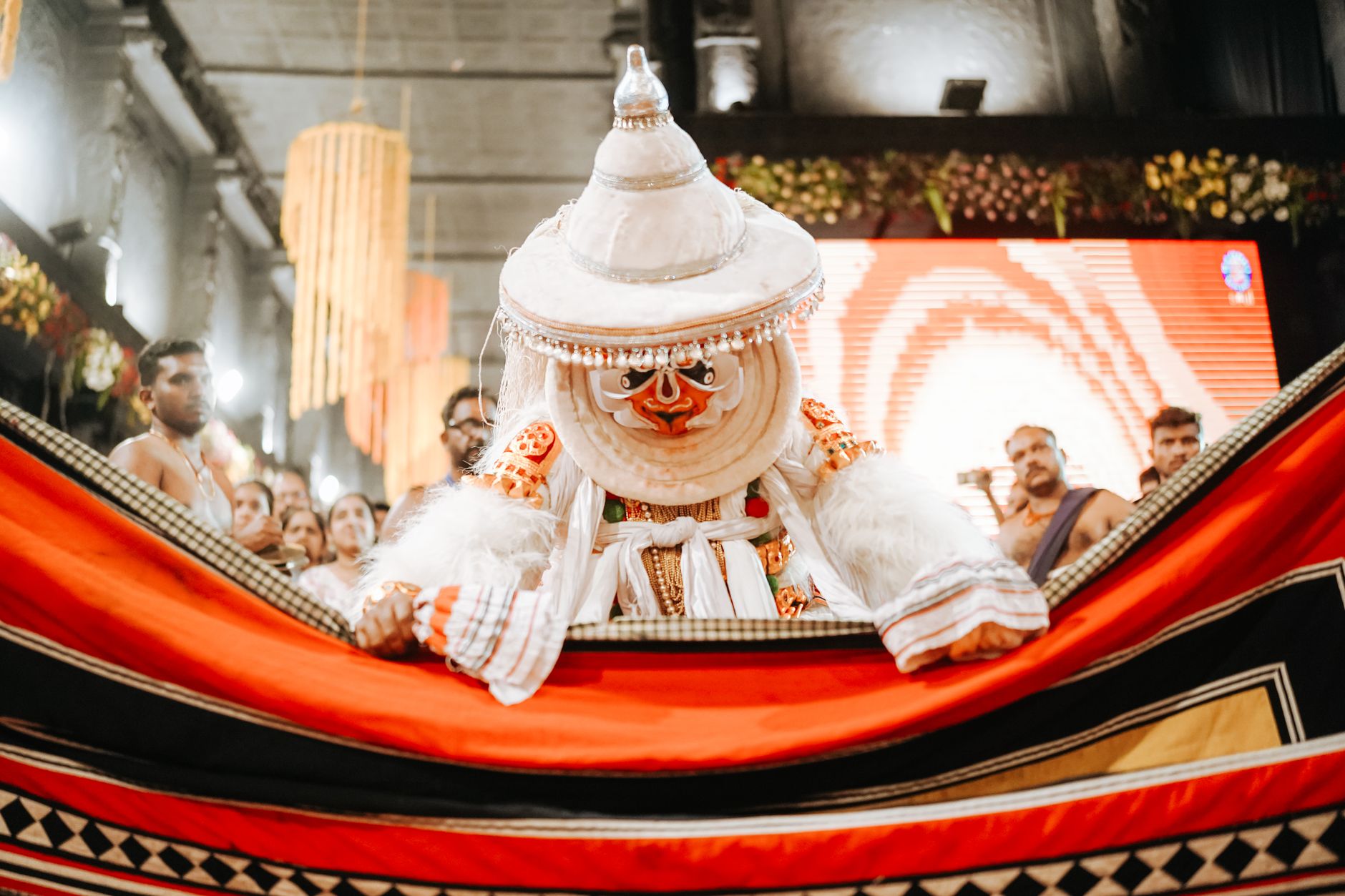 Private Webcast for Family
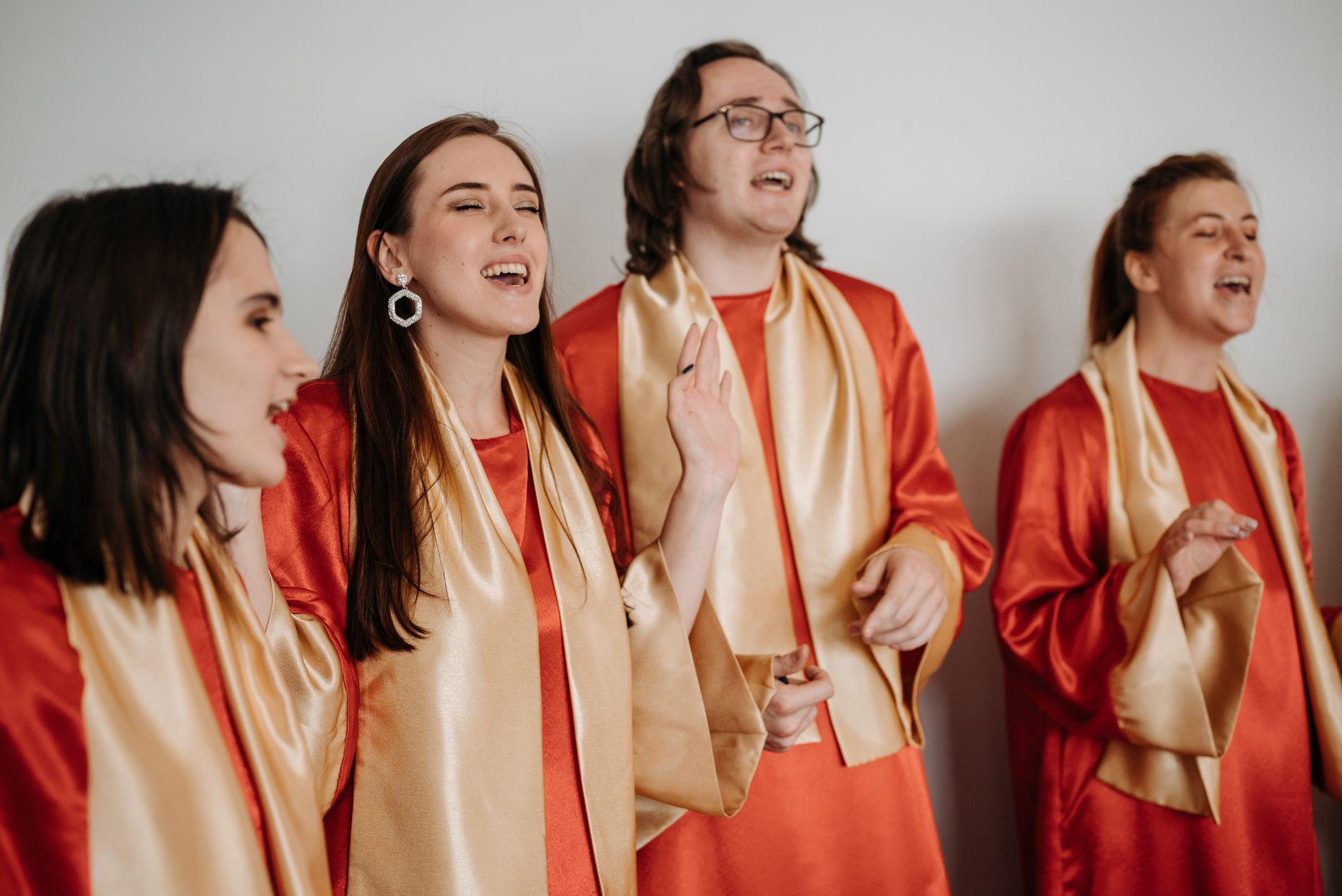 Resort Ceremony Choir
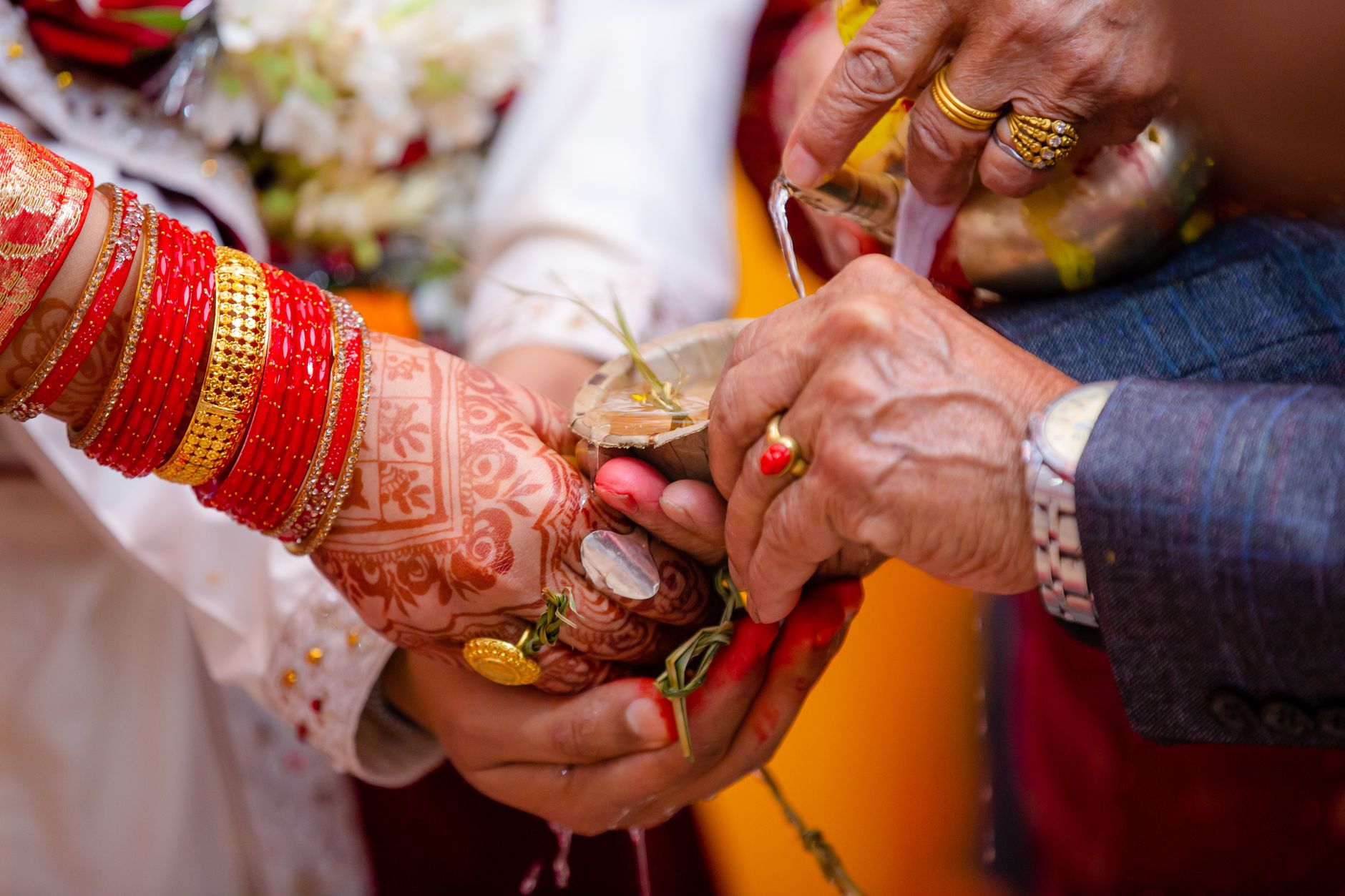 South Indian Marriage Astrologer
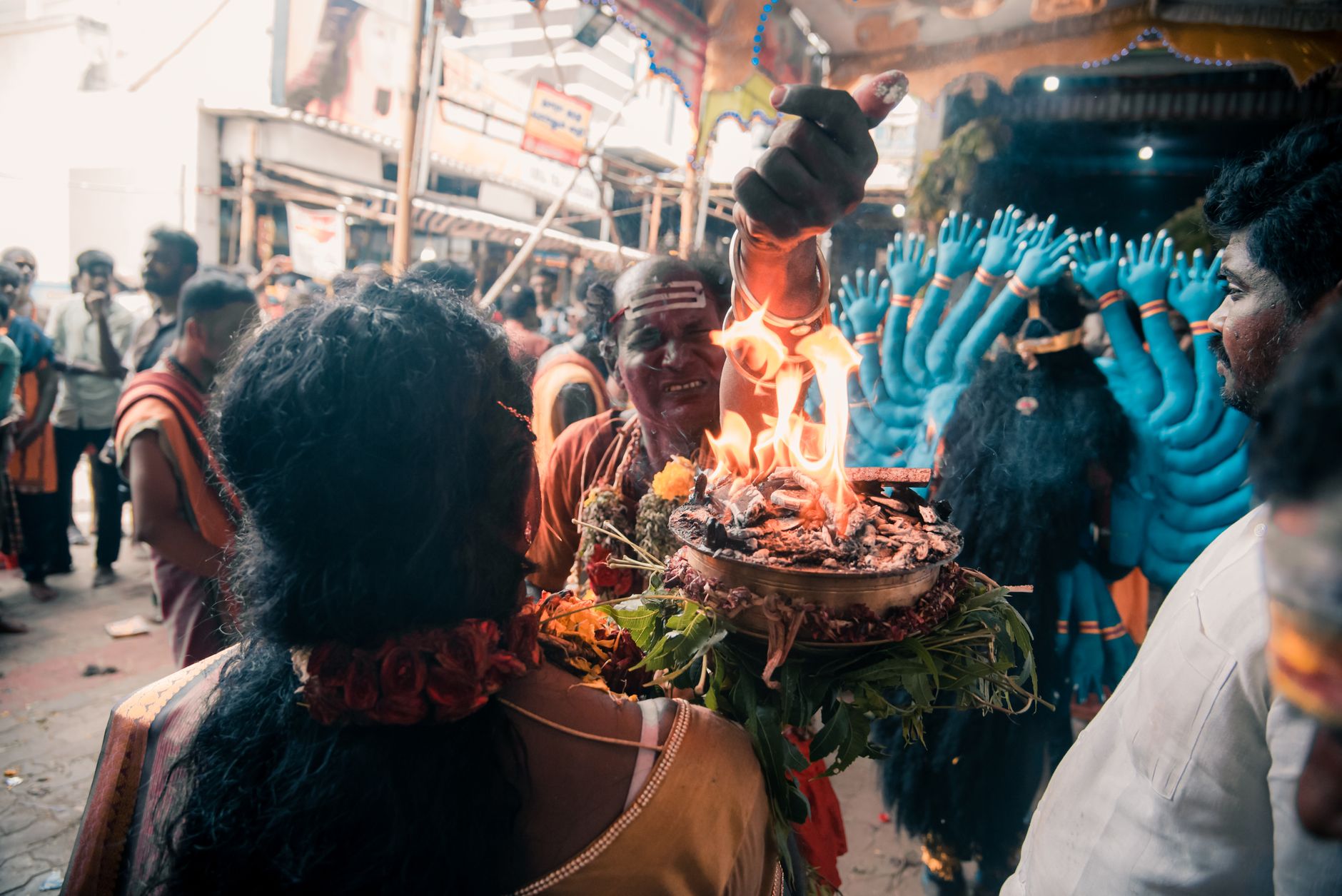 Tamil Homam Samagri Kit
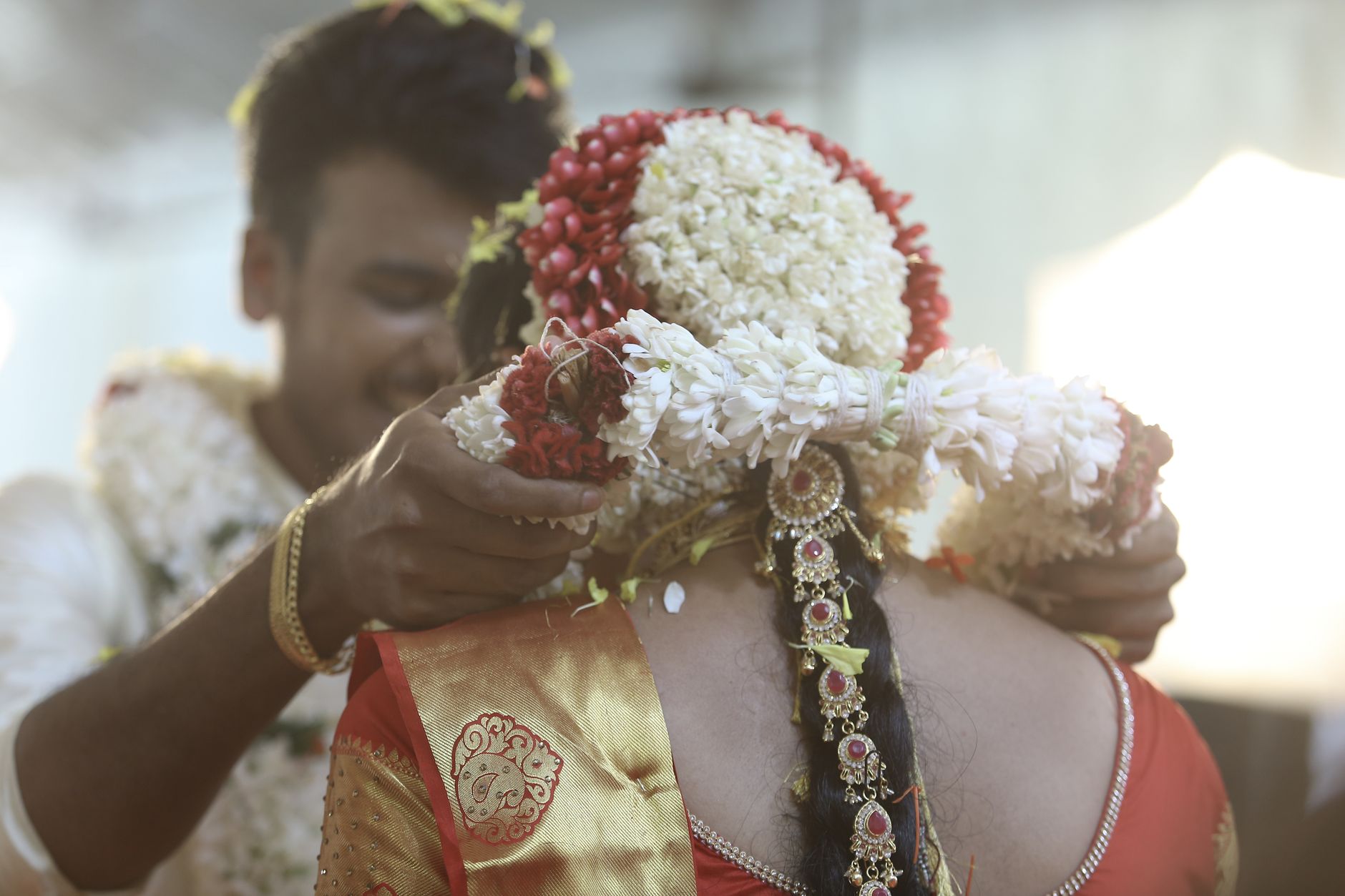
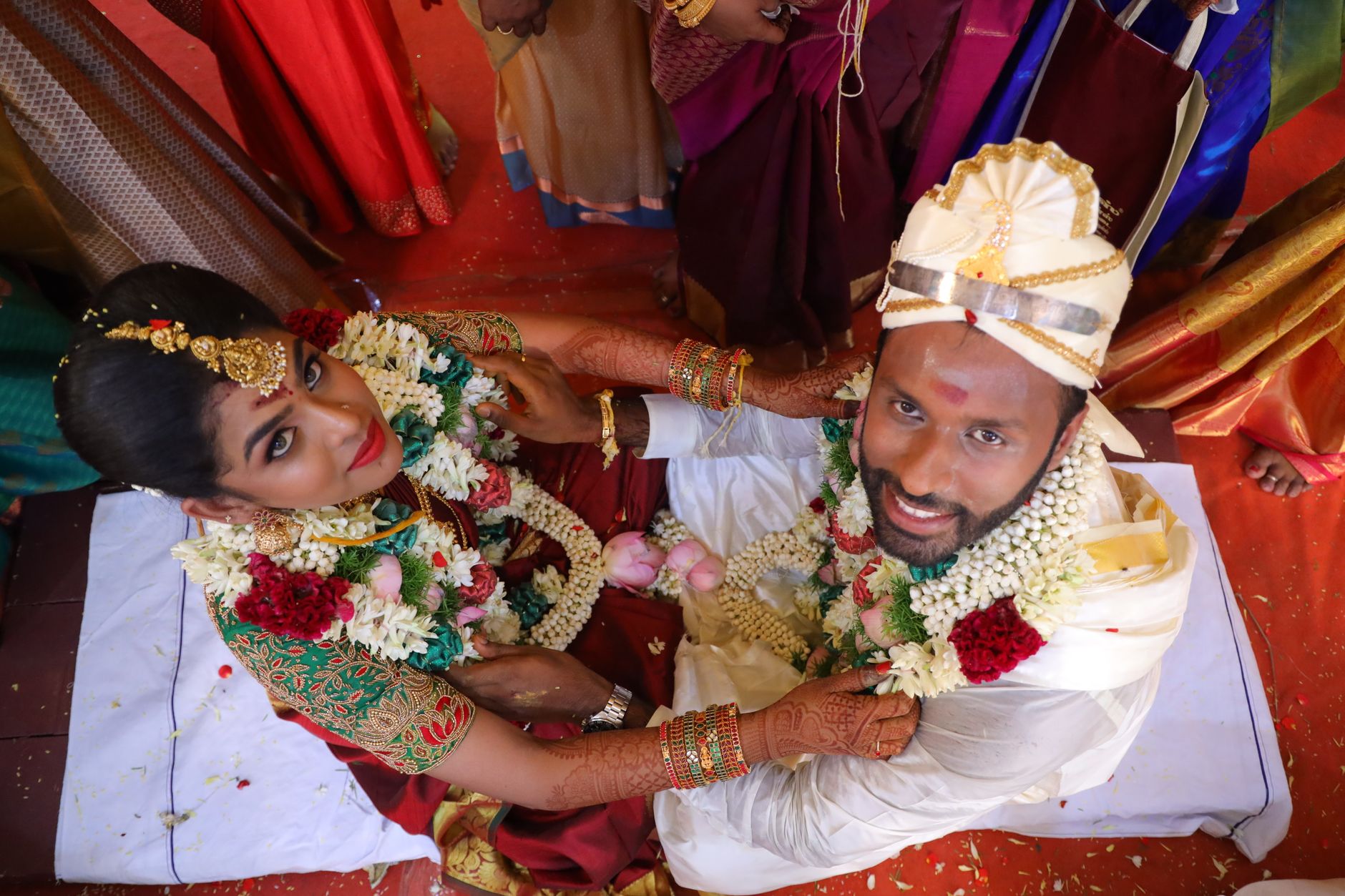 Tamil Marriage Garlands
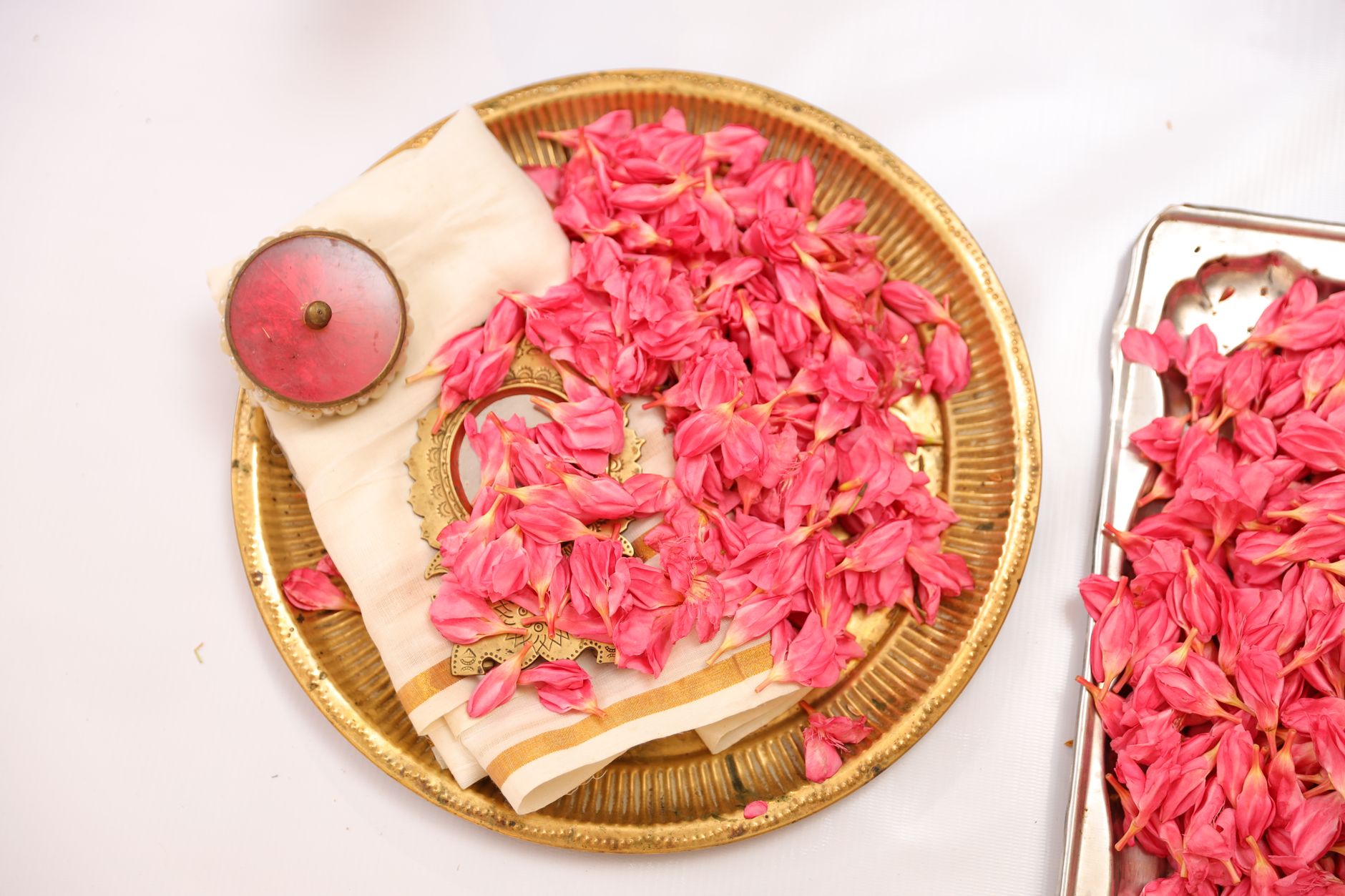 Telugu Pelli Plate Sets
- 400+Curated Events
- 6Event Universes
- 1000+Verified Vendors
- 70+Locations
- 24/7Customer Support


Not sure which packages fits your celebration?
Let Hiya & Hanu help you find the perfect match!
Explore Celebration Packages- AI-Powered MatchingSmart suggestions for you
- Budget OptimizerGet the best experiences in your budget
- End-to-End SupportWe are with you at every step
Serving Celebrations across 75+ locations in India
Curated Traditional Ceremony Services for Meaningful Celebrations
◆Traditional ceremonies bring together culture, family, rituals and meaningful moments. When every element is carefully selected and thoughtfully arranged, the celebration can feel both authentic and beautifully organised. Curated traditional ceremony services are designed for families who want their occasion to reflect their customs while also enjoying a well-planned and comfortable event experience.
A curated approach means giving attention to the details that genuinely matter. From selecting suitable traditional rituals and ceremony venues to arranging décor, flowers and guest facilities, each component can be considered as part of the overall celebration. Instead of relying on a generic event package, the planning can be shaped around the character, requirements and preferences of the occasion.
What Are Curated Traditional Ceremony Services?
Curated traditional ceremony services bring together carefully selected arrangements for a culturally meaningful celebration. The focus is on creating a balanced experience where traditional elements, practical event requirements and personal preferences work together.
Every ceremony can have different requirements. Some may focus heavily on sacred rituals, while others may include family traditions, cultural performances, traditional decoration and larger guest arrangements. A curated service takes these differences into account before planning the event.
This approach helps ensure that the celebration feels considered rather than standardised. Important traditions can remain central, while supporting arrangements are selected to complement them.
Creating a Personalised Ceremony Experience
Traditional celebrations often carry personal meaning for families. Certain rituals may have been followed for generations, while particular flowers, colours, decorative elements or ceremonial arrangements may hold special significance.
Personalised ceremony planning allows these preferences to become part of the event. The planning process can consider the purpose of the ceremony, family expectations, guest numbers, venue requirements and preferred visual style.
The result is a celebration that reflects the people hosting it rather than simply following a pre-designed format.
Selecting Meaningful Traditional Rituals
Rituals are often the heart of a traditional ceremony. Their sequence, timing and presentation may be important to the family and community.
A carefully curated ceremony begins by understanding which rituals are essential and how they should be incorporated into the event schedule. Appropriate ceremonial materials and spaces can then be arranged around these requirements.
Where a ceremony involves religious or culturally specific practices, families may also seek guidance from knowledgeable elders, religious representatives or appropriate cultural practitioners. Their involvement can help maintain respect for established customs.
Choosing the Right Ceremony Venue
A suitable venue provides the foundation for a successful celebration. The choice may depend on the type of ceremony, expected guest numbers, ceremonial requirements and desired atmosphere.
Traditional ceremonies may take place in homes, community halls, hotels, religious spaces, cultural venues or other suitable event locations. Each option offers different practical considerations.
The venue should provide adequate space for the main ceremony, family participation, guest seating and supporting arrangements. Accessibility, parking, lighting, electricity, ventilation and guest facilities should also be considered.
Careful venue selection allows the ceremony to take place comfortably without compromising its traditional character.
Curated Traditional Ceremony Decoration
Décor has an important role in establishing the atmosphere of a traditional celebration. Curated traditional decoration focuses on selecting elements that complement the ceremony rather than overwhelming it.
Traditional fabrics, floral arrangements, lamps, backdrops, entrance features and ceremonial settings can all be incorporated where appropriate. Colours can be chosen according to cultural preferences, family tastes or the overall event theme.
The decoration should support the ceremony and create a welcoming environment for guests. A carefully selected combination of traditional and contemporary elements can provide a polished appearance while maintaining cultural character.
Floral Arrangements for Traditional Celebrations
Flowers are closely associated with many traditional celebrations. They can be used to decorate entrances, ceremonial spaces, seating areas, stages and other important parts of the venue.
A curated floral plan considers the type of occasion, available flowers, preferred colours, seasonal considerations and overall decoration style. Rather than using flowers randomly throughout the venue, arrangements can be positioned where they have the greatest visual and ceremonial impact.
Fresh floral garlands, flower arrangements and decorative installations can help create a warm and distinctive setting while complementing other traditional elements.
Combining Tradition with Contemporary Comfort
Families may want their ceremony to remain traditional while also providing modern comforts for guests. This can include organised seating, professional lighting, clear signage, convenient guest facilities and well-managed event spaces.
A curated planning approach helps identify where contemporary services can support the ceremony without distracting from its cultural purpose.
The most successful celebrations often create a natural balance. Traditional rituals remain the centre of attention, while modern event planning makes the overall experience smoother for hosts and guests.
Family Involvement and Cultural Connection
Family participation can make a traditional ceremony especially meaningful. Different family members may have specific responsibilities connected with the rituals or preparations.
Planning these responsibilities in advance can help avoid confusion on the event day. It also gives family members an opportunity to participate confidently in important moments.
Traditional celebrations can also help younger generations understand family customs. Including appropriate family roles, traditional elements and meaningful explanations can create a stronger connection between generations.
Creating a Comfortable Guest Experience
A well-curated ceremony considers guests as well as the main hosts. Clear arrival arrangements, comfortable seating, suitable facilities and an organised schedule can make the event more enjoyable.
Guests should be able to understand where to go and where important parts of the ceremony are taking place. Larger celebrations may require additional attention to parking, entrance management, seating arrangements and movement between different areas.
Thoughtful guest planning allows everyone to participate in the celebration without unnecessary inconvenience.
Professional Ceremony Coordination
Traditional ceremonies can involve multiple suppliers and arrangements. Venue teams, decorators, florists, caterers, entertainers, photographers and ceremonial service providers may all need to work according to the same schedule.
Professional event coordination can bring these different requirements together. A coordinator can help confirm timings, communicate with suppliers and monitor important arrangements before and during the event.
This reduces the pressure on family members and allows them to concentrate on the ceremony and their guests.
Planning Different Types of Traditional Celebrations
Curated traditional ceremony services can be adapted to many occasions. Families may organise religious ceremonies, sacred gatherings, cultural celebrations, family milestones or other traditional events.
The scale and requirements of each occasion can vary considerably. An intimate family ceremony may require only a small ceremonial space and limited decoration, while a larger celebration may involve extensive venue styling and guest management.
The planning process should therefore begin with the purpose and scale of the occasion before individual services are selected.
Budget-Friendly Curation
A curated celebration does not necessarily require an extravagant budget. Careful selection can actually help families use their resources more effectively.
The most important ceremonial elements can be prioritised first. Supporting services such as décor, flowers, lighting and guest arrangements can then be selected according to their value and relevance to the occasion.
A clear budget also helps avoid unnecessary additions. By deciding which details matter most, families can create a celebration that feels complete without spending on elements that do not contribute significantly to the experience.
Planning the Ceremony Timeline
Timing is particularly important when a celebration involves several traditional rituals. A clear timeline can help family members, suppliers and guests understand how the event will progress.
The schedule should allow sufficient time for each important activity without making the celebration feel rushed. Supplier arrival, decoration completion, floral installation and guest seating should also be coordinated around the ceremony timetable.
Preparing the schedule in advance gives everyone a clearer understanding of their responsibilities.
Why Attention to Detail Matters
Small details can have a significant effect on the overall experience. The placement of ceremonial items, condition of décor, flower freshness, guest seating and timing of different services can all influence how smoothly the celebration runs.
Curated traditional ceremony services focus on these details because they contribute to the sense of care and preparation behind the event.
Good planning does not necessarily mean adding more elements. It means making thoughtful decisions about what should be included and ensuring that every important component has a clear purpose.
Choosing a Traditional Ceremony Service Provider
When choosing a service provider, families should consider experience, communication, flexibility and understanding of traditional celebrations.
A reliable provider should take time to understand the ceremony before recommending services. They should be able to explain available options clearly and coordinate with other suppliers where required.
It is also helpful to discuss the venue, ritual requirements, decoration preferences, floral arrangements, guest numbers and budget at an early stage. Clear expectations can help create a smoother planning process.
Making the Celebration Truly Personal
The most memorable traditional ceremonies often contain personal details. These may include family traditions, meaningful colours, preferred flowers, inherited ceremonial practices or special ways of welcoming guests.
A curated approach gives families the flexibility to include these details without losing the structure of the overall event.
Personal touches should complement the ceremony rather than compete with it. When selected carefully, they can make the occasion feel distinctive and emotionally meaningful.
Conclusion
Curated traditional ceremony services provide a thoughtful way to organise celebrations that respect culture while meeting modern event requirements. By carefully selecting rituals, venues, décor, floral arrangements and supporting services, families can create an occasion that feels authentic, organised and personal.
The value of curation lies in understanding what makes each celebration special. Instead of treating every event in the same way, the planning process can be shaped around the family's traditions, preferences, guest requirements and budget.
With professional coordination and careful attention to detail, traditional ceremonies can become memorable experiences that honour cultural values while providing a comfortable and welcoming environment for everyone involved.
Frequently Asked Questions
1. What are curated traditional ceremony services?
Curated traditional ceremony services involve carefully selecting and coordinating rituals, venues, décor, flowers and other event arrangements according to the specific needs of a traditional celebration.
2. How are curated ceremony services different from standard packages?
Curated services are tailored around the ceremony and family requirements rather than relying entirely on a fixed package. Individual elements can be selected according to cultural significance, preferences and budget.
3. Can traditional rituals be personalised?
Yes. Personal preferences can often be incorporated while retaining the essential customs and meaning of the ceremony. Families can discuss their requirements with knowledgeable service providers.
4. What décor works well for traditional ceremonies?
Traditional fabrics, fresh flowers, lamps, ceremonial backdrops, entrance decorations and culturally appropriate decorative elements can work well, depending on the type of ceremony.
5. Can modern décor be combined with traditional elements?
Yes. Contemporary décor can be blended with traditional elements when carefully planned. The important consideration is ensuring that modern additions support rather than overshadow the ceremony.
6. What should I consider when choosing a ceremony venue?
Consider the ceremony requirements, guest capacity, accessibility, parking, seating, lighting, electricity, ventilation and space required for rituals and family participation.
7. How far in advance should a traditional ceremony be planned?
Planning several weeks or months ahead is beneficial, especially for larger celebrations. Early preparation provides more time to secure venues, suppliers, decoration and other services.
8. Can curated traditional ceremony services work within a budget?
Yes. A curated approach can help prioritise essential elements and allocate the available budget more effectively across venue, rituals, décor, flowers and guest arrangements.
9. Why is professional coordination useful for traditional ceremonies?
Professional coordination helps manage suppliers, schedules, venue arrangements, decoration and other practical details. This allows the family to focus more on the ceremony and their guests.
10. Can curated traditional ceremony services be used for large celebrations?
Yes. They can be adapted for both intimate gatherings and larger celebrations. Larger events may require additional planning for venue capacity, guest movement, seating, suppliers and event scheduling.