
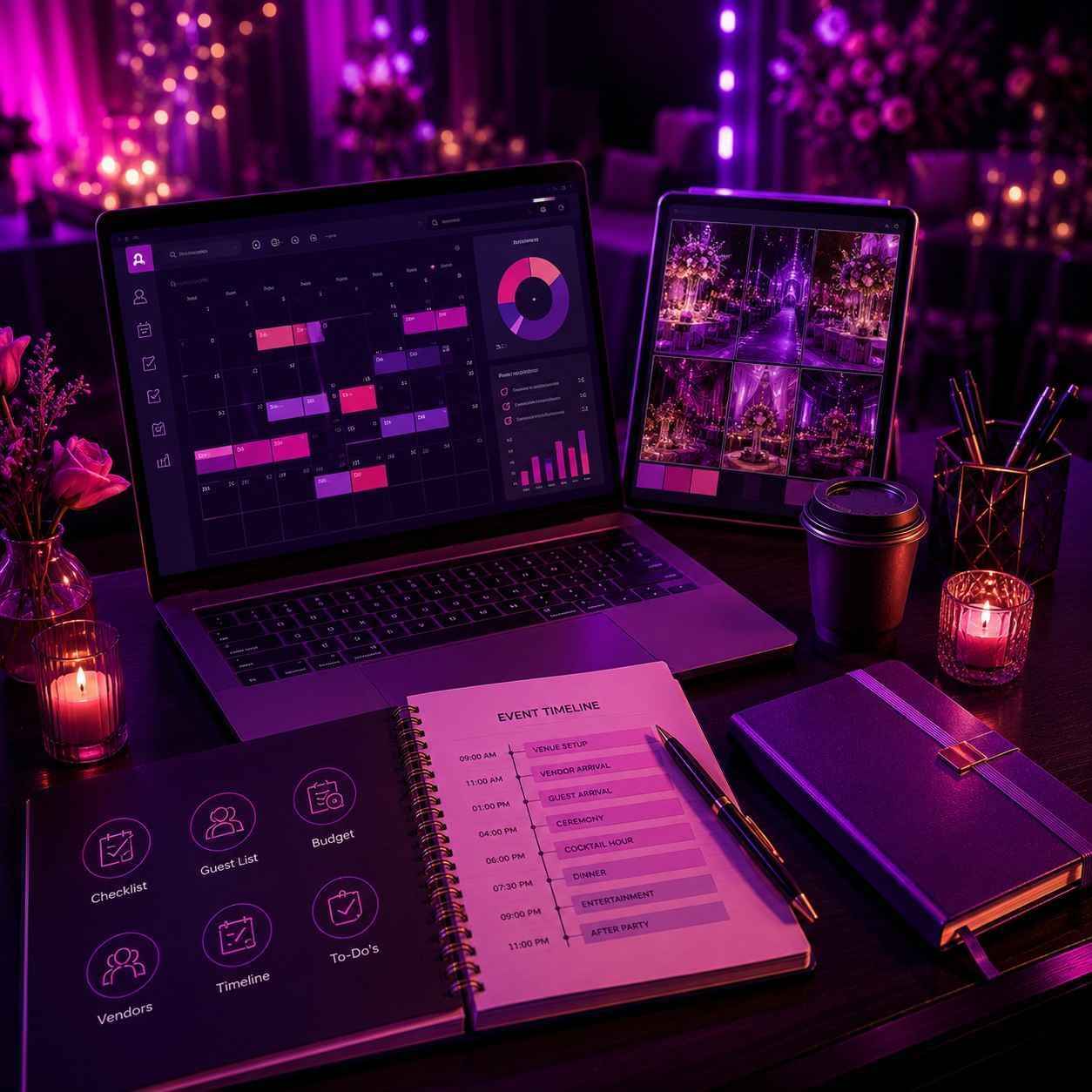
Explore All Planning Tools
Plan your wedding, party or special event with useful tools and resources that make organising every detail easier and more efficient.
Plan Better,
Celebrate with Happiffie
From organising your event details to managing budgets, guests, schedules and essential checklists, Happiffie brings useful planning tools together to make every celebration easier to plan and manage.
- Smart Planning ToolsOrganise important event details with easy-to-use planning tools
- Plan Your BudgetKeep track of event expenses and make informed planning decisions
- Ready-to-Use ChecklistsStay organised with practical checklists for every stage of your event







- 400+Curated Events
- 6Event Universes
- 1000+Verified Vendors
- 70+Locations
- 24/7Customer Support


Not sure which packages fits your celebration?
Let Hiya & Hanu help you find the perfect match!
Explore Celebration Packages- AI-Powered MatchingSmart suggestions for you
- Budget OptimizerGet the best experiences in your budget
- End-to-End SupportWe are with you at every step
Serving Celebrations across 75+ locations in India
Curated Digital Tools for Celebrations That Simplify Event Organisation
◆Modern celebrations involve more information than ever before. Hosts may communicate with suppliers online, compare venues, manage guest responses, track payments and coordinate schedules across different locations. Without a suitable system, these digital conversations can become difficult to organise.
Curated digital tools for celebrations provide a focused way to manage these requirements. Instead of using every available application, organisers can select resources that support the specific needs of their occasion.
In Kerala, this can be particularly useful for weddings, birthdays, corporate functions and private gatherings. Families may coordinate celebrations from different cities, while destination occasions can involve guests, venues and suppliers spread across several locations.
Digital organisation can bring these details together while allowing authorised people to access current information. When used thoughtfully, technology can reduce repetitive work and give organisers a clearer understanding of what still needs attention.
Understanding Curated Digital Planning
Digital planning does not simply mean transferring a paper checklist onto a screen. Its real value comes from connecting information that would otherwise remain separate.
A calendar can show when something needs to happen. A task system can show who is responsible. A shared document can hold important decisions, while a budget tracker can provide financial visibility.
Curated digital tools for celebrations bring these functions together according to the actual requirements of the occasion. A small birthday does not need the same digital structure as a large wedding.
The best approach begins with the celebration itself. Organisers can identify their key requirements and select digital resources that support those needs without creating unnecessary complexity.
Digital Tools for Kerala Weddings
Wedding preparation can continue for several months, making digital organisation particularly valuable. Venues, photographers, caterers, decorators, entertainment providers and hospitality teams may all need to be managed.
A shared digital workspace can keep important information accessible to family members and planners. Supplier details, appointments, payment stages and decisions can be recorded in one place.
Multi-function weddings benefit from separate schedules for individual ceremonies. These can remain connected to an overall wedding timeline, making it easier to understand how the different occasions fit together.
Destination weddings may require even more digital coordination. Guests travelling from different cities can receive accommodation information, transport details and venue directions through organised communication.
This creates a more consistent planning experience without requiring every participant to be physically present.
Supporting Birthday Celebrations
Digital tools can also simplify birthday preparation. The appropriate system depends on whether the occasion is a small family gathering, children's party or large milestone celebration.
For children's birthdays, organisers may need to coordinate invitations, entertainers, games, cake arrangements, catering, decoration and return gifts.
A digital task system can help track these requirements and assign responsibilities. Calendar reminders can also support supplier appointments and preparation deadlines.
Milestone birthdays may involve speeches, performances or surprise arrangements. These details can be recorded privately and shared only with the people who need access.
The important consideration is simplicity. A birthday celebration should not require an unnecessarily complicated digital management process.
Digital Support for Corporate Functions
Corporate celebrations often involve formal schedules and multiple stakeholders. Conferences, award functions, product launches, employee celebrations and office gatherings can all benefit from organised digital resources.
Attendee records can support registration and guest management. Shared schedules can help teams understand programme timings. Supplier records can keep technical, catering and venue information accessible.
Digital planning can also make internal responsibilities clearer. Different departments may handle registration, communications, hospitality or technical arrangements.
Keeping these responsibilities within a shared framework reduces the risk of duplicated work or missed tasks.
For smaller corporate functions, the same principles can be applied using a simpler set of resources.
Creating Shared Event Records
One of the strongest advantages of digital organisation is shared access. Several people can work from the same current information instead of maintaining separate copies.
This is particularly useful for family-organised celebrations. Parents, siblings, relatives and planners may all contribute to different areas of preparation.
A shared event record can contain important decisions, supplier contacts, schedules, guest requirements and outstanding tasks.
Access should still be controlled carefully. Not every participant needs access to every piece of information, particularly when financial or personal details are involved.
Keeping information organised and appropriately shared creates a more reliable preparation environment.
Managing Digital Task Lists
A task list provides the foundation for most digital planning systems. However, an effective task list should reflect the actual celebration rather than contain generic actions.
Early tasks may include venue selection and major supplier bookings. Later tasks can cover menu confirmation, guest communication, décor decisions and final checks.
Responsibilities can be assigned to specific people where appropriate. This reduces uncertainty about who should complete an action.
Task status can also provide a quick view of progress. Completed items can remain available for reference, while pending tasks receive greater attention.
The system should be reviewed regularly. Outdated tasks can make digital planning less useful, so information needs to remain current.
Organising Supplier Information Online
Supplier conversations can generate large amounts of information. Quotes, service descriptions, appointment dates, contact details and payment arrangements may arrive through different channels.
A central digital supplier record can bring these details together. Organisers can record the service being provided, agreed requirements and important dates.
This can be especially valuable when several suppliers depend on one another. A decorator may require venue access before catering setup begins, while an entertainment provider may need technical support.
Recording these relationships digitally allows organisers to identify possible timing conflicts earlier.
It also makes supplier follow-up more efficient because relevant information can be reviewed before contacting a service provider.
Digital Budget Management
Financial organisation is an important part of celebration preparation. Digital budget tools can help hosts record estimated costs, confirmed commitments and payments.
Expenses may include venue hire, catering, décor, photography, entertainment, transportation and accommodation.
A digital budget can be updated whenever a supplier is booked or a payment is made. This creates a more current picture of overall spending.
Families sharing costs can also benefit from shared financial visibility, provided access is limited to appropriate participants.
The objective is not to monitor every minor expense obsessively. It is to maintain enough information to make responsible decisions before additional commitments are made.
Managing Guest Information Digitally
Guest lists can change considerably between the first invitation and the final celebration. Digital records make it easier to update attendance information as responses arrive.
Depending on the event, organisers may also need to record dietary requirements, accommodation, transportation and seating preferences.
For destination celebrations in Kerala, digital communication can be particularly useful. Guests travelling from other cities can receive timely information about locations, accommodation and transport.
Families with children and older guests may require additional arrangements. Recording these requirements early gives service providers time to prepare.
Guest information should always be handled responsibly. Personal details should only be shared with people who genuinely need them for celebration-related purposes.
Managing Digital Invitations and Responses
Digital communication can simplify invitations and attendance tracking. Hosts can send event information, receive responses and communicate important updates without repeatedly contacting each guest individually.
This can be especially useful when the guest list is large or geographically dispersed.
However, digital invitations should still reflect the tone of the occasion. Weddings and milestone celebrations may require more personalised communication than informal gatherings.
Important information such as venue location, timings and accommodation details should remain easy to find.
A central event information page or shared record can help reduce repeated questions from guests.
Connecting Venue and Event Information
Venue selection affects many other aspects of celebration planning. Capacity, layout, access, facilities and restrictions can influence décor, catering, entertainment and guest movement.
Digital records can keep venue information alongside these related requirements.
Indoor celebrations may need information about room configuration, audio facilities, lighting and air conditioning. Outdoor functions may require details concerning weather contingencies, power and temporary structures.
Kerala's varied celebration venues make this flexibility valuable. Resorts, gardens, waterfront settings and banquet properties may each require different preparations.
Digital documentation ensures that these details remain available to the relevant planning team.
Building a Digital Celebration Schedule
A digital schedule provides a live view of preparation and event-day activities. Unlike a static printed schedule, it can be updated when timings change.
This is useful when supplier appointments move or guest numbers affect the programme.
For weddings, individual ceremonies can have their own schedules while remaining connected to the larger celebration timeline.
For corporate functions, presentations, registrations and formal sessions may require precise timing.
Event-day schedules should also include reasonable contingency time. Digital flexibility makes it easier to adjust arrangements without recreating the entire schedule.
Using Technology Without Creating Complexity
Technology should make planning easier, not create another source of stress. Using too many applications can scatter information across multiple locations.
A curated approach avoids this problem by giving each digital resource a clear role.
One system may handle tasks, another may manage calendars, and a shared document may contain important reference information. The exact combination should depend on the occasion.
Consistency matters more than quantity. A small number of well-maintained tools can provide greater value than numerous applications that are rarely updated.
Organisers should periodically review their digital setup and remove anything that no longer contributes to the preparation process.
Digital Organisation for Multi-Day Celebrations
Multi-day celebrations create additional information requirements. Weddings may involve separate venues, ceremonies, supplier teams and guest arrangements across several days.
A digital master schedule can provide an overall view, while individual schedules can manage each function.
Accommodation and transportation information can also be connected to the relevant guest groups.
This makes it easier for planners and family members to understand the relationship between different days.
Digital handover notes can also help when different people manage different functions. Each person can see what has already been confirmed and what still requires attention.
Supporting Outdoor Celebrations
Outdoor celebrations require additional preparation because weather and site conditions can change.
Digital planning records can include alternative arrangements, supplier contacts, power requirements and backup spaces.
Weather-related decisions can then be communicated quickly to the relevant teams if circumstances change.
For garden, resort or waterfront celebrations, organisers can also record setup access, temporary structures and guest movement considerations.
This does not guarantee that every unexpected situation will be avoided. It simply makes the response more organised when changes become necessary.
Protecting Important Celebration Information
Digital convenience should always be balanced with sensible information management. Guest records, payment information and supplier details may contain information that should not be widely shared.
Access should therefore be limited according to responsibility. People should receive only the information they need.
Organisers should also avoid maintaining sensitive information in unnecessary locations. Keeping records consolidated can reduce the number of places where important details are stored.
This is particularly relevant for professional planners managing information on behalf of clients.
Good digital organisation therefore includes both accessibility and discretion.
Creating a Better Planning Experience
The best digital systems reduce repetitive work. Instead of repeatedly searching for a supplier's contact number or asking whether a payment has been completed, organisers can refer to the current record.
This saves time and reduces unnecessary communication.
Shared visibility can also make collaboration easier. Family members can understand their responsibilities, while planners can maintain a broader overview.
Guests can receive accurate information without requiring the host to answer the same questions repeatedly.
These small improvements can have a significant effect as the celebration date approaches.
Preparing for Final Confirmation
The final stage of digital planning should focus on confirming the essentials. Supplier arrival times, final guest numbers, menus, seating, payments and event-day schedules can be reviewed together.
A digital dashboard or consolidated record can make this review more efficient.
Outstanding tasks should be clearly identified, while completed arrangements remain available for reference.
This helps the organiser concentrate on genuine gaps rather than repeatedly reviewing information that is already settled.
A final digital review can therefore provide greater confidence before the celebration begins.
Selecting the Right Digital Approach
The right digital setup depends on the celebration's size and complexity.
A small birthday may require only a guest list, calendar and simple budget record. A large wedding may need shared schedules, supplier management, accommodation records and detailed task tracking.
Corporate functions may require stronger attendee and programme management. Private parties can often use a lighter structure focused on suppliers and hospitality.
There is no universal digital system that suits every occasion. The most effective approach is one that is relevant, accessible and easy to maintain.
Combining Digital Organisation With Human Expertise
Technology can improve organisation, but it does not replace human judgement. Suppliers still need clear communication, venues require practical understanding and families may need help resolving competing preferences.
Digital tools provide visibility while experienced planners and service professionals provide context.
This combination can be particularly valuable for complex Kerala celebrations where traditions, hospitality and modern services need to work together.
Organisers can use digital systems to keep information structured while relying on people to make decisions and solve practical challenges.
The result is a more balanced approach to celebration management.
Creating More Confident Celebrations
Curated digital tools for celebrations offer a practical way to manage modern event preparation. They bring tasks, suppliers, budgets, guests, schedules and venue information into a more accessible framework.
For Kerala weddings, birthdays, corporate functions and private occasions, digital organisation can reduce repetitive work and improve collaboration.
The goal should not be maximum technology. It should be meaningful technology that supports the celebration without distracting from it.
When the right digital resources are selected and maintained consistently, hosts can spend less time searching for information and more time focusing on their guests.
A well-organised digital foundation ultimately creates greater confidence. It allows celebrations to retain their personality and warmth while giving organisers the structure needed to manage complex preparation.
Frequently Asked Questions
1. What are curated digital tools for celebrations?
They are selected online resources that help manage relevant celebration requirements such as tasks, suppliers, budgets, guests, schedules and venue information.
2. Can digital tools help organise Kerala weddings?
Yes. They can support ceremony schedules, supplier records, guest communication, accommodation, transportation, payments and other wedding arrangements.
3. Are digital planning tools useful for birthday parties?
Yes. They can help organise invitations, guest responses, entertainment, cake arrangements, catering, decoration and activity schedules.
4. Can corporate celebrations use digital management tools?
Certainly. Digital resources can support registration, attendee information, programme scheduling, catering, technical requirements and internal responsibilities.
5. How do digital tools help manage suppliers?
They can keep supplier contacts, service requirements, appointments, payment information and agreed deliverables in one accessible record.
6. Can digital tools help control celebration spending?
Yes. Digital budget records can track estimated costs, confirmed commitments, payments and outstanding balances throughout preparation.
7. Is it better to use many digital planning applications?
Not necessarily. A smaller collection of well-maintained resources is often easier to manage than numerous disconnected applications.
8. Can digital tools manage guest information?
Yes. They can support attendance records, dietary requirements, accommodation, transportation and seating information, provided personal details are handled appropriately.
9. Are digital tools useful for destination celebrations?
Yes. They can make accommodation information, transport details, venue directions and multi-day schedules easier to share with guests and planning teams.
10. What is the main benefit of curated digital celebration tools?
The main benefit is focused organisation. They help hosts access relevant information quickly, coordinate responsibilities and manage changes without creating unnecessary complexity.