

Discover Travel & Transport Options
Discover reliable mobility options for weddings, parties, corporate gatherings and celebrations across Chennai
Travel Smarter,
Move Better with Happiffie
From guest arrivals to the final drop-off, Happiffie helps you discover, compare and arrange travel, transport and mobility services in Chennai that fit your event, schedule, group size and comfort needs.
- Smart Travel DiscoveryFind suitable transport options for events, celebrations and group journeys
- AI-Powered RecommendationsGet personalised mobility matches based on your route, timing and requirements
- Trusted Transport NetworkConnect with verified travel and vehicle service providers for your occasion
Travel & Transport Services
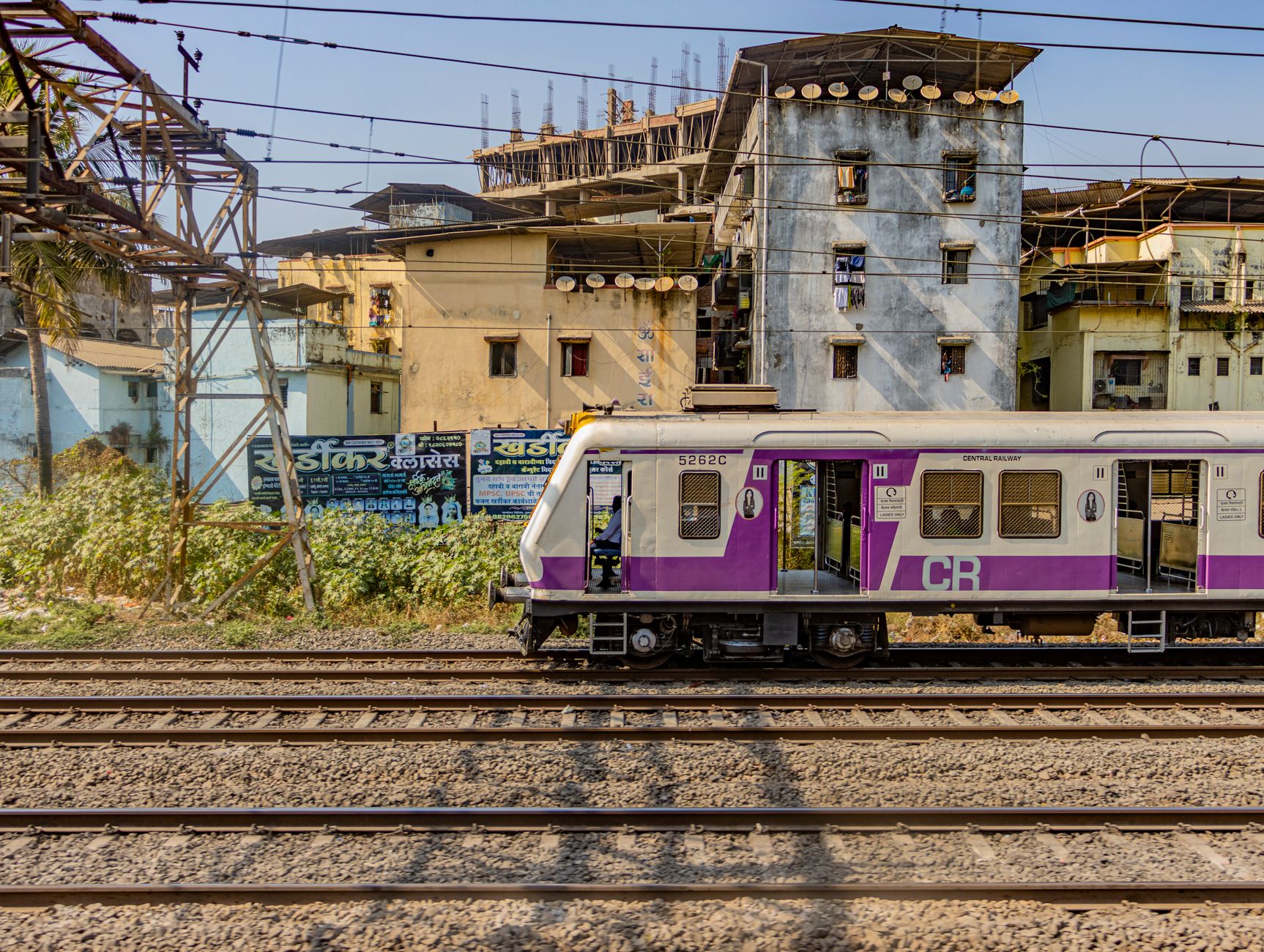 Air Conditioned Van Hire
 Celebration Fleet Rental
 Chauffeur Luxury Fleet
 Convention Buggy Service
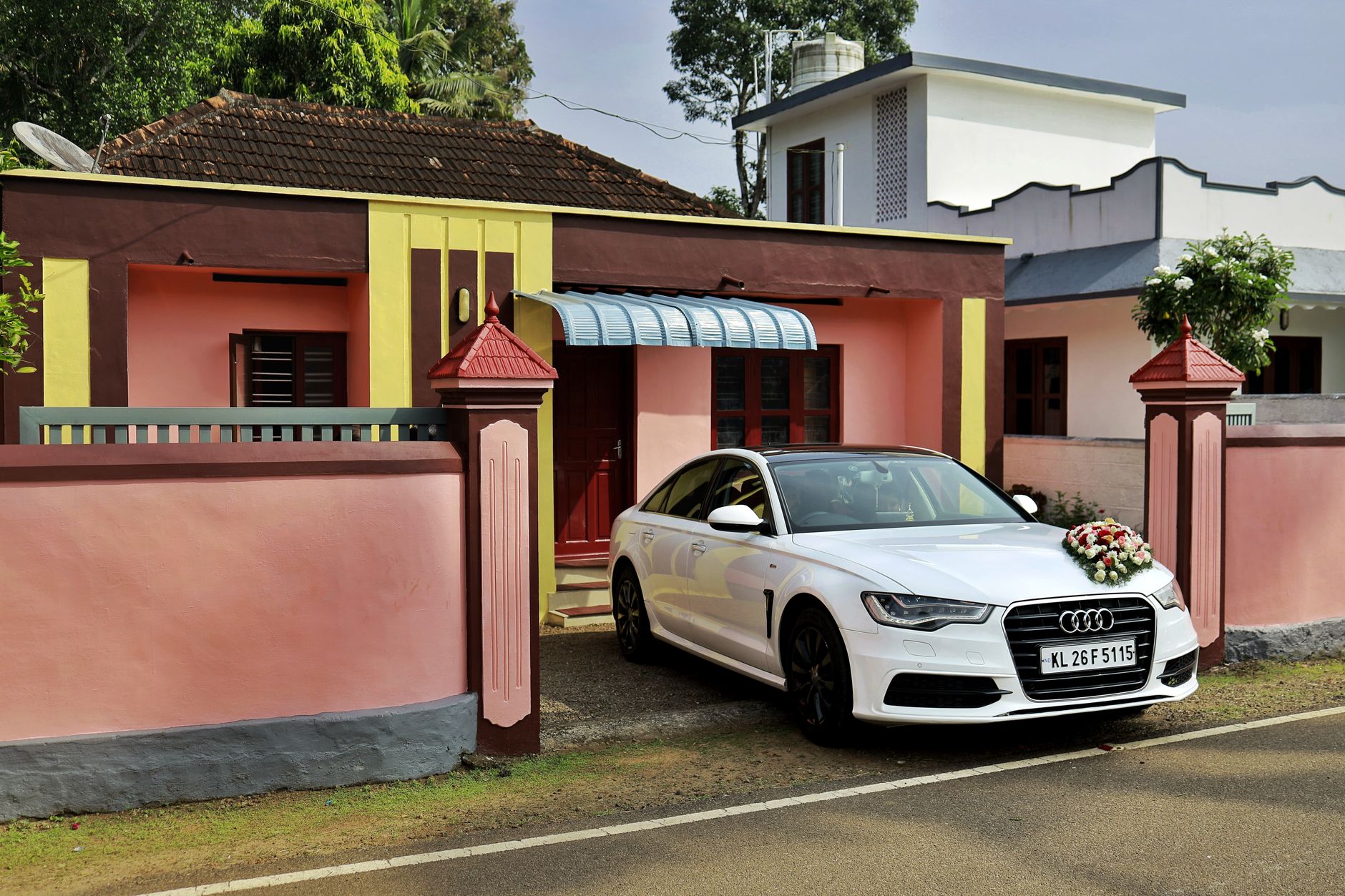 Crew Transport Management
 Customized Baraat Vehicle
 Desert ATV Rental
 Full Aircraft Booking
 Ghodi Procession Package
 Heritage Property Car Hire
 Honeymoon Transfer Service
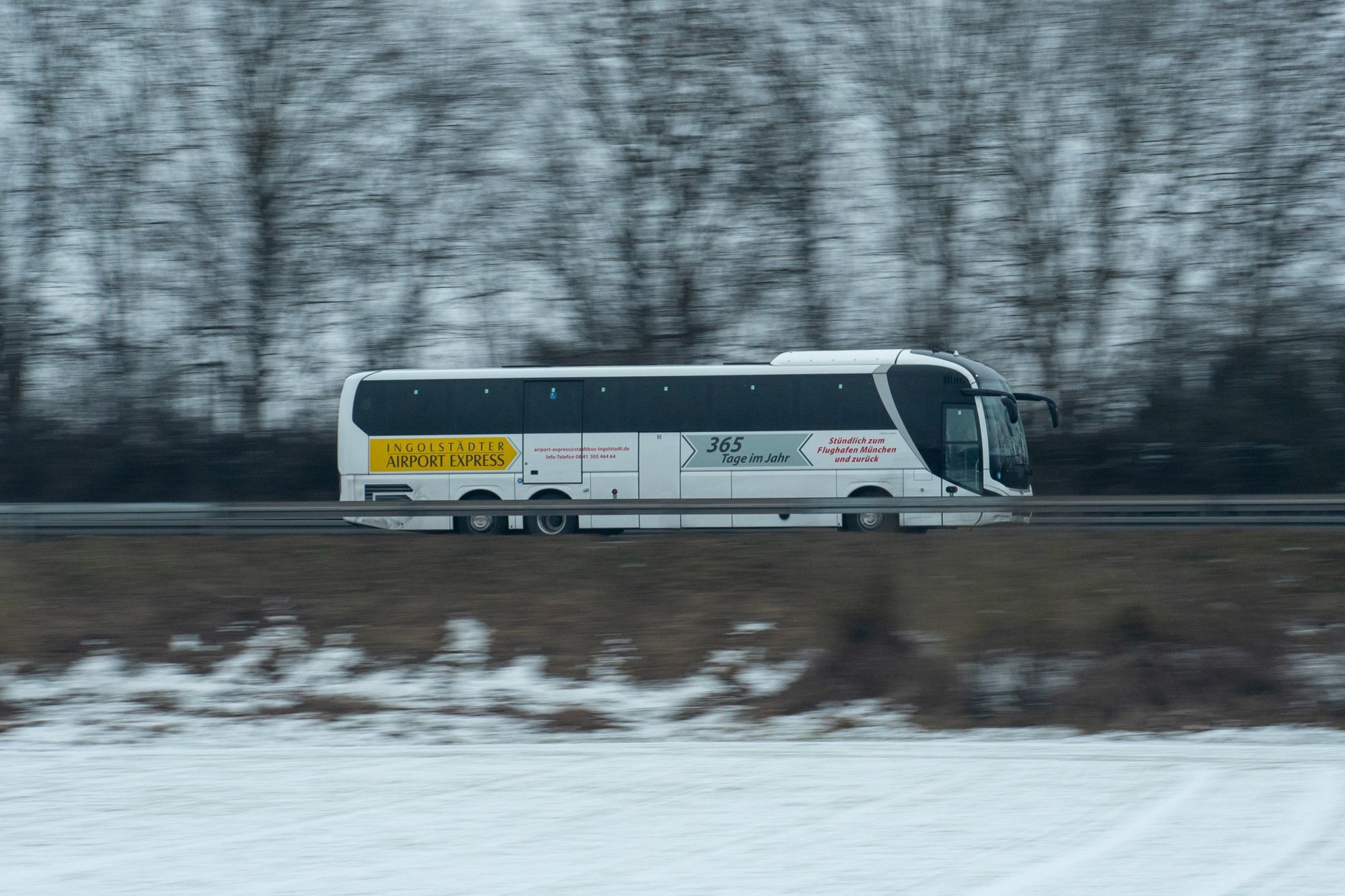 Intercity Guest Coach
 Large Gathering Valet
 Luggage Identification Service
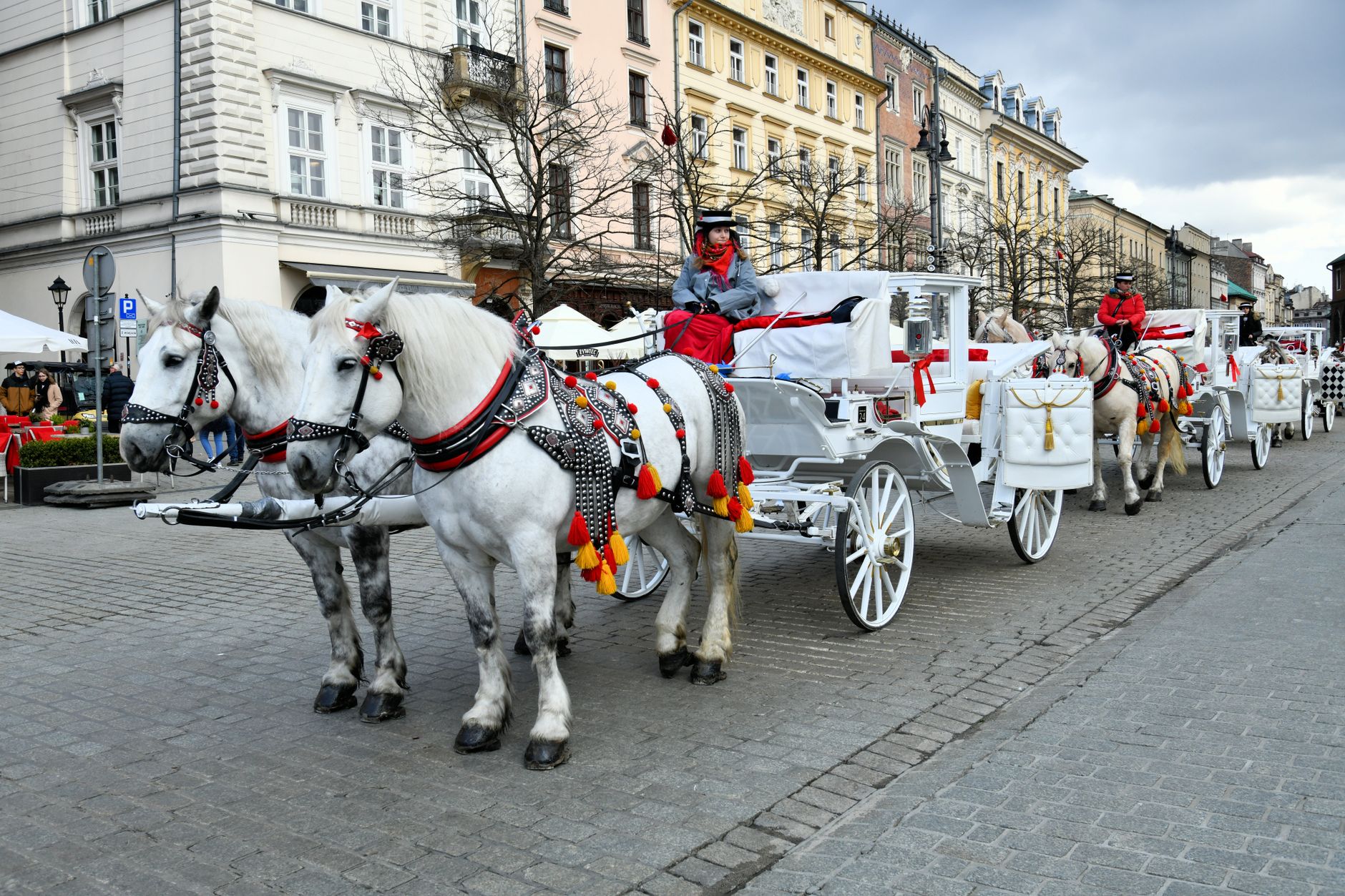 Marriage Procession Carriage
 Multi Currency Travel Card
 Multi Venue Shuttle
 NRI Guest Flight Booking
 NRI Guest Travel Assistance
 Outdoor Function Caravan
 VIP Guest Helicopter
- 400+Curated Events
- 6Event Universes
- 1000+Verified Vendors
- 70+Locations
- 24/7Customer Support


Not sure which packages fits your celebration?
Let Hiya & Hanu help you find the perfect match!
Explore Celebration Packages- AI-Powered MatchingSmart suggestions for you
- Budget OptimizerGet the best experiences in your budget
- End-to-End SupportWe are with you at every step
Serving Celebrations across 75+ locations in India
Complete Guest Travel and Transport for Smooth Celebration Journeys
◆Guest movement can shape the overall experience of a celebration. When arrivals, transfers and departures are planned carefully, guests can focus on enjoying the occasion rather than worrying about routes, timings or unfamiliar surroundings. In Bekal, this becomes particularly relevant for destination weddings, family gatherings, corporate retreats and private celebrations involving guests travelling from different cities.
Complete guest travel and transport brings these requirements together through coordinated movement between arrival points, accommodation, venues and planned activities. Instead of arranging every journey separately, organisers can create a connected transport plan that considers guest numbers, arrival schedules, vehicle requirements and destination logistics.
Bekal offers a distinctive setting for celebrations, with coastal landscapes, resorts and heritage attractions creating opportunities for destination-style events. Guests may arrive through nearby airports or railway connections before continuing towards their accommodation. A well-designed transport arrangement helps connect these stages smoothly.
Understanding Guest Travel Requirements
The first stage of transport planning is understanding how guests will reach the destination. Different groups may arrive at different times, using flights, trains, private vehicles or other travel options.
Complete guest travel and transport can account for these differences by creating arrival windows rather than relying on one fixed transfer. Guests arriving in the morning may require an immediate hotel transfer, while others may arrive later and need separate vehicles.
This approach becomes especially useful for weddings where family members, friends and relatives travel from several locations. Keeping a central schedule helps organisers understand which guests need pickups, which vehicles are assigned and when transfers are expected.
Accommodation should also be considered. If guests are staying across multiple properties, transport routes need to connect these locations efficiently with the main celebration venue.
Airport and Railway Transfers
Arrival transfers are often the first transport service guests experience after reaching the region. A reliable pickup process can immediately make the journey feel more organised.
Guests may arrive through Kannur International Airport or nearby railway stations before continuing towards Bekal. Travel arrangements can include pre-assigned vehicles, designated pickup points and clear communication about meeting locations.
For airport transfers, flight arrival times should be tracked during the planning stage. Delays can affect vehicle schedules, especially when several guests are sharing the same transfer.
Railway arrivals require similar coordination. Train schedules, coach positions and passenger numbers can be incorporated into the transport plan so that drivers know when and where to meet each group.
Destination Wedding Transportation
Destination weddings require more than simple arrival and departure transfers. Guests may need transportation across several days, particularly when the wedding includes multiple functions.
A complete guest travel and transport plan can connect hotels with venues for mehndi ceremonies, haldi functions, wedding rituals, receptions and post-wedding gatherings. Additional transfers may also be needed for welcome dinners or local experiences.
Timing is important because wedding programmes often involve large groups moving together. Vehicles should arrive early enough to accommodate boarding without creating unnecessary waiting periods.
Families and elderly guests may require additional attention. Comfortable vehicles, shorter walking distances and suitable pickup locations can make a noticeable difference to the overall experience.
Hotel to Venue Transfers
The journey between accommodation and the celebration venue is one of the most frequently repeated transfers during multi-day events.
Transport schedules should reflect the actual event programme. If a ceremony begins at a specific time, vehicles need to arrive at accommodation properties with sufficient boarding time. Return transfers should also consider when guests are likely to leave rather than following a rigid timetable.
For larger celebrations, shuttle-style movement can simplify transportation. Vehicles can operate between designated hotels and the venue at planned intervals, allowing guests greater flexibility.
Smaller celebrations may benefit from individual cars or family-sized vehicles. The choice depends on guest numbers, accommodation locations and the level of convenience expected.
Group Transport for Large Guest Lists
Large guest groups require careful vehicle allocation. A single transport plan may include sedans, SUVs, tempo travellers, minibuses or larger coaches.
Vehicle selection should consider group size and luggage requirements. Airport arrivals often involve suitcases, while wedding transfers may require additional personal belongings or traditional attire.
Comfort also matters during longer journeys. Spacious seating, air conditioning and adequate luggage capacity can make transfers more pleasant, particularly for guests unfamiliar with the destination.
Rather than assigning vehicles only according to headcount, organisers should consider family groups and guest relationships. Keeping related guests together can make boarding easier and simplify communication.
Local Travel During the Celebration
Guests attending a destination celebration may also want to explore the surrounding area. Bekal's coastal setting and heritage attractions can make local excursions an appealing addition to the itinerary.
Transport can therefore extend beyond wedding or event transfers. Organisers may arrange vehicles for sightseeing, group lunches, family outings or scheduled leisure activities.
These journeys should be separated from essential event transfers wherever possible. This helps prevent delays if an optional excursion takes longer than expected.
A dedicated local travel schedule can also give guests more independence while maintaining overall coordination.
Transport for Corporate Retreats
Corporate gatherings often involve employees, clients or partners travelling from different locations. Efficient transport can help maintain punctuality across meetings, workshops, dinners and team activities.
Complete guest travel and transport can support airport pickups, hotel transfers, conference venue movement and organised local activities. A central schedule allows event managers to coordinate several vehicles without repeatedly contacting individual guests.
Corporate groups may also have different arrival times. Some participants might arrive a day early, while others may travel on the main event day. Transport arrangements should reflect these variations.
For formal business events, vehicle presentation and punctuality can also contribute to the professional character of the gathering.
Accessibility and Guest Comfort
Transport planning should account for guests with different mobility requirements. Elderly relatives, young children and guests carrying additional luggage may require more suitable vehicle arrangements.
Pickup points should be positioned where guests can board comfortably. Avoiding unnecessary walking distances is especially useful at airports, railway stations, resorts and large venues.
For guests travelling with children, appropriate seating and sufficient luggage space can make transfers easier. Families should ideally receive clear information before travel so they understand pickup arrangements.
Comfort extends to waiting times as well. Long periods between arrival and transport can create unnecessary inconvenience, so transfer schedules should be designed around realistic arrival windows.
Managing Wedding Guest Pickups
Guest pickups become easier when information is collected before the event. Organisers can record arrival dates, approximate times, transport preferences, accommodation details and group relationships.
This information allows vehicles to be assigned efficiently. It also helps identify guests who arrive together and can share transportation.
Communication should remain simple. Guests can receive clear pickup instructions, vehicle details and contact information before travelling. On arrival, designated coordinators can help direct guests towards the appropriate vehicle.
For large weddings, having a transport coordinator or dedicated support team can reduce confusion at busy arrival points.
Planning Departure Transfers
Departure arrangements deserve the same attention as arrivals. Guests may leave at different times depending on flight schedules, train timings and personal travel plans.
A complete guest travel and transport schedule can include checkout timings, luggage collection, vehicle assignments and departure windows. This makes the final stage of the celebration more comfortable.
Morning departures often require earlier vehicle coordination, particularly when guests have long journeys ahead. Organisers should avoid scheduling vehicles too close to accommodation checkout or departure times.
For shared transfers, the schedule should balance efficiency with guest convenience. Waiting too long for another passenger can create unnecessary stress, while sending multiple nearly empty vehicles can increase costs.
Coordinating Drivers and Vehicles
Professional coordination is essential when multiple vehicles operate simultaneously. Drivers should have the correct venue addresses, accommodation details and pickup instructions.
A central transport schedule can reduce confusion when timings change. It also gives event managers a clear overview of vehicles currently assigned to different guest groups.
Drivers should receive updated instructions if there are changes to venue timings or accommodation arrangements. Consistent communication helps avoid missed pickups and unnecessary delays.
Vehicle condition should also be considered. Clean interiors, functioning air conditioning and adequate luggage space are particularly important for destination events.
Building a Practical Transport Schedule
A good transport schedule should be detailed without becoming difficult to manage. Each transfer should have a clear origin, destination, approximate departure time, passenger group and assigned vehicle.
Wedding events often involve several simultaneous movements. For example, one vehicle group may transport guests to a morning ceremony while another handles airport arrivals.
Allowing reasonable buffer time is important. Traffic, boarding delays, luggage collection and venue access can all affect journey duration.
The schedule should also have contingency arrangements. Backup vehicles or alternative transfer options can be useful when unexpected delays occur.
Balancing Convenience and Budget
Transport costs depend on vehicle type, distance, number of journeys, operating hours and additional requirements. A thoughtful plan can balance comfort with practical spending.
Shared transfers can be efficient for larger groups travelling along similar routes. Individual cars may be more suitable for VIP guests, elderly family members or guests with unusual schedules.
Multi-day events may benefit from negotiated vehicle packages rather than arranging individual journeys separately. However, the final choice should consider actual usage rather than simply selecting the largest package.
Clear pricing should include relevant charges such as driver allowances, waiting periods, tolls and additional operating hours where applicable.
Booking Guest Transport in Advance
Destination events benefit from early transport planning because vehicles may become limited during busy periods. Advance booking provides time to understand guest requirements and coordinate accommodation details.
The booking process should establish vehicle categories, operating dates, expected hours and route requirements. Any airport or railway pickup arrangements should also be documented.
As the event approaches, guest arrival information should be updated. Changes are common, especially when flights or trains are rescheduled.
A final transport review shortly before the event helps ensure that vehicle allocations still match the latest guest list.
Creating a Connected Guest Experience
Travel and transport should work alongside other event services. Accommodation, catering, venue teams, photography and event coordination all depend on guests arriving at the right place at the right time.
When transport is properly integrated, the entire celebration feels more connected. Guests can move from arrival points to hotels, venues and activities without repeatedly arranging their own journeys.
This is particularly valuable in destination celebrations, where guests may be unfamiliar with the area. Clear coordination reduces uncertainty while allowing hosts to focus on the main occasion.
Complete Guest Travel and Transport in Bekal
Bekal provides an attractive environment for destination celebrations, but successful guest movement requires careful preparation. Arrival points, accommodation, venues and local activities may all form part of the same travel plan.
Complete guest travel and transport brings these requirements into one coordinated system. From airport and railway transfers to hotel shuttles, local journeys and final departures, each stage can be planned around actual guest needs.
The most effective arrangements combine reliable vehicles, realistic schedules, clear communication and suitable contingency planning. With these elements in place, guests can enjoy the celebration with greater comfort and confidence from arrival through departure.
FAQs
1. What does complete guest travel and transport include?
It can include airport and railway pickups, hotel transfers, venue shuttles, local journeys, sightseeing transfers and departure transportation. Services can be adapted to the event schedule.
2. Is guest transport important for destination weddings in Bekal?
Yes. Destination weddings often involve guests arriving from different locations and staying across one or more properties. Coordinated transport helps connect accommodation with wedding venues and activities.
3. Can airport transfers be arranged for wedding guests?
Yes. Airport transfers can be planned according to individual flight schedules, passenger groups and accommodation locations. Shared or private vehicles can be considered based on requirements.
4. Can railway station pickups be included?
Yes. Railway arrivals can be incorporated into the wider transport schedule. Passenger numbers, train timings, luggage requirements and accommodation details can help determine vehicle allocation.
5. What vehicles are suitable for wedding guest transportation?
Depending on group size, options can include cars, SUVs, tempo travellers, minibuses and larger coaches. Vehicle selection should consider passenger capacity, luggage and journey distance.
6. Can transport be arranged for several wedding functions?
Yes. Multi-day transport can connect guests with mehndi, haldi, wedding ceremonies, receptions, dinners and other scheduled activities. Separate transfer windows can be created for each function.
7. How can elderly guests receive more comfortable transportation?
They can be assigned vehicles with easier boarding, comfortable seating and shorter walking distances. Their accommodation and venue access requirements should be considered when planning transfers.
8. Can guest transport include local sightseeing?
Yes. Optional vehicles can be arranged for sightseeing, family outings, group lunches and other activities. These journeys should be scheduled separately from essential event transfers.
9. When should guest transportation be booked?
For destination celebrations, early planning is advisable, particularly during busy wedding and holiday periods. Final guest arrival information can then be updated closer to the event.
10. How can I organise complete guest travel and transport in Bekal?
Start by preparing the guest list, arrival details, accommodation information and event schedule. Then coordinate vehicle types, routes, pickup timings, drivers and contingency arrangements around the complete itinerary.