

Explore All Religious Ceremonies
Discover traditional rituals, wedding ceremonies, spiritual occasions and meaningful cultural celebrations in Chennai, with trusted services to honour every tradition.
Give Thoughtfully,
Celebrate with Happiffie
From personalised gifts and curated collections to thoughtful presents for every occasion, Happiffie helps you discover gifting options that make celebrations more meaningful and memorable.
- Thoughtful Gift DiscoveryFind gifting options suited to every celebration and occasion
- Personalised GiftingDiscover customised gifts made to create meaningful moments
- Trusted Gift ProvidersConnect with reliable gifting professionals and service providers
Popular Religious Ceremonies
 Engagement
 Mehendi
 Sangeet
 Haldi
Haldi Wedding
 Reception
 Pre Wedding Shoot
 Save The Date Shoot
 Ring Ceremony
 Destination Wedding
 Aviratham (Engagement)
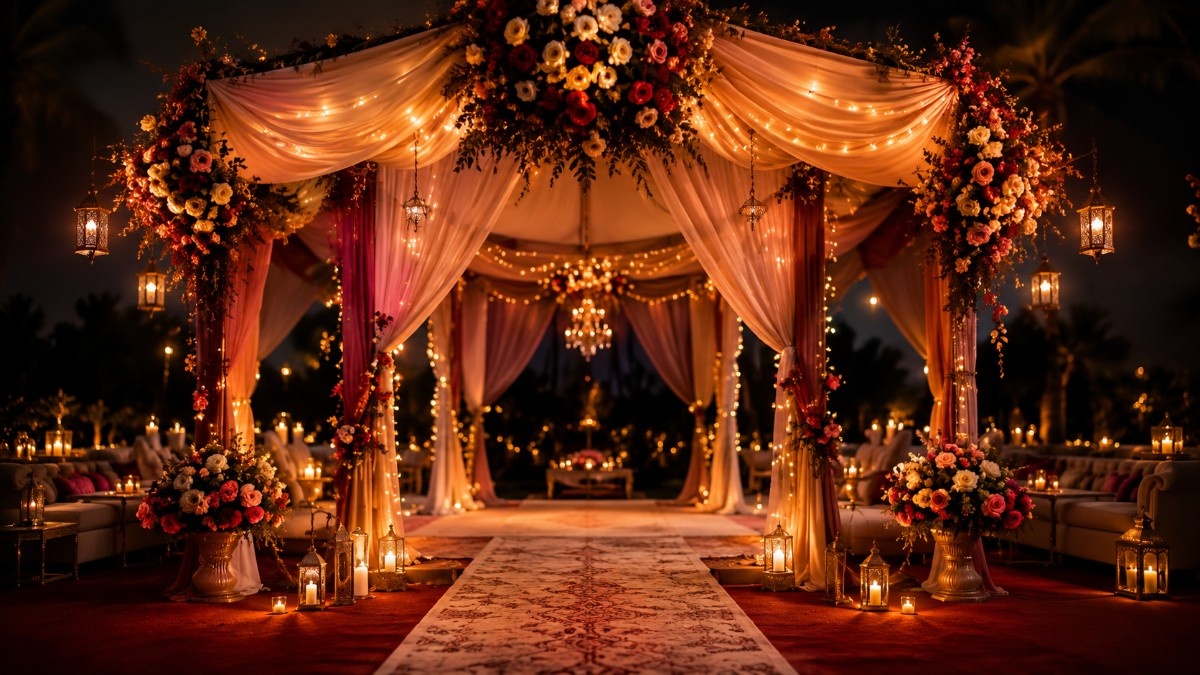 Guru Pooja
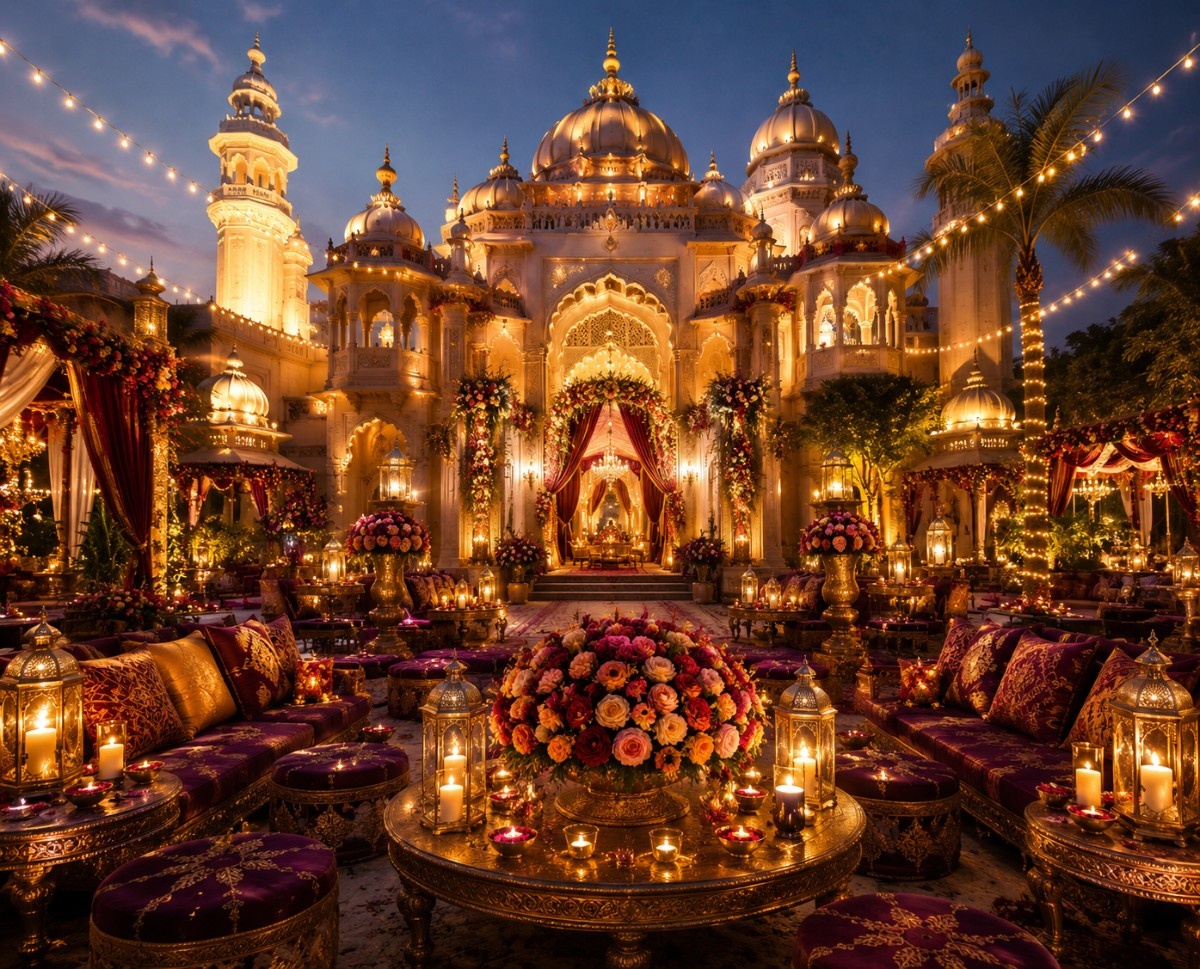 Kashi Yatra
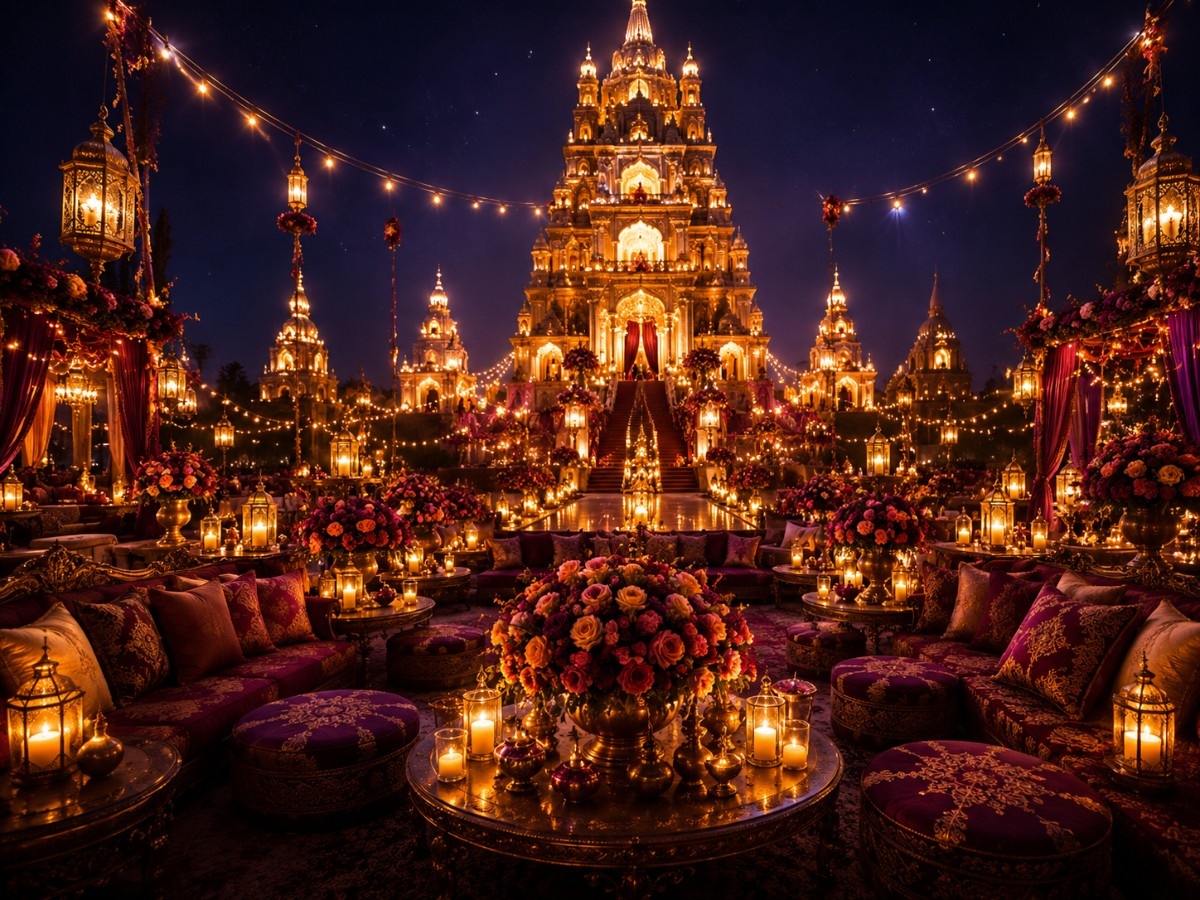 Oonjal Ceremony
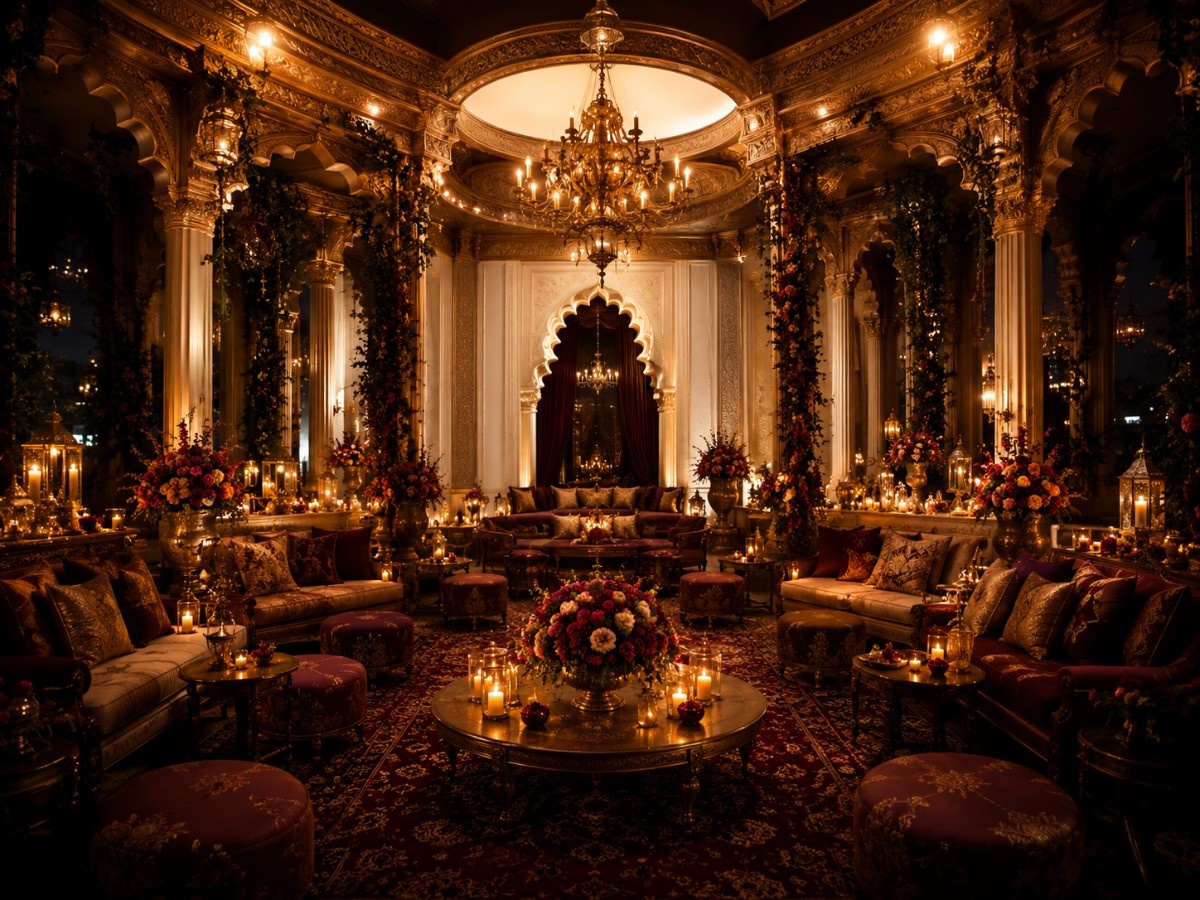 Muhurtham
 Vidaai
 Post Wedding Shoot
 Anniversary Celebration
 Vow Renewal
 Honeymoon Celebration
 Bridal Shower
 Bachelor Party
 Bachelorette Party
 Cocktail Party
 House Warming
 Griha Pravesh
 Satyanarayan Puja
 Naming Ceremony
 Thread Ceremony
 Upanayanam
- 400+Curated Events
- 6Event Universes
- 1000+Verified Vendors
- 70+Locations
- 24/7Customer Support


Not sure which packages fits your celebration?
Let Hiya & Hanu help you find the perfect match!
Explore Celebration Packages- AI-Powered MatchingSmart suggestions for you
- Budget OptimizerGet the best experiences in your budget
- End-to-End SupportWe are with you at every step
Serving Celebrations across 75+ locations in India
Top Religious Ceremonies for Celebrations With Meaningful Traditions and Planning
◆Religious celebrations bring families and communities together through traditions, prayers, rituals and shared values. Whether the occasion marks a marriage, engagement, naming ceremony, housewarming, milestone birthday, festival or another important family gathering, the ceremony often becomes the emotional centre of the event. Choosing the right format and organising each element carefully can make the occasion respectful, welcoming and memorable.
The top religious ceremonies for celebrations are not simply about following a sequence of rituals. They create an opportunity to honour beliefs while bringing loved ones together in a comfortable and well-organised setting. From selecting a suitable venue to arranging ceremonial requirements, decoration, catering and guest facilities, every detail can contribute to a meaningful experience.
Understanding the Purpose of Religious Celebrations
Religious ceremonies often carry deep cultural and family significance. Some are performed to mark important stages of life, while others celebrate spiritual occasions, family milestones or community traditions. Understanding the purpose of the gathering should be the first step when considering the top religious ceremonies for celebrations.
A clear understanding of the occasion helps determine the type of ceremony, number of guests, venue requirements and level of preparation involved. A small family prayer may require a very different arrangement from a large traditional function. Similarly, a wedding ceremony may involve several stages, specialist services and carefully timed rituals.
When planning a religious celebration, families should discuss the traditions they wish to preserve and decide which elements are essential. This approach allows the event to remain authentic without making the planning process unnecessarily complicated.
Popular Types of Religious Ceremonies for Special Occasions
Religious celebrations vary widely according to faith, culture and family tradition. Some of the most commonly organised occasions include weddings, engagements, naming ceremonies, coming-of-age ceremonies, house blessings, prayer gatherings, festival celebrations and milestone family functions.
Wedding ceremonies are among the most significant religious occasions because they combine spiritual traditions with family celebration. They may include prayers, blessings, symbolic rituals and participation from relatives.
Naming ceremonies are another important family occasion. They welcome a child into the family and may involve prayers, traditional blessings and the presence of close relatives.
Housewarming and blessing ceremonies are often organised when a family moves into a new home. These occasions may involve religious prayers, offerings and traditional rituals intended to begin life in the new property on a positive note.
Festival-based celebrations can also become larger family gatherings. Religious festivals often combine worship with food, decoration, music and social interaction, creating a balanced spiritual and celebratory atmosphere.
Choosing the Right Ceremony Format
Selecting a ceremony format should be based on the occasion, family preferences and religious customs. The top religious ceremonies for celebrations can be adapted to suit intimate gatherings as well as larger events, provided the essential traditions are respected.
Families should identify whether the ceremony needs a religious leader, priest, officiant or other specialist. It is also useful to establish the approximate duration and sequence of rituals before finalising the event schedule.
The number of guests is another important consideration. A small ceremony can be hosted at home, in a place of worship or within a private event space. Larger gatherings may require a dedicated function hall, community venue or outdoor setting with suitable facilities.
Accessibility should also be considered. Elderly relatives, children and guests with mobility requirements should be able to reach the ceremony area comfortably. Seating, parking, washroom access and clear pathways can make a significant difference to the guest experience.
Selecting a Suitable Sacred Event Venue
Venue selection has a direct impact on the atmosphere and practical success of the occasion. A suitable sacred event venue should support the religious requirements of the ceremony while providing sufficient comfort for guests.
Some families prefer to conduct ceremonies at a place of worship because it provides an established spiritual environment. Others choose homes, halls, community centres, hotels or outdoor venues depending on the scale and nature of the event.
Before booking a venue, check whether the location permits the intended religious activities. Some venues have specific rules regarding rituals, food preparation, decorations, music and the use of particular ceremonial items.
Capacity is equally important. Avoid choosing a venue that is considerably larger or smaller than required. The right size creates a more comfortable environment and makes decoration and seating easier to manage.
Facilities such as power supply, parking, washrooms, changing areas and catering access should also be confirmed in advance. These practical considerations are particularly important when guests will be attending for several hours.
Meaningful Sacred Event Planning for Families
Meaningful sacred event planning begins with understanding what matters most to the family. Religious celebrations should feel personal rather than simply following a standard event package.
Families can begin by creating a ceremony checklist covering the date, venue, religious requirements, guest list, officiant, ceremonial items, catering, decoration and schedule. This reduces the chance of important details being overlooked.
Meaningful sacred event planning should also allow enough time for traditional preparations. Certain ceremonies may require specific materials, prayers, fasting arrangements, offerings or preparation by religious specialists. Confirming these requirements early can prevent last-minute difficulties.
Communication is particularly valuable when several family members are involved. One person can coordinate the venue, another can manage ceremonial requirements, while another handles guest arrangements. Assigning responsibilities makes the overall process easier to manage.
Creating Appropriate Religious Celebration Decorations
Decoration can enhance the atmosphere without taking attention away from the ceremony itself. Religious celebration decorations should reflect the nature of the occasion and remain appropriate to the traditions being observed.
Floral arrangements, traditional fabrics, lamps, candles where permitted, symbolic motifs and carefully selected entrance displays can create a welcoming environment. The colour palette can also be chosen according to the occasion and family preferences.
The ceremonial area should remain the visual and functional focus. Avoid placing large decorative structures where they could obstruct religious activities or guest movement.
Flowers can be used around entrances, seating areas, stages and ceremonial spaces. Fresh arrangements often create a warm atmosphere, while simple reusable décor can be practical for smaller family functions.
Lighting should provide sufficient visibility without becoming distracting. Soft, balanced lighting can work particularly well for evening ceremonies, while natural light may be preferable for daytime gatherings.
Arranging Religious Leaders and Specialist Services
Religious ceremonies often require specialist knowledge. Depending on the tradition, families may need a priest, minister, imam, rabbi, celebrant or another authorised religious or cultural representative.
Confirm the availability of the chosen officiant well before the event date. Discuss the ceremony sequence, required materials, timings and any specific family customs beforehand.
Ceremony organisers can also assist with practical coordination. Their role may include scheduling vendors, managing guest movement, arranging seating and ensuring that the ceremony proceeds according to the agreed timeline.
When selecting ceremony services, experience with the specific type of occasion is important. Families should ask about previous relevant events, service inclusions, availability and pricing before making a decision.
Planning Food and Hospitality Around the Ceremony
Food is often an important part of religious and cultural gatherings. However, dietary practices can vary significantly according to the occasion and faith tradition.
The menu should be planned around any religious restrictions or family preferences. If particular foods are required for traditional purposes, these should be discussed with the relevant religious or cultural adviser.
Guest comfort should remain a priority. Provide appropriate seating, drinking water and clear arrangements for meals or refreshments. For larger gatherings, professional catering can help manage quantities and service efficiently.
If the ceremony includes offerings or food that has religious significance, preparation and handling should follow the relevant customs. Clear communication with caterers is therefore essential.
Coordinating Entertainment and Cultural Elements
Not every religious ceremony requires entertainment. The spiritual character of the occasion should always guide the choice of additional activities.
Where appropriate, cultural music, devotional performances, traditional instrumental arrangements or community participation can complement the celebration. Entertainment should never interfere with prayers, rituals or moments of reflection.
For larger family gatherings, cultural performances can provide a natural transition between the formal ceremony and the social celebration. The schedule should clearly distinguish sacred activities from general entertainment.
Managing the Event Timeline
A well-planned schedule helps everyone understand when they need to arrive and participate. The top religious ceremonies for celebrations can include multiple stages, so timing should be discussed with all key participants.
Start by identifying the fixed elements, such as prayers, rituals or blessings. Then build guest arrival, seating, photography, meals and other activities around those timings.
Allow some flexibility because traditional ceremonies may take longer than expected. A realistic schedule is more useful than one that leaves no room for delays.
A dedicated coordinator can monitor the schedule while allowing the family and religious participants to focus on the ceremony itself.
Making the Celebration Comfortable for Guests
Guest experience should be considered alongside tradition. Religious celebrations may bring together people of different ages and levels of familiarity with the customs.
Simple signage can help guests understand where to sit, where to leave footwear if required and where different activities will take place. Hosts can also provide basic information about the ceremony when appropriate.
Seating should accommodate older relatives and anyone who may need additional support. Children may benefit from a designated area where they can remain comfortable without disturbing the main ceremony.
Weather planning is essential for outdoor functions. Consider shade, rain protection, ventilation and suitable flooring before confirming an outdoor venue.
Photography and Memories
Photography can preserve important memories, but it should be handled sensitively. Religious ceremonies may have moments when photography or recording is restricted.
Discuss photography rules with the religious representative before the event. A professional photographer experienced in ceremonial occasions can usually work discreetly and understand when to remain in the background.
Family photographs can be arranged before or after the formal ceremony, allowing the religious proceedings to remain uninterrupted.
Working With Experienced Event Vendors
The success of a religious celebration often depends on coordination between several suppliers. Depending on the occasion, families may require decorators, caterers, photographers, florists, venue teams and ceremonial service providers.
Choosing vendors with relevant experience can reduce planning stress. Ask for clear service details, timings, costs and cancellation terms before confirming arrangements.
A central planning approach can also make communication easier. Instead of managing every supplier separately on the event day, a coordinator can help keep the different teams aligned.
Happiffie can be considered as part of the wider search process for celebration services, event professionals and suitable vendors. Families can use related service categories to compare options according to their occasion and requirements.
Keeping the Ceremony Authentic and Personal
The most memorable religious celebrations are usually those that feel meaningful to the people involved. Personal touches can be incorporated without changing the essential traditions.
Families might include a meaningful family prayer, a traditional welcome, photographs of previous generations or a carefully chosen floral arrangement. These details can help connect the current celebration with family history.
It is also worth involving younger family members where appropriate. Explaining the meaning behind rituals can help preserve traditions and make the occasion more engaging for everyone.
Authenticity should remain more important than following short-lived decoration or event trends. A well-organised ceremony should feel appropriate years after the celebration has ended.
Why Professional Planning Can Be Valuable
Organising religious celebrations involves both emotional and practical responsibilities. Family members often want to participate fully in the ceremony, making professional coordination particularly useful.
The top religious ceremonies for celebrations benefit from detailed preparation because several elements may need to happen at precise times. Professional support can help manage suppliers, venue arrangements, décor, guest movement and the event schedule.
Meaningful sacred event planning does not mean removing the family's involvement. Instead, it can give family members more time to focus on the people and traditions that matter to them.
Professional planners can also help identify practical issues before the event. From seating capacity to vendor arrival times, early planning can prevent small problems from becoming major disruptions.
Creating a Respectful and Memorable Celebration
Ultimately, religious celebrations are about connection, faith, family and shared traditions. The venue, décor, food and services should support these priorities rather than overshadow them.
The top religious ceremonies for celebrations can be intimate or elaborate, traditional or carefully adapted to a modern setting. What matters most is that the arrangements respect the purpose of the occasion and provide a comfortable experience for everyone involved.
Meaningful sacred event planning brings these elements together in a thoughtful way. With clear communication, suitable suppliers, careful scheduling and respect for religious customs, families can create celebrations that feel both organised and deeply personal.
If you are preparing for a religious family function, start by defining the ceremony, confirming the essential traditions and selecting the right venue. From there, build the event around the ceremony itself, adding decoration, hospitality and cultural elements in a balanced manner. With the right preparation, your celebration can honour tradition while creating lasting memories for everyone attending.
Frequently Asked Questions
1. What are the top religious ceremonies for celebrations?
The top religious ceremonies for celebrations can include weddings, engagements, naming ceremonies, house blessings, prayer gatherings, coming-of-age occasions and religious festivals. The most suitable option depends on the faith tradition and purpose of the gathering.
2. How early should a religious ceremony be planned?
Ideally, planning should begin several weeks or months before the event, particularly for larger celebrations. Meaningful sacred event planning requires enough time to secure the venue, religious leader, vendors and required ceremonial items.
3. How do I choose a venue for a religious ceremony?
Consider the ceremony requirements, guest capacity, accessibility, parking, facilities, permitted activities and proximity for important family members. The venue should be suitable for both the spiritual and practical aspects of the occasion.
4. Can religious ceremonies be held outside a place of worship?
In many cases, ceremonies can be arranged at homes, halls, hotels or other suitable venues, depending on the specific religious tradition. Always confirm the requirements with the appropriate religious authority before booking.
5. What decorations are suitable for religious celebrations?
Suitable decorations depend on the faith and occasion. Flowers, traditional fabrics, appropriate symbolic elements and tasteful lighting can enhance the setting while keeping the ceremonial area respectful and uncluttered.
6. Do I need a professional ceremony organiser?
Professional support can be useful for larger events involving multiple suppliers, detailed schedules and many guests. An experienced organiser can coordinate vendors and practical arrangements while the family concentrates on the ceremony.
7. How can I arrange religious ceremony services?
Begin by identifying the required religious leader or specialist and confirming their availability. Then discuss the ceremony sequence, required materials and timings before arranging supporting ceremony services.
8. Should entertainment be included in a religious celebration?
Entertainment is optional and should suit the nature of the occasion. Devotional music, cultural performances or traditional activities may be appropriate when they complement rather than interrupt the religious proceedings.
9. How can I make meaningful sacred event planning easier?
Create a detailed checklist, confirm religious requirements early, assign responsibilities to family members and work with experienced vendors. Meaningful sacred event planning becomes easier when ceremony requirements are established before decoration, catering and entertainment are finalised.
10. Where can I find vendors for religious celebrations?
You can search for suitable celebration vendors based on your specific requirements, including venue services, decoration, catering, photography and ceremony coordination. The top religious ceremonies for celebrations are easier to organise when each supplier understands the event's cultural and religious needs.