

Explore All Religious Ceremonies
Discover traditional rituals, wedding ceremonies, spiritual occasions and meaningful cultural celebrations in Chennai, with trusted services to honour every tradition.
Give Thoughtfully,
Celebrate with Happiffie
From personalised gifts and curated collections to thoughtful presents for every occasion, Happiffie helps you discover gifting options that make celebrations more meaningful and memorable.
- Thoughtful Gift DiscoveryFind gifting options suited to every celebration and occasion
- Personalised GiftingDiscover customised gifts made to create meaningful moments
- Trusted Gift ProvidersConnect with reliable gifting professionals and service providers
Popular Religious Ceremonies
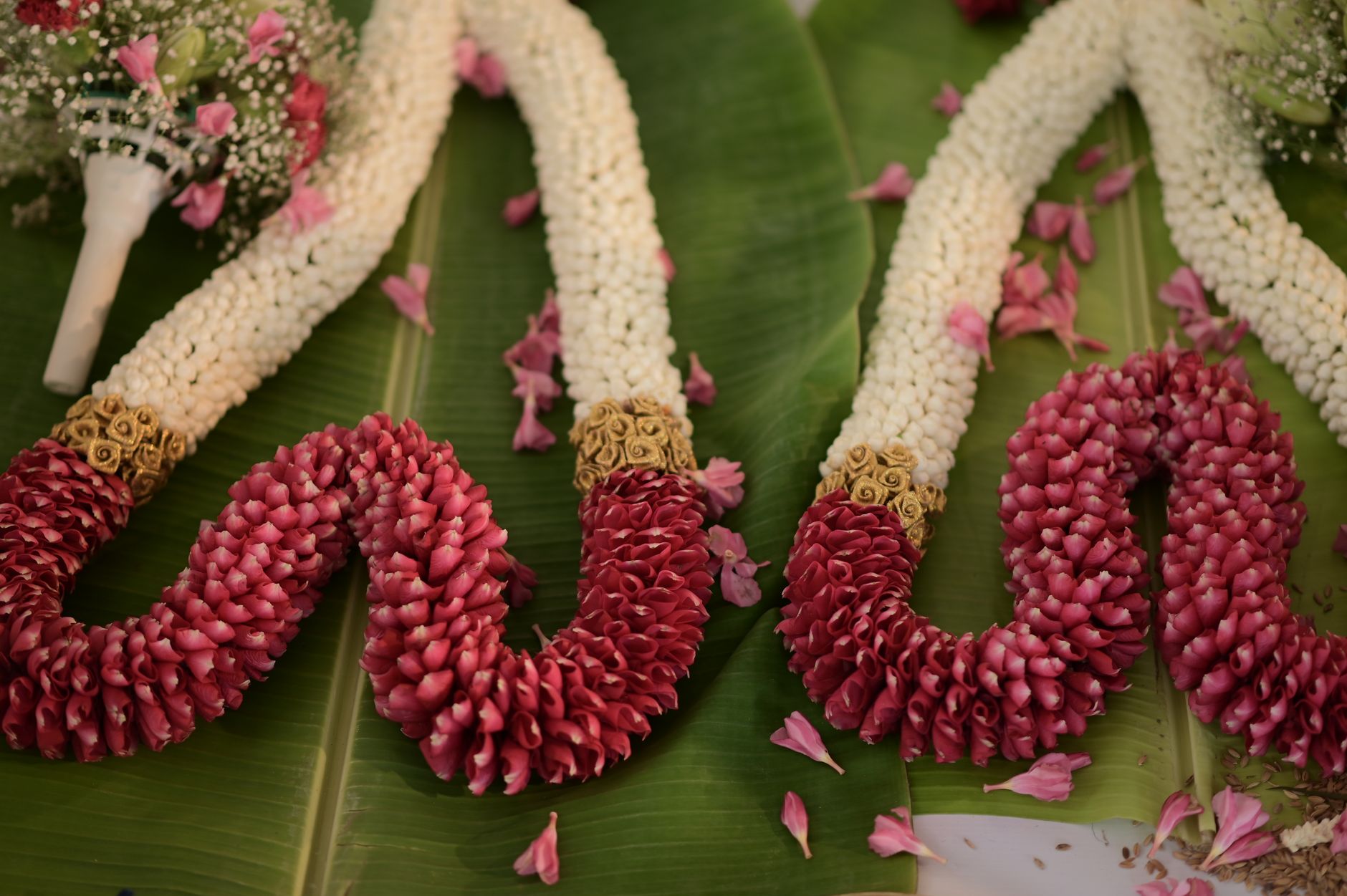 Artificial Varmala
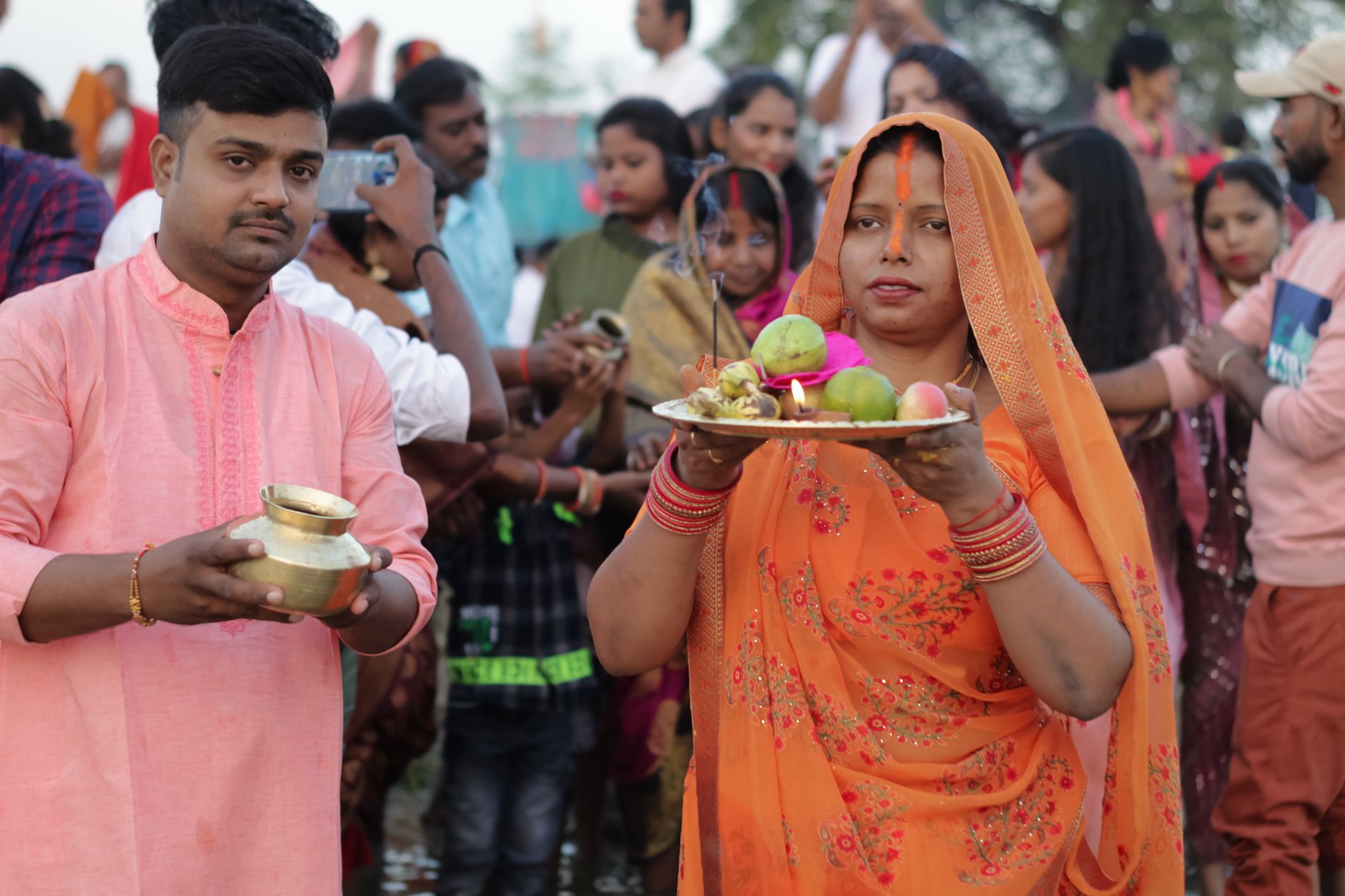 Brahmin Brass Pooja Items
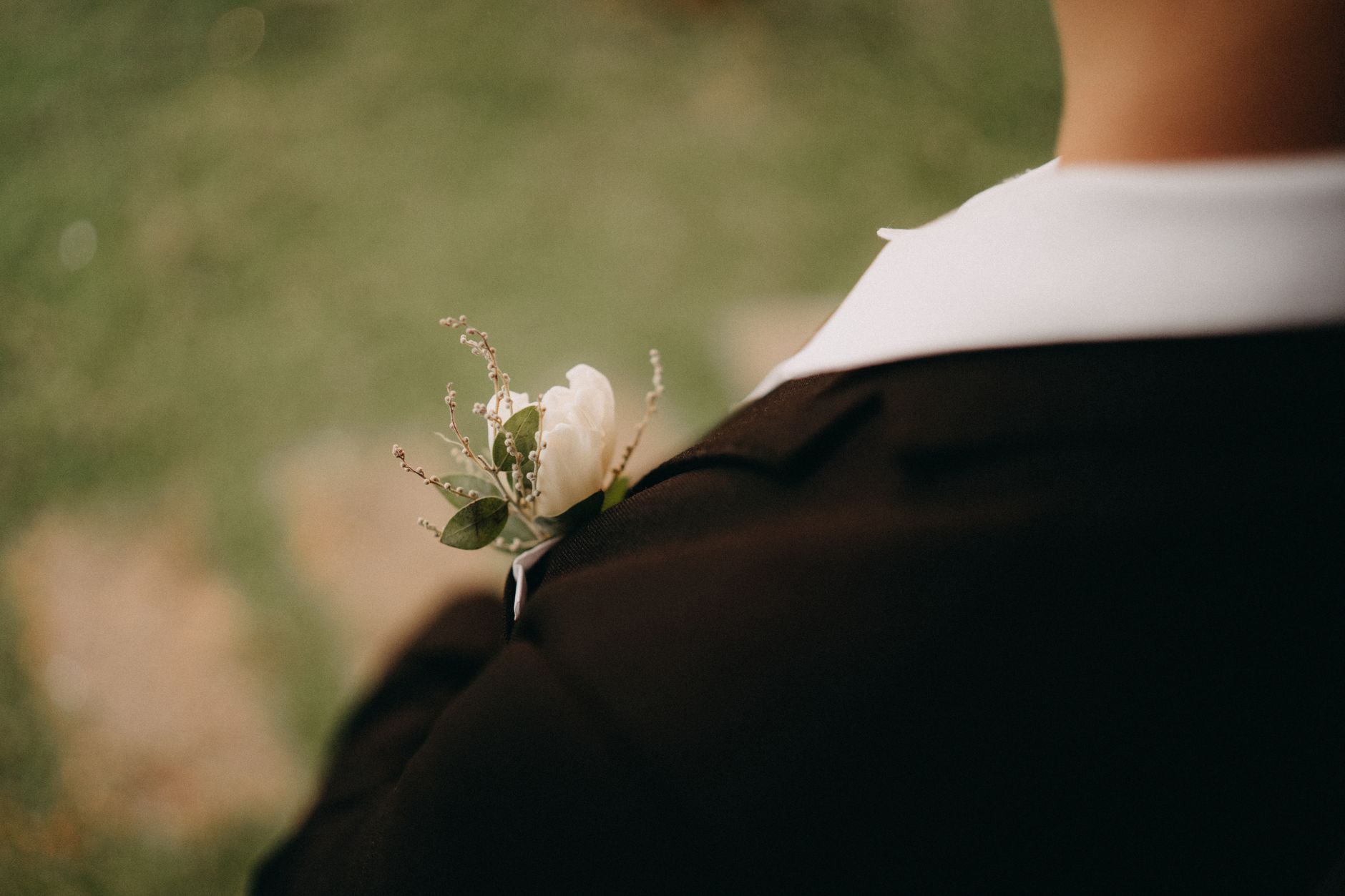 Christian Marriage Boutonniere
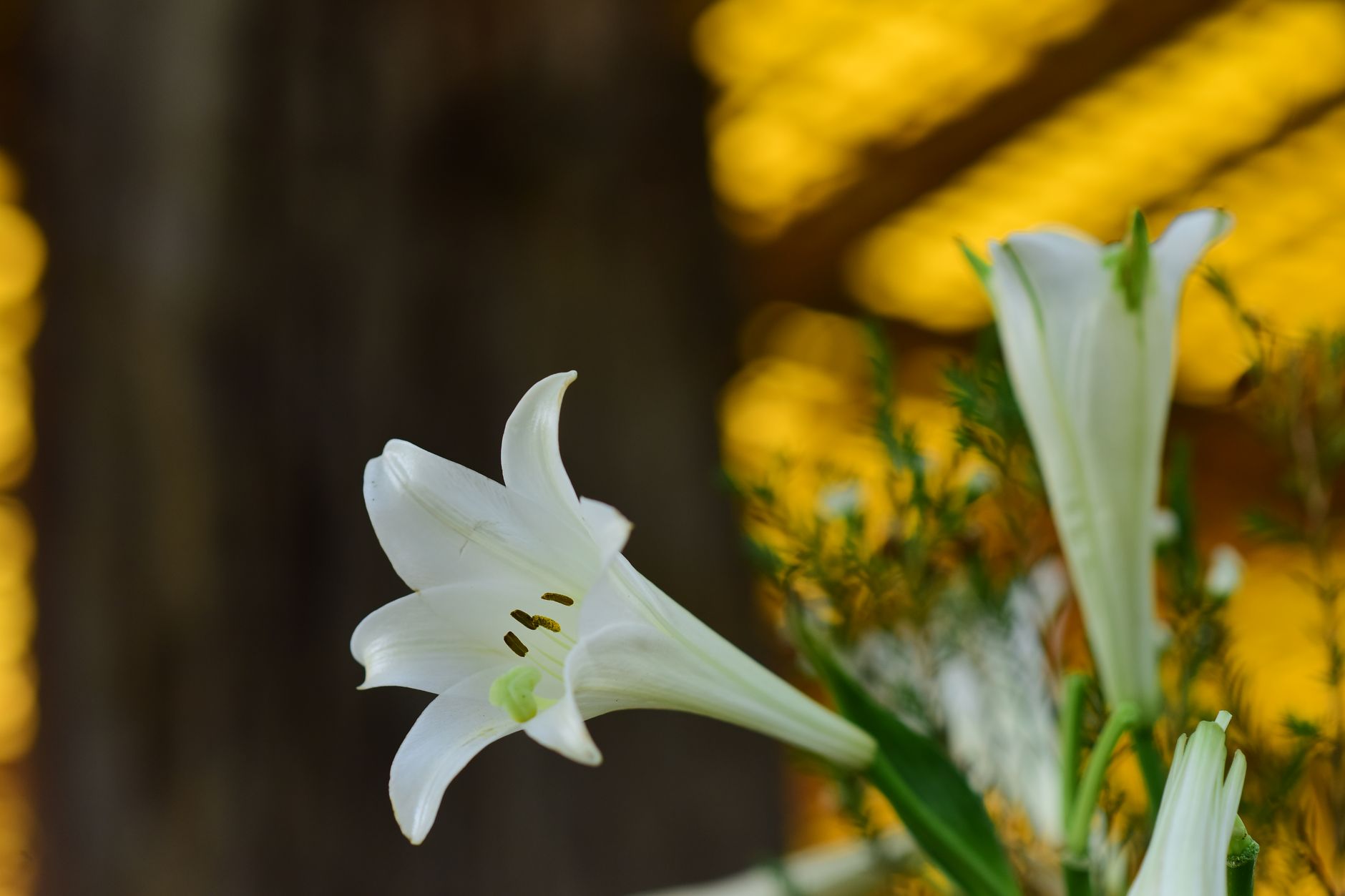 Church Flower Basket
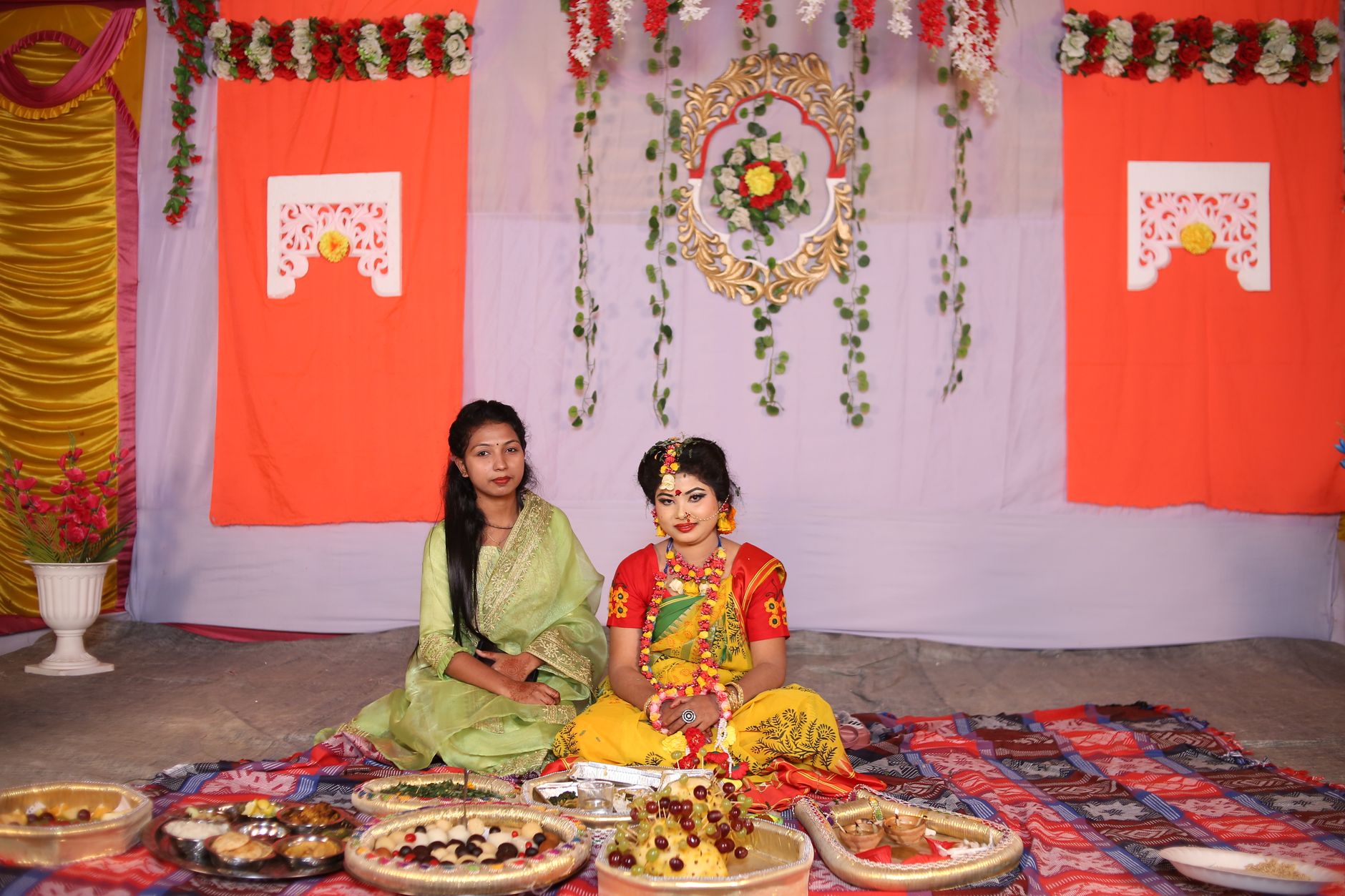 Engagement Ceremony Pandit
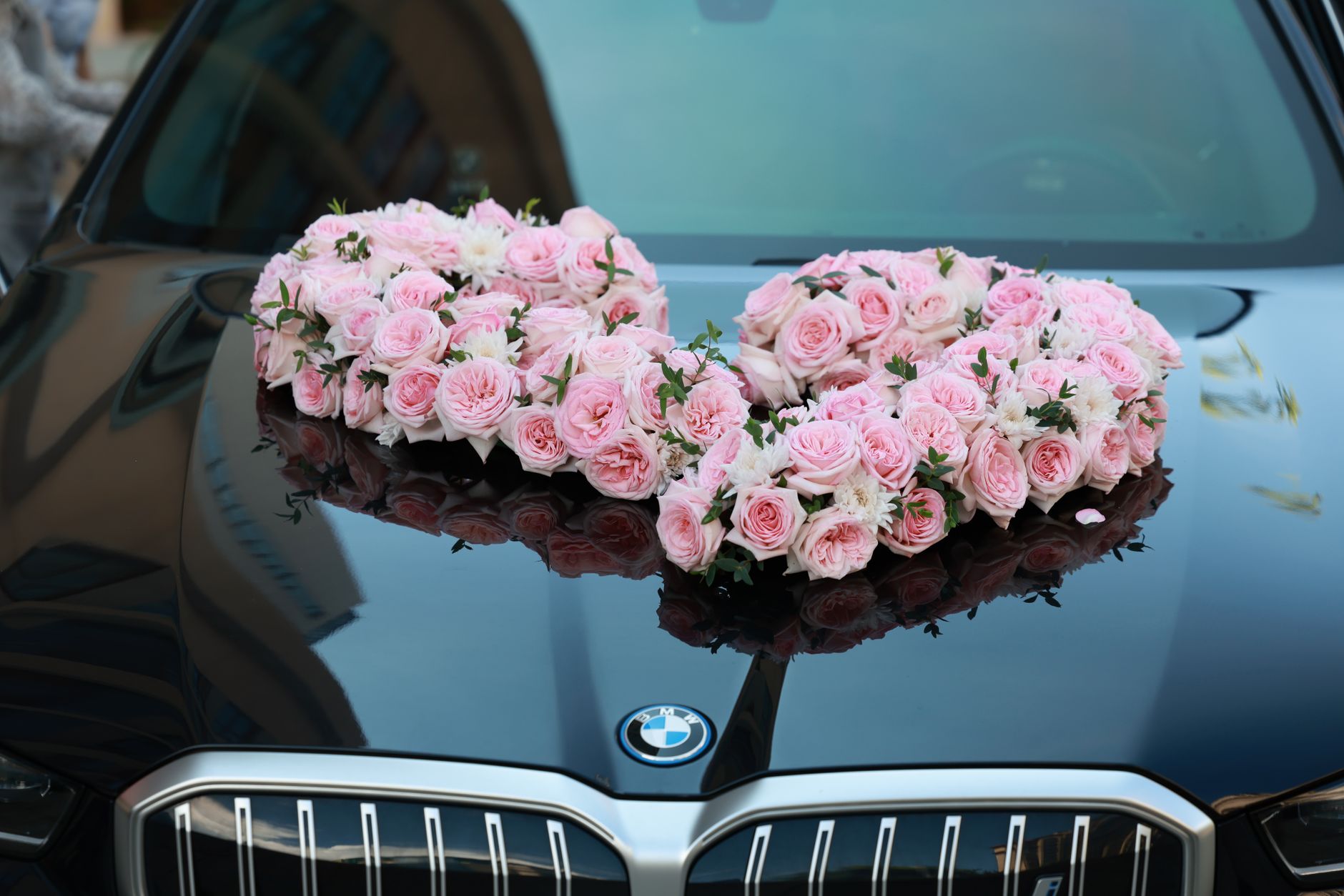 Front Bonnet Floral Decor
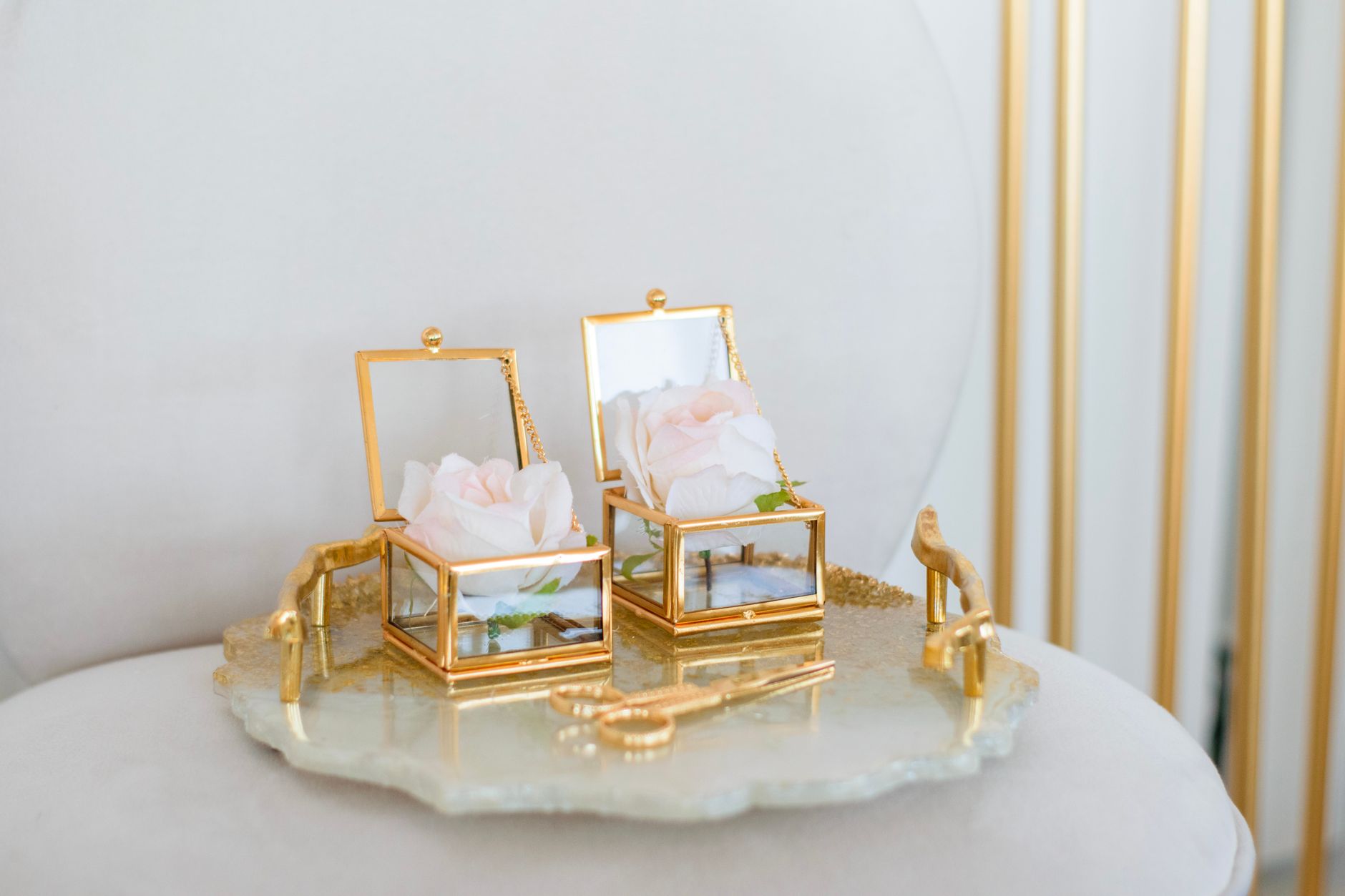 Gold Theme Ring Tray
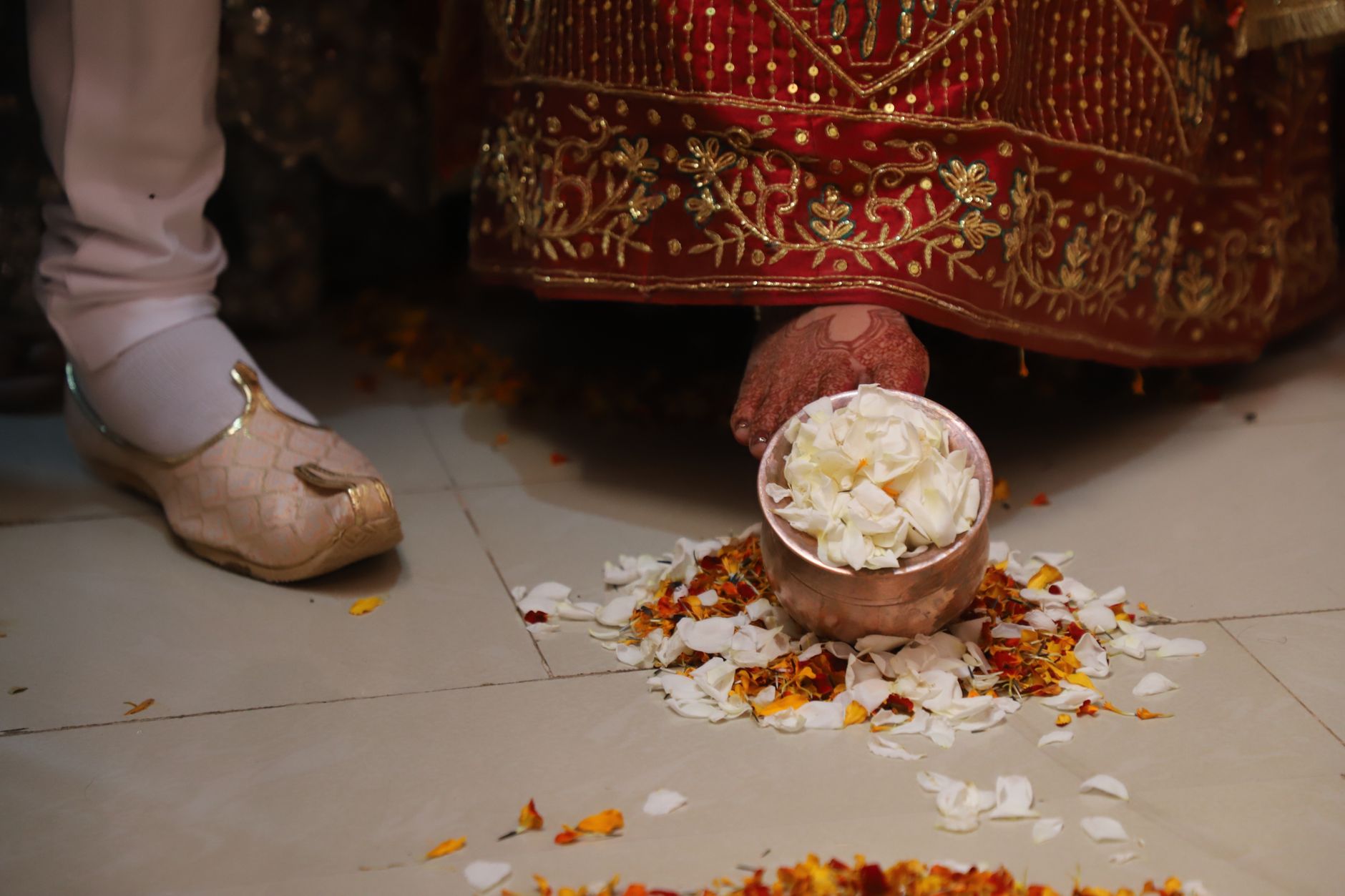 Gujarati Marriage Astrologer
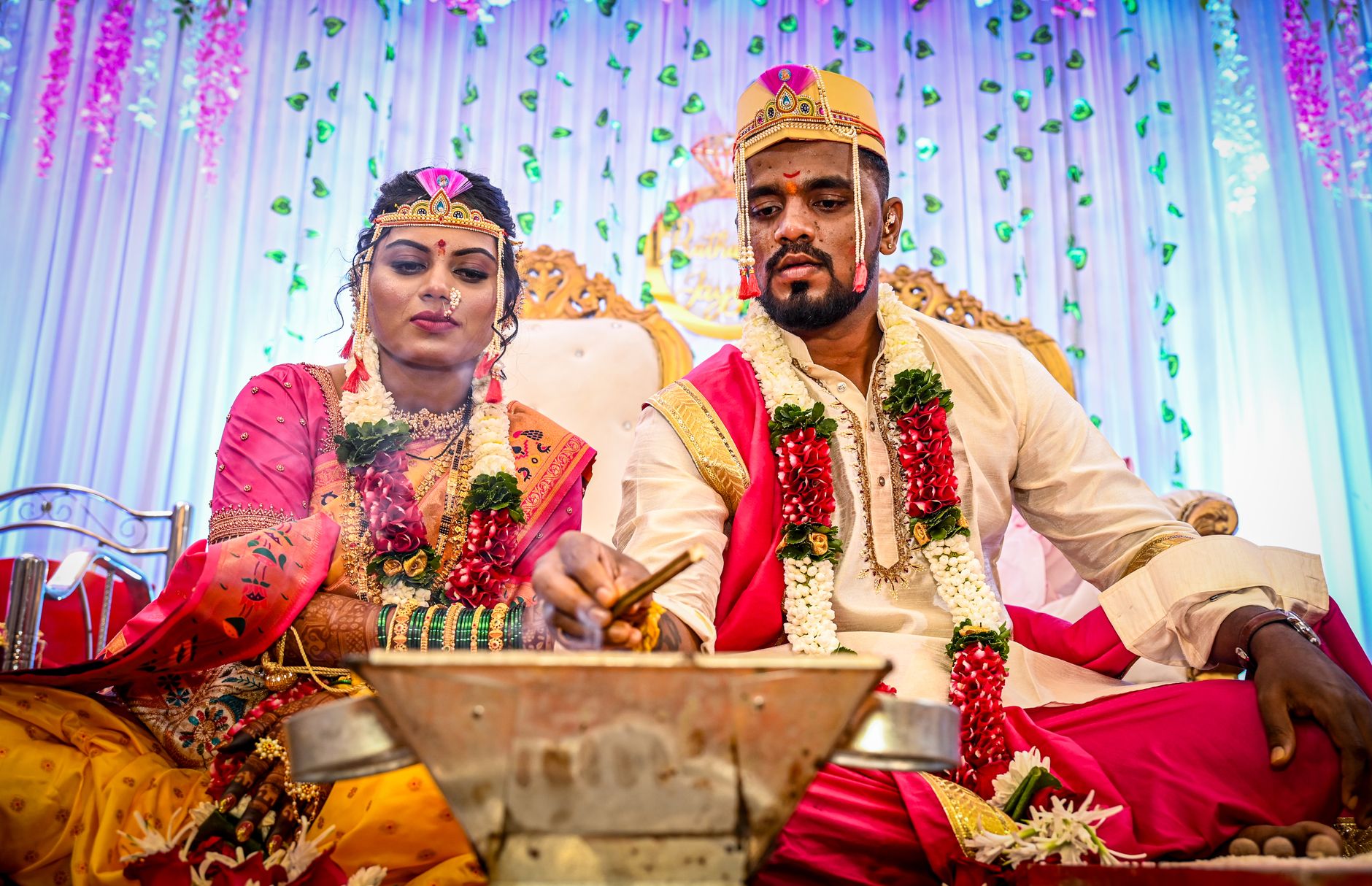 Gujarati Varmala Supplies
 Jain Religious Officiation Items
 Kannada Traditional Return Gifts
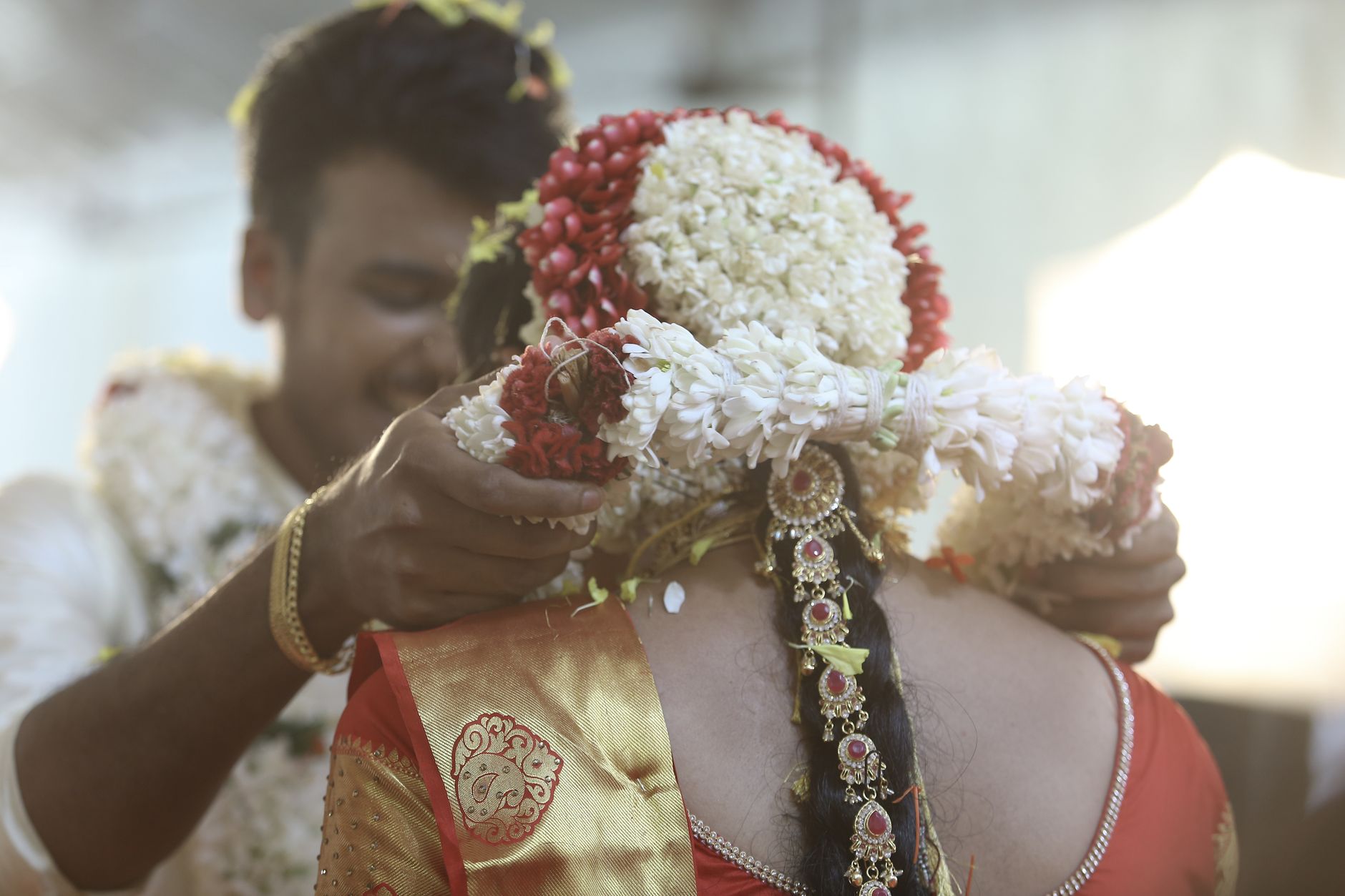 Malayalam Priest Ceremony Kit
 Manjira Bhajan Ensemble
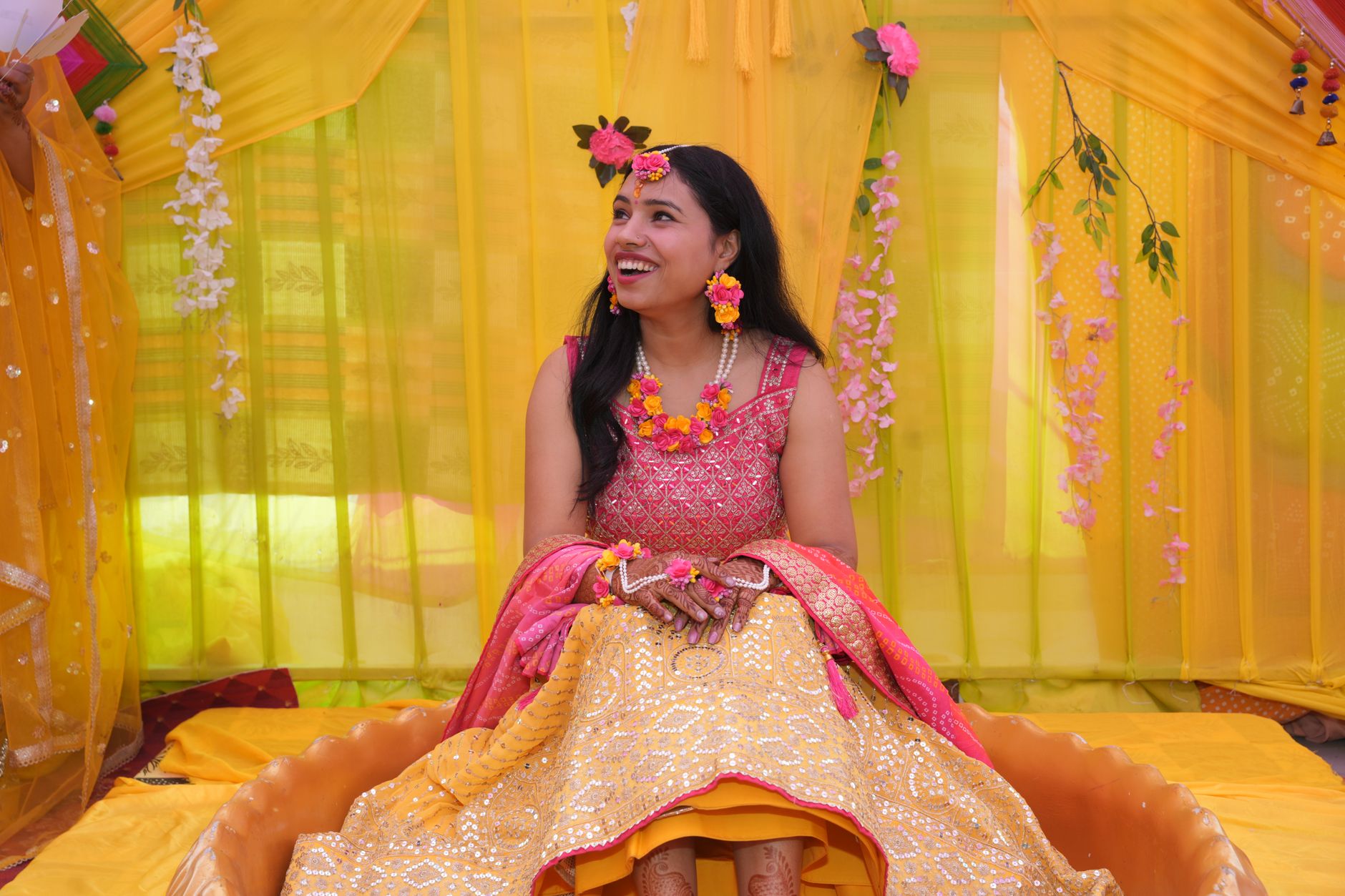 Marwari Marriage Pooja Kit
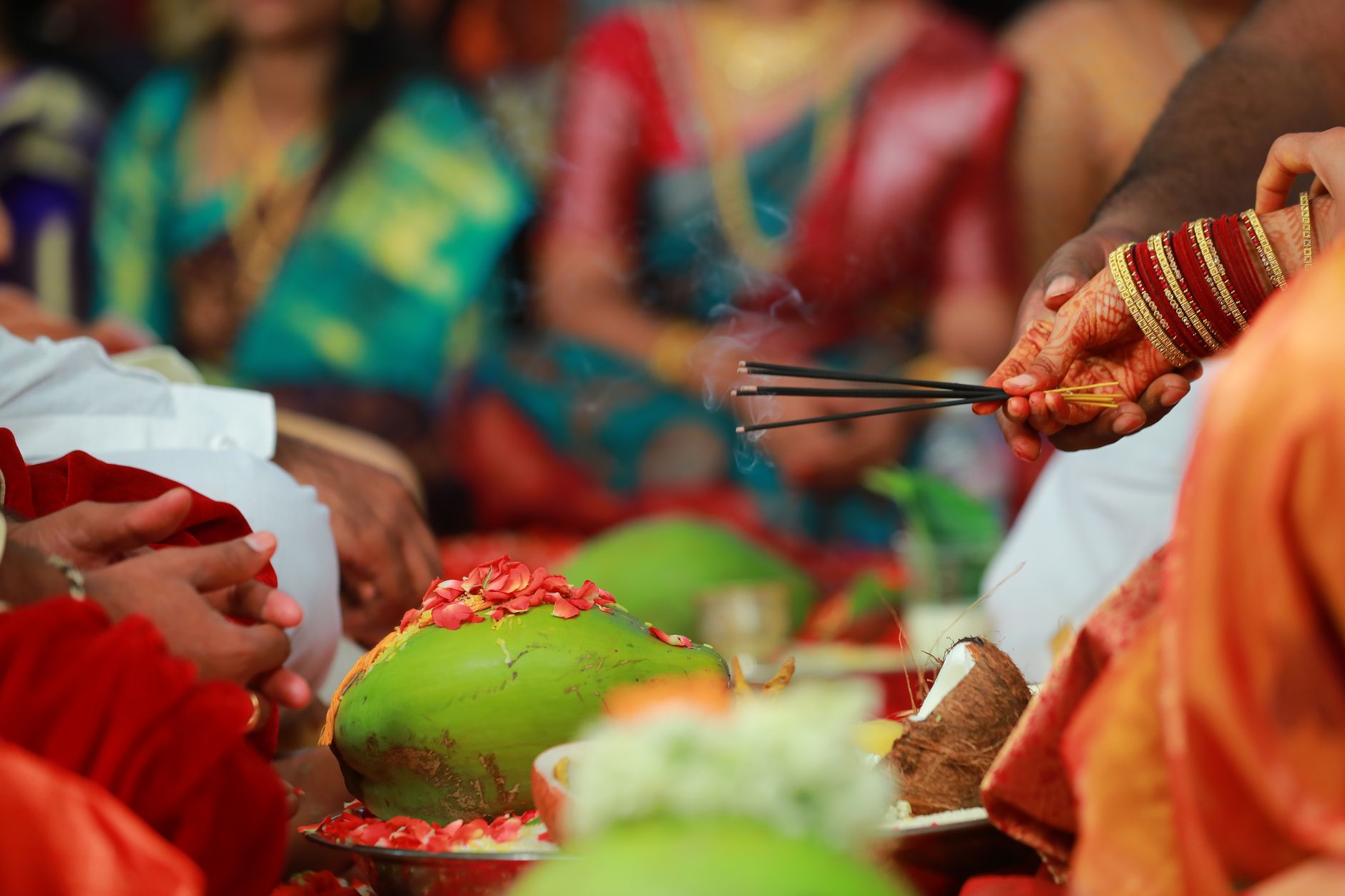 Marwari Sacred Rice Supplies
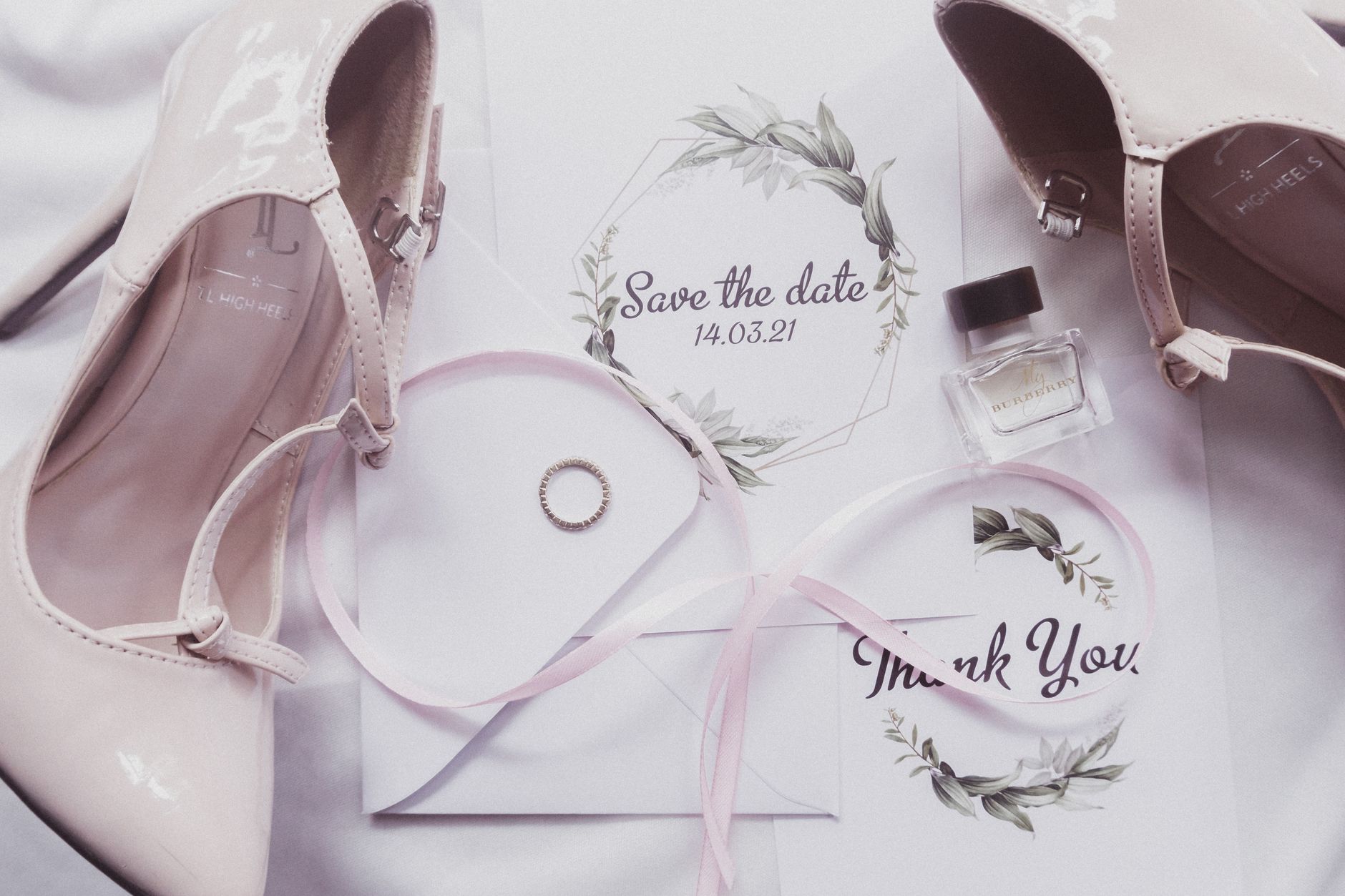 Nikah Invitation Accessories
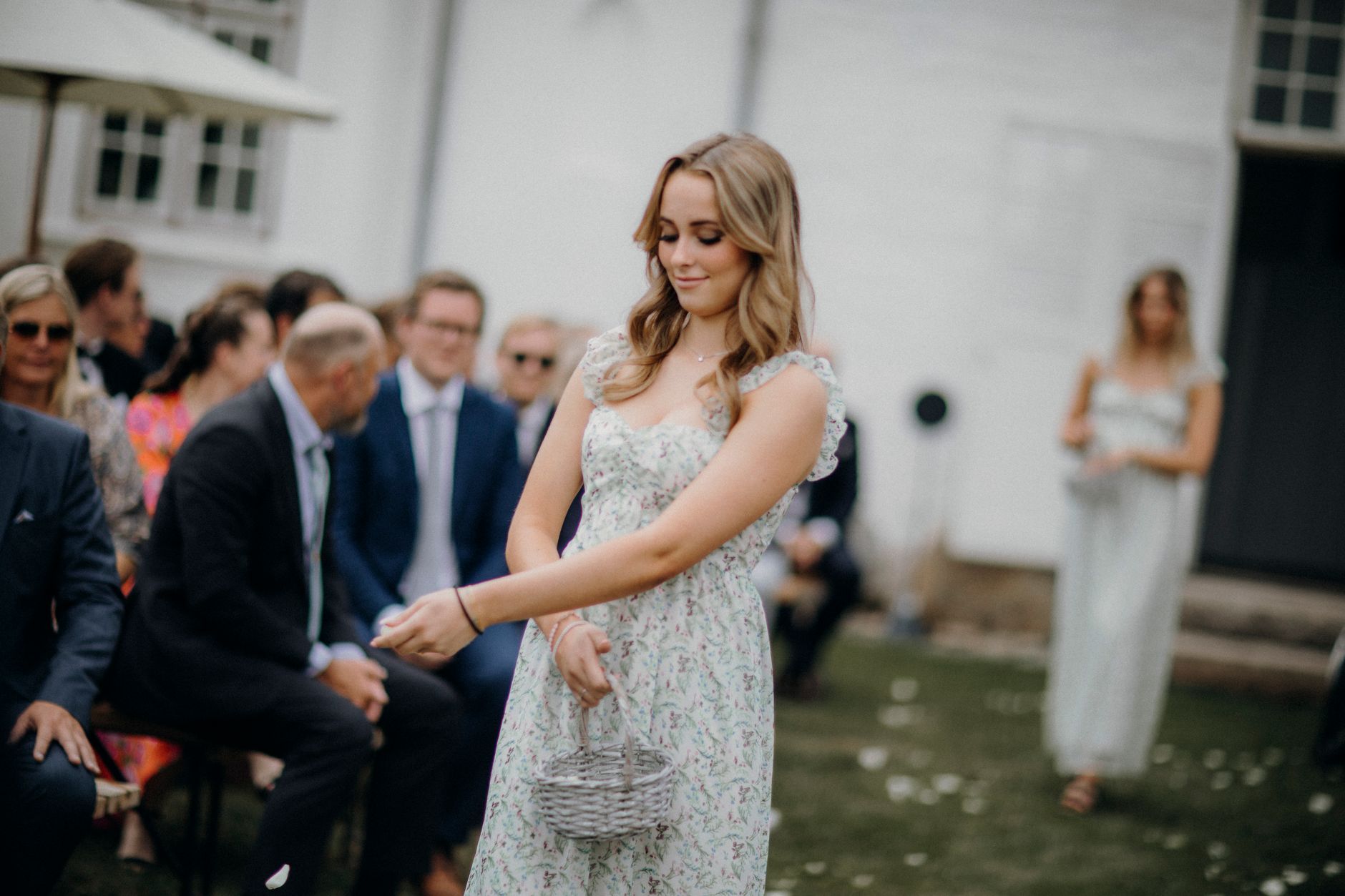 Petal Basket for Ceremony
 Photo Keepsake Gifts
 Poolside Champagne Service
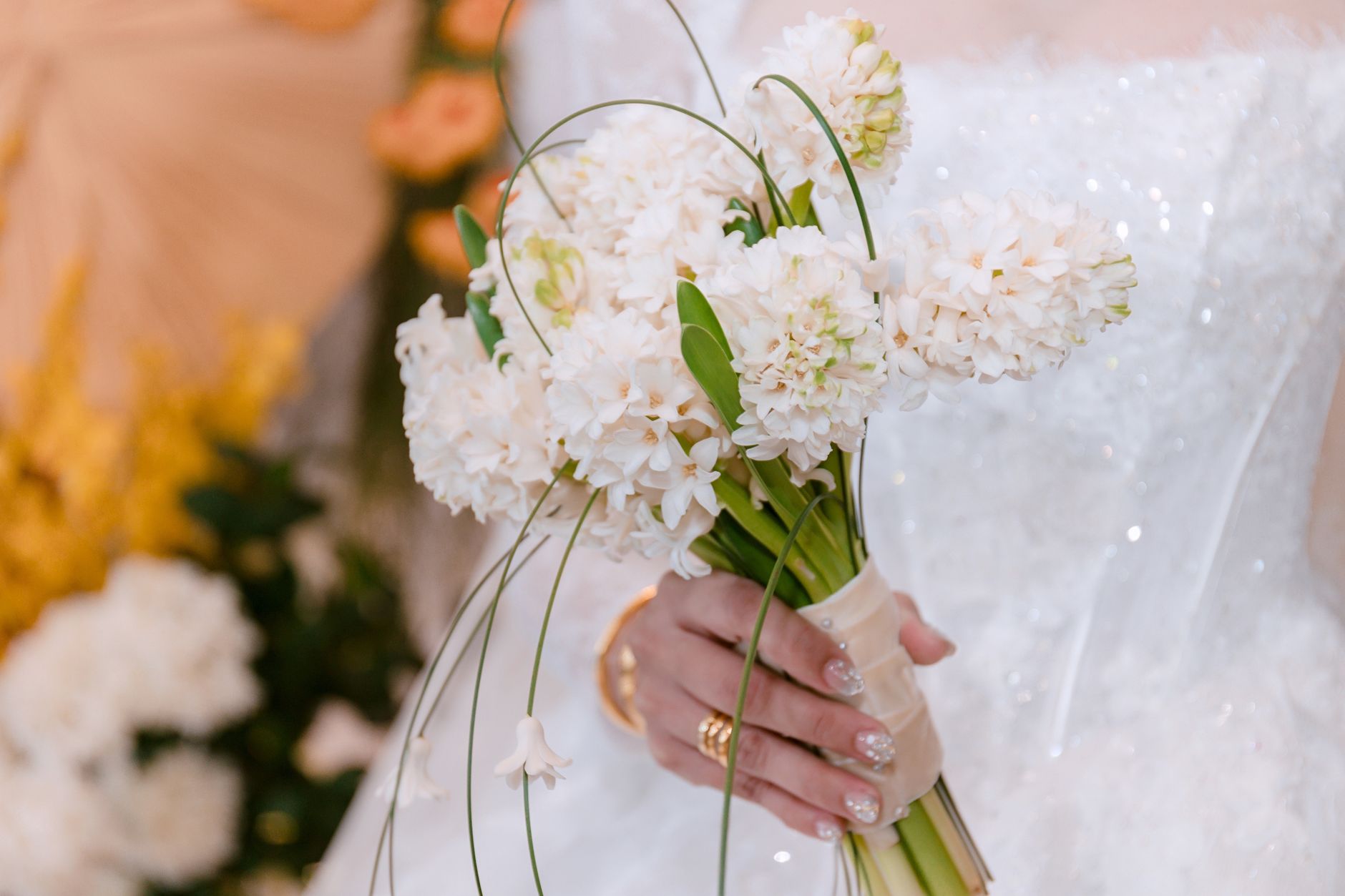 Preserved Flower Bouquets
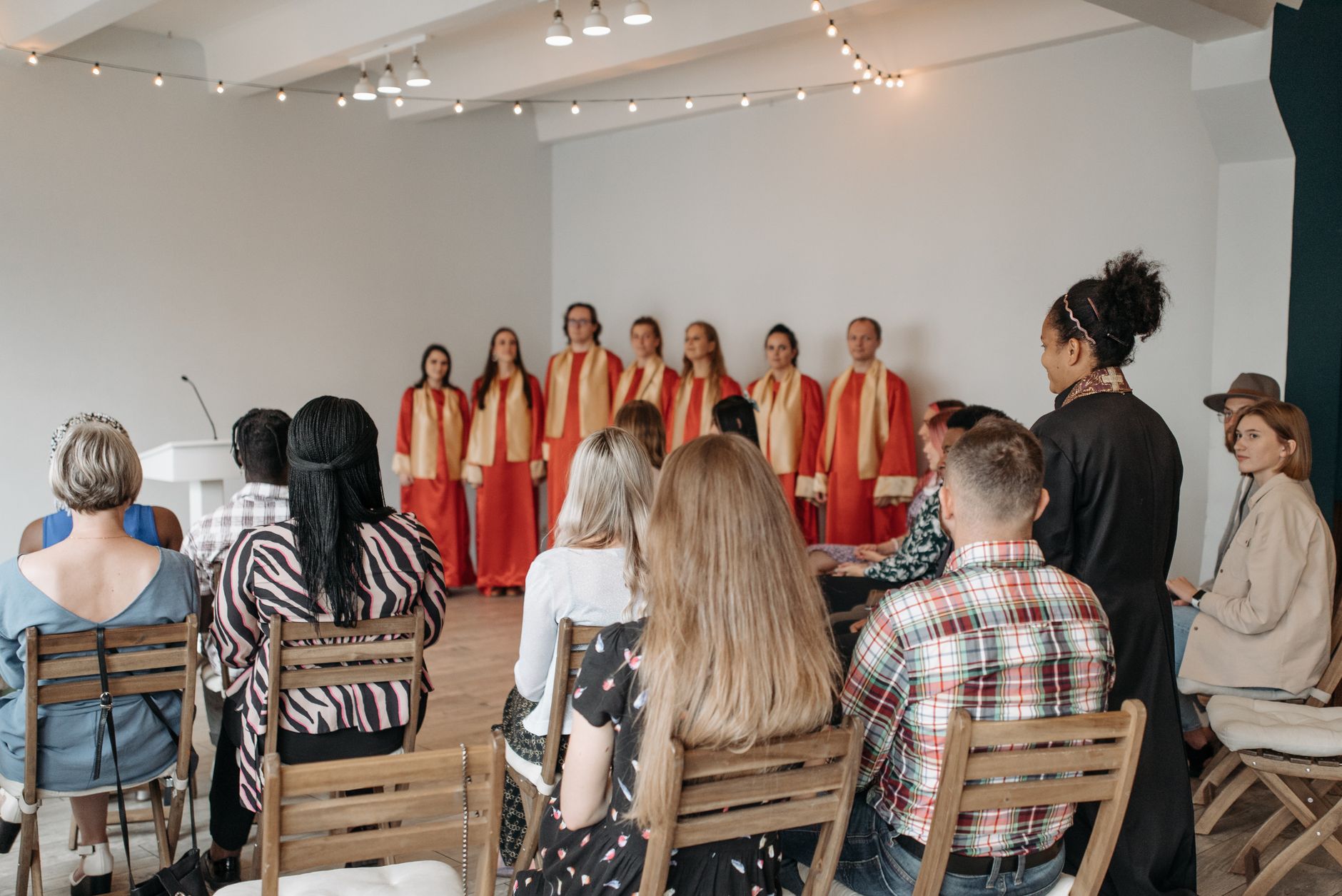 Processional Choir Service
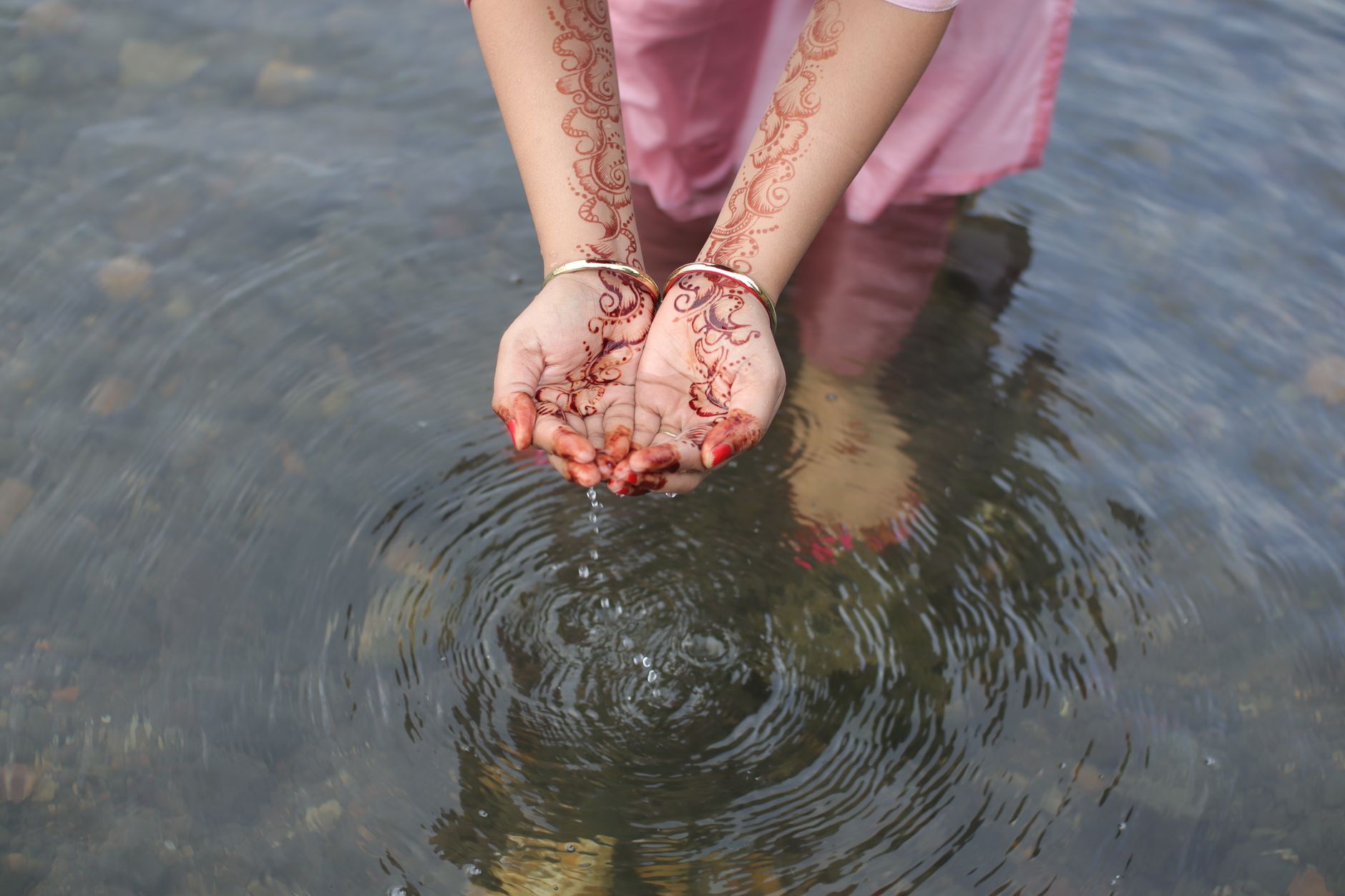 Remote Family Ritual Viewing
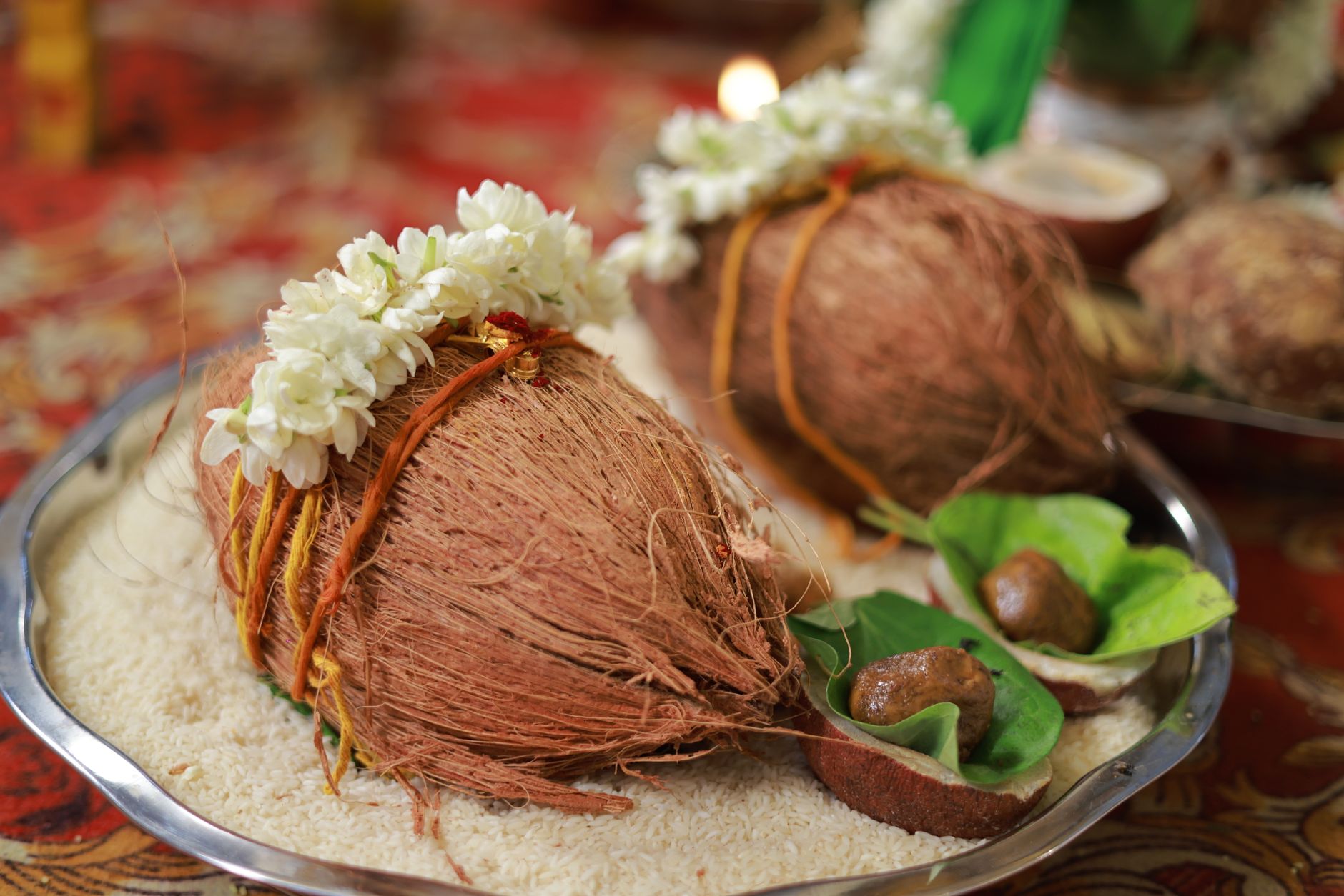 Tamil Ceremony Coconut Sets
 Telugu Silver Pooja Articles
 Vow Renewal Officiant
- 400+Curated Events
- 6Event Universes
- 1000+Verified Vendors
- 70+Locations
- 24/7Customer Support


Not sure which packages fits your celebration?
Let Hiya & Hanu help you find the perfect match!
Explore Celebration Packages- AI-Powered MatchingSmart suggestions for you
- Budget OptimizerGet the best experiences in your budget
- End-to-End SupportWe are with you at every step
Serving Celebrations across 75+ locations in India
Authentic Traditional Ceremonies and Rituals for Meaningful Celebrations
◆Traditional ceremonies are more than organised occasions. They bring families together, preserve cultural values and create meaningful moments that can be remembered for generations. From sacred rituals and family traditions to milestone occasions and cultural gatherings, every ceremony carries its own significance. Authentic traditional ceremonies and rituals allow these customs to remain at the heart of the celebration while ensuring that the event is thoughtfully planned and professionally managed.
Happiffie helps families and hosts create traditional celebrations that respect established customs while accommodating practical modern requirements. From ceremony planning and venue arrangements to traditional décor, floral styling and event coordination, every element can be considered as part of one cohesive celebration.
Understanding Authentic Traditional Ceremonies and Rituals
Authenticity in traditional celebrations begins with understanding the meaning behind each custom. Different communities and families may follow particular rituals, timings, arrangements and ceremonial practices. These details often reflect generations of cultural knowledge and family traditions.
An authentic ceremony does not simply recreate the appearance of a traditional event. It considers the significance of the rituals, the people involved, the appropriate ceremonial sequence and the atmosphere required for the occasion. Thoughtful planning helps ensure that important customs are respected rather than treated as decorative elements.
Whether the celebration is intimate or involves a large gathering, authentic planning can make the experience more meaningful for hosts and guests.
Preserving Cultural Traditions Through Celebrations
Traditional ceremonies provide an opportunity to keep cultural practices alive. Families can introduce younger generations to customs that may have been followed by parents, grandparents and earlier generations.
The way a ceremony is arranged can reflect its cultural identity through traditional materials, ceremonial objects, clothing, music, flowers, décor and rituals. Family members can also participate in meaningful roles, helping create a sense of connection between generations.
Professional ceremony planning can support this process by organising practical details without taking away from the cultural significance of the occasion.
Personalised Traditional Ceremony Planning
Every family has its own way of observing traditions. Even when two celebrations follow similar customs, their requirements may be different. Guest numbers, venue size, family preferences, ceremonial timings and décor choices can all influence the final arrangements.
Personalised traditional ceremony planning begins by understanding what matters most to the host. The planning process can then cover the ceremony schedule, venue requirements, traditional arrangements, decoration, flowers, seating, guest movement and supplier coordination.
This approach allows the celebration to remain authentic while being adapted to the specific needs of the family.
Choosing a Suitable Ceremony Venue
The venue plays an important role in traditional celebrations. Some ceremonies require a dedicated ceremonial area, while others may be better suited to a home, community hall, temple-associated space, hotel, outdoor venue or specialist event location.
When selecting a ceremony venue, practical considerations should be reviewed alongside cultural requirements. The space should provide enough room for the main rituals, family participation, guests, ceremonial arrangements and any supporting services.
Accessibility, parking, guest facilities, electricity, lighting, ventilation and timing restrictions can also influence the suitability of a venue. Good planning ensures that these practical details do not interfere with the ceremony itself.
Traditional Ceremony Decoration
Traditional ceremony decoration can help establish the atmosphere of the occasion while reflecting its cultural identity. The décor may include flowers, traditional fabrics, ceremonial backdrops, lamps, natural materials, decorative structures and other elements appropriate to the celebration.
The most effective traditional decoration is usually thoughtful rather than excessive. Colours, textures and materials can be selected to complement the customs being observed.
Floral decoration can be particularly important for traditional celebrations. Fresh flowers can be used around the ceremonial area, entrances, seating spaces and other important parts of the venue. The selection of flowers can be based on availability, cultural preferences, colour themes and the overall style of the event.
Meaningful Ritual Arrangements
Ritual arrangements require careful attention because the sequence and timing of traditional practices may be important to the family. A clear event schedule can help everyone understand when different activities are expected to take place.
Ceremonial materials should be organised in advance wherever possible. This can reduce last-minute confusion and allow family members to focus on participating in the occasion.
Where specialist cultural knowledge is required, families may also choose to involve appropriate elders, religious representatives, cultural practitioners or other knowledgeable individuals. Their guidance can help ensure that the ceremony is conducted respectfully.
Balancing Tradition with Modern Event Planning
Modern celebrations often combine traditional practices with contemporary event requirements. Families may want an authentic ceremony while also providing comfortable seating, professional lighting, organised guest services, modern photography areas and convenient facilities.
These additions do not necessarily diminish the traditional character of an event. When planned carefully, modern event services can support the ceremony without distracting from its central purpose.
The key is to establish which elements are essential to the tradition and which can be adapted according to the family's preferences. This creates a celebration that feels both culturally meaningful and practically comfortable.
Family Participation in Traditional Celebrations
Family involvement is often one of the most memorable aspects of traditional ceremonies. Different members may have specific responsibilities or roles connected with the customs being observed.
Planning these roles in advance can make the ceremony easier to manage. Younger family members can also be given appropriate opportunities to participate, helping them understand and appreciate traditions that have been passed down through generations.
Clear communication between family members, organisers and service providers helps ensure that everyone understands the ceremony schedule and their responsibilities.
Creating a Meaningful Guest Experience
Guests are an important part of most traditional celebrations. Their experience can be improved through clear directions, comfortable seating, suitable refreshments, organised entry points and a well-managed ceremony schedule.
Traditional décor and floral arrangements can also help guests understand the character of the celebration from the moment they arrive. Signage, welcome areas and thoughtfully arranged spaces can make larger ceremonies easier to navigate.
The objective should be to create a welcoming environment while keeping the focus on the cultural and ceremonial purpose of the occasion.
Professional Coordination for Traditional Ceremonies
Coordinating a traditional celebration involves managing many details at the same time. Venue arrangements, decoration, flowers, ceremonial materials, suppliers, schedules and guest requirements may all need to be handled before the event begins.
Professional event coordination can provide a central point of communication between different service providers. This helps reduce delays and ensures that important arrangements are completed according to the agreed schedule.
A professional coordinator can also help identify practical challenges before the event, giving the family more time to address them.
Traditional Ceremonies for Different Occasions
Authentic traditional ceremonies can be part of many different celebrations. Families may organise sacred ceremonies, religious occasions, cultural gatherings, family milestones, seasonal traditions or other significant events.
Each occasion may have its own customs and requirements. Some celebrations may be intimate and family-focused, while others may involve large numbers of guests and extensive venue arrangements.
Understanding the purpose of the occasion is therefore an important starting point. Once this is established, the ceremony can be planned around the traditions, people and atmosphere that matter most.
Planning the Ceremony Budget
A realistic budget helps families make informed decisions about traditional ceremony services. Costs may include venue hire, decoration, floral arrangements, ceremonial materials, seating, lighting, catering, entertainment and professional coordination.
Rather than spending equally across every area, families can prioritise elements that have the greatest cultural and emotional importance. Essential ceremonial arrangements can be planned first, followed by supporting décor and guest services.
Discussing requirements with service providers at an early stage can also help establish realistic expectations and reduce unexpected costs.
Planning Authentic Ceremonies in Advance
Advance planning is particularly useful when a celebration involves several suppliers or a large number of guests. Popular venues and experienced service providers may have limited availability during busy periods.
Starting early allows families to consider venue options, confirm ceremony timings, arrange decoration, organise flowers and coordinate other services without unnecessary pressure.
A detailed checklist can help track each stage of the planning process. Important ceremonial requirements should be confirmed well before the event date.
Choosing Traditional Ceremony Services
When selecting traditional ceremony services, families should look beyond appearance and consider experience, communication and cultural sensitivity. A good service provider should be willing to understand the purpose of the ceremony rather than simply offering a standard event package.
Ask about previous experience with similar celebrations, available planning support, venue coordination, decoration options and supplier management. Clear communication about expectations can help establish a smoother working relationship.
It is also useful to confirm what is included in the service and which arrangements will need to be handled separately.
Making Traditional Celebrations More Memorable
Authentic ceremonies become memorable when meaningful traditions are supported by thoughtful organisation. Personal family touches, carefully selected flowers, traditional décor, meaningful ceremonial spaces and well-planned guest arrangements can all contribute to the experience.
The aim is not to make every detail elaborate. Instead, the focus should remain on authenticity, cultural meaning and the people coming together to celebrate.
A well-organised traditional ceremony allows families to concentrate on the occasion itself while experienced professionals manage the supporting arrangements.
Conclusion
Authentic traditional ceremonies and rituals offer a meaningful way to celebrate culture, family and important milestones. With careful planning, traditional customs can remain at the centre of the occasion while modern event services provide comfort, organisation and convenience.
From selecting a suitable venue and arranging traditional décor to coordinating flowers, ceremonial materials, family participation and suppliers, every element can contribute to a respectful and memorable celebration. With the right planning approach, families can create authentic traditional ceremonies that honour the past while creating meaningful experiences for the present and future.
Frequently Asked Questions
1. What are authentic traditional ceremonies and rituals?
Authentic traditional ceremonies and rituals are celebrations that follow meaningful cultural, family, religious or sacred customs while respecting their traditional significance and appropriate practices.
2. Why is authenticity important in traditional ceremonies?
Authenticity helps ensure that important customs are respected and preserved. It allows families to celebrate their traditions meaningfully rather than treating them simply as decorative themes.
3. Can traditional ceremonies be personalised?
Yes. Traditional ceremonies can often be personalised around family preferences, venue requirements, guest numbers, décor, floral arrangements and practical event needs while retaining important customs.
4. What types of venues are suitable for traditional ceremonies?
Depending on the occasion, suitable venues may include homes, community halls, hotels, cultural spaces, religious venues and dedicated event locations. The right choice depends on the ceremony requirements and number of guests.
5. What is included in traditional ceremony decoration?
Traditional ceremony decoration may include flowers, ceremonial backdrops, traditional fabrics, lamps, entrance décor, seating decoration and other culturally suitable decorative elements.
6. How can modern services be combined with traditional rituals?
Modern services such as professional coordination, comfortable seating, lighting, photography areas and guest facilities can be incorporated without changing the essential customs of the ceremony.
7. How early should a traditional ceremony be planned?
It is generally beneficial to begin planning several weeks or months in advance, particularly for larger celebrations. Early planning provides more time to secure venues, suppliers, decoration and other important services.
8. How can families manage the budget for a traditional ceremony?
Families can establish their priorities first and allocate the budget towards essential ceremonial requirements. Venue, decoration, flowers, guest arrangements and coordination can then be planned according to available resources.
9. How do I choose a traditional ceremony service provider?
Look for a provider with relevant experience, strong communication, cultural sensitivity and the ability to coordinate venues, decoration, flowers, ceremonial arrangements and other event requirements.
10. Can authentic traditional ceremonies be suitable for large gatherings?
Yes. Traditional ceremonies can be planned for both intimate family occasions and large gatherings. Larger events require additional attention to venue capacity, guest movement, seating, supplier coordination and event scheduling.