
Safe Events at Auli's Peak
Event Support in Auli
Crowd Medical Support for Events in Auli
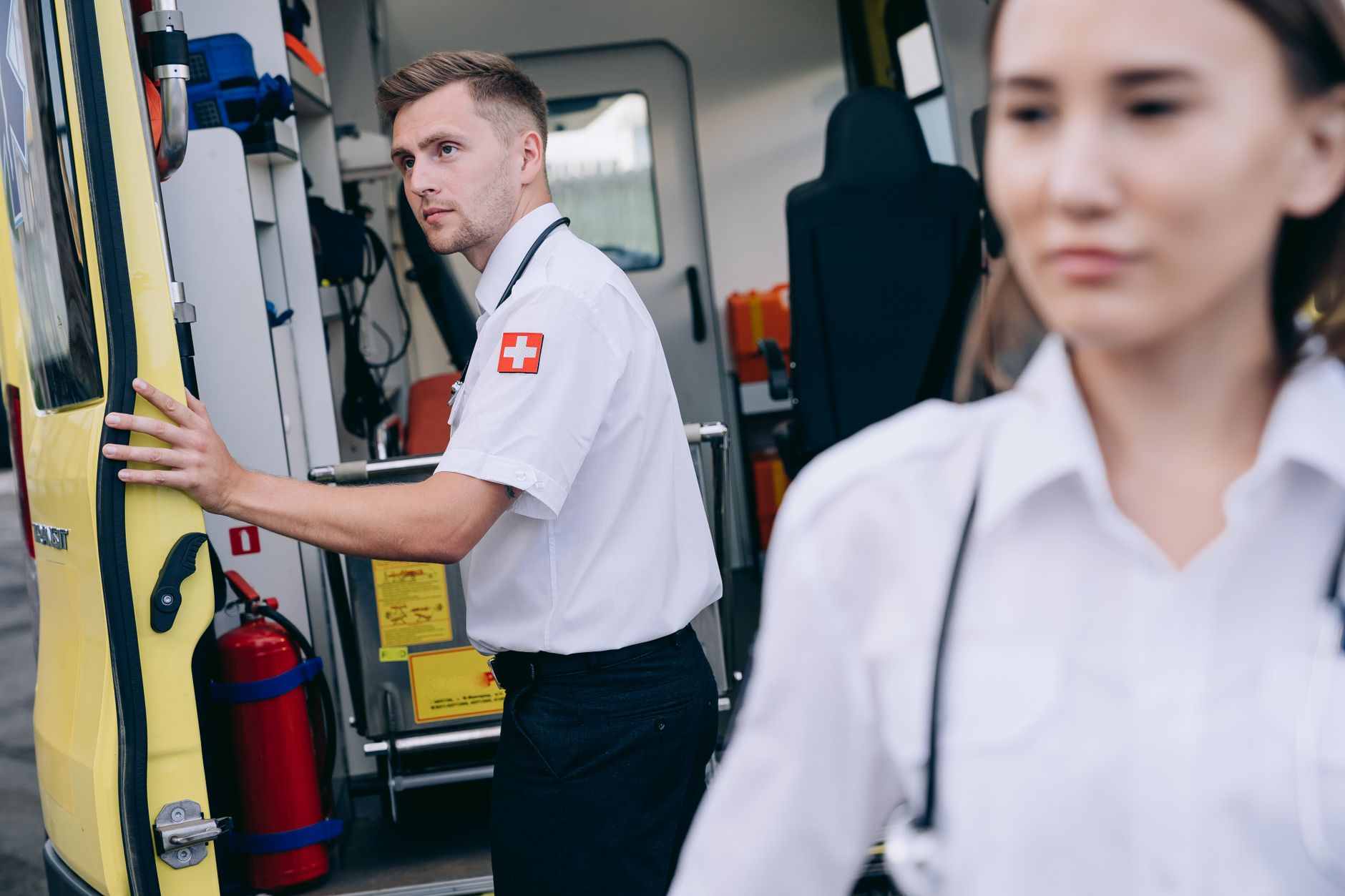
Hosting a wedding, corporate retreat, or cultural celebration in Auli means embracing Uttarakhand's breathtaking snow-capped landscape — but at elevations above 2,500 metres, guest safety demands serious planning. Crowd Medical Support is the structured deployment of paramedics, first-aid stations, emergency response equipment, and evacuation protocols specifically calibrated for large or intimate gatherings in remote, high-altitude terrain. Whether you are coordinating outdoor event first aid for a 50-guest destination wedding near the Auli Artificial Lake or managing mass gathering health care for a 400-person corporate summit on the Gorson Bugyal meadows, purpose-built event medical services are non-negotiable. Happiffie connects event planners with verified medical support teams experienced in Auli's unique terrain, weather volatility, and nearest hospital access routes.
Quick Answer
Crowd Medical Support for events in Auli refers to the organised deployment of trained paramedics, first-aid stations, AED defibrillators, oxygen cylinders, and emergency evacuation plans at a venue to protect guests during gatherings held at high altitude. Given Auli's elevation of roughly 2,500–2,900 metres, altitude sickness risk, and distance from the nearest hospital in Joshimath (approx. 13 km), professional Crowd Medical Support is essential for any event with 30 or more guests.
Why Is Crowd Medical Support Critical for Auli Events?
Auli sits at an elevation between 2,500 and 2,900 metres above sea level. At this height, even guests who are physically fit can experience acute mountain sickness — symptoms include headaches, nausea, dizziness, and in severe cases, pulmonary or cerebral oedema. Standard wedding or corporate event planning almost never accounts for these altitude-specific risks, making Crowd Medical Support a genuinely life-saving investment rather than an optional add-on. High-altitude event safety at Auli is further complicated by narrow mountain roads that can add 30–45 minutes to any ambulance response time from Joshimath. Pre-positioned medical personnel, supplemental oxygen cylinders, and a clear triage protocol reduce this vulnerability dramatically. Winter mountain event precautions become even more critical between November and March, when snowfall can temporarily block road access entirely, making on-site emergency response the only immediate option available to event hosts.
What Do Event Medical Services at Auli Include?
Professional event medical services for an Auli gathering typically cover several interconnected layers of care. The first layer is prevention: pre-event health briefings for guests on acclimatisation, hydration, and medication (such as Diamox for altitude sickness). The second layer is monitoring: paramedics circulating among guests with pulse-oximeters to track blood-oxygen saturation, a key indicator of altitude distress. The third layer is treatment: a dedicated first-aid station stocked with oxygen cylinders, IV fluids, cardiac defibrillators (AEDs), and basic medication for hypothermia, allergic reactions, and injuries from uneven terrain. Finally, outdoor event first aid teams coordinate with the nearest government hospital in Joshimath and, if needed, arrange helicopter evacuation from Auli's ropeway base — a critical lifeline during snowbound winters. Costs for a full-service package generally range from INR 35,000 to INR 2,50,000 depending on guest count, event duration, and the ratio of medics to attendees.
How Much Does Crowd Medical Support Cost in Auli?
Budgeting for Crowd Medical Support in Auli depends on four main variables: guest count, event duration, terrain complexity, and the level of specialisation required. For intimate celebrations of 30–75 guests, a basic package — one paramedic, a first-aid kit, and an oxygen cylinder — typically costs INR 25,000 to INR 55,000 per day. Mid-scale events of 100–200 guests require a two-to-three-person medical team with an AED unit, stretcher, and a dedicated communication radio; expect INR 70,000 to INR 1,20,000 per day. Large-scale mass gathering health care setups for 300-plus guests, common for corporate summits or multi-day weddings near the Auli ski slopes, can run INR 1,50,000 to INR 2,50,000 per day once you factor in doctor-on-call fees, standby ambulance hire, and helicopter evacuation tie-ups. Auli wedding planning budgets should always allocate 3–5% of total event spend to medical safety as a baseline. These figures are indicative; get itemised quotes from at least three vendors through Happiffie to compare transparently.
Setting Up On-Site Emergency Response at High-Altitude Venues
Effective on-site emergency response at Auli requires pre-event site surveys because the terrain varies significantly across popular venues — from the relatively flat GMVN Tourist Rest House lawns to steep slopes near the Joshimath-Auli ropeway upper station. Medical teams must identify triage zones, parking access for stretcher transport, and the fastest path to the nearest landing zone for helicopter evacuation. Destination event logistics for Auli should include transporting medical equipment via the ropeway cable car if road access is limited; this adds planning time and should be confirmed with equipment vendors at least four weeks before the event. Communication is equally vital: Auli has patchy mobile connectivity, so medics typically carry satellite communicators or walkie-talkies linked to the event coordinator and the Joshimath district hospital emergency number. Crowd Medical Support in these conditions is as much a logistics operation as a healthcare one.
What Are Common Mistakes Event Planners Make When Booking Medical Support for Auli?
The most frequent error in Auli event planning is treating medical support as an afterthought — booking it in the final week before the event, when experienced paramedics familiar with high-altitude conditions may already be committed elsewhere. A second major mistake is underestimating guest vulnerability: city-dwelling guests travelling from Delhi, Mumbai, or Bengaluru typically arrive the same day as the event without adequate acclimatisation time, sharply elevating their altitude-sickness risk. Planners also often overlook winter mountain event precautions such as hypothermia kits, heated first-aid tents, and anti-freeze protocols for medical equipment in sub-zero temperatures. Relying solely on a general-purpose ambulance parked at the venue perimeter — without trained personnel who understand altitude physiology — is another critical gap. Finally, skipping mass gathering health care protocols for events under 100 guests is a false economy: acute mountain sickness does not respect guest-count thresholds.
Crowd Medical Support Setup Types for Auli Events: A Comparison
Expert Recommendation
Best for Intimate Destination Weddings (30–75 guests)
Best for Mid-Scale Celebrations (100–200 guests)
Best for Large Corporate or Multi-Day Events (300+ guests)
Best for Budget-Conscious Planners
Best for Winter Snow Events (December–February)
Best for Traditional Multi-Day Shaadi Celebrations
How to Choose the Right Option
✅ Pre-booking Checklist
- Confirm the medical team has documented high-altitude or wilderness emergency medicine experience.
- Verify oxygen cylinder count: minimum one cylinder per 100 guests, plus one reserve.
- Book Crowd Medical Support at least 6–8 weeks before your Auli event date.
- Conduct a pre-event site survey with the medical team to map triage zones and evacuation routes.
- Ensure walkie-talkies or satellite communicators are included — do not rely on mobile networks alone.
- Get a written helicopter evacuation agreement or hospital standby confirmation from the medical vendor.
- Issue a guest health advisory at least 2 weeks before the event covering acclimatisation, hydration, and medication guidance.
- For winter events, confirm hypothermia kits and a heated first-aid tent are part of the package.
🎯 Selection Criteria
- Altitude-medicine certification or high-altitude rescue training of lead paramedic.
- Response time commitment: on-site team should be able to reach any guest within 3 minutes.
- Equipment completeness: AED, oxygen, IV fluids, stretcher, pulse-oximeters minimum.
- Communication setup independent of mobile network coverage.
- Prior deployment experience at Auli, Kedarnath, or similar Uttarakhand mountain venues.
- Transparent, itemised INR pricing with no hidden logistics surcharges.
💰 Cost / Quality Factors
- Guest count directly drives paramedic-to-attendee ratio and therefore total cost.
- Event duration (single-day vs. multi-day) multiplies daily hire costs significantly.
- Season: winter deployments cost 20–40% more due to specialised equipment and restricted access.
- Venue elevation and terrain complexity affect equipment transport costs via ropeway or porter.
- Distance from Joshimath hospital determines whether a standby ambulance is a mandatory add-on.
- Doctor-on-call vs. doctor-on-site is a significant cost differentiator — on-site adds INR 15,000–35,000/day.
⚠️ Common Mistakes to Avoid
- Booking medical support less than two weeks before a high-altitude event — experienced teams will be unavailable.
- Assuming a local ambulance parked outside covers all emergency scenarios without trained on-site personnel.
- Ignoring altitude sickness risk for events under 100 guests — altitude physiology affects individuals, not crowd sizes.
- Skipping winter mountain event precautions for December–February weddings due to budget pressure.
- Failing to share the medical team's contact and triage zone location with all event staff on the day.
- Not requesting a post-event medical incident report, which is useful for insurance claims and future planning.
People Also Ask
Is Crowd Medical Support mandatory for events in Auli?
How many paramedics do I need for a 200-guest wedding in Auli?
What medical equipment is essential for outdoor events at Auli?
Can I hire Crowd Medical Support locally in Auli or Joshimath?
What is the difference between Crowd Medical Support and a standard ambulance service?
How does altitude sickness affect event guests in Auli?
Does Happiffie help with Crowd Medical Support bookings for Auli events?
What is the best time of year to host an event in Auli that minimises medical risk?
Related Experiences on Happiffie
Expert Medical Care for Goa Events
Safe Celebrations in Kasauli
Wedding Medical Support in Gangtok
Event First Aid in Mussoorie
Celebrate Above the Clouds in Delhi
Jaipur Fusion Weddings Done Right
Srinagar Event Travel & Transport
Jaipur Winter Events, Perfectly Warm
Frequently Asked Questions
What is Crowd Medical Support and why is it specifically important for Auli events?
Which Auli venues are most challenging for setting up event medical services?
How early should I book Crowd Medical Support for an Auli wedding?
Does Crowd Medical Support cover helicopter evacuation from Auli?
What altitude-sickness prevention advice should be given to guests before an Auli event?
Is outdoor event first aid at Auli different from standard event first aid?
How does Happiffie help with Crowd Medical Support bookings for Auli?
What is the minimum medical setup recommended for a 50-guest engagement ceremony in Auli?
Key Takeaways
- Crowd Medical Support at Auli is essential, not optional — high altitude, remote terrain, and limited hospital access create genuine life-safety risks for event guests.
- Event medical services should be booked 6–8 weeks in advance; experienced high-altitude teams in Uttarakhand are limited and in high demand during peak season.
- Costs range from INR 25,000 for basic setups to INR 2,50,000-plus per day for full mass gathering health care with helicopter evacuation agreements.
- Pulse-oximeters, supplemental oxygen, AEDs, and satellite communication are non-negotiable equipment items for any Auli event medical team.
- Winter events (December–February) require specialist winter mountain event precautions including hypothermia kits and heated medical tents.
- On-site emergency response must include a pre-surveyed triage zone, mapped evacuation routes, and written hospital and helicopter standby agreements.
- Happiffie curates verified event medical services vendors with Auli-specific experience, enabling transparent price comparison in INR without hidden charges.
- Always issue a guest health advisory covering acclimatisation guidance at least two weeks before the event to reduce acute mountain sickness incidence.
Book Verified Crowd Medical Support for Your Auli Event
Compare paramedic teams, equipment packages, and transparent INR pricing — all tailored for high-altitude events in Auli. Let Happiffie make your celebration safe and unforgettable.
Explore Medical Support
Are you a Vendor? Grow Your Business with Happiffie!
- High intent verified leads
- Reverse auction opportunities
- AI business tools & insights
- Dedicated vendor dashboard
- Grow your business, your way
It's free & takes less than 2 minutes!