
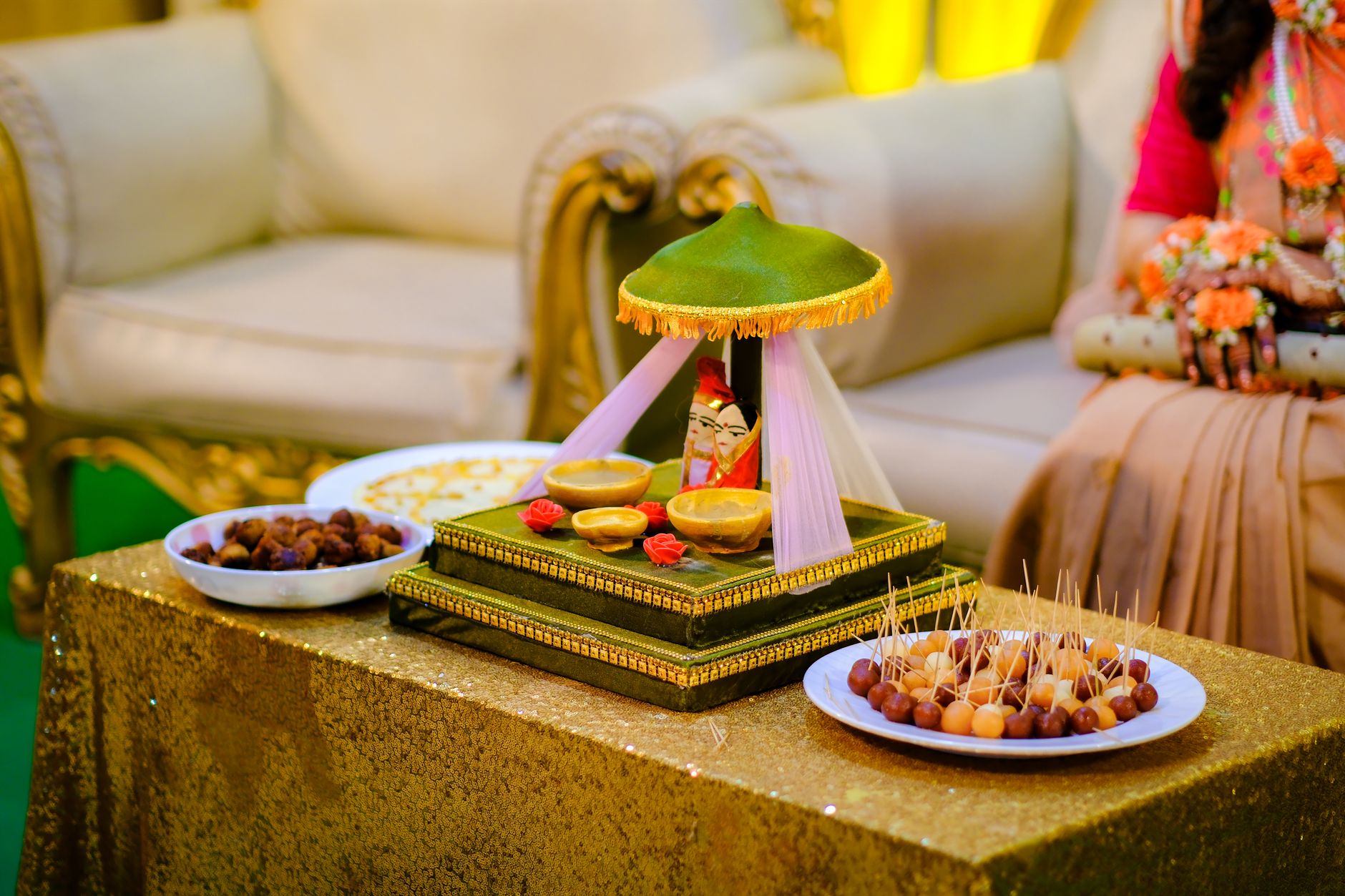
Street Food Magic in the Himalayas
Food & Beverages in Auli
Boutique Street Food Stations for Auli Events & Weddings
Auli, perched above the Garhwal Himalayas at over 2,500 metres, is one of India's most dramatic wedding and event destinations — and the food experience must match its grandeur. Boutique Street Food Stations bring the warmth, energy, and colour of India's best street markets right into your snow-ringed venue, giving guests something to talk about long after the festivities end. Whether you are planning a pre-wedding cocktail evening, a sangeet under the stars, or a destination reception, Live Street Food Counters add a lively, interactive layer to mountain wedding catering that conventional buffets simply cannot match. From piping-hot chaat to regional pahadi bites, these curated setups transform an Outdoor Banquet Experience into an immersive celebration of flavour and festivity.
Quick Answer
Boutique Street Food Stations are curated, theme-styled food counters set up within a wedding or event venue, each dedicated to a specific street-food cuisine or regional specialty. In Auli, they typically feature live cooking, artisan presentation, and a mix of classic Indian street snacks alongside local Garhwali bites. They are ideal for cocktail hours, sangeet nights, and post-ceremony snacking, and usually cost between ₹800 and ₹2,500 per head depending on the number of stations and menu complexity.
What Makes Boutique Street Food Stations Perfect for Auli Celebrations?
Auli's high-altitude setting creates a natural appetite in guests, and nothing satisfies a crowd faster than steaming, freshly made street food served right in front of them. Boutique Street Food Stations capitalise on this by combining the theatre of live cooking with the comfort of familiar Indian flavours — think sizzling tawa kulchas, bubbling ragda pattice, and fragrant pav bhaji. Because Auli venues tend to be open-air resorts, ski lodges, and terraced lawns, Boutique Street Food Stations integrate seamlessly into the landscape without requiring heavy infrastructure. Each counter can be styled with wooden carts, lanterns, or snow-themed décor that aligns with Himalayan Event Décor, making the food zone as photogenic as the mountain backdrop itself. For couples who want their event to feel personal and experiential rather than formal and predictable, these stations deliver both substance and spectacle.
Popular Station Types and Regional Specialties to Include
A well-planned lineup of Boutique Street Food Stations in Auli should balance crowd-pleasing national classics with local Garhwali flavours that guests rarely encounter elsewhere. Artisan Chaat Stations featuring pani puri, dahi bhalla, and papdi chaat remain the anchor of any street food zone because they draw guests in with aroma and visual flair. Alongside these, consider a pahadi momos counter, a local dal chawal with ghee station, and a mandua (finger millet) roti live counter that celebrates Uttarakhand's culinary heritage. For winter celebrations specifically, a hot beverage and street snack pairing corner — think ginger chai with aloo tikki — works brilliantly as a Winter Celebration Food Theme that keeps guests warm between rituals. Gourmet Street Snack Setups can also include fusion options such as cheese kulcha sliders or masala corn in truffle butter for a contemporary twist. The key is variety without overwhelming the guest count, so curate three to five stations for gatherings under 150 and five to eight for larger groups.
How Much Do Boutique Street Food Stations Cost in Auli?
Budget planning for Boutique Street Food Stations in Auli needs to account for altitude logistics, which add a premium over plains-based events. Ingredient transportation, LPG or induction equipment rated for cold weather, and staffing who can manage outdoor cooking in low temperatures all contribute to costs. As a general benchmark, Interactive Food Stalls with one live cook and two support staff typically cost ₹18,000 to ₹35,000 per station per event day, excluding ingredients. Per-head pricing across a full street food zone ranges from ₹800 to ₹2,500 depending on the menu tier. Budget-conscious couples can hold per-head costs to ₹800–₹1,100 by limiting stations to three high-output counters such as chaat, momos, and chaat. Premium setups with branded carts, imported ingredients, and dedicated interactive counters push into the ₹1,800–₹2,500 range. Mountain Wedding Catering providers in the region often bundle station setup fees into their per-head quote, so always ask for an itemised breakdown before signing.
Designing the Guest Experience Around Your Food Zone
The spatial layout of Boutique Street Food Stations is as important as the menu itself. In Auli's narrow terraced venues, a linear lane-style arrangement mimicking a bazaar street works better than a scattered placement because it creates a natural flow and prevents bottlenecks. Each counter in the Artisan Chaat Stations lineup should have a signboard in Hindi and English explaining the dish, its regional origin, and any allergen notes — this adds a storytelling layer that resonates deeply with guests. Lighting matters enormously at altitude: warm Edison bulbs strung between counters evoke a mountain mela atmosphere while also making food photography irresistible. Pair the food zone with a dedicated seating nook of low wooden furniture and woollen throws to encourage guests to linger, eat, and connect. An Outdoor Banquet Experience in Auli that combines great food, curated décor, and mountain views becomes a memory that outpaces any conventional sit-down dinner.
How Do You Coordinate Logistics for Street Food Stations in a Remote Mountain Venue?
Logistics are the most underestimated challenge of running Live Street Food Counters in Auli. The nearest major market is Joshimath, roughly 16 km away, so ingredient sourcing must be planned 48–72 hours in advance with refrigerated transport for perishables. Water supply for chaat preparation and dishwashing should be confirmed with the venue well before the event, as mountain resorts sometimes have restricted flow during winter. All cooking equipment must be tested at altitude since gas pressure drops significantly above 2,000 metres — induction-based Gourmet Street Snack Setups often prove more reliable than open-flame burners in subzero conditions. Waste management is another critical factor: Auli is an ecologically sensitive zone, so catering teams should use compostable serveware and have a clear plan for oil disposal. Working with a catering partner who has prior experience in Himalayan Event Décor and mountain event logistics will save you significant last-minute stress.
Boutique Street Food Station Setups for Auli Events: A Side-by-Side Comparison
Expert Recommendation
Best for Intimate Celebrations (Under 75 Guests)
Best for Large Guest Counts (200+ Guests)
Best for Budget-Conscious Couples
Best for Traditional Weddings
Best for Modern Destination Weddings
Best for Cocktail-Hour Activations
How to Choose the Right Option
✅ Pre-booking Checklist
- Confirm the caterer has prior experience cooking at altitudes above 2,000 metres in Auli or similar Himalayan venues
- Verify FSSAI registration and food safety compliance of all cooking staff
- Request a site visit or virtual walkthrough to plan station placement and crowd flow on the actual venue layout
- Clarify ingredient sourcing logistics — ask specifically how perishables will be transported from Joshimath or further
- Test all cooking equipment for altitude performance, especially gas-based burners, at least one day before the event
- Confirm waste disposal plan, compostable serveware, and oil disposal protocol for Auli's eco-sensitive zone
- Agree on a minimum and maximum guest throughput per station per hour so you can right-size your lineup
- Get a full itemised cost breakdown separating station setup fees, per-head food costs, staffing, equipment, and transport
🎯 Selection Criteria
- Vendor experience with mountain and destination events, not just city banquets
- Menu flexibility to incorporate both national street food classics and local Garhwali specialties
- Equipment reliability in subzero temperatures and low gas pressure conditions
- Ability to manage the full supply chain from ingredient procurement to on-site service
- Alignment of station styling and décor with your Himalayan Event Décor theme
- Clear contingency plan for weather disruptions, power outages, or ingredient shortfalls
💰 Cost / Quality Factors
- Number of stations directly drives total cost — each additional counter adds ₹18,000–₹35,000 before ingredients
- Remote location surcharges for transport, staffing accommodation, and equipment haulage add 20–35% to base pricing
- Premium or imported ingredients in fusion menus can push per-head costs 40–60% higher than classic Indian street food
- Off-peak bookings between March and June offer better vendor availability and lower logistics costs
- Larger guest counts above 150 unlock economies of scale on staffing and equipment rental
- Fully compostable serveware adds ₹40–₹80 per head but is essential for Auli's environmental compliance
⚠️ Common Mistakes to Avoid
- Booking a plains-based caterer without verifying their altitude cooking experience — equipment failures mid-event are common
- Underestimating station count — too few counters for the guest count creates long queues and cold food
- Ignoring wind direction when placing open-flame stations, which can direct smoke toward seating areas
- Failing to plan a covered or semi-covered food zone, leaving stations exposed to sudden Himalayan snowfall
- Skipping a pre-event ingredient check, resulting in key items being unavailable on the day due to supply chain gaps
- Not allocating a dedicated waste management crew, which can lead to eco-compliance issues in Auli's protected zone
People Also Ask
Are Boutique Street Food Stations suitable for a winter wedding in Auli?
How many street food stations should I plan for 200 guests?
Can Boutique Street Food Stations replace a main buffet at an Auli event?
What local Garhwali foods can be featured at street food stations in Auli?
How far in advance should I book street food station vendors for an Auli wedding?
What is the typical setup time required for street food stations at an Auli venue?
Are there vegetarian-only street food station options for Auli events?
How do I ensure food safety and hygiene at outdoor street food stations in Auli?
Related Experiences on Happiffie
Chaat Counters for Guwahati Weddings
Live Chaat Magic for Every Nashik Celebration
Live Food Counters for Kasauli Events
Gourmet Street Food, Gurugram Style
Raise a Toast in Rishikesh
Crystal-Clear Sound for Every Kutch Celebration
Unforgettable Outdoor Stays in Indore
Joyful Toddler Parties, Delicious Spreads
Frequently Asked Questions
What are Boutique Street Food Stations and how do they work at an Auli wedding?
Is it logistically feasible to run Boutique Street Food Stations in a remote location like Auli?
How many Boutique Street Food Stations are recommended for a 150-person event in Auli?
What is the average per-head cost for Boutique Street Food Stations in Auli?
Can Boutique Street Food Stations be set up outdoors in Auli's winter temperatures?
What eco-friendly practices should street food station vendors follow in Auli?
Which functions during an Auli wedding are best suited to Boutique Street Food Stations?
How do I style Boutique Street Food Stations to match an Auli destination wedding theme?
Key Takeaways
- Boutique Street Food Stations transform Auli weddings and events from conventional to experiential, combining live cooking theatre with India's rich street food culture against a stunning Himalayan backdrop.
- Plan three to five stations for under 150 guests and five to eight for larger groups to maintain food quality and manage crowd flow effectively.
- Per-head costs in Auli range from ₹800 to ₹2,500 depending on menu complexity, station count, and the premium logistics of mountain event catering.
- Altitude above 2,000 metres affects gas pressure and cooking times — always verify equipment compatibility and run trial cooks before the event day.
- Incorporating local Garhwali specialties such as mandua roti, pahadi momos, and kafuli alongside classic chaat creates an authentic regional experience guests cannot find at city venues.
- Eco-compliance is non-negotiable in Auli — use compostable serveware, plan oil disposal, and partner with vendors who understand the zone's environmental regulations.
- Book vendors four to six months in advance for peak November-to-February season and always request an itemised cost breakdown to avoid hidden transport and staffing surcharges.
- A well-designed food zone with warm lighting, regional signage, and comfortable seating becomes a destination within the destination — the centrepiece of your Outdoor Banquet Experience.
Bring the Bazaar to the Himalayas
Explore curated Boutique Street Food Stations for your Auli wedding or event on Happiffie — compare setups, get personalised quotes, and book with confidence.
Explore Food Vendors
Are you a Vendor? Grow Your Business with Happiffie!
- High intent verified leads
- Reverse auction opportunities
- AI business tools & insights
- Dedicated vendor dashboard
- Grow your business, your way
It's free & takes less than 2 minutes!