
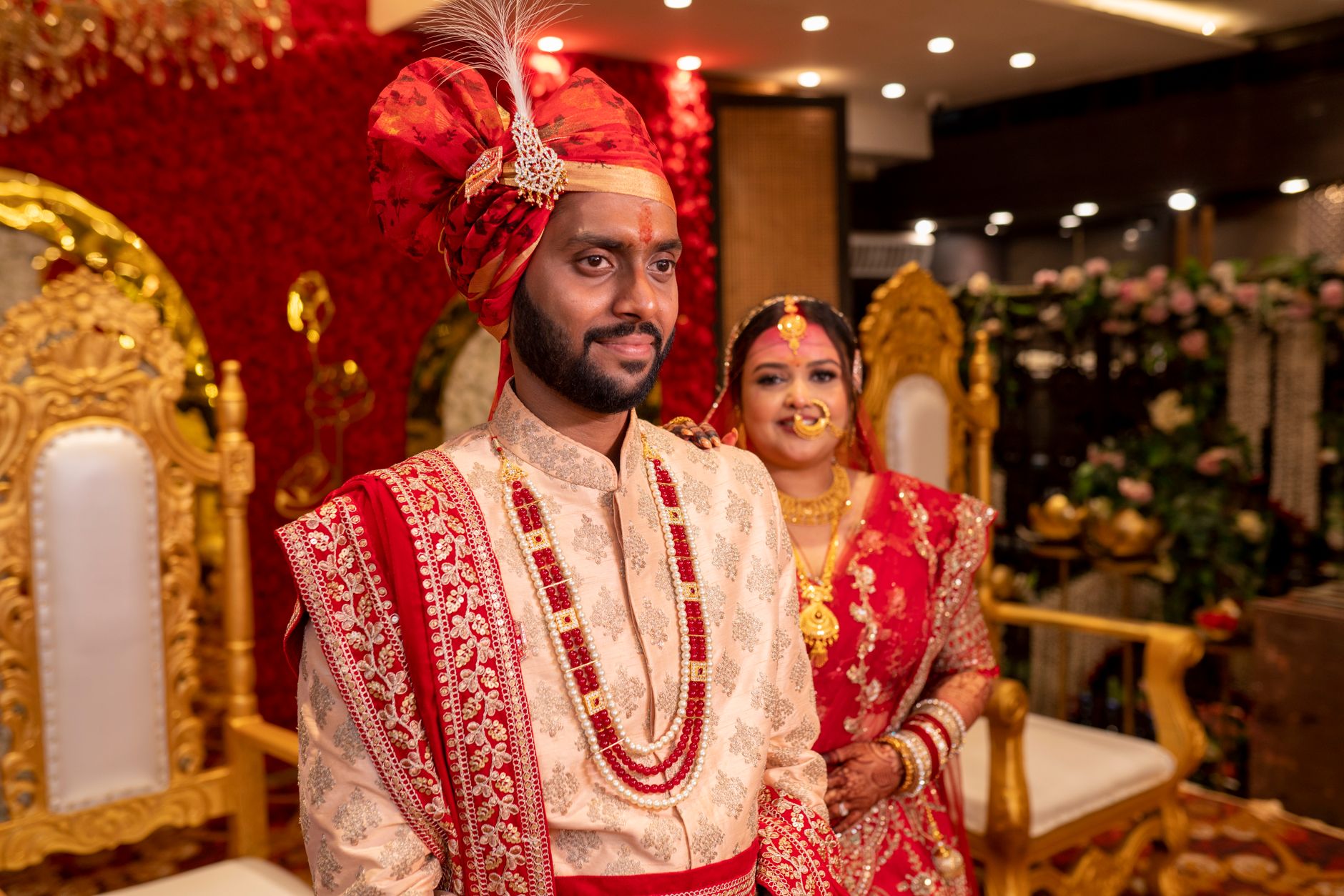
Seamless Ceremonies, Zero Chaos
Planners in Agra
Ceremony Flow Coordinators in Agra for Every Ritual
Agra's wedding culture blends Mughal grandeur with deeply rooted North Indian rituals — from pre-dawn Haldi ceremonies at heritage havelis to late-night Vidaai moments under the Taj skyline. Ceremony Flow Coordinators are the invisible architects who keep every ritual running on time, every priest cued correctly, and every family member in the right place at the right moment. As skilled wedding ritual sequencing experts, they translate a complex multi-day programme into a smooth, emotion-filled experience. Combine that with sharp guest experience management and you protect your family from the stress that derails even the most lavishly planned celebrations.
Quick Answer
Ceremony Flow Coordinators are wedding professionals who manage the precise sequencing of rituals, rites, and transitions across all functions — Mehendi, Sangeet, Pheras, and Vidaai. In Agra, they work alongside pandits, venue staff, and caterers to keep every moment on schedule. They differ from general wedding planners by focusing specifically on ritual timing, cue sheets, and family blocking, ensuring no sacred moment is rushed or missed.
What Do Ceremony Flow Coordinators Actually Do at an Agra Wedding?
Ceremony Flow Coordinators build a minute-by-minute cue sheet for every function — mapping when the baraat enters, when the varmala exchange happens, when the pandit begins each of the seven pheras, and when the Vidaai procession starts. In Agra, where weddings frequently span multiple venues — a riverside garden, a heritage hotel like the ones lining Fatehabad Road, or a banquet hall near Sikandra — this cross-venue timeline management becomes critical. They coordinate directly with the pandit coordination services team to ensure mantras are not rushed to fit a catering window. They also brief family members, doli bearers, and the DJ so transitions happen without public announcements creating noise during sacred rites. The result is a ceremony that feels effortless from a guest's perspective while remaining deeply respectful of tradition.
The Agra Wedding Landscape: Why Ritual Sequencing Matters More Here
Agra hosts some of Uttar Pradesh's most elaborate destination weddings, drawing guests from Delhi, Jaipur, and beyond. Multi-day functions — Tilak, Sangeet, Haldi, Baraat, and Reception — often take place across different properties, adding layers of logistical complexity. Expert wedding ritual sequencing experts understand that an Agra wedding in peak season (October to February) must account for traffic near the Taj Trapezium Zone, strict venue curfews, and the presence of large joint families with competing priorities. Without bridal function flow planners managing the programme, even a 45-minute delay in the baraat's arrival can cascade into a midnight phera ceremony that exhausts elderly guests and violates venue rules. Ceremony Flow Coordinators act as the single communication hub between all vendors, preventing these costly chain reactions.
How Much Does Hiring Ceremony Flow Coordinators in Agra Cost?
Fees for Ceremony Flow Coordinators in Agra typically range from INR 25,000 to INR 1,20,000 depending on the number of functions covered, team size, and experience level. A coordinator managing a single-day wedding with two functions may charge between INR 25,000 and INR 45,000. Full multi-day packages covering four to six functions — including Agra wedding venue logistics across multiple properties — usually fall between INR 60,000 and INR 1,20,000. These fees often include a pre-wedding site visit, a detailed cue sheet, on-day walkie-talkie coordination, and a dedicated assistant. Separate charges may apply for outstation travel beyond Agra city limits or for managing very large guest counts above 800. Always request an itemised quotation and clarify whether pandit coordination services are bundled in the package or billed separately.
Key Qualities to Look for in an Agra Ceremony Flow Coordinator
The best event timeline managers for Agra weddings combine deep knowledge of Brahmin, Kshatriya, and Kayastha ritual traditions with calm, assertive on-ground presence. Look for coordinators who have managed weddings at Agra's major function venues and understand the city's specific curfew and noise ordinance timelines. Strong multi-function celebration scheduling capability is non-negotiable — they should present you with a draft cue sheet during the initial consultation, not after you have signed the contract. Ask whether they hold contingency plans for weather disruptions, power cuts, or a late pandit. The finest Ceremony Flow Coordinators also excel at guest experience management, personally greeting and positioning VIP family members so that no uncle misses a phera or no grandparent is left standing during the Saptapadi.
What Is the Difference Between a Wedding Planner and a Ceremony Flow Coordinator?
A wedding planner oversees the entire event — budgets, vendor bookings, décor, catering, and logistics. Ceremony Flow Coordinators hold a narrower, deeper brief: they own the minute-by-minute ritual timeline and ensure every cue happens precisely on schedule. Many Agra couples hire a full-service planner for macro decisions and then engage bridal function flow planners separately for the ritual-level detail work. In some cases, experienced Hindu ceremony orchestrators are brought in specifically because they hold relationships with senior pandits and understand how to negotiate ritual timing without offending traditional families. If your wedding has more than three functions or involves guests from different regional backgrounds with differing ritual expectations, having a dedicated ceremony specialist alongside your planner is strongly recommended.
Ceremony Flow Coordinator Options in Agra: A Practical Comparison
Expert Recommendation
Best for Intimate Family Weddings (Under 200 Guests)
Best for Grand Destination Weddings (500+ Guests)
Best for Traditional Hindu Ceremonies
Best for Modern or Fusion Weddings
Best for Budget-Conscious Couples
Best for Multi-Day Destination Celebrations
How to Choose the Right Option
✅ Pre-booking Checklist
- Confirm the coordinator's experience with your specific ritual tradition (Brahmin, Arya Samaj, regional customs)
- Request a sample cue sheet from a past Agra wedding before signing any agreement
- Clarify the number of assistants included and their roles on the wedding day
- Verify familiarity with your specific venue's layout, curfew timings, and noise restrictions
- Confirm whether pandit coordination services and vendor briefings are included in the fee
- Discuss contingency plans for baraat delays, power cuts, and weather disruptions
- Agree on communication protocols — WhatsApp group, walkie-talkies, or a dedicated coordinator app
- Obtain a clear breakdown of what is and is not covered across each function
🎯 Selection Criteria
- Demonstrated experience managing weddings at Agra-area venues with multi-function schedules
- Knowledge of regional ritual customs and ability to brief pandits without causing offence
- Team size appropriate to your guest count and venue spread
- Clear, proactive communication style with written confirmations for every decision
- Transparent, itemised pricing with no hidden charges for overtime or additional functions
- Positive references from families whose weddings involved complex Agra wedding venue logistics
💰 Cost / Quality Factors
- Number of functions covered directly affects the total fee — single-day packages cost significantly less
- Team size scales cost upward but protects quality at guest counts above 300
- Peak season availability (October to February) commands premium pricing in Agra
- Multi-venue weddings require additional site visits and travel time, often billed separately
- Coordinators with strong pandit networks may save money on ritual overruns by managing time diplomatically
- Experience level and local reputation influence pricing — newer coordinators may offer lower rates with solid supervision
⚠️ Common Mistakes to Avoid
- Booking a coordinator without visiting the venue together before the wedding day
- Assuming your wedding planner will handle minute-level ritual sequencing without confirming this explicitly
- Neglecting to share the pandit's ritual list with the coordinator at least one month in advance
- Choosing solely on price and overlooking the coordinator's knowledge of traditional Hindu ceremony orchestrators' methods
- Failing to assign a family liaison who can help enforce cue-sheet timings with relatives
- Not testing walkie-talkie or communication equipment at the venue before the wedding day
People Also Ask
Do I need a separate ceremony coordinator if I already have a wedding planner in Agra?
How early should I book Ceremony Flow Coordinators in Agra?
Can Ceremony Flow Coordinators manage both Hindu and inter-community weddings in Agra?
What happens if the baraat is delayed at an Agra wedding — how does the coordinator handle it?
Do Ceremony Flow Coordinators also manage the Sangeet and Mehendi functions?
Is guest experience management part of a ceremony coordinator's role?
What documents or cue sheets should a coordinator provide before the wedding day?
Can Ceremony Flow Coordinators work within a tight wedding budget in Agra?
Related Experiences on Happiffie
Melodic Wedding Rituals in Indore
Kolkata's Top Creator Event Managers
Sacred Mandirs for Your Big Day
Sacred Ceremonies, Seamlessly Planned in Bekal
Wed in a Bengal Heritage Mansion
Stream Every Ceremony, Everywhere
Dream Weddings in the Hills of Nainital
Unforgettable Guests, Flawless Events
Frequently Asked Questions
What is the typical fee for Ceremony Flow Coordinators in Agra?
Do Ceremony Flow Coordinators in Agra work with pandits during the phera ceremony?
How many assistants does a ceremony coordinator typically bring to an Agra wedding?
Can I hire Ceremony Flow Coordinators just for the phera function and not all events?
Are there Ceremony Flow Coordinators in Agra who specialise in Rajputana or UP Brahmin rituals?
What happens if my Agra venue has a strict midnight curfew — how does a coordinator handle this?
Do Ceremony Flow Coordinators in Agra also manage the baraat procession timing?
How do I evaluate a ceremony coordinator's quality before booking them in Agra?
Key Takeaways
- Ceremony Flow Coordinators specialise in ritual sequencing and minute-by-minute timeline management — a distinct skill set from general wedding planning.
- In Agra, multi-venue weddings and strict curfew timelines make professional ceremony coordination especially valuable during the October-to-February season.
- Fees range from INR 25,000 for single-day packages to INR 1,20,000 for full multi-day destination wedding coverage.
- Always request a sample cue sheet during the initial consultation to assess a coordinator's depth and preparation style.
- The best coordinators also deliver strong guest experience management — positioning families, managing VIP sight lines, and maintaining a reverent atmosphere.
- Multi-function celebration scheduling across Sangeet, Haldi, Baraat, and Reception requires a team of at least two to three coordinators for guest counts above 300.
- Booking four to six months in advance is essential for peak Agra wedding season to secure experienced professionals.
- Ceremony Flow Coordinators work best when paired early with your pandit and venue team so every stakeholder has a shared, agreed cue sheet.
Book Agra's Best Ceremony Flow Coordinators on Happiffie
Let expert planners handle every ritual cue, timeline, and transition so your wedding day flows exactly as you dreamed — without a single stressful moment.
Find Coordinators Now
Are you a Vendor? Grow Your Business with Happiffie!
- High intent verified leads
- Reverse auction opportunities
- AI business tools & insights
- Dedicated vendor dashboard
- Grow your business, your way
It's free & takes less than 2 minutes!